
Beekeepers have long revered propolis as a vital component of their craft, collecting this waxy resin from their hives to use in everything from repairing equipment to boosting colony health. But propolis is more than just a beekeeping byproduct – it’s also a treasure trove of natural remedies and sustainable practices waiting to be tapped. For centuries, civilizations have recognized the medicinal and preservative properties of propolis, harnessing its antibacterial and anti-inflammatory powers in everything from ancient Greek medicine to modern skincare products. Today, beekeepers are rediscovering the value of propolis not just as a useful resource, but also as a key part of sustainable beekeeping practices that prioritize colony health and environmental stewardship. By exploring the multifaceted world of beekeeping propolis, you’ll learn how this incredible substance can be used to create natural remedies, improve your beekeeping skills, and even enhance your own well-being – all while supporting healthy bees and ecosystems.
What is Propolis?
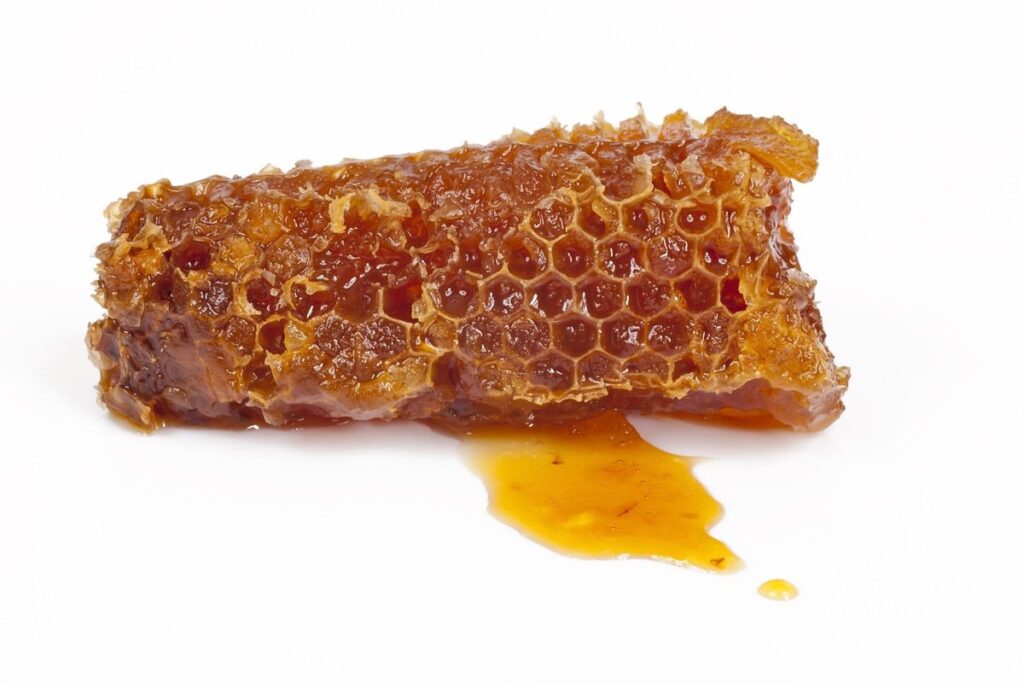
Propolis, a natural and wondrous substance created by bees, has been used for centuries to heal and protect. Let’s take a closer look at what propolis actually is.
Definition and Composition
Propolis is a complex mixture of plant-derived compounds, carefully crafted by bees to protect their hives from invaders and diseases. At its core, propolis is composed of three primary groups of bioactive compounds: flavonoids, phenolic acids, and terpenes. Flavonoids, such as quercetin and kaempferol, contribute to propolis’ antimicrobial and anti-inflammatory properties. Phenolic acids, including gallic acid and ferulic acid, enhance its antioxidant capacity. Terpenes, like limonene and pinene, add to the resin’s antiseptic and insecticidal effects.
These diverse compounds work synergistically to create a powerful natural defense system for the hive. When bees collect propolis from tree sap, they’re not just gathering random plant extracts – they’re selecting specific compounds that will complement each other in providing optimal protection. As a result, propolis exhibits a unique blend of antibacterial, antiviral, and anti-inflammatory activities. This intricate composition is precisely what makes propolis so valuable for beekeepers and beyond – its multifaceted properties allow it to tackle various threats to hive health with remarkable effectiveness.
Historical Use and Cultural Significance
Propolis has been a prized natural resource for centuries, with its use spanning various cultures and traditions. In ancient Greece, propolis was used as a sealant to waterproof buildings and as an ingredient in traditional medicine. The Egyptians also valued propolis for its antimicrobial properties, using it to treat wounds and infections. Similarly, in China, propolis has been used for centuries as a natural preservative in traditional medicines and as an ingredient in herbal remedies.
The cultural significance of propolis is evident in the reverence with which it’s often treated. In many indigenous cultures, propolis is considered a sacred substance, imbued with spiritual properties that promote healing and protection. For example, some Native American tribes use propolis to create sacred rituals and ceremonies, believing its essence holds mystical powers. This deep respect for propolis is a testament to the understanding of its unique properties and benefits, passed down through generations.
In traditional medicine, propolis is often combined with other natural ingredients to create remedies for various ailments. Its versatility has led to its widespread adoption in folk medicine, where it’s valued for its ability to promote wound healing, reduce inflammation, and combat infections.
Benefits of Propolis in Beekeeping
Propolis is a powerful tool for beekeepers, offering numerous advantages that can enhance your apiary’s productivity and overall health. Let’s take a closer look at some of its most significant benefits.
Hive Health and Maintenance
Propolis plays a vital role in maintaining the health and integrity of beehives. By sealing cracks, gaps, and holes, it prevents disease-causing pathogens and pests from entering the hive. This natural barrier also helps to regulate temperature and humidity levels within the hive, creating an optimal environment for the bees to thrive.
When bees collect propolis, they often combine it with plant resin and other substances to create a hard, waterproof seal. This process not only protects the hive but also allows the bees to repair damaged areas quickly and efficiently. In fact, studies have shown that bees can repair damaged hive cells in as little as 24 hours using propolis.
To replicate this natural process in your own beekeeping practice, consider incorporating propolis into your hive maintenance routine. Regularly inspect your hives for cracks and gaps, and apply a small amount of propolis to seal any openings. Bees will also appreciate the opportunity to collect additional propolis from nearby plants or trees, which can be done by placing a small propolis trap near the hive entrance.
A healthy hive with adequate propolis coverage is less susceptible to disease and pests, reducing the need for chemical treatments and promoting a more sustainable beekeeping practice.
Disease Prevention and Treatment
Bees collect propolis from trees with antimicrobial properties, which they use to create a natural barrier against diseases. This unique compound has been shown to inhibit the growth of certain pathogens.
When used as a natural preservative, propolis can help prevent the spread of diseases within bee colonies. For example, studies have demonstrated its effectiveness in inhibiting the growth of American Foulbrood bacteria, a common disease affecting honeybees worldwide. By incorporating propolis into their hive maintenance routine, beekeepers can reduce the risk of disease outbreaks and promote a healthier colony.
In addition to preventing disease, propolis has also been shown to aid in wound healing and tissue repair within the hive. Its antimicrobial properties help prevent infection and promote the growth of new tissue, allowing bees to recover from injuries more quickly. This unique compound is also capable of inhibiting the growth of fungal pathogens, which can be particularly devastating to bee colonies.
When selecting trees for propolis collection, it’s essential to choose species with high antimicrobial activity, such as poplar or willow trees. By leveraging the natural properties of these trees, bees create a powerful defense against disease that is both effective and sustainable.
Propolis in Modern Medicine
Propolis has been making waves in the medical community, and its potential applications are vast, from wound healing to cancer treatment. We’ll explore some of the most promising developments so far.
Antibacterial and Antiviral Properties
Propolis has been shown to exhibit potent antibacterial and antiviral activity, with studies demonstrating its effectiveness against a range of pathogens. The compound’s unique chemical composition allows it to disrupt the cell walls of bacteria, preventing them from replicating and ultimately leading to their death. This property makes propolis an attractive ingredient for pharmaceutical applications, particularly in the development of new treatments for antibiotic-resistant infections.
One study published in the Journal of Ethnopharmacology found that a particular type of propolis exhibited strong antibacterial activity against Escherichia coli, a common cause of urinary tract infections. Another study demonstrated its effectiveness against influenza virus, highlighting its potential as a natural antiviral agent. These findings suggest that propolis could be used to develop new treatments for a range of infectious diseases.
The mechanism behind propolis’ antimicrobial properties is complex and multifaceted, but it’s thought to involve the interaction between the compound’s phenolic compounds and the pathogen’s cell membrane. This unique combination of chemical compounds allows propolis to target specific cellular processes, making it an effective agent against a range of pathogens.
Wound Healing and Skin Care
Propolis has been used for centuries to aid in wound healing and skin care due to its unique combination of flavonoids. These compounds have been shown to promote tissue repair and reduce inflammation, making propolis an effective natural remedy for wounds. Topical creams and ointments containing propolis are often applied directly to the affected area to take advantage of these properties.
When using propolis for wound healing, it’s essential to choose a high-quality product that is rich in flavonoids. Look for products that contain a high concentration of quercetin, kaempferol, and pinobanksin, as these are the key flavonoids responsible for promoting tissue repair and reducing inflammation.
One common application of propolis in wound care is to create a protective barrier against infection. This can be particularly effective when combined with other natural remedies like honey or aloe vera. Additionally, propolis has been shown to promote collagen synthesis, which can help improve skin elasticity and reduce the appearance of fine lines and wrinkles. By harnessing the power of propolis, individuals can take advantage of its wound-healing properties while also promoting healthy, youthful-looking skin.
Harvesting and Processing Propolis
Once you’ve collected propolis from your beehives, it’s essential to extract its valuable compounds through a gentle yet effective harvesting process. Learn how to carefully prepare this natural gold for use in your home remedies and crafts.
Methods of Collection
Beekeepers can harvest propolis from their beehives using specialized tools or by extracting it from discarded frames. One of the most common methods is to scrape off excess propolis from the hive walls, supers, and other equipment using a wooden scraper or a propolis brush. This process helps maintain the hive’s cleanliness and ensures that no damaged wood is left behind.
Another method involves extracting propolis from discarded frames, which are often rich in this valuable resin. Beekeepers can use a frame holder to carefully remove the frames from the hive, then gently scrape off any remaining propolis with a soft-bristled brush or a flexible scraper. This approach not only saves time but also minimizes damage to the frames.
When harvesting propolis, it’s essential to be gentle and selective to avoid damaging the delicate resin. Beekeepers can use a combination of these methods to collect high-quality propolis while maintaining their hive’s health and integrity. Regularly harvested propolis can help prevent excess buildup in the hive, reducing the risk of pests and diseases. By adopting these techniques, beekeepers can efficiently harvest this valuable resource.
Purification and Standardization
Purifying and standardizing propolis involves a multi-step process to create a consistent product. The goal is to remove impurities, such as beeswax, pollen, and debris, which can affect the quality and potency of the final product. This process typically begins with mechanical separation, where large particles are removed through sieving or filtering.
The next step often involves solvent extraction, where a suitable solvent like ethanol or hexane is used to dissolve the desired compounds. The resulting solution is then separated from the solvent and dried to produce a concentrated extract. Some manufacturers may also use distillation or crystallization to further purify and standardize the product.
Standardization typically focuses on adjusting the concentration of key compounds, such as flavonoids and phenolic acids, which are responsible for propolis’ medicinal properties. Manufacturers may also add preservatives or antioxidants to enhance shelf life and stability. The end result is a high-quality, consistent propolis extract that can be used in various applications, from skincare to pharmaceuticals.
Propolis in Cosmetics and Skincare
Propolis is being increasingly incorporated into skincare products for its potential anti-inflammatory and antimicrobial benefits, making it a sought-after ingredient.
From face masks to creams, we’ll explore how propolis is used in cosmetics to promote healthy skin.
Natural Preservative and Ingredient
Propolis’ antimicrobial properties have made it an attractive natural preservative for cosmetics and skincare products. Its ability to inhibit the growth of bacteria and fungi extends the shelf life of products, reducing the need for synthetic preservatives. This is particularly important in water-based products like creams and lotions, where traditional preservatives can break down over time.
When choosing a propolis extract as a natural preservative, look for one that has been standardized to contain at least 10% flavonoids. These compounds are responsible for propolis’ antimicrobial activity. A small amount of propolis extract (typically around 0.1-0.5%) is sufficient to provide effective preservation.
In addition to its preservative properties, propolis is also valued for its moisturizing and antioxidant effects in skincare products. It can help soothe dry skin and reduce inflammation. When selecting a product containing propolis, be sure to check the ingredient list for any potential allergens or irritants.
Potential Risks and Allergies
When used as an ingredient in cosmetics and skincare products, propolis can cause allergic reactions or sensitivities in some individuals. This is often due to its high concentration of phenolic compounds, which can be irritating to sensitive skin.
Manufacturers must take steps to minimize the risk of adverse reactions by ensuring proper handling and labeling procedures are in place. This includes providing clear instructions for use and warnings about potential allergens. Consumers should also be aware of their individual sensitivities and start with small amounts or patch tests before using propolis-based products extensively.
Some common symptoms of a propolis allergy include redness, itching, and inflammation around the affected area. In severe cases, an allergic reaction can cause more serious symptoms such as hives, swelling, or difficulty breathing. If you experience any of these symptoms after using a propolis product, discontinue use immediately and consult with a healthcare professional.
To minimize risks, look for products that have undergone rigorous testing for safety and efficacy, and follow the manufacturer’s guidelines carefully.
Future Research Directions
As we continue to uncover the amazing properties of propolis, it’s clear that there’s still much to learn and discover. Exploring its potential applications and effects on human health is a promising area for future research.
Unlocking Propolis’ Full Potential
To fully unlock propolis’ potential, researchers must delve into the complex interactions between its bioactive compounds and various biological systems. This includes studying the ways in which propolis interacts with human cells, as well as its effects on plant growth and agricultural productivity. A deeper understanding of these mechanisms will enable scientists to develop new applications for propolis in medicine, agriculture, and beyond.
One area of focus should be the isolation and characterization of propolis’ constituent compounds, including flavonoids, phenolic acids, and terpenes. By identifying the specific properties and effects of each compound, researchers can begin to develop targeted therapies and treatments that leverage propolis’ unique benefits. For example, further research on propolis’ antibacterial and antiviral properties could lead to new antimicrobial agents with reduced toxicity and improved efficacy.
Ultimately, unlocking propolis’ full potential requires a multidisciplinary approach, incorporating expertise from fields such as chemistry, biology, medicine, and agriculture. By fostering collaboration between researchers and beekeepers, we can accelerate the development of innovative applications for this remarkable natural resource.
Sustainable Beekeeping Practices
Bee populations are declining at an alarming rate, and it’s crucial to develop sustainable beekeeping practices that prioritize hive health while minimizing environmental impact. One key area of focus is propolis harvesting, which can be done responsibly to ensure the long-term viability of bee colonies.
To begin with, beekeepers should adopt a rotational harvesting approach, where propolis is collected from multiple hives in rotation. This allows for even regeneration and reduces the risk of over-harvesting from individual colonies. Beekeepers can also experiment with partial extraction methods, where a portion of the propolis is left intact to preserve the hive’s natural defenses.
Another critical aspect is minimizing waste during the harvesting process. Propolis can be sold as a by-product, providing an additional revenue stream for beekeepers while reducing environmental impact. However, it’s essential to ensure that any processing or purification methods used do not compromise the propolis’ inherent properties.
Beekeepers should also prioritize hive health through regular monitoring and record-keeping. This allows them to identify potential issues early on and take corrective action before they become major problems. By combining rotational harvesting with efficient waste management and a focus on hive health, beekeepers can contribute to a more sustainable future for both their bees and the environment.
Frequently Asked Questions
Can I Use Propolis in My Kitchen Without Any Risks?
Yes, propolis can be safely used as a natural preservative and ingredient in cooking, but it’s essential to note that some individuals may experience allergic reactions or sensitivities. Always check the propolis’ origin, purity, and concentration before using it in food preparation.
How Do I Know If Propolis Is Effective Against Specific Pests or Diseases?
The effectiveness of propolis against specific pests or diseases depends on its composition, which can vary depending on the source trees and environmental conditions. Beekeepers often rely on empirical evidence and anecdotal reports to determine its efficacy. Conducting thorough research and consulting with experts in the field is crucial for informed decision-making.
Can I Harvest Propolis Without Damaging My Bees’ Health?
Yes, propolis harvesting can be done sustainably by beekeepers who understand the importance of maintaining their bees’ health and hive integrity. Specialized tools and techniques can minimize disturbance to the bees while maximizing propolis collection. Regular monitoring and maintenance of the hive are also crucial for preventing any negative impacts on the colony.
What If I Experience an Allergic Reaction or Sensitivity to Propolis-Based Products?
If you experience an allergic reaction or sensitivity to propolis-based products, discontinue use immediately and consult a healthcare professional for advice. In some cases, reactions may be caused by contamination or poor handling practices during processing. Manufacturers must ensure proper labeling and handling procedures are in place to minimize the risk of adverse reactions.
Can I Use Propolis as a Natural Substitute for Chemical Preservatives?
Yes, propolis can be an effective natural substitute for chemical preservatives due to its antimicrobial properties. However, its effectiveness depends on various factors such as concentration, purity, and application methods. Beekeepers and manufacturers must carefully consider the specific requirements of each product or application when using propolis as a natural preservative.

