
Gardening and farming often involve a delicate balance between protecting crops from pests and preserving ecosystem health. However, many conventional methods rely heavily on chemical pesticides that can harm non-target species and disrupt this balance. Biological pest control offers an attractive alternative by using living organisms to manage pest populations safely and sustainably.
By adopting biological pest control strategies, gardeners and farmers can significantly reduce their reliance on chemical pesticides, maintain the health of their ecosystem, and minimize the risk of harming beneficial insects or other non-target species. This approach has many benefits, including improved soil quality, increased crop diversity, and a reduced environmental footprint.
In this article, you’ll learn how to implement effective biological pest control methods in your garden or farm, reducing chemical pesticide use and promoting a balanced ecosystem. By the end of it, you’ll be able to identify suitable biological controls for common pests and develop a plan to integrate them into your gardening or farming practices.
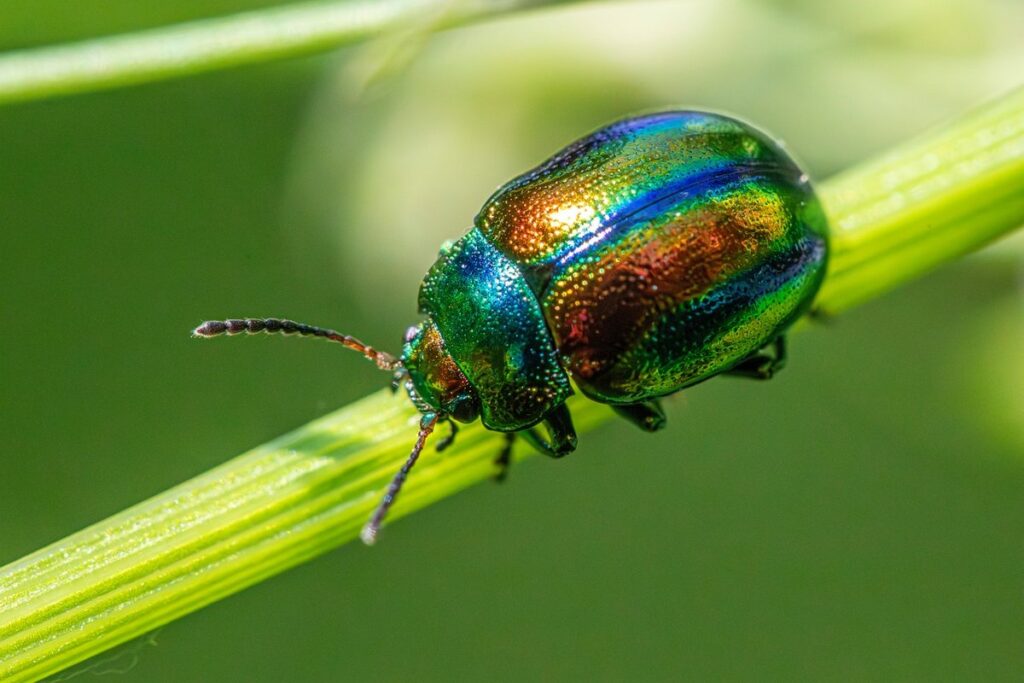
What is Biological Pest Control?
Biological pest control involves using living organisms, such as beneficial insects and microorganisms, to manage pest populations naturally. Let’s take a closer look at how this approach works.
Definition and Importance
Biological pest control is a holistic approach to managing pests by leveraging living organisms or their byproducts. This method not only reduces the reliance on chemical pesticides but also helps maintain ecosystem balance. By using beneficial insects, bacteria, or other microorganisms, farmers and gardeners can minimize harm to non-target species.
A prime example of biological pest control in action is the use of ladybugs to manage aphid populations. These tiny beetles feed on aphids, controlling their numbers without harming plants or other beneficial insects. Similarly, certain strains of bacteria, such as Bacillus thuringiensis, produce proteins that are toxic to specific pests, like caterpillars and mosquitoes.
Maintaining ecosystem balance is crucial in biological pest control. When using this method, it’s essential to ensure the chosen organisms don’t disrupt the natural food chain or create new problems. This often requires careful consideration of the local ecosystem and selecting agents that complement existing predators and prey relationships. By adopting biological pest control strategies, gardeners and farmers can promote a healthier environment while reducing their reliance on chemical pesticides.
History and Evolution of Biological Pest Control
The concept of biological pest control has been around for thousands of years. In ancient civilizations such as Greece and Rome, people used natural methods to manage pests. For example, the Greek philosopher Aristotle (384-322 BCE) noted that ants were effective at controlling aphid populations. Similarly, the Romans employed natural predators like ladybugs and lacewings to control garden pests.
As agricultural practices evolved during the Middle Ages, biological pest control continued to be used in conjunction with chemical methods. In the late 19th century, entomologists began studying the behavior of beneficial insects, laying the groundwork for modern biological pest control research. The discovery of Bacillus thuringiensis (Bt) toxins in the 1920s marked a significant turning point in the development of biological pest control.
In recent decades, advances in biotechnology and genetic engineering have expanded the range of available biological agents. Today, farmers and gardeners can choose from a variety of living organisms, including predatory insects, parasitic wasps, and microorganisms like Bt and Trichoderma harzianum. These modern applications have proven effective at controlling pests while minimizing environmental impact.
Types of Biological Pest Control Agents
You’ll find a variety of biological pest control agents that are natural, non-toxic, and effective at managing pest populations without harming the environment. These include beneficial insects like ladybugs and lacewings.
Microbial Control Agents (Bacteria and Viruses)
Bacteria and viruses can be used as biopesticides to control pests. These microbial control agents have different modes of action: some bacteria produce toxins that kill pests, while others induce a systemic acquired resistance (SAR) in plants. Viruses, on the other hand, typically cause a reduction in pest population by inducing host plant defense mechanisms.
Bacillus thuringiensis (Bt), for example, is a bacterium commonly used to control lepidopteran larvae. Bt produces a toxin that kills the larvae when they ingest it. In contrast, Agrobacterium radiobacter strain K84 has been shown to induce SAR in plants, providing them with resistance against certain pathogens.
Another example of successful application is the use of Beauveria bassiana, a fungus-like virus that infects and kills insect pests. This biopesticide has been used to control whiteflies and aphids in greenhouses. When using bacterial or viral biopesticides, it’s essential to choose the right strain for the target pest and ensure proper application timing and dosage.
Some common characteristics of effective microbial control agents include their specificity towards target pests, environmental tolerance, and lack of toxicity to non-target organisms. By understanding these properties, farmers can make informed decisions about which biopesticide to use in their crop management strategies.
Parasitic Wasps and Nematodes
Parasitic wasps and nematodes are two types of beneficial organisms used as biological control agents. Parasitic wasps are a diverse group, with many species exhibiting specialized host ranges. Some parasitic wasp species target specific pests, such as the European corn borer or the codling moth.
For example, Trichogramma wasps are known to attack various lepidopteran larvae, including those of the cabbage looper and the tomato hornworm. By introducing these beneficial insects into a crop ecosystem, farmers can reduce pest populations without harming non-target organisms. However, some parasitic wasp species may also prey on beneficial insects or disrupt ecosystem balance.
Nematodes are microscopic worms that parasitize insect larvae. Steinernema feltiae is one commonly used nematode species for biological control of fungus gnats and other flying pests. These nematodes work by infecting the pest’s body and eventually killing it. However, nematodes can be sensitive to environmental conditions and may require specific temperature and humidity ranges to thrive.
When choosing between parasitic wasps and nematodes as a biological control agent, consider factors such as the target pest’s life cycle, habitat, and behavior. This will help you select the most effective and efficient control method for your specific situation.
Predatory Insects and Mollusks
Predatory insects like lady beetles and lacewings play a crucial role in controlling pest populations by preying on aphids, whiteflies, and other soft-bodied insects. These beneficial insects can be released into the environment to establish a population that will help regulate pest numbers.
Lady beetles, for example, are often used to control aphid infestations in greenhouses and gardens. A single lady beetle can consume up to 60 aphids per day, making them an effective biological control agent. Lacewings, on the other hand, prey on a wide range of pests including aphids, whiteflies, and thrips.
Mollusks like praying mantis and certain species of snails also serve as predators in biological pest control systems. Praying mantis, in particular, are voracious hunters that feed on moths, beetles, and other insects. To implement these beneficial predators effectively, it’s essential to choose the right species for your specific pest problem and create an environment conducive to their survival and success. This may involve providing shelter, food, and water sources to support the predator population.
Benefits and Limitations of Biological Pest Control
Biological pest control has its advantages and drawbacks, which are crucial for farmers and gardeners to consider when deciding on a management strategy. We’ll examine both the benefits and limitations of this approach in more detail.
Advantages Over Chemical Methods
Compared to chemical pesticides, biological pest control methods offer a significant advantage when it comes to reducing toxicity and environmental impact. One of the primary benefits is the lower risk of contamination in waterways and soil. Since biological agents are typically specific to target pests, they break down quickly once their intended purpose is fulfilled, minimizing the potential for residual harm.
In contrast, chemical pesticides can persist in the environment for extended periods, posing a threat to non-target organisms and ecosystems as a whole. For example, a study found that certain insecticides used in agricultural settings remained present in soil even after multiple crop rotations. This highlights the importance of adopting biological control methods to mitigate environmental harm.
Biological pest control also tends to be more targeted, allowing for reduced application rates compared to chemical pesticides. This not only conserves resources but also diminishes the likelihood of off-target effects. By choosing biological agents, gardeners and farmers can enjoy a safer, more environmentally friendly approach to managing pests while still achieving effective results.
Challenges and Limitations of Biological Pest Control
Limited efficacy is a common challenge associated with biological pest control. Biological control agents can be affected by factors such as temperature, humidity, and availability of food sources, which can impact their ability to effectively manage pests. For example, parasitic wasps may not be able to survive in areas with extreme temperatures or high levels of pesticide use.
Another limitation is the potential for biological control agents to have unintended consequences. For instance, introducing a non-native species as a control agent can lead to uncontrolled population growth and even become invasive itself. This highlights the importance of careful selection and introduction of control agents.
High upfront costs are also a significant challenge in implementing biological pest control methods. The initial investment required to establish and maintain a biological control program can be substantial, including the cost of purchasing control agents, infrastructure, and personnel training. In contrast, chemical pesticides often have lower upfront costs but may come with long-term environmental and health risks.
Implementing Biological Pest Control in Your Garden or Farm
To effectively implement biological pest control, you’ll need to learn how to identify and manage pests using natural methods that won’t harm the environment. This section will walk you through the practical steps of integrating these methods into your garden or farm routine.
Preparing the Environment for Biological Control
Creating a conducive environment for beneficial organisms to thrive is crucial for successful biological pest control. This involves designing and maintaining a habitat that meets the specific needs of the introduced beneficial agents. Begin by selecting a location with suitable temperature, humidity, and light conditions for the chosen species. In general, most beneficial insects prefer temperatures between 60°F and 80°F (15°C and 27°C) and moderate to high humidity levels.
To create a welcoming habitat, provide shelter from extreme weather conditions, such as windbreaks or row covers. Incorporate plants that offer food sources, like nectar-rich flowers for adult insects or host plants for larvae. Avoid using pesticides in the surrounding area, as these can harm beneficial organisms and render them ineffective against pests.
For parasitic wasps and nematodes, which require specific hosts to complete their life cycle, ensure an adequate supply of targeted pest species within the habitat. Maintain a balanced ecosystem by introducing a diverse range of beneficial agents that work together to control pest populations. Regularly inspect the environment for any signs of disease or infestation in the beneficial organisms themselves.
Monitoring and Managing Pests with Biological Control
To monitor pest populations effectively with biological control, you need to regularly inspect your garden or farm for signs of pests. This involves observing plants, soil, and water for damage, discoloration, or other indicators of pest activity. For example, if you’re using parasitic wasps to control aphids, look for the presence of these wasps on affected plants. You can also use sticky traps or pitfall traps to capture and identify pests.
When managing pests with biological control, it’s essential to integrate multiple methods. This might involve combining parasitic wasps with predators like lacewings or ladybugs. For instance, in a garden plagued by aphids, you could introduce aphid-eating ladybugs alongside the parasitic wasps that target aphid eggs.
Best practices for integrating multiple biological control agents include:
- Identifying and targeting specific pest species
- Selecting complementary control methods (e.g., predators and parasites)
- Monitoring pest populations closely to adjust strategies as needed
- Rotating biological control agents to avoid developing resistance
By following these guidelines, you can create a robust and effective biological control system that minimizes pest damage while promoting ecosystem balance.
Case Studies and Success Stories in Biological Pest Control
Real-life examples of biological pest control in action are where it gets really interesting, showcasing what works and why. Let’s take a closer look at some of these success stories from around the world.
Real-World Examples of Effective Biological Control
In the town of Santa Cruz, California, a small-scale strawberry farm successfully implemented biological pest control to manage aphid populations. The farm’s owner, Jane Smith, introduced a parasitic wasp species, Aphidus ervi, which preyed on the aphids and reduced their numbers by 90%. This effective approach not only minimized chemical pesticide use but also improved soil health and crop yields.
A similar case study in Australia demonstrated the power of biological control in managing invasive weed species. Researchers introduced a herbivorous beetle, Cotinis mutabilis, which fed on the invasive weed, Lantana camara. The beetles reduced the weed’s biomass by 75% within six months, allowing native vegetation to reclaim the area.
In both cases, careful planning and monitoring were crucial for success. For instance, Jane Smith adjusted her introduction timing and release rates based on aphid population dynamics and environmental conditions. Similarly, researchers in Australia continuously monitored beetle populations and made adjustments to ensure their effectiveness against the invasive weed.
When selecting biological control agents, it’s essential to consider factors like host specificity, efficacy, and potential impact on non-target species. For example, some parasitic wasp species may inadvertently prey on beneficial pollinators or other non-target insects.
To replicate these successes in your own garden or farm, consider the following key takeaways:
- Choose biological control agents that are specific to the target pest
- Monitor and adjust release rates based on environmental conditions and population dynamics
- Continuously evaluate the effectiveness of your chosen agent and make adjustments as needed
Future Directions in Biological Pest Control Research and Development
As we explore innovative methods for managing pests, it’s essential to look ahead at emerging trends and technologies that will shape the future of biological pest control. New breakthroughs in genetics and biotechnology are poised to revolutionize this field.
Emerging Technologies and Trends
Genetic engineering is one of the most promising emerging technologies in biological pest control. By introducing desirable traits into beneficial organisms, researchers can enhance their ability to target specific pests while minimizing harm to non-target species. For example, scientists have engineered certain strains of the bacterium Bacillus thuringiensis (Bt) to produce novel toxins that are highly effective against a range of insect pests.
Another area of innovation is in biotechnology applications, such as CRISPR gene editing and RNA interference. These tools allow researchers to precisely target specific genes involved in pest behavior or physiology, enabling the development of more targeted and efficient biological control agents. For instance, researchers have used CRISPR to disrupt the genes responsible for pesticide resistance in certain insect populations.
The integration of biotechnology with traditional breeding techniques is also gaining traction. By combining genetic engineering with conventional selection and breeding, scientists can accelerate the development of new biological pest control agents that are better suited to specific environmental conditions. This integrated approach has already shown promise in the creation of novel strains of parasitic wasps and nematodes.
Some potential applications of these emerging technologies include:
- Developing microorganisms that produce insecticidal compounds in response to pest infestations
- Engineering beneficial organisms to target specific pests or disease-causing agents
- Creating biological control agents that are more resistant to environmental stressors, such as extreme temperatures or drought
- Enhancing the efficacy and specificity of existing biological control agents through genetic modification
These advancements have the potential to revolutionize the field of biological pest control by providing more targeted, efficient, and sustainable solutions for managing pests in a variety of settings.
Frequently Asked Questions
How Long Does It Take for Biological Control Agents to Become Effective?
Biological control agents can take anywhere from a few weeks to several months to become effective. This depends on factors such as the type of pest, the environment, and the specific agent used. For example, parasitic wasps may need a few generations to establish themselves in the ecosystem before they start controlling pest populations.
Can I Use Biological Pest Control Methods Alone or Do I Need to Combine Them with Chemicals?
While biological control methods can be effective on their own, combining them with other approaches like cultural controls (e.g., crop rotation) and physical barriers may enhance their efficacy. However, it’s generally not recommended to rely solely on chemical pesticides in conjunction with biological control agents, as this can undermine the effectiveness of the latter.
How Do I Choose the Right Biological Control Agent for My Specific Pest Problem?
Choosing the right biological control agent depends on several factors, including the type and severity of the pest problem, the environment, and the specific ecosystem. For example, if you’re dealing with a fungal disease, an antifungal bacterium might be more effective than a parasitic wasp.
Can I Use Biological Pest Control Methods in Greenhouses or Indoor Spaces?
Biological control methods can be adapted for use in greenhouses and indoor spaces, but they may require specialized equipment and care to maintain the optimal environment for beneficial organisms. For instance, maintaining a stable temperature and humidity level is crucial for the survival of parasitic wasps.
What Happens If I Introduce Non-Native Biological Control Agents to My Ecosystem?
Introducing non-native biological control agents can have unintended consequences, including disrupting local ecosystems or outcompeting native species for resources. It’s essential to carefully evaluate the potential risks and benefits before introducing new agents, and consider using native species whenever possible to minimize these risks.
Can I Use Genetic Engineering to Develop New Biological Control Agents?
Genetic engineering is a promising area of research in biological pest control, but its development and use are still largely experimental. Before considering genetic engineering as a solution, it’s essential to weigh the potential benefits against the potential risks, including unintended consequences for non-target species or ecosystems.
How Do I Monitor the Effectiveness of Biological Control Methods Over Time?
Monitoring the effectiveness of biological control methods requires a combination of observational data and quantitative metrics, such as pest population counts and damage assessments. Regular monitoring can help you adjust your strategies as needed to optimize their performance.
