
Broad leaved hellebore is often overlooked in favor of its more showy counterparts, but this understated orchid plays a vital role in many ecosystems. As an epiphyte, it thrives on tree trunks and branches, providing a unique habitat for various insects and animals. The broad leaved helleborine’s importance extends beyond its ecological significance, however – it also offers a challenge to botanists due to its subtle differences from other species in the Helleborina group. As interest in conservation and sustainable gardening continues to grow, understanding how to identify and cultivate this delicate orchid is crucial for ensuring its survival. In this article, we’ll explore the broad leaved helleborine’s importance, delve into the details of identification, discuss cultivation best practices, and examine the current conservation status – by the end, you’ll have a comprehensive understanding of what it takes to protect this fascinating plant.
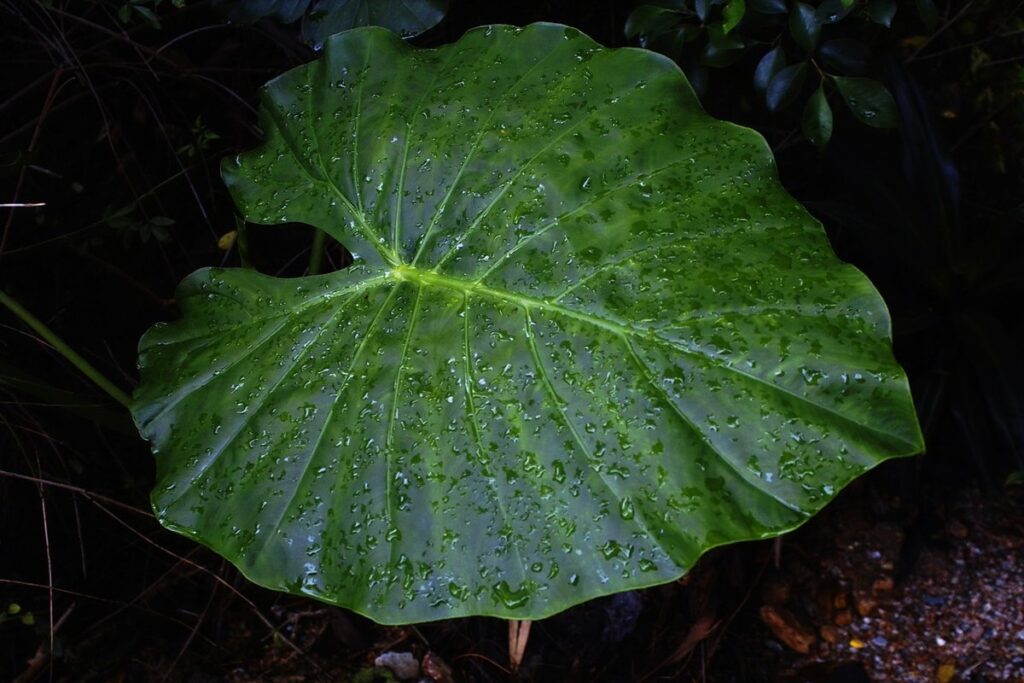
Introduction to the Broad Leaved Helleborine
The broad leaved helleborine is a delicate and often overlooked orchid, so let’s start by getting to know its unique characteristics and growth habits.
What is the Broad Leaved Helleborine?
The broad leaved helleborine is a type of orchid belonging to the genus Cephalanthera. It’s characterized by its broad, ovate leaves and delicate, white or greenish-yellow flowers that bloom in late spring. This perennial plant typically grows 10-30 cm tall and thrives in woodland environments with rich soil and partial shade.
Found throughout Europe and parts of Asia, the broad leaved helleborine is commonly spotted in deciduous forests, particularly where oak and beech trees dominate. It’s often associated with hazel scrub and rocky outcrops, which provide a habitat for other rare orchids. In some regions, it has been introduced as an ornamental plant, but it can also naturalize and form dense colonies.
The broad leaved helleborine is one of several species within the Cephalanthera genus, with distinct features setting it apart from its closest relatives. Its growth habits and distribution patterns are influenced by factors such as soil moisture, light intensity, and surrounding vegetation. Understanding these characteristics will help botanists and enthusiasts alike in their identification and management efforts for this unique orchid species.
Importance of the Broad Leaved Helleborine in Ecosystems
In many ecosystems, the broad leaved helleborine plays a crucial role as a pollination agent. Its long, nectar-rich flowers attract various species of bees and wasps, which transfer pollen between plants, facilitating the reproduction process. This mutualistic relationship is essential for the survival of both the orchid and its pollinators.
The broad leaved helleborine also serves as a vital food source for wildlife. Its underground tubers are a staple for some species of insects, such as ground beetles and ants, while its flowers provide sustenance for birds, bats, and other small mammals. In forests where the orchid is native, it’s not uncommon to see these animals visiting the plants in search of food.
In addition to its ecological significance, the broad leaved helleborine contributes to forest health by serving as a pioneer species. It can thrive in areas with poor soil quality and high levels of competition from other vegetation, paving the way for more diverse plant growth. By providing these ecosystem services, the broad leaved helleborine helps maintain balance within its environment.
For example, in the UK, where the broad leaved helleborine is native, conservation efforts focus on preserving habitats that support this and other pollinator-friendly species. This includes creating wildflower meadows and restoring hedgerows to provide corridors for wildlife movement.
Identification and Characteristics
To accurately identify the broad leaved helleborine, it’s essential to look for distinctive features such as its leaf shape and flower color. Let’s take a closer look at these key characteristics.
Physical Characteristics of the Broad Leaved Helleborine
The broad leaved helleborine has a distinctive physical appearance. Its leaves are lance-shaped and pointed at the tip, typically measuring between 2-6 inches in length. They are dark green with a light green stripe running along their midrib, often giving them a distinctive mottled effect. The leaves are arranged alternately on the stem, which is usually slender and upright.
The flowers of the broad leaved helleborine are typically pale yellow or cream-colored with a prominent purple lip. They bloom in late spring to early summer, often forming clusters at the tips of the stems. Each flower has three sepals that are fused together at the base, creating a distinctive trumpet-shaped appearance. The flowers have a sweet, slightly spicy fragrance that attracts pollinators.
In terms of growth habits, the broad leaved helleborine is a terrestrial orchid, typically growing to a height of 1-2 feet. It prefers moist, woodland environments and can often be found in areas with rich soil and dappled shade. Its rhizomes spread outwards from the base of the plant, allowing it to form small colonies over time.
Similarities and Differences with Other Orchids
The broad leaved helleborine shares some physical characteristics with other orchid species. For example, it has three sepals and three petals, like many epiphytic orchids. However, its unique combination of white or pale yellow flowers with long, slender spikes sets it apart from more common orchid varieties. One notable similarity is the presence of a small, hood-like structure on the labellum, which is also found in some other species within the same family.
In terms of differences, the broad leaved helleborine’s leaves are significantly broader and shorter than those of many other orchids, such as the lady’s slipper or the cattleya. Additionally, its growth habit is more terrestrial, often growing from a small rhizome rather than an aerial root system like some epiphytic orchids. This distinct growth pattern allows it to thrive in woodland environments where other orchid species may struggle to survive.
It’s worth noting that while these differences are notable, they can be subtle and require close observation to distinguish the broad leaved helleborine from similar-looking species. Experienced botanists or naturalists may need to consult multiple field guides or conduct further research to make a positive identification.
Habitat and Distribution
The broad leaved helleborine can be found growing in a variety of habitats, from woodland edges to mountainous terrain. Let’s take a closer look at where this unique orchid calls home and how its distribution varies across different regions.
Native and Introduced Ranges
The broad leaved helleborine’s native range spans across Europe, where it can be found growing wild in countries such as Germany, France, and Italy. It also occurs naturally in parts of Eastern Europe, including Poland and Ukraine. In the UK, it is most commonly found in England, particularly in the southern counties.
Outside of its native range, the broad leaved helleborine has been successfully introduced to other regions with similar temperate climates. This includes North America, where it can be found growing in the wild in areas such as New York and Massachusetts. In Australia, it has been cultivated in gardens and is sometimes naturalized in warmer parts of the country.
Interestingly, the broad leaved helleborine’s introduced range often overlaps with that of other orchid species. For example, in North America, it can be found growing alongside the lady’s slipper orchid (Cypripedium acaule). When introducing this plant to new regions, gardeners should take care to ensure that it is not displacing native species and consider factors such as soil type and sunlight exposure.
Ideal Growing Conditions for the Broad Leaved Helleborine
To thrive, the broad leaved helleborine requires specific conditions. It grows best in partial shade to full shade, with direct sunlight often causing scorching of its leaves. The ideal temperature range is between 40°F and 70°F (4°C and 21°C), making it a suitable choice for woodland gardens or shaded areas.
Humidity is also crucial, as the broad leaved helleborine thrives in moist environments with high humidity levels. It grows well on trees and rocks, where it can absorb moisture from the atmosphere. In cultivation, provide consistent moisture, but avoid waterlogged soil that may lead to root rot.
In terms of light, indirect sunlight is preferred over direct sunlight. East- or north-facing locations are ideal, as they receive gentle, diffused light. Avoid south-facing locations, which can be too intense for this delicate orchid. When planting in containers, choose a location with filtered light to replicate its natural habitat.
Cultivation and Care
To grow broad leaved helleborine successfully, you’ll want to provide it with well-drained soil and partial shade, which is essential for its delicate roots. Proper care will ensure a thriving plant year after year.
Propagation Methods for the Broad Leaved Helleborine
Propagation Methods for the Broad Leaved Helleborine can be achieved through seed germination and tissue culture. Seed germination involves sowing fresh seeds on a sterile medium, typically a mixture of peat moss and perlite, under controlled conditions such as warm temperatures and high humidity. This method is relatively slow, taking around 6-12 months for the first roots to emerge.
Tissue culture, on the other hand, involves extracting plant tissue from mature Broad Leaved Helleborines and cultivating it in a sterile environment. This process allows for rapid multiplication of healthy plants with desirable traits. The key steps involved in tissue culture include surface sterilization of the mother plant’s stem or leaf tips, followed by callus induction and subsequent rooting.
In both methods, it is essential to maintain precise control over temperature, light, and moisture levels to promote optimal growth. For example, a consistent temperature range of 20-25°C (68-77°F) and moderate lighting can help prevent fungal infections that often hinder seed germination. Successful propagation also relies on the use of high-quality planting media and proper handling techniques to minimize damage to delicate plant tissues.
Common Pests and Diseases Affecting the Broad Leaved Helleborine
Common pests and diseases affecting the Broad Leaved Helleborine include aphids, whiteflies, and spider mites. These insects can be controlled with neem oil or insecticidal soap, applied as a spray to affected areas. Regularly inspecting plants and quarantining new additions can also prevent infestations.
Root rot is a common disease caused by overwatering or poor drainage. To prevent this, ensure the pot has sufficient drainage holes and avoid getting water on the leaves. If root rot does occur, remove affected roots and repot the plant in fresh, well-draining soil.
Leaf spot diseases can be identified by yellow or black spots on the leaves. Treat these with a fungicide specifically designed for orchids. Remove any infected leaves to prevent the spread of disease.
Fungal growths, such as mycorrhizal fungi, are essential for healthy root development but can become problematic if they dominate the root system. Monitor for these growths and prune them back if necessary.
Some pests, like slugs and snails, prefer the Broad Leaved Helleborine’s leaves. Use copper tape or crushed eggshells around the plant to deter these pests. For fungal diseases, maintain good air circulation by providing sufficient space between plants.
Uses and Applications
From delicate garden arrangements to woodland restorations, the broad leaved helleborine’s uses are diverse and varied. Its unique properties make it a valuable addition to many different projects.
Ornamental Value of the Broad Leaved Helleborine
The broad leaved helleborine’s ornamental value lies in its unique combination of delicate beauty and hardiness. Its nodding, bell-shaped flowers, typically found in shades of white or pale green, attract pollinators without overwhelming the senses. This subtlety makes it an excellent choice for gardeners seeking a low-maintenance yet visually appealing addition to their outdoor spaces.
When used in landscaping, broad leaved helleborine thrives in dappled shade and moist soil conditions. It can be integrated into existing flowerbeds or utilized as a key component of a woodland-themed garden design. By planting it en masse, you can create a stunning display that complements other spring-blooming flowers without overpowering them.
In terms of specific gardening practices, broad leaved helleborine benefits from regular watering and fertilization during its growth phase. However, be cautious not to over-fertilize, as this can lead to an overabundance of foliage at the expense of flowering. By striking a balance between providing essential nutrients and allowing the plant to naturally thrive, you can encourage optimal bloom production and maximize your helleborine’s ornamental value.
Medicinal Properties and Potential Uses
The broad leaved helleborine has been used in traditional medicine for centuries, particularly in Europe. Various studies have explored its potential benefits and active compounds. Research suggests that extracts from the plant exhibit anti-inflammatory properties, which may be beneficial in treating conditions such as arthritis or gout. The plant’s roots contain a range of bioactive compounds, including flavonoids, terpenes, and alkaloids.
Some traditional herbal remedies use broad leaved helleborine to treat respiratory issues like bronchitis and asthma due to its reported expectorant properties. However, it is essential to note that these uses are largely anecdotal and require further scientific investigation for validation. To utilize the plant’s potential medicinal benefits safely, consult with a qualified healthcare professional or herbalist who can provide guidance on proper preparation and dosing.
For experimental purposes, the broad leaved helleborine’s chemical composition has been studied in controlled environments. Researchers have isolated specific compounds that demonstrate antimicrobial activity against certain pathogens. While this research holds promise for developing novel treatments, more extensive human trials are necessary to confirm efficacy and safety in medical applications.
Conservation Status and Threats
The broad leaved helleborine faces several significant threats, including habitat loss and fragmentation, which can have devastating consequences for its population. We’ll examine these challenges in more detail below.
Current Conservation Status of the Broad Leaved Helleborine
The broad leaved helleborine has been designated as a protected species by several countries due to its declining population. In Europe, it is listed on Annex II of the Berne Convention and is subject to international protection. At the national level, it is classified as a vulnerable species in some countries, such as Germany and France.
In the UK, where it was once widespread, the broad leaved helleborine has been designated as near threatened by the International Union for Conservation of Nature (IUCN). This classification indicates that while its population is still relatively stable, it is at risk due to ongoing threats. The IUCN also notes that habitat destruction and degradation are major concerns.
Protected areas such as national parks and nature reserves provide some level of safeguarding for the broad leaved helleborine. However, these areas often require specific management practices to maintain healthy populations. For example, controlled grazing and selective woodland management can help preserve the species’ habitats.
It is essential to note that conservation efforts are ongoing, and some countries have implemented measures to protect the broad leaved helleborine’s habitats. By supporting these initiatives and adopting responsible land-use practices, individuals can contribute to the long-term survival of this unique orchid.
Threats to the Survival of the Broad Leaved Helleborine
Habitat destruction and climate change pose significant threats to the survival of the Broad Leaved Helleborine. One major concern is the degradation and loss of its native habitats, particularly ancient woodlands and grasslands. Human activities such as deforestation, urbanization, and agricultural expansion have led to widespread habitat fragmentation, isolating remaining populations and making it harder for them to survive.
Climate change also has a profound impact on the plant’s survival. Rising temperatures are altering the delicate balance of ecosystems, allowing invasive species to outcompete native plants like the Broad Leaved Helleborine. Changes in precipitation patterns further exacerbate this issue, as some areas receive too much or too little rainfall for the plant to thrive.
Additionally, over-collection for ornamental purposes has contributed significantly to population decline. In some regions, the Broad Leaved Helleborine is threatened by excessive harvesting, which can deplete local populations and disrupt seed dispersal mechanisms. To mitigate these threats, conservation efforts should focus on protecting remaining habitats, promoting sustainable land-use practices, and educating the public about responsible plant collection and trade practices.
Frequently Asked Questions
Can I Grow Broad Leaved Helleborine in My Backyard?
Yes. With proper care and attention to ideal growing conditions, you can successfully cultivate broad leaved helleborine in your backyard. Ensure you provide the plant with a suitable climate, adequate moisture, and sufficient light.
How Do I Prevent Common Pests from Affecting My Plant?
Regularly inspect your plant for signs of pests such as aphids or spider mites. Use organic pest control methods whenever possible, and maintain good garden hygiene by removing weeds and debris that could harbor pests.
What If I Want to Propagate the Broad Leaved Helleborine but Don’t Have Access to a Greenhouse?
Seed germination can be done indoors with minimal equipment, making it accessible for those without access to a greenhouse. Ensure your seeds are fresh and follow proper seed-starting techniques for optimal results.
Is It Possible to Grow the Broad Leaved Helleborine in Containers?
Yes. With the right container size and medium, broad leaved helleborine can thrive in containers. Be sure to choose a pot that is at least 6-8 inches deep and has good drainage holes to accommodate the plant’s extensive root system.
What Are Some Creative Ways to Use Broad Leaved Helleborine in Ornamental Gardens?
Consider using broad leaved helleborine as a unique groundcover or accent plant. You can also incorporate its flowers into floral arrangements or use it as a focal point in woodland gardens, taking advantage of its ability to thrive in shaded environments.

