
Calabrese broccoli is a lesser-known Italian variety that boasts an impressive array of nutritional benefits, from being rich in antioxidants to being high in fiber. Its unique flavor profile makes it a standout ingredient in many Italian dishes, but what sets it apart is its ability to thrive in cooler temperatures, making it an ideal choice for home gardeners. You may be wondering why you should make room for calabrese broccoli in your kitchen, and the answer lies in its incredible versatility – from adding depth to soups and stews to serving as a crispy side dish on its own. In this article, we’ll explore the unique characteristics of calabrese broccoli, its nutritional benefits, and provide tips on how to grow and incorporate it into your cooking for a healthier and more delicious diet by the end of reading this piece.
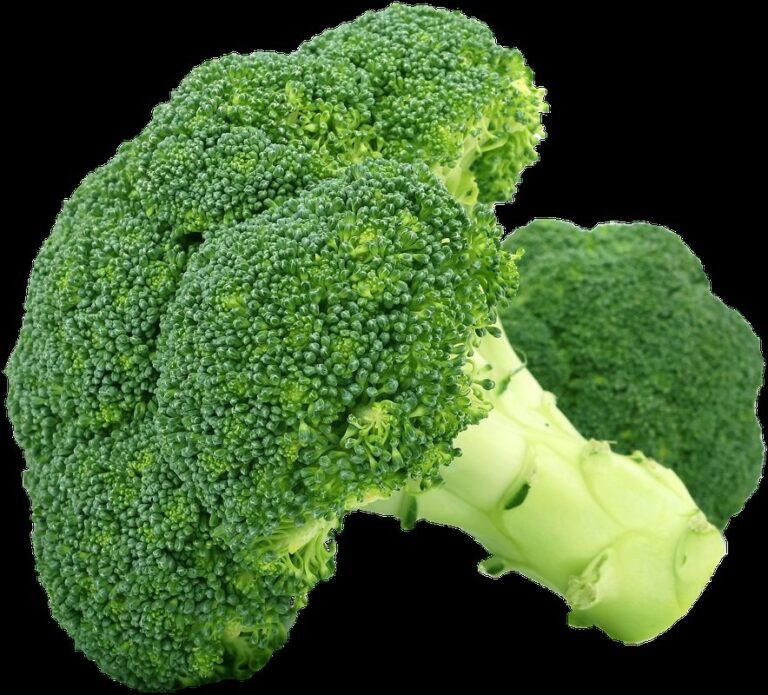
What is Calabrese Broccoli?
Calabrese broccoli is a lesser-known, yet incredibly nutritious and versatile variety of broccoli originating from Italy. Let’s take a closer look at its unique characteristics and what sets it apart from other types of broccoli.
Origins and History
Calabrese broccoli hails from the sun-kissed region of Calabria in southern Italy. Its unique flavor and texture are shaped by the Mediterranean climate and rich soil of its native land. This variety differs significantly from other broccoli types, such as Romanesco or sprouting broccoli, in both appearance and taste. While these alternatives have a more delicate, tender quality, calabrese broccoli boasts a robust, slightly bitter flavor and a denser, crunchier texture.
In Italian cuisine, calabrese broccoli has long been prized for its nutritional value and versatility. It’s a staple ingredient in traditional dishes like broccolini alla napoletana, where it’s sautéed with garlic, anchovies, and tomatoes to create a savory sauce. The variety’s adaptability also makes it an ideal addition to modern recipes, from hearty winter stews to light summer salads.
To fully appreciate the character of calabrese broccoli, try pairing it with ingredients that complement its bold flavor. A squeeze of fresh lemon juice or a sprinkle of red pepper flakes can enhance its natural sweetness and add depth to any dish. By embracing the unique qualities of this Italian heirloom, home cooks and chefs alike can unlock new possibilities in their culinary creations.
Key Characteristics
Calabrese broccoli boasts a distinctive flavor profile, often described as more robust and nutty compared to other varieties. The florets have a firmer texture, which holds up well to cooking methods like roasting or grilling. When cooked, the stalks retain some crunch, providing a satisfying contrast in texture.
One of the most striking features of calabrese broccoli is its vibrant purple-green hue. This coloration comes from a higher concentration of anthocyanins and other pigments responsible for the vegetable’s antioxidant properties. The unique color is not only visually appealing but also serves as an indicator of the crop’s superior nutritional value.
Compared to other broccoli types, calabrese stands out for its larger, denser florets and thicker stalks. This makes it ideal for hearty dishes where a more substantial texture is desired. When choosing calabrese broccoli at the market or in your garden, look for bunches with tight, compact buds and firm stems – these will yield the best results in cooking.
Nutritional Profile
Calabrese broccoli is a nutritional powerhouse, boasting an impressive array of vitamins, minerals, and antioxidants. One of its standout features is its exceptionally high vitamin C content, with a single serving providing up to 100% of the recommended daily intake. This makes it an excellent addition to immune-boosting diets.
Fiber is another key benefit of calabrese broccoli, with a generous helping containing around 5 grams of dietary fiber. This can help support healthy digestion and even promote satiety, making it a valuable tool in weight management efforts. Antioxidants are also abundant in calabrese broccoli, with studies suggesting that its high levels of flavonoids and carotenoids may have anti-inflammatory effects.
The combination of vitamin C, fiber, and antioxidants makes calabrese broccoli an excellent choice for those looking to support overall health and well-being. To reap the full benefits, aim to incorporate it into your diet in a variety of ways – steamed, roasted, or even raw in salads. When shopping for calabrese broccoli, look for bunches with tightly closed buds, as these will typically be fresher and have a longer shelf life.
Growing Calabrese Broccoli
To successfully grow calabrese broccoli, you’ll want to focus on providing it with well-draining soil and a cooler climate, ideal for this unique variety. These conditions will help your plant thrive and produce delicious florets.
Climate and Soil Requirements
Calabrese broccoli thrives in cool, temperate climates with moderate temperatures between 60°F and 70°F (15°C to 21°C). It’s essential to choose a location with full sun to partial shade, as this variety requires at least six hours of direct sunlight per day. When it comes to soil, calabrese broccoli prefers well-draining, fertile soil rich in organic matter. The ideal pH range is between 6.0 and 7.0.
To create an optimal environment, incorporate compost or well-rotted manure into the soil before planting. This will improve its structure and fertility. Avoid waterlogged soils, as calabrese broccoli is susceptible to root rot in such conditions. If your area experiences intense summer heat, consider providing shade for the plants during the hottest part of the day.
Some specific considerations for growing calabrese broccoli include:
• Soil with a high nitrogen content can lead to excessive vegetative growth and reduced florets.
• Calabrese broccoli prefers slightly acidic to neutral soil pH (avoid alkaline soils).
• Adequate moisture is crucial, especially during the head formation stage; ensure consistent watering.
By replicating these conditions, you’ll be well on your way to growing healthy, robust calabrese broccoli.
Sowing and Cultivation
When sowing calabrese broccoli seeds, it’s essential to maintain a spacing of about 18-24 inches between each plant. This allows for proper air circulation and prevents overcrowding, which can lead to disease susceptibility. Sow the seeds directly into the ground when the soil has warmed up to at least 60°F (15°C). You can also start them indoors 4-6 weeks before the last frost date in your area, then transplant them outside.
Water the seedlings regularly, keeping the soil consistently moist but not waterlogged. A general rule of thumb is to provide about 1 inch of water per week through rainfall or irrigation. As the plants mature, you can reduce watering to about 2-3 times a month.
Fertilize calabrese broccoli with a balanced fertilizer (10-10-10 NPK) once a month. You can also side-dress with a high-phosphorus fertilizer (10-20-10 NPK) at the beginning of flowering, which promotes healthy bud formation and growth. Mulching around the plants helps retain moisture, suppress weeds, and regulate soil temperature.
Common Pests and Diseases
Calabrese broccoli is susceptible to a range of pests and diseases that can affect its growth and quality. Whiteflies, aphids, and cabbage moths are common pests that feed on the plant’s sap, causing curled or distorted leaves and stunted growth. To prevent infestations, use row covers or fine mesh screens to keep these pests out.
Fungal diseases like powdery mildew and downy mildew can also occur, particularly in humid climates. These diseases manifest as white powder or cotton-like growths on the leaves or stems, causing defoliation and reducing yields. To prevent fungal diseases, ensure good air circulation around the plants, and avoid overhead watering.
In terms of treatment, neem oil or insecticidal soap can be used to control pests like aphids and whiteflies. For fungal diseases, copper-based fungicides are effective in controlling powdery mildew and downy mildew.
Some common indicators of pest or disease issues include yellowing or browning leaves, stunted growth, and an overall decline in plant vigor. Regularly inspect your plants for these signs and take action promptly to prevent further damage.
Preparing Calabrese Broccoli for Cooking
Before cooking calabrese broccoli, it’s essential to prepare it correctly to bring out its natural sweetness and crunch. This involves washing, trimming, and possibly blanching the florets to perfection.
Cleaning and Handling
To maintain calabrese broccoli’s texture and flavor, it’s essential to handle it carefully from the moment of harvest. Start by gently removing the florets from the main stalk, taking care not to damage the delicate buds. If some of the florets are particularly stubborn, you can use a gentle twisting motion to release them.
Next, trim the ends of the stalks at an angle, using a sharp knife or a vegetable peeler. This helps prevent moisture loss and promotes even cooking. You can also remove any tough or woody parts from the stalks if needed. For storage, keep calabrese broccoli in a cool, dry place, away from direct sunlight. Wrap the bunches in plastic bags or aluminum foil to maintain humidity and prevent spoilage.
To extend its shelf life, you can also store calabrese broccoli in the refrigerator. Place it in a sealed container or bag with some moisture-retentive material like paper towels or cloth. Check on the broccoli regularly to remove any spoiled or damaged florets, which can spread decay to the rest of the bunch.
Cooking Methods and Techniques
Calabrese broccoli can be cooked using a variety of methods to bring out its natural sweetness and retain its nutrients. Steaming is an excellent way to cook calabrese broccoli without losing its delicate flavor and texture. Simply place the broccoli in a steamer basket over boiling water, cover with a lid, and steam for 4-6 minutes or until tender.
Roasting calabrese broccoli in the oven brings out a rich, caramelized flavor that’s perfect for side dishes or as a topping for pasta or rice bowls. Cut the broccoli into florets and toss with olive oil, salt, and your choice of aromatics (such as garlic, lemon zest, or red pepper flakes) before roasting at 425°F (220°C) for 15-20 minutes.
Sautéing calabrese broccoli quickly over high heat is a great way to add it to stir-fries, pasta dishes, or as a topping for pizza. Use a wok or large skillet and cook the broccoli in batches with a small amount of oil until tender but still crisp. Don’t overcrowd the pan, as this can lead to steaming instead of sautéing.
In addition to these methods, you can also grill or pan-fry calabrese broccoli for added smoky flavor. When grilling, brush the broccoli with oil and season with salt, pepper, and any other desired spices before cooking over medium-high heat for 5-7 minutes per side.
Seasonal Variations and Pairings
Calabrese broccoli’s flavor profile changes subtly with the seasons. In the spring, it tends to be sweeter and milder, while summer broccoli is often more robust and slightly bitter. As temperatures drop in fall, the flavor shifts again, becoming earthier and nuttier. Winter broccoli, typically harvested during the colder months, has a stronger, more pungent taste.
To bring out its natural sweetness, pair spring calabrese broccoli with ingredients like cherry tomatoes, garlic, and lemon juice. In summer, balance its robust flavor with creamy sauces or cheeses, such as bechamel or ricotta. For fall harvests, try pairing it with warm spices like cinnamon and nutmeg, or earthy mushrooms like porcini.
When selecting seasonal pairings, consider the texture of your calabrese broccoli. In spring, delicate flavors and crunchy textures work well; in summer, heartier ingredients can complement its robust flavor. For fall and winter harvests, richer, more comforting combinations often enhance its natural taste. Some options to try: roasted squash in the fall, or hearty sausage in the winter.
When cooking with seasonal calabrese broccoli, experiment with different seasoning blends to find the perfect balance for your dish.
Calabrese Broccoli in Italian Cuisine
Let’s take a closer look at how calabrese broccoli is used in traditional Italian cooking, particularly in classic dishes that showcase its unique flavor and texture. From pasta sauces to roasted vegetable medleys, we’ll explore some authentic Italian recipes that feature this prized green as the star ingredient.
Traditional Recipes and Dishes
Calabrese broccoli is a staple ingredient in traditional Italian cuisine, particularly in the southern region of Calabria. In pasta dishes like ‘Broccolo alla Calabrese’, it’s typically sautéed with garlic, olive oil, and sometimes anchovies to create a rich and savory sauce. This classic recipe showcases the vegetable’s unique flavor profile and versatility.
Another traditional Italian dish that features calabrese broccoli is ‘Zuppa di Broccoli’, a hearty broccoli soup originating from Calabria. The soup is made by simmering the broccoli in a flavorful broth with vegetables, beans, and sometimes meat or pancetta. This comforting dish highlights the vegetable’s ability to add depth and nutrition to soups.
In addition to these dishes, calabrese broccoli is also used in stews like ‘Cacciatora’, where it’s combined with wild mushrooms, onions, and sometimes sausage or bacon. These traditional recipes demonstrate the importance of calabrese broccoli in Italian cuisine and its value as a nutritious and flavorful ingredient.
Modern Twists and Innovations
In modern Italian cuisine, calabrese broccoli is no longer just a side dish, but a versatile ingredient that adds depth and flavor to various dishes. Chefs are now experimenting with its slightly bitter taste by pairing it with sweet elements like caramelized onions or roasted garlic. For example, in some Northern Italian restaurants, you might find calabrese broccoli served as a topping for risotto, where the creamy texture of Arborio rice balances out the earthy flavor of the broccoli.
Other innovative uses include incorporating calabrese broccoli into pasta sauces, where its slightly bitter taste complements rich and meaty ragùs. Some creative chefs are also using it in place of traditional broccoli raab in classic Roman dishes like carbonara and amatriciana. When preparing modern twists on classic recipes, consider the following: balance out strong flavors with sweetness or acidity, experiment with different cooking methods to enhance texture, and don’t be afraid to combine calabrese broccoli with other ingredients that complement its unique flavor profile.
Health Benefits of Calabrese Broccoli
Calabrese broccoli is not just a flavorful addition to your favorite dishes, but it also offers numerous health benefits that you can enjoy. Let’s take a closer look at how this superfood can boost your well-being.
Antioxidant Properties and Anti-Inflammatory Effects
Calabrese broccoli is rich in antioxidants, including vitamins C and E, as well as polyphenols like kaempferol and quercetin. These compounds have been shown to neutralize free radicals, which can damage cells and contribute to chronic diseases. The antioxidant properties of calabrese broccoli may help protect against cardiovascular disease by reducing inflammation and improving blood lipid profiles.
In addition to its antioxidant effects, calabrese broccoli contains anti-inflammatory compounds that may help prevent cancer. For example, the isothiocyanates present in this variety of broccoli have been shown to inhibit the growth of breast, colon, and prostate cancer cells. These compounds may also support immune system function by stimulating the activity of natural killer cells.
The combination of antioxidants and anti-inflammatories in calabrese broccoli makes it a valuable addition to a healthy diet. To maximize its benefits, consume calabrese broccoli steamed or roasted, as high heat can damage these delicate compounds. Consider adding it to soups, salads, or pasta dishes for an extra boost of nutrition.
Digestive Health and Fiber Content
Calabrese broccoli is a rich source of dietary fiber, containing both soluble and insoluble fiber. The soluble fiber in calabrese broccoli can help slow down digestion, keeping you fuller for longer and regulating blood sugar levels. On the other hand, the insoluble fiber acts as a natural scrubber in the digestive system, promoting regular bowel movements and preventing constipation.
A high-fiber diet is essential for maintaining optimal digestive health, and calabrese broccoli is an excellent addition to such a diet. The recommended daily intake of dietary fiber varies from 21 grams for women to 30 grams for men, but most people fall short of this target. By incorporating calabrese broccoli into your meals, you can help bridge this gap.
Some ways to increase the fiber content in your meals include steaming or roasting calabrese broccoli with minimal added oils and seasonings, or using it as a base for salads and soups. When choosing high-fiber foods like calabrese broccoli, remember that they may require more water intake to help with digestion. Aim for at least eight glasses of water per day to ensure optimal nutrient absorption and digestive comfort.
Calabrese Broccoli vs. Other Broccoli Varieties
Calabrese broccoli stands out from its counterparts due to its unique flavor and texture, but how does it compare to other popular broccoli varieties in terms of taste and versatility? Let’s take a closer look at some key differences.
Comparison of Nutritional Value and Taste
Calabrese broccoli boasts a higher vitamin C content than Romanesco, with a single serving providing up to 150% of the recommended daily intake. In contrast, Green Sprouting broccoli contains less vitamin C but more fiber than Calabrese. When it comes to taste, Calabrese is often described as having a sweeter and nuttier flavor profile compared to its counterparts.
Compared to Romanesco’s distinctive, frilly appearance, Calabrese has a more compact head with a deeper green color. This visual distinction also translates to differences in texture: while Romanesco can be slightly crunchy, Calabrese is typically firmer and more robust. Green Sprouting broccoli, on the other hand, tends to have a milder flavor and softer texture.
In terms of nutritional value, all three varieties are rich in vitamins K and C, but Calabrese contains slightly higher amounts of potassium and folate. When choosing between these options for your recipes, consider the unique characteristics of each variety: if you want a sweeter broccoli with a firmer texture, opt for Calabrese; if you prefer a milder flavor and softer texture, choose Green Sprouting or Romanesco.
Choosing the Right Variety for Your Needs
When selecting a broccoli variety, consider your flavor preferences. Some broccoli varieties are bred for their sweet, mild taste, while others have a stronger, more bitter flavor. Calabrese broccoli falls into the latter category, with a robust, earthy taste that’s often described as “broccoli at its most intense.” If you prefer milder flavors, you may want to explore other options like Sprouting or Romanesco broccoli.
Consider your cooking methods and techniques when choosing a variety. For example, if you plan to steam or sauté your broccoli, a more delicate variety like Sprouting might be a better choice. However, if you’re roasting or grilling, the heartier Calabrese can hold its own against high heat.
Lastly, think about your dietary requirements. Do you need gluten-free, organic, or non-GMO options? Some broccoli varieties are specifically labeled as meeting these criteria, while others may not be suitable for certain diets. Look for certifications like USDA Organic or Non-GMO Project Verified to ensure the variety you choose meets your needs.
Conclusion and Final Thoughts
As we’ve explored the incredible benefits of Calabrese broccoli, it’s time to summarize our key takeaways and reflect on how you can incorporate this superfood into your daily routine seamlessly.
Recap of Key Takeaways
Calabrese broccoli stands out for its unique combination of nutritional value and culinary versatility. It boasts a higher vitamin C content than other broccoli varieties, as well as a more robust floret structure that makes it ideal for roasting or grilling. This variety is also notable for its ability to thrive in cooler temperatures, making it an excellent choice for spring or fall harvests.
In terms of cooking techniques, calabrese broccoli can be prepared in a variety of ways to bring out its natural sweetness. Try steaming it with garlic and lemon for a simple yet flavorful side dish, or use it as the base for a hearty winter stew. When selecting calabrese broccoli at the market, look for firm, compact florets with a vibrant green color.
Ultimately, what sets calabrese broccoli apart is its ability to add depth and variety to both traditional Italian dishes and modern recipes alike. Whether you’re a seasoned chef or an adventurous home cook, experimenting with this unique ingredient can help unlock new flavors and textures in your cooking repertoire. By incorporating calabrese broccoli into your meals, you’ll not only enjoy the benefits of increased nutrition but also add a touch of authenticity to your culinary creations.
Encouragement to Experiment and Explore
Now that you’ve gained a deeper understanding of calabrese broccoli’s unique characteristics, nutritional profile, and culinary uses, it’s time to unlock its full potential. Don’t be afraid to experiment with new recipes and techniques – after all, the best discoveries often arise from trying something new.
Start by exploring different cooking methods: roast calabrese broccoli to bring out its natural sweetness, sauté it with garlic and lemon for a burst of citrus flavor, or blanch it for a tender crunch. You can also experiment with various seasonings and spices to create unique flavor profiles.
Consider the Italian tradition of pairing calabrese broccoli with rich meats like porchetta or lamb shanks – but don’t be afraid to push boundaries and pair it with lighter options like grilled chicken or pan-seared salmon. And remember, the beauty of cooking lies in its flexibility: try combining calabrese broccoli with other vegetables, herbs, or grains to create innovative dishes that showcase its versatility.
As you experiment with calabrese broccoli, pay attention to how its flavor and texture change depending on the recipe and ingredients used. Take note of what works well together and what doesn’t – this will help you refine your technique and develop new ideas for using this incredible vegetable in the kitchen.
Frequently Asked Questions
Can I grow calabrese broccoli indoors year-round?
Yes, with proper lighting and temperature control, you can grow calabrese broccoli indoors year-round. This is especially useful for gardeners in areas with short growing seasons or limited outdoor space. Make sure to provide at least 12-14 hours of direct light per day and maintain a consistent temperature between 60-70°F (15-21°C).
How do I know if my calabrese broccoli has been affected by pests or diseases?
Regularly inspect your plants for signs of infestation, such as holes in the leaves or stalks, or powdery mildew on the florets. Check the soil for signs of root rot or fungal growth. If you notice any issues, take prompt action to prevent the problem from spreading.
What’s the best way to store calabrese broccoli after harvesting?
To preserve its texture and flavor, store calabrese broccoli in a cool, dry place with good air circulation. Remove any excess moisture by gently patting the florets with paper towels. You can also store it in the refrigerator for up to 5 days.
Can I use calabrese broccoli in smoothies or juices?
Yes, you can use calabrese broccoli as a nutritious addition to smoothies and juices. Simply add the florets or stalks to your blender along with other ingredients like fruits, vegetables, and healthy fats. This is a great way to boost the nutritional content of your favorite beverages.
How does the flavor profile of calabrese broccoli change throughout the seasons?
The flavor profile of calabrese broccoli can vary depending on the season. During the spring and summer months, it tends to be sweeter and milder in flavor. In the fall and winter months, it develops a slightly bitter and earthier taste due to the increased concentration of antioxidants and other compounds.
