
Calendula flowers have been a staple in traditional medicine for centuries, with their vibrant orange and yellow petals holding secrets to unlocking better skin health and mental wellbeing. You may be familiar with calendula’s gentle, soothing properties, but its history and uses are far more extensive than you might think. From ancient Egypt to modern-day skincare routines, calendula has been prized for its ability to calm irritated skin, reduce inflammation, and even ease symptoms of anxiety and depression. But what makes this humble flower so special? In this article, we’ll delve into the fascinating world of calendula flowers, exploring their history, benefits, and uses in traditional medicine, skincare, and beyond. By the end of it, you’ll know how to harness the magic of calendula for yourself, using its powerful properties to promote radiant skin, calm your mind, and nurture your overall wellbeing.
What are Calendula Flowers?
Calendula flowers, also known as pot marigold, have been used for centuries in herbal medicine and natural remedies. Let’s take a closer look at their unique characteristics and origins.
Botanical Description and Classification
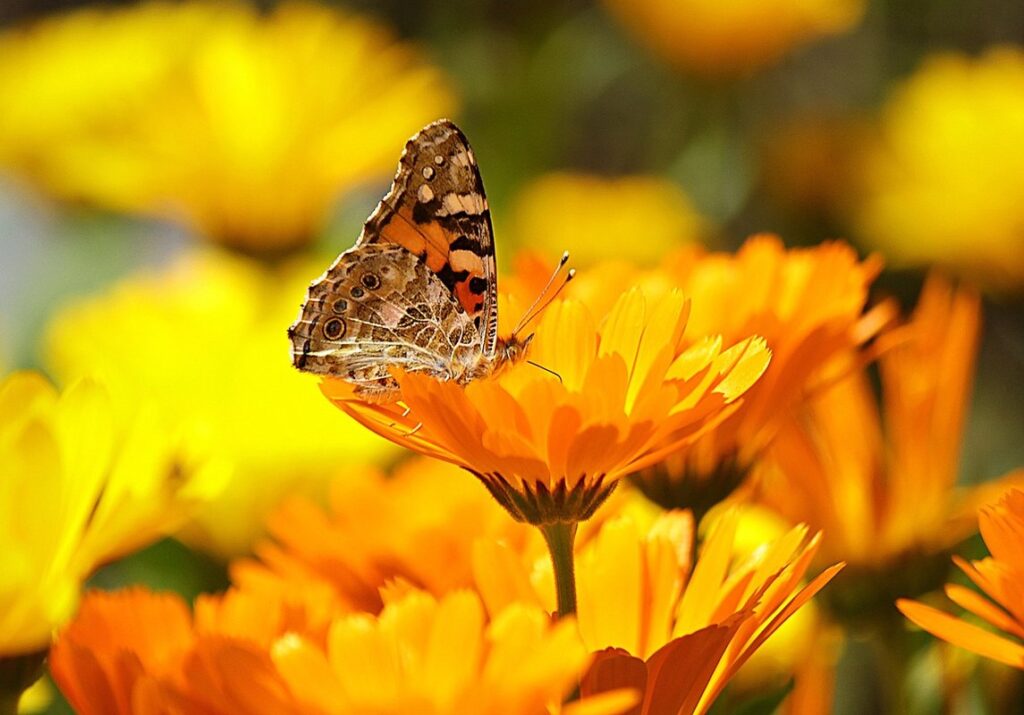
Calendula flowers are easily recognizable by their bright yellow and orange petals, often arranged in a spiral pattern around a dark center. These delicate blooms typically reach 1-2 inches in diameter and grow on slender stems that can range from 6 to 24 inches tall. The plant’s growth habit is characterized by a sprawling tendency, with stems branching out and roots forming quickly.
The calendula flower’s physical characteristics are quite distinct from other Asteraceae family members, such as sunflowers or daisies. One notable difference lies in the petals’ delicate texture and coloration – while many related species have thicker, more rigid petals, calendula flowers boast soft, velvety petals that add to their charm.
In addition to its physical characteristics, calendula’s growth habits are also worth noting. The plant thrives in areas with full sun to partial shade and well-drained soil. It is relatively low-maintenance and can tolerate a range of temperatures, making it an attractive choice for gardeners looking to cultivate this beneficial flower.
History of Use in Traditional Medicine
Calendula flowers have been a cornerstone of traditional medicine for centuries, with roots stretching back to ancient China, India, and Europe. In traditional Chinese medicine, calendula is classified as a “cooling” herb, used to reduce inflammation and soothe skin irritations. Ayurvedic practitioners in India employ calendula to calm digestive issues and promote wound healing.
In European folk remedies, calendula has been used for its antiseptic properties to treat wounds, cuts, and burns. Infusions of dried calendula flowers are often added to bathwater or applied topically to reduce fever and ease menstrual cramps. Herbalists in the Middle Ages prized calendula for its ability to promote tissue repair and prevent scarring.
One notable example of calendula’s historical use comes from medieval Europe, where it was used to treat eye infections and conjunctivitis. Calendula’s antimicrobial properties made it an effective treatment for skin conditions such as eczema and acne. By incorporating calendula into traditional medicine practices, practitioners were able to harness its potent healing abilities to promote overall health and well-being.
Benefits of Calendula for Skin Health
Calendula flowers are a treasure trove of skin-loving goodness, and we’re excited to share the top benefits they offer for glowing, healthy-looking skin. From soothing irritations to promoting collagen production, these natural wonders have got you covered!
Anti-Inflammatory Properties and Wound Healing
Calendula’s anti-inflammatory properties have been extensively studied, revealing a wealth of scientific evidence supporting its use in wound healing and skin health. One key compound responsible for these effects is triterpenoid saponins, which have been shown to inhibit the production of pro-inflammatory enzymes. This means that when calendula is applied topically, it can reduce inflammation and promote a more rapid recovery.
Research has demonstrated that calendula’s anti-inflammatory properties accelerate wound healing by increasing collagen synthesis, improving tissue strength, and enhancing the migration of fibroblasts – cells essential for wound repair. In one study, a calendula-based cream was shown to significantly improve wound closure rates compared to a control group. Furthermore, its ability to reduce inflammation can also alleviate skin conditions such as eczema, acne, and rosacea.
To harness calendula’s anti-inflammatory benefits, you can use it in various forms – from topical creams and ointments to infused oils and herbal teas. When using calendula for wound healing, make sure to clean the area thoroughly before application, and reapply regularly to ensure optimal results. By incorporating calendula into your skincare routine or using it as a natural remedy, you can tap into its potent anti-inflammatory properties and promote healthier, more resilient skin.
Antimicrobial Activity and Acne Treatment
Calendula’s antimicrobial properties are rooted in its ability to inhibit the growth of bacteria, fungi, and viruses. This is attributed to the presence of triterpenoid esters, particularly calendulol and iso-calendulol, which have been shown to disrupt microbial cell membranes and prevent protein synthesis. As a result, calendula extracts exhibit potent antibacterial activity against a range of pathogens, including Staphylococcus aureus and Escherichia coli.
In the context of acne treatment, calendula’s antimicrobial properties are particularly relevant. Acne is often caused by bacterial overgrowth on the skin, leading to inflammation and lesions. Calendula extracts have been used in clinical trials to treat mild to moderate acne, with notable success rates. A study published in the Journal of Cosmetic Dermatology found that a 3% calendula cream reduced acne severity by 45% after six weeks.
Expert opinions concur on the efficacy of calendula for acne treatment. “Calendula’s antimicrobial properties make it an excellent natural remedy for acne-prone skin,” says Dr. [Name], a dermatologist specializing in herbal medicine. While results may vary, incorporating calendula into your skincare routine can be a valuable addition to existing treatments. To harness calendula’s benefits, look for products containing high-quality, organic extracts or try making your own calendula-infused oil at home.
Calendula Uses in Skincare and Cosmetics
Calendula flowers have been a staple in natural skincare routines for centuries, prized for their anti-inflammatory and antimicrobial properties. Let’s explore some of the amazing ways to incorporate calendula into your beauty routine.
Natural Sunscreen and Moisturizer Properties
Calendula flowers possess natural sunscreen properties that offer protection against UV radiation. The plant’s triterpenoid saponins and flavonoids have been shown to exhibit a broad-spectrum absorbance of UVA and UVB rays, making it an effective component in sunscreens. In fact, calendula extract has been found to inhibit the DNA damage caused by UV radiation, which can lead to skin cancer.
As a moisturizing agent, calendula is renowned for its emollient properties, helping to soothe and hydrate dry, irritated skin. Its anti-inflammatory compounds reduce redness and itching, while its humectant properties retain moisture, leaving skin feeling soft and supple. Modern skincare products often incorporate calendula extracts to harness these benefits.
Some popular skincare products featuring calendula include creams, serums, and lip balms. When selecting a product containing calendula, look for concentrations of at least 10% extract to maximize its sun-protective and moisturizing effects. Additionally, consider combining topical applications with internal use, such as consuming calendula tea or supplements, to enhance overall skin health. This synergistic approach may help to achieve optimal benefits from the plant’s natural properties.
Face Masks, Creams, and Oils: Creative Applications
Calendula can be incorporated into a variety of homemade face masks to address specific skin concerns. For example, a calendula and honey mask is beneficial for soothing dry, irritated skin, while a calendula and oatmeal mask can help calm redness and inflammation. To make a simple calendula face mask, mix 2 tablespoons of dried calendula flowers with 1 tablespoon of honey and apply to the skin for 10-15 minutes before rinsing.
Calendula creams can be used as a natural moisturizer or as an ingredient in skincare products to enhance their effectiveness. A calendula-infused cream can provide long-lasting hydration, while also helping to reduce fine lines and wrinkles. To make a calendula cream, steep dried calendula flowers in a carrier oil like coconut or jojoba oil for 2-3 weeks before straining and mixing with beeswax and essential oils.
Calendula oils can be used as a treatment for acne-prone skin, as well as to reduce the appearance of scars. To make a calendula oil, combine dried calendula flowers with a carrier oil in a ratio of 1:5 and let it infuse for 2-3 weeks before straining and using on the skin.
Calendula’s Impact on Mental Health and Wellbeing
Calendula has long been used to soothe the mind and body, offering a natural respite from stress and anxiety. In this section, we’ll explore its specific benefits for mental health and wellbeing.
Anxiety-Reducing Effects and Aromatherapy
Calendula has been used for centuries to promote relaxation and reduce anxiety. Its calming effects can be attributed to its composition of sesquiterpenes, which have a sedative effect on the nervous system. When used in aromatherapy, calendula essential oil can help alleviate stress and anxiety by promoting feelings of calmness and tranquility.
To use calendula for anxiety relief through aromatherapy, you can add a few drops to your diffuser or inhale it directly from a cloth or handkerchief. The calming scent of calendula can also be incorporated into herbal remedies such as teas and tinctures. A popular recipe involves mixing dried calendula flowers with other herbs like chamomile and lavender to create a soothing tea.
When preparing herbal remedies, it’s essential to note that the quality of the calendula flowers matters. Look for high-quality, organic sources to ensure the best results. Additionally, consider combining calendula with other anxiety-reducing herbs like passionflower or kava. By incorporating calendula into your self-care routine, you can harness its natural anxiety-relieving properties and promote a sense of calm in your daily life.
Mood-Boosting Properties and Herbal Teas
Calendula’s mood-enhancing properties make it an excellent addition to herbal teas and other calming preparations. Studies have shown that calendula contains apigenin, a flavonoid with potent anti-anxiety effects. This compound interacts with GABA receptors in the brain, promoting relaxation and reducing stress.
To harness calendula’s mood-boosting properties, you can infuse dried calendula flowers in hot water to create a soothing tea. Typically, 1 teaspoon of dried flowers is steeped for 5-7 minutes in boiling water. This gentle brew has been used traditionally to calm nervous exhaustion, insomnia, and anxiety.
You can also combine calendula with other herbs like chamomile or lavender to enhance its calming effects. For example, a calming tea blend might consist of equal parts dried calendula flowers, chamomile flowers, and lemon balm leaves. This blend is suitable for sipping before bed or during periods of high stress.
When choosing a herbal tea, look for products that specify the use of pure calendula flowers, without additives or fillers. To get the most out of your calendula tea, try to drink it in a quiet, relaxing environment, focusing on deep breaths and letting go of tension.
Growing Calendula: Tips for Gardeners
Growing calendula requires attention to its unique needs, such as well-draining soil and full sun exposure. By following these tips, you’ll be able to coax vibrant blooms from your calendula plants.
Climate Considerations and Soil Preparation
To cultivate calendula successfully, you’ll want to choose a location with full sun and well-draining soil. This flower thrives in temperatures between 65°F and 75°F (18°C and 24°C), making it ideal for USDA zones 3-9. If your area experiences frost, plant calendula in the spring after the last frost date or in the fall, about eight weeks before the first frost.
When selecting a soil type, look for a mix that’s loose and rich in organic matter. Calendula prefers a slightly acidic to neutral pH (6.0-7.0), which can be achieved by adding compost or well-rotted manure to your soil. Avoid planting calendula in areas with standing water or where water tends to collect, as this can lead to root rot.
Companion planting is another crucial aspect of growing calendula. Planting marigolds, basil, or nasturtiums nearby can help deter pests and attract beneficial insects. However, avoid planting calendula near members of the Brassica family (broccoli, cauliflower, kale) as they may compete for space and nutrients.
Some essential tips to keep in mind: Calendula seeds are tiny, so sow them on the surface and press gently into the soil. Water carefully, avoiding overwatering, which can lead to fungal diseases.
Harvesting and Drying Methods
When calendula flowers are ready to harvest, they typically have three fully opened petals. This stage is crucial for optimal oil content and color preservation. To check for readiness, gently grasp a stem between your thumb and index finger and bend it back towards the center of the plant. If the flower falls off easily, it’s ready.
Harvest calendula flowers in the morning after the dew has evaporated but before the heat of the day. This helps prevent moisture from accumulating on the petals, which can lead to mold or spoilage. Cut the stems at a 45-degree angle just above a leaf node using scissors or pruning shears. Remove any excess foliage and rinse the flowers gently with cool water.
For drying, you can use air drying, desiccant packets, or a dehydrator. Air-drying is the simplest method: tie the stems together in small bunches and hang them upside down in a warm, dry, dark place with good airflow. It may take 1-2 weeks for the flowers to fully dry. Desiccant packets can speed up the process but be cautious not to over-dry the petals.
Once dried, store calendula flowers in airtight containers to preserve their potency and color.
Preparing Calendula Infusions and Remedies
To create effective calendula infusions and remedies, you’ll need to know how to properly prepare these natural wonders for use in skincare, wound care, and beyond.
To get started, we’ll walk through the simple steps of creating a basic calendula infusion, and then explore some creative ways to adapt this base recipe into various remedies.
Herbal Tea Recipes and Preparation Tips
When preparing calendula tea infusions, it’s essential to use high-quality dried flowers to maximize their medicinal properties. You can make a simple calendula tea by steeping 1-2 teaspoons of dried flowers in boiling water for 5-7 minutes. Strain the mixture and enjoy as is or add honey to taste.
For an anti-inflammatory calendula tea, combine dried flowers with peppermint leaves or ginger root. This blend can help soothe digestive issues and reduce inflammation. To make a calendula and chamomile tea, steep equal parts of both herbs in boiling water for 5-7 minutes.
To ensure the best flavor and medicinal benefits, use fresh, organic calendula flowers whenever possible. Dried flowers can be purchased from reputable herbal suppliers or harvested from your own garden after proper drying methods have been followed. When storing dried calendula flowers, keep them in airtight containers to preserve their potency.
Some key tips for preparing calendula tea infusions include:
- Using the right water temperature: boiling water can damage some of the delicate compounds found in calendula.
- Steeping time: 5-7 minutes is ideal for releasing the herb’s medicinal properties.
- Combining with other herbs: experimenting with blends can enhance the flavor and benefits of your tea.
Tincture and Oil Extraction Methods
Creating calendula tinctures and oils is a straightforward process that allows you to harness the flower’s potency for various herbal medicine and aromatherapy applications. To make a calendula tincture, you’ll need dried calendula flowers, a solvent like vodka or glycerin, and a clean glass jar with a lid. Combine one part calendula flowers with two parts solvent in the jar, seal it tightly, and let it steep for 2-6 weeks in a cool, dark place.
Shake the mixture daily to help the solvent extract the plant’s properties. After the steeping period, strain the liquid through a cheesecloth or coffee filter into another container, discarding the solids. Store the tincture in a dark glass bottle with a dropper lid.
To create calendula oil, you can use either a cold-press method or solvent extraction. Cold-press calendula oil involves infusing dried flowers in a carrier oil like coconut or olive oil for several weeks, shaking daily to facilitate extraction. Solvent extraction uses a chemical solvent to extract the plant’s properties, which is then removed through distillation and decantation.
Frequently Asked Questions
Can I Use Calendula Flowers Internally for Anxiety Relief?
Yes, calendula flowers can be used internally to help alleviate anxiety, but it’s essential to consult with a healthcare professional before doing so. The key is to prepare the flowers as an herbal tea or infusion and consume them in moderation.
Calendula contains flavonoids and terpenes that have been shown to interact with the body’s natural stress response systems, promoting relaxation and reducing anxiety symptoms. However, it’s crucial to note that individual results may vary, and more research is needed to fully understand calendula’s internal effects on anxiety.
What Are Some Common Challenges When Growing Calendula in My Region?
When growing calendula in regions with high temperatures or intense sunlight, it’s common for the flowers to bolt (go to seed) quickly. This can be mitigated by providing partial shade and ensuring the soil is well-draining. Additionally, calendula prefers cooler temperatures between 60-70°F (15-21°C), so avoiding extreme heat or cold fluctuations will help promote healthy growth.
How Do I Know If My Calendula Infusions Are Effective for Skin Issues?
To determine if your calendula infusions are effective for skin issues, pay attention to changes in inflammation, redness, and overall skin health. Look for signs of improved wound healing, reduced acne severity, or enhanced skin elasticity. Keep a journal or log to track your progress, noting the frequency and duration of use.
Can I Use Calendula Oils as a Substitute for Commercial Skincare Products?
While calendula oils can be a wonderful addition to your skincare routine, they may not provide the same level of protection as commercial products specifically designed for sun protection. If you plan to use calendula oil as a sunscreen substitute, ensure you’re using high-quality, pure extracts and follow proper application guidelines.
What Are Some Creative Ways to Incorporate Calendula into My Skincare Routine?
Incorporate calendula into your skincare routine by making homemade face masks, creams, or oils. You can also add dried calendula flowers to your bath water for a relaxing soak or use calendula-infused oil as a carrier oil for essential oils. Experiment with different recipes and techniques to find what works best for your skin type and needs.

