
Canning is often associated with preserving juicy fruits and vegetables, but did you know that dry foods like legumes, grains, and nuts can also be safely canned? This method allows for a longer shelf life and easier storage than traditional airtight containers. By learning the art of canning dry foods, you’ll not only extend the freshness of your pantry staples but also enjoy a range of benefits, including reduced waste and increased self-sufficiency. In this guide, we’ll cover the essential equipment and techniques for successful dry food canning, as well as crucial safety precautions to ensure that your preserved goods are both delicious and safe to eat. By the end of this comprehensive article, you’ll be equipped with the knowledge to confidently can dry foods at home, enjoying a more sustainable and convenient approach to preserving your favorite ingredients.
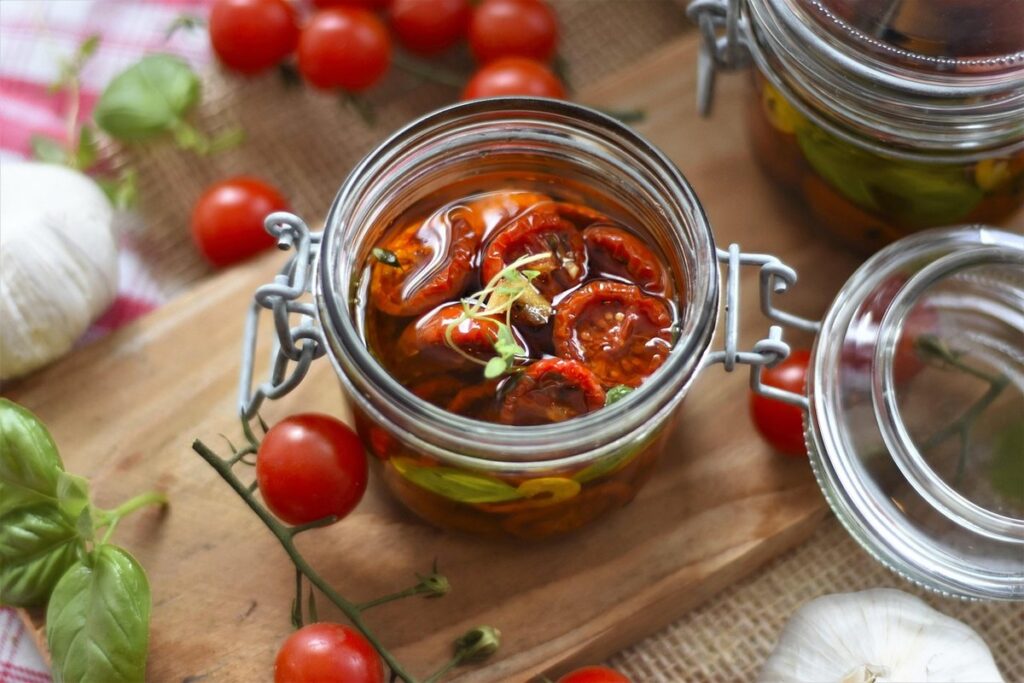
Understanding the Basics of Canning Dry Foods
Canning dry foods requires a basic understanding of food preservation, safety guidelines, and equipment usage to ensure your canned goods are healthy and edible. We’ll start by covering the fundamental principles that underlie this process.
History and Evolution of Canning
Canning dates back to the early 19th century when French chef Nicolas Appert developed a method for preserving food in glass jars. This technique involved heating the food to kill bacteria, then sealing it in an airtight container. Appert’s innovation led to the widespread adoption of canning as a means of food preservation.
Over time, new technologies and techniques emerged to improve the canning process. The development of tin cans in the mid-19th century replaced glass jars, making canned goods more accessible and affordable. In the early 20th century, the invention of retorts enabled faster and more efficient processing times.
The evolution of canning also led to the development of specialized techniques for canning dry foods. One such method involves rehydrating dried ingredients before canning, which helps maintain their nutritional value. Another approach is to use a combination of heat and pressure to ensure that the food is properly sterilized.
Today, canners have access to a range of modern tools and equipment designed specifically for processing dry foods. These include specialized canners with built-in thermostats and pressure gauges, which help ensure accurate temperature control and safe processing times.
Benefits of Canning Dry Foods
Canning dry foods offers numerous benefits, making it a valuable skill for anyone looking to preserve and enjoy their favorite ingredients year-round. One of the primary advantages is food preservation – by canning dry foods, you can keep them fresh for extended periods without refrigeration. This is especially useful for those who live in areas with limited access to fresh produce or want to stockpile supplies for emergency situations.
Convenience is another significant benefit of canning dry foods. Preparing and cooking meals from scratch using canned ingredients can be faster than relying on pre-packaged or processed alternatives. Moreover, canned dry foods are often lightweight and compact, making them ideal for backpacking, camping, or other outdoor activities where space and weight are limited.
Canning dry foods is also cost-effective in the long run. By purchasing ingredients in bulk and canning them yourself, you can save money on store-bought products that may have added preservatives, flavorings, or other unwanted ingredients. However, it’s essential to follow proper canning techniques to ensure safety and quality – a topic we’ll cover later in this guide. Properly canned dry foods are a reliable source of nutrition, but improper methods can lead to spoilage, contamination, or even foodborne illness.
Preparing Dry Foods for Canning
Before you start canning dry foods, it’s essential to properly prepare them by sorting, cleaning, and potentially rehydrating ingredients to ensure they’re safe and ready for processing. This step is crucial for achieving shelf-stable results.
Selection and Preparation of Ingredients
When selecting ingredients for canning dry foods, it’s essential to consider their moisture content. Canned goods must have a low enough water activity (Aw) to prevent spoilage and ensure safety. Ingredients with high moisture levels, such as fresh herbs or uncooked grains, are not suitable for canning in their raw state.
On the other hand, ingredients like legumes, nuts, and seeds typically have low moisture content and can be canned successfully. However, even these ingredients may require rehydrating to achieve optimal texture and flavor. Consider soaking beans or lentils before canning to reduce cooking time and break down their natural compounds.
Acidity levels are another crucial factor when selecting ingredients for canning. Foods high in acidity, like tomatoes or citrus fruits, help create a acidic environment that inhibits bacterial growth. For example, adding a splash of lemon juice to your canning mixture can enhance the flavor while ensuring a safe pH level.
When preparing ingredients, aim for even drying and chopping or grinding to facilitate uniform cooking. A food mill or spice grinder can be useful in this process. Avoid over-processing, as it can create heat and damage the ingredient’s natural texture.
Rehydrating and Soaking Techniques
Rehydrating and soaking are essential steps in preparing dry foods for canning. Different types of food require varying techniques to rehydrate properly. Grains, such as rice and quinoa, typically require a ratio of 1:2 water to grain. For example, to rehydrate one cup of uncooked rice, you’ll need two cups of water.
Legumes like beans and lentils usually need more extensive soaking time. A general rule is to soak them for at least eight hours or overnight. To speed up the process, you can also use a pressure cooker or an Instant Pot. For instance, kidney beans typically require 10-15 minutes of cooking after soaking, while black beans take around 20-25 minutes.
Other dry foods like mushrooms and seaweed often rehydrate quickly in hot water. You can simply submerge them in boiling water for a few minutes to achieve the desired consistency. Always check the specific instructions on the packaging or consult reliable sources for precise guidance on rehydrating your chosen ingredients.
Equipment and Supplies Needed for Canning Dry Foods
To can dry foods safely, you’ll need a few essential pieces of equipment and some specialized supplies to ensure your jars are properly sterilized and sealed.
These include a large pot for boiling water, a pressure canner, and other tools that will help you get started with preserving dry goods.
Choosing the Right Equipment
When it comes to canning dry foods, having the right equipment is crucial for achieving safe and successful results. The most common types of equipment used for canning dry foods are pressure canners and water bath canners. Pressure canners, such as those from All-American or Presto, are ideal for high-acid foods like beans, grains, and starchy vegetables. Water bath canners, on the other hand, are suitable for low-acid foods like meats, poultry, and fish.
In addition to these primary pieces of equipment, a dehydrator is also essential for drying out ingredients before canning. Models from Excalibur or LEM are popular options among home canners. It’s also important to note that regular maintenance and cleaning of your equipment are vital to prevent bacterial growth and contamination. Regularly check the seals on your pressure canner, replace worn-out parts as needed, and thoroughly clean all equipment after each use.
Some key things to look for when selecting a pressure canner include a durable construction, a reliable gauge, and a secure lid lock. When it comes to water bath canners, consider models with adjustable rack systems and easy-to-clean designs. By choosing the right equipment and maintaining it properly, you’ll be well on your way to successfully canning dry foods.
Essential Supplies and Accessories
When it comes to canning dry foods, having the right equipment and supplies is crucial for success. To get started, you’ll need a few essential items: jars, lids, rings, and utensils.
Start with a good quality jar that’s specifically designed for canning. Look for jars made from heat-resistant glass or ceramic materials. You’ll also need matching lids and rings to create a tight seal. It’s best to purchase these in bulk to ensure you have enough on hand for future projects.
In addition to jars, lids, and rings, you’ll also need some basic utensils such as a canning funnel, ladle, and tongs. These will help you easily transfer dry foods into the jars and remove any air pockets.
When selecting your equipment and supplies, consider the size of your operation and the types of dry foods you plan to preserve. A good rule of thumb is to have at least 12-16 jars on hand to start with. This will give you a solid foundation for experimenting with different recipes and techniques. Remember to always follow proper canning procedures and guidelines to ensure safe and successful results.
Canning Techniques and Procedures
To successfully can dry foods, it’s essential to understand the specific techniques and procedures involved in preserving these types of goods. This includes learning about sterilization methods, temperature control, and more.
Basic Canning Process
To begin the basic canning process, you’ll need to prepare your equipment and supplies. Sterilize your jars, lids, and utensils by submerging them in boiling water for 10-15 minutes. Next, prepare your dry food mixture according to the recipe’s instructions. This may involve rehydrating or soaking ingredients.
Load the prepared dry food into the clean, sterilized jars, leaving about 1 inch of headspace at the top. Use a utensil to remove any air bubbles and ensure the food is evenly distributed. Wipe the rim with a clean cloth to remove any excess food particles, then apply the sterilized lid and band.
Place the sealed jars into the canner or boiling water bath, making sure they’re covered by at least 1 inch of water. Process for 10-30 minutes, depending on the altitude and type of dry food being canned. The processing time will vary, so consult a reliable resource like the USDA’s Complete Guide to Home Canning for specific guidelines.
After processing, remove the jars from the canner and let them cool undisturbed for 12-24 hours. This allows the lids to seal properly and prevents any potential spoilage issues.
Specialized Canning Methods
Vacuum packing is a specialized canning method for dry foods that involves removing air from a container to prevent spoilage and extend shelf life. This technique is ideal for dry ingredients like herbs, spices, and coffee beans, which are highly susceptible to oxidation and moisture absorption. To vacuum pack dry foods, you’ll need a vacuum sealer machine and suitable containers with tight-fitting lids.
Freeze-drying, also known as lyophilization, involves freezing the food and then removing the water content through a process of vacuum pressure and heat. This method is often used for high-moisture ingredients like fruits and vegetables that have been dried to a low moisture level. Freeze-dried foods are lightweight, shelf-stable, and retain their nutrients.
Sous vide canning uses sealed pouches or bags filled with dry food and then cooked in a water bath at a precise temperature. This method allows for even heat distribution and prevents overcooking, which is critical when preserving delicate ingredients like spices and herbs. Sous vide canning requires a sous vide machine and specialized containers.
All three methods offer advantages for specific types of dry foods, but they also require specialized equipment and attention to detail to ensure proper execution.
Safety Precautions and Considerations
To ensure a safe canning experience, it’s essential to understand potential hazards associated with dry food preservation, including proper storage and handling techniques. We’ll cover these crucial considerations next.
Understanding Botulism Risks
Botulism is a serious concern for home canners. It’s caused by Clostridium botulinum bacteria, which produces a toxin that can be deadly if ingested. The risk of botulism in canned dry foods is relatively low, but it’s still crucial to understand the symptoms and causes.
Symptoms of botulism can include muscle weakness, drooping eyelids, difficulty swallowing, and shortness of breath. If left untreated, botulism can lead to respiratory failure and even death. The most common cause of botulism in canned foods is inadequate heat processing or spoilage before canning.
Preventing botulism requires attention to detail during the canning process. Always follow tested recipes and use a pressure canner for low-acid foods like beans, meats, and poultry. Never rely on the acidity of ingredients alone; instead, ensure that your recipe includes enough acid (such as lemon juice or vinegar) to inhibit bacterial growth.
When working with canned goods, always check them regularly for signs of spoilage, including swelling, leaks, or mold. If you notice any of these issues, discard the cans immediately and do not attempt to reuse or reprocess them. By understanding botulism risks and taking preventive measures, you can enjoy a safe and successful canning experience. Regularly review and update your canning techniques to stay informed about best practices.
Best Practices for Canning Dry Foods Safely
When canning dry foods, it’s essential to follow best practices for safety. Sterilization procedures are critical to preventing contamination and spoilage. Start by washing your equipment thoroughly with soap and hot water before each use. Next, sterilize the jars, lids, and utensils in a pot of boiling water for 10-15 minutes.
Temperature control is another crucial aspect of safe canning. Ensure that your canner reaches a minimum temperature of 212°F (100°C) to kill off bacteria and other microorganisms. Monitor the temperature closely, as it can fluctuate depending on factors like altitude and atmospheric pressure.
Proper labeling guidelines are also vital for tracking the contents and ensuring safe consumption. Be sure to label each jar with the date, ingredient list, and any relevant storage instructions. This will help you keep track of how long the canned goods have been stored and whether they’re still safe to eat.
When storing your canned dry foods, keep them in a cool, dark place, such as a pantry or cupboard. Avoid direct sunlight, moisture, and extreme temperatures, which can affect the quality and safety of the food. By following these best practices, you’ll be able to enjoy your home-canned dry foods with confidence.
Troubleshooting Common Issues
We’ve all been there: a batch of canned goods doesn’t turn out as expected. This section addresses common issues that can arise during the dry food canning process and offers practical solutions to get you back on track.
Identifying and Addressing Common Problems
Spoilage is a common issue when canning dry foods. It can be caused by inadequate preparation of ingredients, incorrect water bath temperatures, or contaminated equipment. Off-flavors and unpleasant textures are also problems that may arise during the canning process.
To identify spoilage, look for signs such as mold, slimy texture, or an off smell in the jars before opening them. If you notice any of these symptoms, discard the jar immediately.
Some common causes of off-flavors include using low-quality ingredients, not following a tested recipe, or allowing food to sit at room temperature too long during the cooling process. Equipment malfunctions can also contribute to spoilage, such as faulty pressure regulators or worn-out seals on lids.
To prevent these problems, it’s essential to follow tested recipes and guidelines for canning dry foods. Regularly clean and sanitize your equipment, and ensure that all ingredients are stored properly before use. If you do encounter a problem, take note of the steps leading up to the issue and adjust your process accordingly. This will help you troubleshoot and resolve similar problems in the future.
Some common signs of contamination include jars that don’t seal properly or lids that become discolored during processing. Regularly inspecting your equipment and supplies can also prevent issues.
Avoiding Contamination and Cross-Contamination
When handling dry foods for canning, it’s essential to maintain a clean environment to prevent contamination. Start by washing your hands thoroughly before and after handling ingredients. Ensure all utensils, equipment, and work surfaces are sanitized regularly with a solution of water and bleach.
Proper storage is also crucial in preventing cross-contamination. Store dry foods in airtight containers, away from direct sunlight and heat sources. Keep them separate from raw meats, poultry, and seafood to avoid cross-contamination. When rehydrating or soaking ingredients, use clean equipment and sanitize the area afterwards to prevent bacterial growth.
Sanitation practices should be followed throughout the canning process. Regularly clean your canner, jars, lids, and rings with a mixture of water and baking soda. Rinse thoroughly to remove any residue before proceeding with the canning process. When transporting or storing canned goods, keep them away from extreme temperatures and moisture.
To minimize the risk of contamination, always follow safe canning procedures. Use a clean canner and ensure all equipment is sanitized before use. Regularly inspect your equipment for signs of wear and tear, and replace any worn-out parts to prevent bacterial growth. By implementing these practices, you can significantly reduce the risk of contamination and enjoy delicious, safely canned dry foods.
Frequently Asked Questions
Can I use my pressure canner for both wet and dry foods?
Yes, with proper cleaning and sterilization, you can use your pressure canner for both wet and dry foods. However, be sure to follow the manufacturer’s guidelines for cleaning and maintenance to prevent cross-contamination.
How do I know if my canned dry food is spoiled or not?
Check for any visible signs of spoilage, such as mold, slime, or an off smell. Also, inspect the seal for any cracks or damage. If you notice any issues, discard the can immediately.
Can I store canned dry foods at room temperature or do they need to be refrigerated?
Canned dry foods can be stored at room temperature, but it’s essential to keep them in a cool, dark place and away from direct sunlight. Avoid storing them near heat sources, such as radiators or ovens.
How long does it take for canned dry food to become shelf-stable?
The time it takes for canned dry food to become shelf-stable depends on various factors, including the type of food, storage conditions, and canning techniques used. Generally, it’s recommended to store canned dry foods in a cool, dark place for at least 6-12 months before consumption.
Can I use a water bath canner for high-acid dry foods like beans or grains?
No, water bath canners are not suitable for high-acid dry foods like beans or grains. These types of food require pressure canning to ensure safe and effective preservation.

