
Peach trees are a delight to have in any garden, but their growth and yield can be unpredictable. One way to ensure a bountiful harvest is by using companion plants that work in harmony with your peach tree. These plants can improve soil health, attract beneficial insects, and reduce pests – all of which are crucial for healthy plant growth. For instance, planting marigolds near the base of your peach tree can help deter nematodes, while basil and mint can repel aphids and other pests that target peaches. In this article, we’ll explore some of the best companion plants to use alongside your peach trees, how they benefit your trees, and provide tips on caring for these beneficial plants. By the end of this post, you’ll know exactly which companion plants to choose and how to care for them to boost your peach tree’s growth and yield.
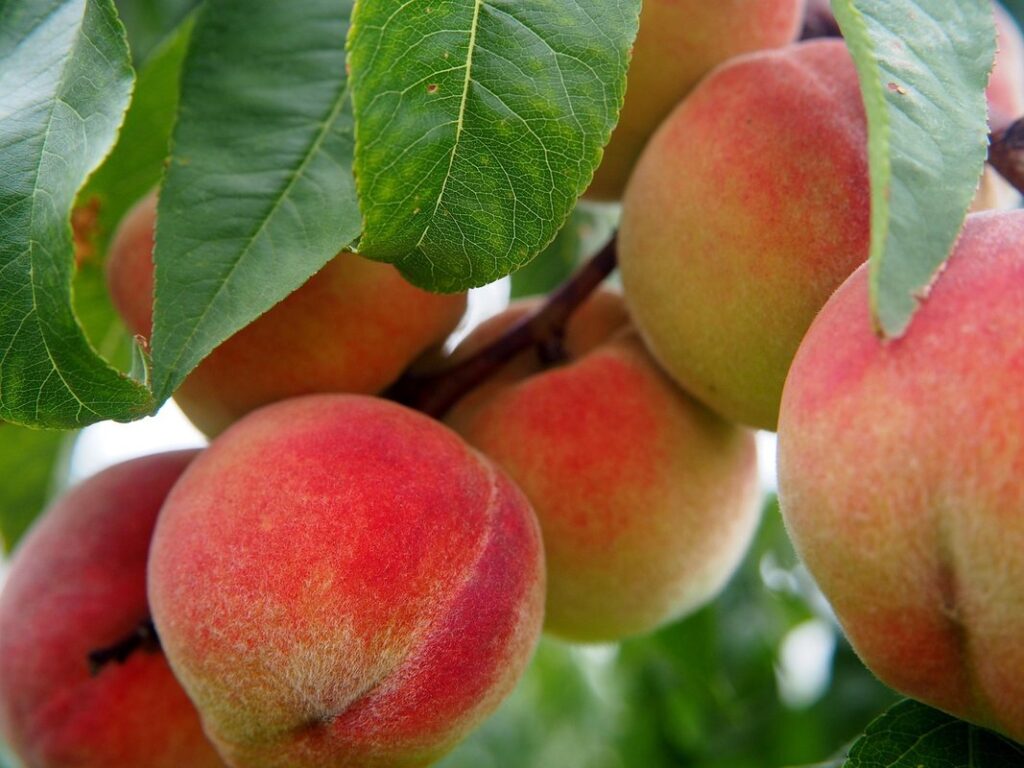
Benefits of Companion Planting for Peach Trees
Companion planting can significantly enhance the health and productivity of your peach trees, but what benefits should you expect from these helpful plants? By choosing the right companions, you can boost growth and yields.
Improving Soil Health
Companion plants can contribute to improved soil fertility by adding organic matter through their roots. For example, comfrey is known for its deep taproots that bring up nutrients from the subsoil and deposit them on the surface as fertilizer. Planting comfrey near peach trees can help enrich the soil with essential nutrients.
Certain companion plants also aid in soil structure improvement. Marigolds, with their long roots, help to break up compacted soil, allowing for better drainage and aeration. This is particularly beneficial for peach trees grown in heavy clay soils or areas prone to waterlogging.
Some companion plants can even stimulate the production of beneficial microorganisms in the soil. For instance, nasturtiums release chemicals that inhibit the growth of pathogenic fungi, promoting a balance between beneficial and detrimental microorganisms in the soil ecosystem. By incorporating these types of companion plants into your peach tree garden, you can create a healthier environment for your trees to thrive.
When choosing companion plants for improving soil health, consider those with deep roots or extensive root systems that can draw up nutrients from deeper layers of soil.
Attracting Beneficial Insects
Certain beneficial insects, such as lacewings and ladybugs, feed on pests like aphids and whiteflies that can harm peach trees. Companion plants like marigolds, nasturtiums, and calendula are known to attract these beneficial insects, reducing the need for pesticides. Marigolds, in particular, repel nematodes and attract beneficial insects with their strong scent.
When choosing companion plants to attract beneficial insects, consider plants that bloom at different times to provide a constant source of nectar and pollen. This will ensure a steady supply of food for beneficial insects throughout the growing season. For example, marigolds bloom in the spring, while calendula blooms in the summer, providing a continuous source of nectar.
Here are some companion plants known to attract beneficial insects:
- Marigold: repels nematodes and attracts lacewings and ladybugs
- Nasturtiums: attracts aphid-eating hoverflies and other beneficial insects
- Calendula: attracts beneficial insects with its strong scent and provides a source of nectar and pollen
Choosing Companion Plants for Peach Trees
When selecting companion plants for your peach trees, it’s essential to choose species that complement their growth habits and requirements, such as nitrogen fixation or pest control. This section explores some beneficial options to consider.
Considerations for Climate and Soil Type
When selecting companion plants, consider the climate and soil type of your orchard to ensure compatibility and optimal growth. In areas with high heat and dryness, choose drought-tolerant companions like creeping thyme or oregano that require minimal watering. These plants will help retain moisture in the soil and reduce evaporation around the peach trees.
In regions with cooler temperatures and well-draining soils, consider adding companion plants like comfrey or clover that can fix nitrogen and improve soil fertility. For example, comfrey has a deep taproot that allows it to access nutrients deeper in the soil, making them available to nearby peach trees.
On the other hand, avoid planting heavy feeders like lettuce or spinach near peach trees in nutrient-poor soils, as they will compete for limited resources and potentially weaken the peach tree. Instead, opt for companion plants with similar growing requirements that can thrive in your specific climate and soil conditions. This will ensure a balanced ecosystem where all plants work together to promote healthy growth and maximum yield.
Selecting Plants with Similar Growing Requirements
When selecting companion plants for your peach trees, it’s essential to choose varieties with similar growing requirements. This means considering factors such as light, water, and nutrient needs. By doing so, you’ll simplify maintenance and create a more harmonious garden ecosystem.
Start by assessing the specific needs of your peach tree variety. Different types of peaches require varying levels of sunlight, watering, and fertilization. For example, some peach varieties are more drought-tolerant than others, while some may require more frequent watering.
When selecting companion plants, look for species that share similar light requirements. If you have a peach tree that thrives in full sun (six hours or more of direct sunlight), choose companion plants like rosemary or thyme that also prefer full sun. On the other hand, if your peach tree prefers partial shade, opt for plants like nasturtiums or calendula that tolerate dappled light.
In addition to light requirements, consider water needs when selecting companion plants. Some plants are more drought-tolerant than others and can survive with minimal watering. For example, marigolds and basil require relatively little water compared to other flowers and herbs. By choosing companion plants with similar growing requirements, you’ll create a balanced and thriving garden environment.
Companion Plant Options for Peach Trees
When it comes to companion plants, some are better suited than others to enhance the growth and flavor of your peach trees. Let’s explore some popular options to consider.
Herbs: Basil, Rosemary, and Thyme
Basil repels aphids and whiteflies, which can spread diseases like powdery mildew to peach trees. Planting basil around the base of a young peach tree can also improve soil health by attracting beneficial insects that help break down organic matter.
Rosemary, on the other hand, has natural antifungal properties that make it effective against root rot and leaf spot diseases common in peach trees. Its strong scent also repels cabbage moths and carrot flies, which may occasionally infest nearby plants. When planted near a mature peach tree, rosemary can help create a microclimate that’s less hospitable to disease-causing pathogens.
Thyme is another herb that can benefit from being planted alongside peach trees. It has been shown to repel nematodes, microscopic worms that feed on plant roots and can weaken the tree over time. Thyme also attracts pollinators like bees and butterflies, which are essential for fruit set in peach trees. Planting thyme near a peach tree’s drip line can help create a diverse ecosystem where beneficial insects thrive.
Incorporating these herbs into your companion planting strategy can have a significant impact on the health and productivity of your peach tree.
Flowers: Nasturtiums, Marigolds, and Calendula
Flowers like nasturtiums, marigolds, and calendula play a vital role in attracting beneficial insects and improving soil health around peach trees. Nasturtiums, for instance, release chemicals that repel aphids and whiteflies, which can be detrimental to peach trees. These flowers also attract beneficial insects like lacewings and hoverflies, which prey on these pests.
Marigolds, with their strong scent, repel nematodes, microscopic worms that can harm peach tree roots. They also attract beneficial insects like bees and butterflies, which pollinate the peach blossoms. Calendula, known for its bright orange flowers, attracts predatory wasps and mason bees, which help control pests.
When planting these flowers around your peach trees, consider their growing requirements. Nasturtiums prefer well-drained soil and full sun, while marigolds can thrive in poor soil and tolerate some shade. Calendula prefers full sun and well-drained soil. By incorporating these flowers into your companion plantings, you can create a balanced ecosystem that supports the health and growth of your peach trees.
Incorporate at least three plants per variety to maximize their benefits. Plant them around the base of the peach tree or intersperse them among the trees for optimal results.
Companion Planting Techniques for Peach Trees
When it comes to companion planting, some plants are better suited than others to provide beneficial effects on peach trees. We’ll explore a few of these effective pairing options in more detail below.
Intercropping: Planting Companion Plants Among Peach Trees
Intercropping companion plants among peach trees involves planting multiple species together in a single area. This technique can be beneficial for peach tree growth and yield, as it promotes biodiversity and encourages beneficial insect activity. However, intercropping also requires careful planning to ensure that companion plants don’t compete with the peach trees for resources such as water and nutrients.
To successfully intercrop companion plants among peach trees, consider the mature size of each plant species and leave sufficient space between them. A general rule is to allocate at least 1-2 square feet per companion plant, depending on its growth habit. For example, sprawling nasturtiums can be planted close to the peach tree trunk, while taller marigolds should be placed further away.
When selecting companion plants for intercropping, be mindful of potential conflicts between species. Some plants may attract pests that could harm the peach trees, or compete with them for resources. For instance, if you plant basil near a peach tree, it may attract aphids that can spread disease to the tree. By choosing compatible companion plants and carefully planning their layout, you can reap the benefits of intercropping while minimizing potential drawbacks.
Border Planting: Surrounding Peach Trees with Companion Plants
Border planting companion plants around peach trees can enhance both aesthetics and pest control. Aesthetically, a border of low-growing herbs like thyme or rosemary can create a beautiful, fragrant hedge that frames the tree. This not only adds visual interest but also helps to deter pests that might target the peach tree. For example, thyme repels whiteflies, which can spread disease to peach trees.
When selecting plants for your border, consider those with similar growing requirements to your peach tree. This ensures that both the companion plant and the peach tree receive sufficient sunlight, water, and nutrients. Some good options include marigolds and nasturtiums, which repel nematodes and aphids, respectively. These flowers can also attract beneficial insects like bees and butterflies.
To create a successful border planting, start by choosing plants that are compact or trailing to save space around the tree. Plant them about 6-12 inches away from the peach tree’s trunk to allow for proper air circulation and easy maintenance. Also, keep in mind that some companion plants may require more frequent watering than others, so make sure to water accordingly.
Companion Plant Care for Peach Trees
When it comes to growing peach trees, choosing the right companion plants can be just as important as providing optimal care. Let’s take a look at how to properly care for these beneficial companions.
Watering and Fertilization Needs
When it comes to watering companion plants around peach trees, you’ll want to water them as needed based on weather conditions and soil type. Keep in mind that most companion plants prefer well-draining soil and can be susceptible to root rot if the soil is too wet. For example, nasturtiums and calendula can thrive with minimal watering, while marigolds and basil may require more frequent watering.
As for fertilization, a balanced fertilizer (10-10-10 NPK) applied at planting time will suffice for most companion plants. However, if you notice any nutrient deficiencies, you can side-dress with a nitrogen-rich fertilizer to promote healthy growth. For instance, rosemary and thyme benefit from regular pruning, which also promotes root development and encourages the plant to produce new growth.
Some companion plants may have specific fertilization needs, so be sure to research their requirements before planting. Generally, it’s best to avoid over-fertilizing, as this can lead to an overabundance of nutrients in the soil, potentially harming peach trees. Instead, focus on providing a balanced fertilizer and ensuring adequate water supply to support healthy growth and optimal benefits for your peach trees.
Pruning and Maintenance Requirements
When companion plants are pruned and maintained properly, they can thrive alongside peach trees without competing for resources. Pruning requirements vary depending on the type of plant, but most companion plants benefit from regular pruning to control their size and encourage bushy growth.
For example, basil can become leggy if not pinched back regularly, which can lead to reduced leaf production and flavor. Regular pruning also helps prevent pest and disease issues in herbs like rosemary and thyme. Flowers like nasturtiums, marigolds, and calendula benefit from deadheading to promote continuous blooming.
Maintenance requirements for companion plants include ensuring they receive the necessary nutrients through balanced fertilization. Over-fertilizing can lead to excessive growth, which may compete with peach trees for water and nutrients. Mulching around the base of companion plants helps retain moisture, suppress weeds, and regulate soil temperature.
Some key considerations when pruning and maintaining companion plants:
- Pinch back leggy stems in herbs like basil and rosemary
- Deadhead flowers regularly to promote continuous blooming
- Fertilize with balanced fertilizer to avoid over-fertilizing
- Mulch around the base of plants to retain moisture and suppress weeds
Common Companion Plant Combinations for Peach Trees
For optimal growth and yield, pairing peach trees with complementary plants is a simple yet effective strategy that can bring numerous benefits. Let’s take a closer look at some popular companion plant combinations.
Examples from Experienced Gardeners
Experienced gardeners have discovered various successful companion plant combinations that promote peach tree growth and yield. In warm climates, many growers pair peach trees with basil to repel pests like aphids and whiteflies. For instance, a gardener in California planted a row of basil alongside her peach trees and reported a significant reduction in pest damage.
In regions with cooler summers, gardeners often combine peach trees with comfrey or clover to improve soil fertility. Comfrey’s deep taproots bring up nutrients from the subsoil, making them available to the peach tree. A gardener in Oregon planted comfrey around the base of her peach trees and noted an increase in fruit size and quality.
Some gardeners also experiment with flowering companion plants like marigolds and nasturtiums. These flowers attract beneficial insects that prey on pests that target peach trees, reducing the need for pesticides. In a Texas garden, marigold and nasturtium plants were planted around the base of peach trees to repel nematodes and other soil-dwelling pests.
When selecting companion plants for your peach tree, consider their mature size and growth habits to avoid overcrowding. For example, if you’re planting comfrey or clover, leave enough space between rows for easy access and air circulation. By choosing the right combination of plants, you can create a thriving ecosystem that supports your peach tree’s growth and yields.
Some key benefits of these companion plant combinations include:
• Reduced pest pressure through natural repellents
• Improved soil fertility through nutrient cycling
• Increased beneficial insect populations
• Enhanced overall ecosystem health
By learning from experienced gardeners and adapting their methods to your specific climate and conditions, you can create a more resilient and productive peach tree orchard.
Frequently Asked Questions
Can I use companion plants with grafted peach trees?
Yes, because the grafting process is usually done at a young age and doesn’t affect the compatibility of the tree with companion plants. Choose companion plants that have similar growing requirements as the rootstock or scion.
How long does it take for companion plants to start showing benefits for my peach trees?
It may take several months for the beneficial effects of companion planting to become apparent, as companion plants need time to establish themselves and attract beneficial insects. Be patient and observe your orchard’s changes over a growing season.
Can I use companion plants in containers near my peach tree if I have limited space?
Yes, using container gardens can be an excellent way to utilize small spaces while still benefiting from companion planting. Choose compact varieties of companion plants that thrive in containers and ensure they receive the right amount of light and water.
What happens if I notice pests or diseases on my companion plants? Should I remove them entirely?
No, don’t immediately remove the affected plant. Instead, prune or remove only the infected parts to prevent the issue from spreading. Make sure to monitor your orchard closely for any signs of disease or pest infestations and take action promptly to protect both your peach trees and companion plants.
How can I determine which companion plants are most beneficial for my specific climate and soil type?
Research local nurseries, gardening communities, or online forums for advice on companion planting in your area. Observe the performance of different companion plants in your orchard and take note of their impact on your peach trees’ growth and yield over time.
