
As a farmer, you’re constantly looking for ways to optimize your operations and minimize waste while staying compliant with regulations. One crucial aspect often overlooked is manure spreading rates – how much manure is spread on each field at one time. Choosing the right rate can make all the difference in maintaining soil health, preventing water pollution, and maximizing crop yields. However, what if you could tailor this process to your specific farm’s needs? Customized manure spreading rates take into account factors such as soil type, climate, and crop requirements to ensure precise application. By adopting this approach, you can not only reduce waste but also adhere to local regulations and best management practices while promoting environmental sustainability. In this article, you’ll learn how custom manure spreading rates can boost your farm’s productivity and efficiency.
Understanding Manure Spreaders and Application Methods
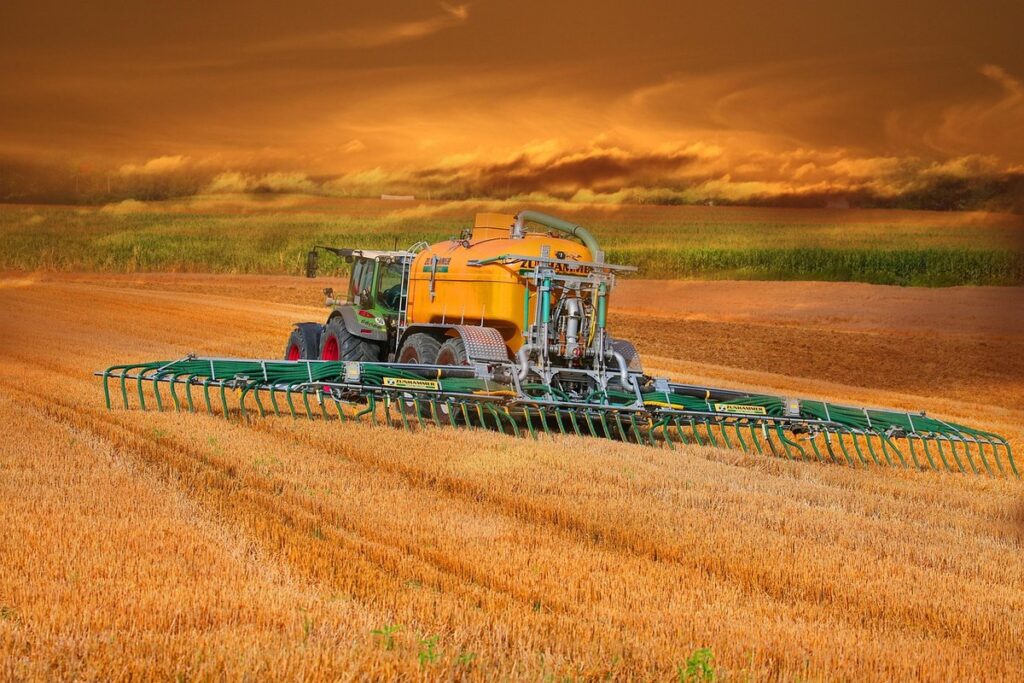
To effectively manage custom manure spreading rates, it’s essential to understand how different types of spreaders apply nutrients to crops and soil. Let’s take a closer look at the various machines used for this process.
Types of Manure Spreaders
Manure spreaders come in various types, each designed to suit specific farm operations and terrain. The most common types are the trailing shoe, drag hose, spinner, and broom spreader.
The trailing shoe manure spreader is ideal for small to medium-sized farms with flat or gently sloping land. It features a rotating drum that dispenses manure as it moves behind the tractor. This type is efficient for spreading uniform amounts of manure but can be less effective on uneven terrain.
Drag hose spreaders are often used in conjunction with trailing shoe units and are better suited for larger farms with diverse terrain. They consist of a rubber or plastic hose attached to the rear of the trailer, which disperses manure as it moves behind the tractor.
Spinner spreaders use a centrifugal force to throw manure away from the tractor, making them suitable for areas with limited access or steep slopes. Broom spreaders, on the other hand, utilize a rotating brush to distribute manure evenly across the field.
Understanding the limitations and advantages of each type can help farmers choose the most effective manure spreader for their specific needs.
Factors Influencing Manure Spread Rate
Soil type is a critical factor influencing manure spread rate. Different soils have varying levels of porosity, permeability, and water-holding capacity, which affect how nutrients are absorbed and utilized by crops. For example, clay soils tend to retain moisture and nutrients more effectively than sandy soils, allowing for slower application rates. Conversely, sandy soils may require faster application rates to prevent nutrient leaching.
Crop requirements also play a significant role in determining optimal manure spread rate. Legumes like soybeans and alfalfa have different nitrogen needs compared to grains like corn and wheat. These crops may require more frequent or targeted applications of manure to meet their specific nutritional demands.
Climate conditions, including temperature, precipitation, and wind patterns, also impact manure spread rates. Drought-prone areas may benefit from faster application rates to replenish moisture levels in the soil. Conversely, regions with high rainfall may require slower application rates to prevent over-saturation of soils and subsequent nutrient loss through runoff or leaching.
To balance these factors effectively, consider using a combination of on-farm monitoring and off-season planning to determine optimal manure spread rates for your specific operation. This approach will help minimize waste, reduce environmental impact, and promote more sustainable crop production practices.
Determining Optimal Manure Spreading Rates for Different Crops
To get the most out of your custom manure spreading, it’s crucial to determine the right application rates for each crop on your farm. This involves considering factors like soil type and nutrient requirements.
Calculating Manure Application Rates for Corn
When calculating ideal manure application rates for corn production, you must consider the nutrient uptake requirements of the crop. Corn is a high-phosphorus demand crop and requires adequate nitrogen and potassium to achieve optimal yields. To determine the correct application rate, start by estimating the amount of nutrients needed based on soil test results and crop yield goals.
A general rule of thumb is to apply 1-2 tons per acre of manure with a phosphorus content of at least 20% to meet corn’s high demand for this nutrient. However, it’s essential to consider other factors such as soil type, pH, and previous fertilizer applications when determining the application rate.
A bulleted list can help break down these considerations:
- Soil test results: Determine the current levels of phosphorus, potassium, and nitrogen in the soil.
- Crop yield goals: Estimate the expected corn yields based on historical data or crop modeling software.
- Manure nutrient content: Analyze the manure’s pH, phosphorus, potassium, and nitrogen levels to ensure they meet corn’s requirements.
- Soil type and pH: Adjust application rates based on soil texture, organic matter content, and pH level.
By considering these factors and adjusting the application rate accordingly, you can optimize manure use for corn production while minimizing environmental impact.
Optimizing Manure Spread Rates for Soybeans and Other Legumes
Soybeans and other legume crops have unique nutrient requirements compared to other crops. Legumes are nitrogen-fixing plants, meaning they can convert atmospheric nitrogen into a form usable by the plant. However, this process also means they require less external nitrogen fertilizer application, as some of the applied manure’s nitrogen will be used for their own needs rather than the crop.
A common mistake is to apply the same manure spread rate for soybeans that’s used for corn or other non-legume crops. This can lead to over-application and wasted resources. To optimize manure spread rates for legumes, consider the following:
- Apply 10-20% less nitrogen-rich manure to avoid excessive nitrogen loading
- Increase phosphorus application by 5-10% as legumes require more phosphorus for root development
- Maintain or slightly increase potassium levels as needed, but be cautious not to over-fertilize
Some farmers use a “soybean-specific” spread rate of about 2,500-3,000 pounds per acre of total solids. This is typically achieved by applying 1-2 inches of manure at the recommended rate and then adjusting based on soil test results. Keep in mind that these rates are general guidelines; it’s essential to consult with a soil expert or crop advisor to determine the best approach for your specific operation.
Environmental Considerations and Regulatory Compliance
To ensure a harmonious balance between farm productivity and environmental sustainability, we’ll examine key considerations for minimizing waste and meeting regulatory requirements. This includes understanding relevant laws and best management practices.
Managing Nutrient Pollution through Proper Spreading Practices
Proper manure spreading practices play a crucial role in preventing water pollution and maintaining soil health. When nutrients from excess manure are not absorbed by crops, they can leach into nearby waterways, causing eutrophication and depleting oxygen levels. This can have devastating effects on aquatic ecosystems and human communities that rely on these waters for drinking, fishing, or recreation.
To mitigate nutrient pollution, farmers must carefully manage their spreading practices. One key strategy is to match application rates to crop demands. For example, a study in the Midwest found that applying too much nitrogen-rich manure to corn fields can lead to excessive nitrate leaching into nearby waterways. In contrast, optimizing manure spread rates for soybeans and other legumes can reduce nutrient runoff by up to 30%.
Farmers can also implement conservation tillage or no-till practices to minimize soil disturbance and promote nutrient retention. Additionally, incorporating cover crops and crop rotation strategies can help replenish soil nutrients and improve overall ecosystem health. By adopting these best management practices (BMPs), farmers can reduce their environmental footprint while maintaining productive soils and promoting sustainable agriculture.
Adhering to Local Regulations and Best Management Practices (BMPs)
Manure application rates must comply with federal, state, and local regulations to prevent water pollution and protect public health. These laws vary widely depending on location, but most require farmers to implement Best Management Practices (BMPs) that minimize nutrient runoff.
The Environmental Protection Agency (EPA) sets national standards for manure management under the Clean Water Act, while state agencies like the U.S. Department of Agriculture’s Natural Resources Conservation Service (NRCS) provide guidance on implementing BMPs. Local regulations, such as county ordinances or city zoning laws, may also apply.
To comply with these regulations, farmers should first identify relevant federal, state, and local regulations that govern manure application rates in their area. They can then develop a plan to implement BMPs, which might include:
- Installing buffer strips or vegetated areas around fields
- Using cover crops to reduce erosion
- Implementing nutrient management plans to optimize fertilizer use
- Regularly inspecting and maintaining equipment to prevent over-application
By following these steps, farmers can ensure compliance with regulations while also protecting the environment.
Impact of Custom Manure Spreading Rates on Farm Productivity
Custom manure spreading rates can greatly impact farm productivity, and understanding their effects is crucial for optimizing crop yields and reducing waste. We’ll explore how these rates influence soil fertility and plant growth in this section.
Measuring the Effectiveness of Customized Application Methods
To measure the effectiveness of customized manure spreading rates, farmers can track key performance indicators (KPIs) such as crop yield increases, nutrient utilization efficiency, and waste reduction. A significant increase in corn yields, for instance, could be directly attributed to optimized manure application rates. Regular soil sampling and testing can help determine the actual nutrient uptake by crops, ensuring that excess nutrients are minimized.
Farmers should also monitor application equipment performance, including spreader settings and manure flow rates. This data can be used to fine-tune customized application methods for specific crop types and soil conditions. For example, adjusting spreader settings for different soil textures or topographies can prevent over-application of nutrients in certain areas.
A simple yet effective method is to establish a baseline measurement before implementing customized manure spreading rates. This baseline will serve as a reference point to measure progress and make adjustments as needed. Regular review and analysis of KPIs and equipment performance data will enable farmers to refine their application methods, ultimately optimizing farm productivity while reducing environmental impact.
Economic Benefits of Optimizing Manure Spread Rates
Optimizing manure spread rates can lead to significant cost savings for farmers. By applying the right amount of nutrients at the optimal time, farmers can reduce waste and minimize over-application, which can be costly. A study on dairy farms found that implementing optimized manure spreading practices resulted in a 12% decrease in nutrient application costs.
Increased revenue potential is another economic benefit of adopting optimized manure spread rates. When manure is applied correctly, it not only provides essential nutrients to crops but also improves soil health, leading to higher yields and better crop quality. This can result in increased market value for farmers’ produce. For example, a corn farmer who optimizes their manure spreading rate may see a 5% increase in corn yields, translating to additional revenue.
To maximize these economic benefits, farmers should regularly monitor and adjust their manure spread rates based on soil type, crop requirements, and weather conditions. This requires accurate data collection and analysis to inform decision-making. By investing time and resources into optimizing manure spreading practices, farmers can reap long-term financial rewards while also promoting environmental sustainability.
Advanced Techniques for Precision Manure Spreading
To achieve optimal results, precision manure spreading requires a deeper understanding of advanced techniques such as variable rate application and grid sampling. These methods enable accurate adjustments to spread rates on different soil types and crop conditions.
Implementing GPS-Guided Manure Application Systems
Integrating GPS technology into manure spreading operations enables farmers to achieve improved accuracy and efficiency. The process involves several key steps. First, a GPS receiver is installed on the manure spreader, allowing it to track its location in real-time. This data is then used to create customized application maps that account for factors such as soil type, crop requirements, and nutrient levels.
These maps are typically created using specialized software that takes into consideration the specific needs of each field. The resulting application rates can be adjusted in real-time based on changes in terrain, moisture levels, or other environmental conditions. This level of precision reduces waste and ensures optimal fertilizer distribution, minimizing the risk of over- or under-application.
To implement a GPS-guided manure application system, farmers should consider several factors, including:
- Compatibility with existing equipment
- Training requirements for operators
- Cost-benefit analysis compared to traditional methods
- Integration with other precision agriculture tools
By investing in a GPS-guided manure application system, farmers can optimize their custom manure spreading rates and maintain high levels of farm productivity while minimizing environmental impact.
Using Yield Monitors and Data Analytics to Inform Customized Application Rates
Yield monitors and data analytics can be powerful tools for optimizing manure spread rates. By integrating real-time yield monitoring with data analytics, farmers can gain a deeper understanding of their fields’ productivity and make informed decisions about application rates. This approach allows them to identify areas where adjustments are needed to maximize crop growth while minimizing waste.
For instance, if a yield monitor indicates that a particular section of the field is producing lower yields than expected, it may be necessary to apply more manure in that area to compensate for the reduced fertility. Conversely, sections with high yields can have their application rates adjusted downward to prevent over-fertilization and potential environmental harm.
To implement this strategy, farmers should consider partnering with a nutrient management specialist or agronomist who can help interpret the data and provide recommendations on customized application rates. Regular monitoring of soil conditions, crop growth, and yield performance will be crucial in refining these strategies and ensuring that they remain effective over time.
Frequently Asked Questions
Can I use custom manure spreading rates for all types of crops?
Yes, but it’s crucial to consider the unique nutrient requirements and growth patterns of each crop. For instance, legumes like soybeans have different needs than corn or wheat. By tailoring your application rates to specific crops, you can ensure optimal nutrient uptake and environmental sustainability.
What if I don’t have access to GPS-guided manure application systems? Can I still implement customized spreading rates?
Yes, you can still optimize your manure spread rates without GPS technology. By using a combination of soil testing, crop monitoring, and data analysis, you can develop a customized approach that suits your farm’s specific needs. This might involve manual adjustments to your spreader or using alternative methods like yield monitors.
How often should I adjust my custom manure spreading rates throughout the growing season?
Adjustments will depend on factors like soil type, climate conditions, and crop growth stages. As a general rule, you may need to make changes every 2-4 weeks during peak growth periods. Regular monitoring of your crops and adjusting your application rates accordingly can help ensure optimal results.
What if I’m not seeing the expected benefits from implementing custom manure spreading rates? Are there common mistakes I should watch out for?
Yes, a lack of expected benefits might indicate issues with data collection, incorrect application rates, or inadequate soil testing. Common pitfalls include neglecting to account for specific crop requirements, ignoring weather patterns, and failing to update application rates regularly. To overcome these challenges, revisit your data analysis, reassess your application methods, and consider seeking expert advice.
Can I use manure spreaders with precision nozzles for all types of manure?
Yes, but not all types of manure are suitable for precision nozzles. Typically, liquid or semi-liquid manures work best with these systems. For dry or solid manures, alternative application methods might be more effective. When selecting a system, consider the specific characteristics of your manure and choose an approach that suits its texture and consistency.
