
Fire ants are notorious for their painful stings, which can leave red welts on human skin. These invasive pests have spread rapidly across the United States, causing concern among residents and farmers alike. But fire ant behavior isn’t just about inflicting pain; they also pose a significant threat to the environment by competing with native species for food and resources. In addition to their ecological impact, fire ants can also transmit diseases such as leprosy and American trypanosomiasis to humans. As you’ll learn in this article, understanding fire ant habitats and identifying effective control methods is crucial to managing their health risks and mitigating their environmental impact. By the end of this post, you’ll have a better grasp of how to manage fire ants effectively and minimize their harm on both people and the environment.
What are Fire Ants?
Fire ants are a type of highly social and invasive insect that can be found across much of North America. Let’s take a closer look at their basic biology and habits.
Description and Identification
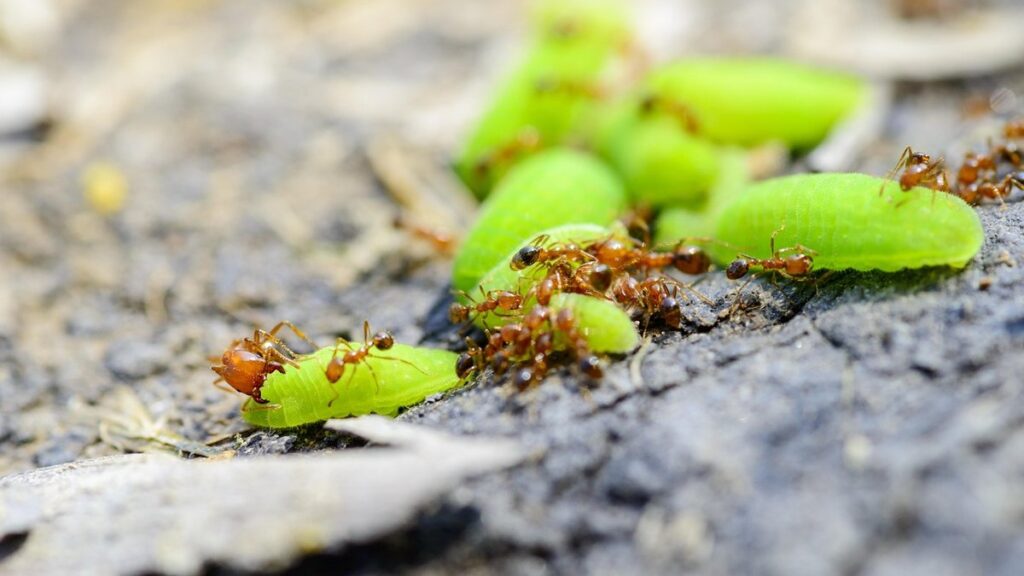
Fire ants are recognizable by their distinctive physical characteristics. They have a reddish-brown to black body with six legs and a narrow waist between their abdomen and thorax. Their bodies typically range from 1/4 inch to 1/2 inch in length, although some species can be slightly larger or smaller. Fire ants are also known for their stingers, which they use to defend themselves and attack predators.
To identify fire ant nests, look for mounds of excavated soil with a central crater. These mounds can be as small as a golf ball or as large as a basketball, depending on the colony’s size and age. Fire ants often build their nests in areas with loose soil, such as near buildings, roads, or in open fields. They prefer well-drained soil that allows for easy digging.
When searching for fire ant colonies, inspect areas with tall grasses, weeds, or low-lying vegetation. These habitats provide shelter and food sources for the ants. Fire ants are also attracted to moisture, so they often build their nests near water sources such as ponds, lakes, or even pet dishes left outside.
Distribution and Spread
Fire ants have spread across different regions and continents through a combination of natural and human-assisted means. Native to South America, they were first introduced to the United States in the 1930s via cargo ships from Brazil. From there, they rapidly expanded their range, establishing colonies in over 20 states.
Their ability to adapt to new environments has contributed significantly to their spread. Fire ants can thrive in a wide range of habitats, from tropical forests to arid deserts and even urban areas. They have been known to infest homes, gardens, and agricultural fields, causing significant economic and environmental impacts.
Fire ants have also been inadvertently transported by humans through international trade, travel, and the movement of goods. This has led to their introduction to new regions, including Australia, Asia, and Africa. In some areas, they have established themselves as invasive species, outcompeting native insects for resources and altering local ecosystems.
Life Cycle and Colony Structure
Fire ants have a fascinating social organization, with colonies consisting of different castes that work together to ensure survival. Let’s take a closer look at the various stages of their life cycle.
Queen Fire Ants and Colony Founding
A single queen fire ant is responsible for establishing a new colony. After mating, she will leave her natal nest and begin searching for a suitable location to establish her own colony. This process typically occurs during the spring or summer months when temperatures are warm and rainfall is plentiful.
The queen’s primary goal is to find an area with abundant food resources, such as seeds, fruits, or small insects. Once she has identified a potential site, she will dig a new nest using her powerful mandibles and long, slender body. The queen’s pheromones play a crucial role in attracting other fire ants to the newly established colony.
Within 2-3 days of nesting, the queen begins laying eggs at an incredible rate – sometimes up to 150 per day. This rapid reproduction enables the colony to expand quickly, and within weeks, thousands of workers will emerge from the nest. The queen’s role in colony founding is crucial, as she lays fertile eggs and ensures the colony’s genetic diversity.
A new colony typically takes several months to mature, with the queen continuing to lay eggs throughout this period.
Worker Fire Ants and Social Hierarchy
Worker fire ants are highly organized and play a crucial role in maintaining the colony’s social hierarchy. They perform various tasks such as foraging, caring for young ones, and even defending the nest against predators. The division of labor among worker ants is determined by their age, with younger workers typically performing tasks that require less physical strength.
As they mature, older workers assume more demanding roles like foraging and defending the colony. This hierarchical structure allows the colony to function efficiently, ensuring its survival and growth. Worker fire ants communicate through complex chemical signals, known as pheromones, which convey vital information about food sources, threats, and even the location of the queen.
Interestingly, workers are sterile and cannot reproduce, making them dedicated servants of the colony. This unique social structure enables the colony to thrive, often resulting in massive populations that can overwhelm local ecosystems. Understanding this intricate social hierarchy is crucial for developing effective management strategies to mitigate the impact of fire ants on human communities and the environment.
Soldier Fire Ants and Defense Mechanisms
Soldier fire ants are easily recognizable by their enlarged heads and powerful mandibles. These characteristics serve a vital purpose: defense. Soldier ants are responsible for protecting the colony from predators and intruders, using their formidable strength to overpower threats.
One of the most notable defensive strategies employed by soldier fire ants is their ability to seal off entry points into the nest. When threatened, soldiers will physically block the entrance, creating an impenetrable barrier that prevents potential invaders from accessing the rest of the colony.
In addition to physical barriers, soldier ants also employ chemical defenses. They release a pheromone signal when under attack, alerting other ants in the colony to the threat. This allows them to mobilize and respond quickly to potential dangers.
Soldiers can also be seen standing guard at the nest entrance, scanning for signs of danger. Their large heads and powerful jaws make them formidable opponents, deterring many would-be intruders from approaching the nest. By understanding these defensive strategies, it’s possible to appreciate the intricate social dynamics at play within a fire ant colony.
Behavior and Habitat Preferences
Fire ants are highly adaptable creatures, thriving in a wide range of environments, from tropical forests to backyards across America. This section explores their behavior and habitat preferences in more detail.
Foraging and Food Sources
Fire ants are opportunistic omnivores, which means they’ll eat just about anything they can scavenge. Their diet consists mainly of sweet substances like nectar, pollen, and honeydew, but they also consume proteins from insects, spiders, and even small vertebrates. In agricultural settings, fire ants are known to feed on crops like corn, wheat, and sugarcane. They’re particularly attracted to high-sugar foods, which is why they often infest picnic areas and outdoor events.
Fire ants forage both day and night, using chemical trails to communicate with each other about food sources. In their search for sustenance, they can travel significant distances, often invading homes and buildings in pursuit of food. To prevent fire ant invasions, homeowners can take steps like sealing entry points, removing standing water, and eliminating potential food sources around the home.
Some specific foods that attract fire ants include:
- Pet food and bird seed
- Fruits and vegetables with high sugar content (like grapes and melons)
- Insect-based baits or lures used for pest control
- Moisture-rich environments, like sink drains and pet water bowls
By understanding what draws fire ants to specific locations and foods, homeowners can take proactive measures to prevent infestations and protect their property.
Nests and Colonies
Fire ants construct complex underground nests that can extend several feet beneath the surface. These subterranean colonies are often linked by intricate networks of tunnels and chambers. A single colony can have multiple entrances and exits, which allow ants to move in and out quickly while also providing a safe escape from predators.
The architecture of fire ant colonies is characterized by separate areas for different activities. For example, food storage rooms are typically located near the center of the nest, where they are protected from external threats. Worker ants tend to the young and eggs in specialized nurseries, while soldiers stand guard at key points throughout the colony. In some cases, multiple queens may reside within a single colony, ensuring its long-term survival.
Fire ant colonies can be surprisingly large, with some populations numbering in the millions. When foraging or defending their territory, ants from a single colony often work together seamlessly, using chemical signals to communicate and coordinate their actions. Understanding this complex social behavior is essential for developing effective strategies for controlling fire ant populations and mitigating their impact on local ecosystems.
Interactions with Other Species
Fire ants are known to engage in complex interactions with other species, influencing their ecosystems in significant ways. They form symbiotic relationships with certain plants and insects, such as aphids and scale insects, which provide them with a source of food. In return, fire ants protect these insects from predators and other threats.
They also have a mutualistic relationship with certain bacteria that live within their bodies, helping to break down complex nutrients in the soil for the ants’ benefit. On the other hand, fire ants are predators themselves, preying on small animals like spiders, beetles, and even other ants.
Their interactions with other species can be beneficial or detrimental, depending on the context. For example, they can serve as a food source for birds, lizards, and other animals, but their stings can also cause significant harm to these predators if provoked. It’s essential to understand these dynamics when managing fire ant populations, as their interactions with other species can have far-reaching consequences for local ecosystems. Fire ants are often a key component in maintaining the balance of certain environments, highlighting the importance of considering them within a broader ecological context.
Impact on Humans and the Environment
Fire ants have a significant presence in many ecosystems, posing challenges for both human health and the environment. We’ll examine the effects of their colonies on local wildlife and habitats.
Health Risks and Allergic Reactions
Fire ant stings can trigger a range of reactions, from mild discomfort to severe health issues. For most people, fire ant stings cause localized pain, redness, and swelling at the bite site. However, some individuals may experience more pronounced symptoms, including nausea, headaches, and fever.
In rare cases, fire ant venom can induce anaphylaxis, a life-threatening allergic reaction that requires immediate medical attention. Symptoms of anaphylaxis include difficulty breathing, rapid heartbeat, and dizziness. If you suspect someone has experienced an anaphylactic reaction to a fire ant sting, call emergency services or administer epinephrine if available.
People with pre-existing allergies or compromised immune systems are more susceptible to severe reactions from fire ant stings. If you’re allergic to fire ant venom, avoid areas where the ants are present and take steps to prevent stings. Common signs of an allergy include hives, itching, and swelling beyond the initial sting site.
It’s essential to recognize the difference between a typical reaction and a more severe response. If symptoms persist or worsen over time, seek medical attention for proper evaluation and treatment.
Economic Impacts and Agriculture
Fire ants pose a significant economic threat to agriculture, property values, and local ecosystems. In agricultural settings, fire ants can reduce crop yields by up to 20% due to their predation on crops, such as cotton and soybeans. They also attack livestock, causing wounds and reducing milk production in dairy cows.
In terms of property values, the presence of fire ants can decrease residential property values by 5-10%. This is because fire ant infestations are often associated with reduced quality of life, increased pest control costs, and potential health risks to residents. Homeowners may be reluctant to purchase or sell properties in areas known for their high fire ant populations.
Fire ants also disrupt local ecosystems by outcompeting native species for resources and altering nutrient cycling patterns. This can have cascading effects on the entire ecosystem, leading to reduced biodiversity and altered food webs. For example, fire ants have been shown to displace native ants and other invertebrates, leading to changes in seed dispersal and plant community composition.
Farmers and property owners can take steps to mitigate these impacts by adopting integrated pest management strategies that incorporate natural deterrents and physical barriers to prevent infestations.
Environmental Concerns and Ecosystem Disruption
Fire ants can have a profound impact on native ecosystems, disrupting delicate environmental balances and altering species interactions. One of the primary concerns is the fire ant’s ability to outcompete native insects for food and resources. This can lead to a decline in local populations, potentially driving some species to extinction.
In areas where fire ants are invasive, they often displace native insect species that play crucial roles in pollination, seed dispersal, or pest control. For example, the southern masked weaverbird relies on caterpillars for food, which are in turn preyed upon by native wasps and spiders. Fire ant invasions can decimate these caterpillar populations, leaving the birds without a key food source.
Fire ants also alter soil chemistry through their nesting activities, changing nutrient cycles and potentially affecting plant growth. This can have cascading effects on entire ecosystems, as plants may struggle to adapt to altered soil conditions or become more susceptible to disease. By understanding fire ant impacts on native ecosystems, land managers and conservationists can develop targeted strategies for mitigating these effects and preserving biodiversity.
Fire Ant Control and Management
Fire ants can be a significant nuisance, but controlling their populations is crucial for outdoor enthusiasts and homeowners alike. Effective management strategies are key to mitigating their impact on daily life.
Preventative Measures
When it comes to preventing fire ants from taking over your property, understanding their behavior and preferences is key. Fire ants are attracted to moisture, so keeping your home’s foundation and perimeter dry is crucial. Regularly inspect your yard for areas where water may be accumulating, such as near pet stations or downspouts, and fix any issues promptly.
In the garden, avoid using sweet-smelling fertilizers or mulch, which can attract fire ants. Instead, opt for acidic or citrus-based products to deter them. Keep your lawn mowed regularly, but avoid low-mowing, as this can encourage fire ant activity. Also, avoid using organic gardening methods that incorporate fish emulsion or bone meal, as these can inadvertently feed fire ants.
For home maintenance, seal any cracks or crevices around windows and doors with caulk to prevent fire ants from entering your home. Store food in sealed containers and clean up crumbs and spills promptly to eliminate potential attractants. Finally, be mindful of nearby fire ant colonies when planning outdoor activities or construction projects – keeping a safe distance can help avoid unwanted encounters.
Chemical Controls and Treatments
Chemical treatments are often considered a quick fix for fire ant infestations. However, their effectiveness is limited and can have unintended consequences. Many pesticides target the worker caste, but new queens can emerge from the colony before the treatment takes effect. This means that even if the workers are killed, the queen will continue to lay eggs, ensuring the colony’s survival.
Pyrethroids and organophosphates are two common types of chemicals used to control fire ants. However, these substances can also harm beneficial insects like bees and butterflies, as well as contaminate soil and water sources. In some cases, chemical treatments may even make fire ant colonies more aggressive, as they become accustomed to the presence of poison.
Some products combine insect growth regulators (IGRs) with pesticides to target queen fire ants specifically. These combinations can be effective in reducing colony populations over time. Nevertheless, it’s essential to note that repeated use of chemical treatments can lead to the development of pesticide-resistant fire ant colonies. As a result, many pest management professionals recommend using these products judiciously and combining them with non-chemical control methods for optimal results.
Natural Deterrents and Alternatives
When it comes to managing fire ant populations, many people turn to chemical controls as a first line of defense. However, these treatments can have negative impacts on both human health and the environment. One effective alternative is using natural deterrents to repel fire ants. Certain essential oils, such as peppermint, tea tree, and lavender oil, have been shown to be unappealing to fire ants.
Some plants are also known to repel fire ants, including certain species of mint, basil, and lemongrass. These can be planted around the perimeter of your home or yard to create a fire ant-repellent barrier. Additionally, citrus-based products, such as orange or lemon juice, have been used successfully to deter fire ants.
When using natural deterrents, it’s essential to remember that they may not provide immediate results and may need to be reapplied regularly. For example, if you’re using essential oils, reapply them every few days to maintain their effectiveness. Similarly, keep in mind that individual results may vary, and what works for one person or property may not work for another.
For a more comprehensive approach, consider combining natural deterrents with other management strategies, such as maintaining a clean yard free of debris and using physical barriers to prevent fire ants from entering your home.
Myth-Busting and Fire Ant FAQs
You’ve got questions about fire ants, and we’ve got answers. Below, we’ll debunk common myths and address frequently asked questions about these tiny but mighty insects.
Common Misconceptions and Myths
Fire ants are often misunderstood, and several myths surround their behavior, habitats, and health risks. One common misconception is that fire ants are attracted to sweet substances. In reality, they prefer protein-rich foods like insects and small animals. This is because their diet consists mainly of live prey, which they capture using their powerful mandibles.
Another myth is that fire ants only build mounds in open areas. While it’s true that some colonies establish themselves in exposed locations, others thrive in more sheltered environments, such as under trees or near bodies of water. This highlights the importance of considering local geography when assessing fire ant habitats.
Some people also believe that fire ant stings are always painful and potentially life-threatening. However, most people experience only minor reactions to fire ant stings, which may resemble mosquito bites. While some individuals may be more susceptible to anaphylaxis or other severe allergic responses, these cases are relatively rare.
Frequently Asked Questions
You may have heard that fire ants are attracted to sugar, but this is a common myth. In reality, these insects are more interested in protein-rich foods like insect larvae and small animals. Fire ants will also scavenge for sweet substances, but it’s not their preferred source of nutrition.
Another frequently asked question is whether fire ants can sting multiple times. The answer is no – each fire ant has a barbed stinger that becomes lodged in the skin after one use, rendering them unable to sting again. This means you won’t have to worry about being repeatedly attacked by the same ant.
It’s also worth noting that fire ants are not typically aggressive unless provoked or threatened. However, if you disturb their nest or colonies, they will defend themselves with force.
You may be wondering what types of plants and flowers attract fire ants. Some common culprits include citrus trees, rose bushes, and certain species of clover and alfalfa. If you notice fire ants congregating around a particular plant, consider removing it to discourage their presence.
To identify fire ant mounds, look for small piles of excavated soil that are typically 1-2 inches in diameter. Be careful not to disturb these areas, as doing so can trigger an attack from the surrounding colony.
Frequently Asked Questions
Can I Completely Eliminate Fire Ants from My Property?
Yes, it is possible to completely eliminate fire ants from your property with the right combination of preventative measures and control methods. This may involve a multi-step process involving baiting, perimeter treatments, and ongoing maintenance. Be sure to consult with a pest management professional for tailored advice.
How Do I Know If Fire Ants Are Still Present After Treatment?
If you’ve treated fire ants on your property, it’s essential to monitor their presence over time. Look for signs of new mounds or trails, as well as increased activity around food and water sources. Regularly inspect your yard and report any new sightings to the pest management professional who performed the treatment.
Can I Use Essential Oils as a Long-Term Solution?
While certain essential oils like peppermint and tea tree oil can repel fire ants in short-term applications, they are not a reliable long-term solution. Fire ants quickly develop resistance to these oils, rendering them ineffective over time. For sustained results, consider integrating multiple control methods, including baiting and perimeter treatments.
What If I’m Allergic to Fire Ant Stings? How Do I Safely Manage My Property?
If you’re severely allergic to fire ant stings, it’s crucial to exercise caution when managing your property. Wear protective clothing, including gloves and a face mask, when treating fire ants or engaging in yard work. Consider enlisting the help of a friend or family member who is not allergic, and always have an EpiPen on hand.
Can I Use DIY Methods for Fire Ant Control?
While some DIY methods like diatomaceous earth and boiling water can provide temporary relief from fire ant infestations, they are often ineffective as long-term solutions. These methods may require repeated applications and can be time-consuming to implement. For more effective and sustainable results, consider consulting with a pest management professional who can tailor a control plan to your specific needs.
