
Growing your own thyme can be a rewarding experience, not just for its fragrance and flavor in cooking, but also for its medicinal properties. Thyme is a low-maintenance herb that can thrive in a variety of climates, making it accessible to gardeners with different levels of expertise. However, many people struggle with successfully growing thyme due to factors such as climate, pests, and overwatering. A well-cared-for thyme plant, on the other hand, is relatively easy to maintain and produces an abundance of fragrant leaves that can be harvested year-round. This guide will cover the basics of growing thyme, including choosing the right variety for your climate, managing common pests, and preserving your harvest for later use. By the end of this article, you’ll know how to grow, care for, and harvest thyme with confidence.
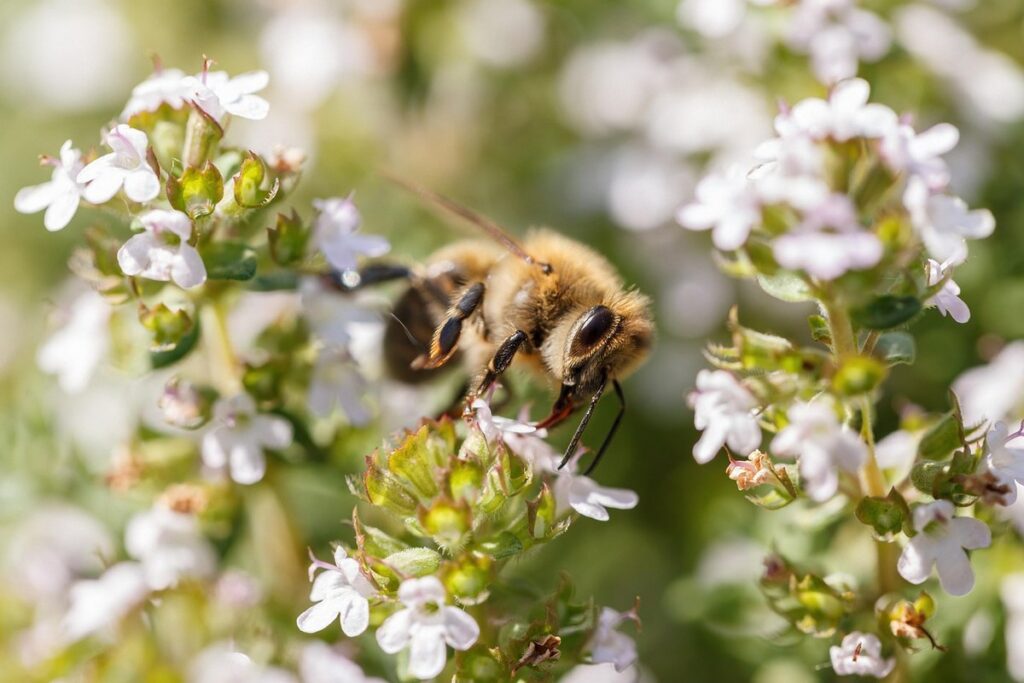
Understanding Thyme and Its Benefits
Thyme is a versatile herb that offers numerous benefits, from medicinal properties to culinary uses. Let’s explore its key characteristics and advantages in detail to help you make the most of your thyme garden.
Thyme Overview
Thyme is a versatile and widely used herb in cooking, prized for its distinct flavor and aroma. Its popularity extends beyond culinary applications, as thyme has been touted for its numerous health benefits. Studies have shown that thyme contains compounds with antimicrobial properties, making it an effective natural remedy against various ailments.
The herb’s therapeutic potential is attributed to its high concentration of thymol, a volatile oil responsible for its distinct scent and flavor. Thymol has been used to treat respiratory issues, such as bronchitis and coughs, due to its ability to reduce inflammation and kill bacteria. Thyme has also been traditionally used to aid in digestion, relieve stress, and even help combat fungal infections.
When growing thyme, it’s essential to choose a variety that is disease-resistant and suitable for your climate. Some popular varieties include English thyme, French thyme, and lemon thyme. By selecting the right strain, you can ensure a healthy and thriving thyme plant that will provide you with a bountiful harvest of fresh herbs and potentially even some of its medicinal benefits.
Choosing the Right Thyme Variety
When it comes to growing thyme, selecting the right variety is crucial for success. With over 300 species of thyme, each with its unique characteristics, it can be overwhelming to choose just one. Some popular varieties include English thyme (Thymus vulgaris), known for its compact growth and traditional cooking uses, while lemon thyme (Thymus x citriodorus) is prized for its citrusy scent and flavor. Creeping thyme (Thymus serpyllum), on the other hand, forms a low-growing mat that’s perfect for pathways or erosion control.
English thyme thrives in well-draining soil and full sun, making it an ideal choice for gardens with these conditions. Lemon thyme, by contrast, requires slightly more moisture and can tolerate partial shade. Creeping thyme is drought-tolerant and can thrive in areas with poor soil quality. Consider the specific needs of your garden and the intended use of the thyme when selecting a variety. For example, if you want to make herbal tea or potpourri, English thyme may be the best choice. If you’re looking for a low-maintenance ground cover, creeping thyme could be the way to go.
Preparing Your Garden for Thyme
Thyme thrives in well-draining soil and full sun to partial shade. It’s essential to choose a location with adequate air circulation to prevent moisture accumulation, which can lead to root rot. A spot that receives at least four hours of direct sunlight per day is ideal.
The perfect thyme garden also requires specific soil conditions. The pH level should be between 6.0 and 7.0, slightly acidic to neutral. Thyme grows poorly in alkaline soils, so it’s crucial to test your soil pH before planting. If necessary, amend the soil with organic matter like compost or peat moss.
To prevent pests and diseases, ensure good hygiene when handling thyme plants. Avoid overcrowding, which can facilitate the spread of fungal infections. Regularly inspect your plants for signs of pests like aphids, whiteflies, or spider mites. Use neem oil or insecticidal soap to control infestations.
Before planting, remove any debris and weeds from the area. This will help prevent thyme from competing with unwanted growth for water and nutrients. Consider using a physical barrier like copper tape to deter slugs and snails, which can be attracted to thyme’s fragrance.
Planting and Propagation Methods
You can grow thyme from seed, cuttings, or division of established plants, each method offering unique benefits for your herb garden. Let’s explore these different approaches in more detail.
Sowing Thyme Seeds
When sowing thyme seeds, it’s essential to choose a location with good air circulation and sunlight. You can start thyme seeds indoors 6-8 weeks before the last frost date or directly in the garden when the soil has warmed up to at least 60°F (15°C). Sow seeds about 1/8 inch deep and 12-18 inches apart, depending on the variety.
Use a well-draining seed starting mix or regular potting soil with a pH between 6.0 and 7.0. Water gently but thoroughly after sowing, keeping the soil consistently moist during the first few weeks. As soon as thyme seedlings emerge, thin them to 12-18 inches apart to prevent overcrowding.
Direct sowing is suitable for warm climates or when starting seeds in early spring. In cooler areas, start seeds indoors and transplant outside after hardening off the seedlings. Harden off by gradually exposing seedlings to outdoor conditions over the course of 7-10 days.
Cuttings and Divisions
When propagating thyme using cuttings and divisions, timing is crucial. Take 4-6 inch stem cuttings from established mother plants during the spring or summer months when new growth is actively occurring. Remove lower leaves to prevent waterlogged stems, leaving only a few sets of leaves at the node. This encourages roots to develop quickly.
Prepare the cutting by making a small notch in the stem just above the node using a sharp knife or pruning tool. Dip the notched end into rooting hormone powder or liquid, following the product’s instructions for application rates and timing.
For division propagation, wait until the thyme plant has reached maturity and its center begins to show signs of decline. Carefully dig up the entire clump, gently separating individual roots with a fork. Replant each section immediately, ensuring the crown (where the stem meets the roots) is above soil level. Water thoroughly after transplanting and maintain consistent moisture levels until new growth appears.
Keep in mind that division propagation is typically more successful for woody thyme varieties, whereas stem cuttings work better for herbaceous types like creeping thyme. Monitor your propagated plants closely during their first few weeks of growth to catch any potential issues early on.
Transplanting Thyme Seedlings
When transplanting thyme seedlings from pots into the garden, it’s essential to make a few adjustments to ensure their success. Start by hardening off the seedlings 7-10 days before transplanting. This involves gradually exposing them to outdoor conditions, reducing the risk of shock when they’re placed in full sun and wind.
Choose a spot with well-draining soil and sufficient sunlight (most thyme varieties require at least 6 hours of direct sunlight). Dig holes that are about twice as wide and just as deep as the seedlings’ pots. Gently remove the seedlings, taking care not to disturb their roots.
If your garden soil is heavy clay or prone to waterlogging, mix in some compost or well-rotted manure to improve drainage. Plant the thyme seedlings at the same depth they were previously growing, and firm the soil gently around them. Water thoroughly after transplanting, then keep the soil consistently moist during their first few weeks in the garden.
Thyme is typically ready for transplanting when it has 2-3 sets of leaves; this is usually around 6-8 weeks after sowing. With proper care, your transplanted thyme seedlings should establish themselves quickly and thrive in their new home.
Care and Maintenance Tips
Proper care and maintenance are crucial for thyme plants to thrive, so let’s discuss how to prune, water, and repot your thyme. With these tips, you’ll be well on your way to a healthy and fragrant harvest.
Watering and Humidity
Thyme is a drought-tolerant herb, but it still requires regular watering to thrive. Overwatering can lead to root rot and other issues, while underwatering may cause the leaves to turn yellow or drop off. To strike the right balance, water thyme when the top 1-2 inches of soil feel dry to the touch.
Water your thyme plants deeply once a week during hot summer months, but reduce watering to every 10-14 days in cooler seasons. Adjust this schedule based on weather conditions: if it’s been raining heavily, skip watering for a few weeks; conversely, water more frequently during prolonged dry spells.
Pay attention to humidity levels as well. Thyme prefers well-draining soil and can be susceptible to fungal diseases in humid environments. If you live in a region with high humidity (above 60%), ensure good air circulation around your thyme plants by pruning nearby foliage or installing a fan. Conversely, if you’re growing thyme in a dry climate, consider misting the leaves lightly on hot days to maintain moisture and prevent water stress.
Keep in mind that young thyme seedlings require more frequent watering than mature plants. Water them when the soil feels slightly damp, but avoid overwatering at this stage to establish healthy roots.
Pruning and Training
Thyme is a woody herb that benefits from regular pruning to maintain its shape and promote healthy growth. When thyme becomes leggy or sprawling, it’s more susceptible to disease and pests. Pruning helps to control the plant’s size, encourages bushy growth, and stimulates root development. Remove any dead or damaged stems, as these can harbor diseases and attract unwanted insects.
To prune thyme effectively:
- Cut back about one-third of the stems after flowering to encourage new growth.
- Pinch off flower buds to direct the plant’s energy towards foliage production.
- Trim back leggy stems to about 1/3 their length to maintain a compact shape.
Training thyme involves providing support for its upright growth. You can tie the stems to stakes or use a trellis to keep them upright. This helps prevent damage from strong winds and promotes even growth. Regular pruning and training also make it easier to harvest individual leaves or sprigs, rather than cutting back the entire plant.
By incorporating regular pruning and training into your thyme care routine, you’ll be rewarded with a healthy, productive plant that’s less prone to disease and pests.
Fertilizing Thyme
Thyme requires regular fertilization to promote healthy growth and prevent nutrient deficiencies. Choose a balanced fertilizer with an N-P-K ratio of 10-10-10 for optimal results. Organic options like compost tea, fish emulsion, or bone meal are excellent choices, as they release nutrients slowly and won’t burn the plant’s roots.
When applying fertilizers, avoid over-fertilizing, which can lead to weak growth and reduced flavor. A general rule of thumb is to fertilize thyme every 4-6 weeks during the growing season. Dilute the fertilizer according to the manufacturer’s instructions to prevent burning the leaves or stems.
Some popular natural fertilizers for thyme include:
- Compost tea: Steep a handful of compost in water for 24 hours, then strain and use as a foliar spray.
- Epsom salt: Mix 1 tablespoon with 1 gallon of water to provide magnesium and sulfur.
- Alfalfa meal: A nitrogen-rich fertilizer made from dehydrated alfalfa plants.
Remember to monitor your thyme’s response to fertilizers and adjust your application schedule accordingly. If you notice any adverse effects, reduce the frequency or switch to a different product.
Pest Control and Common Issues
You might be wondering what can go wrong when growing thyme, and one common issue is pest control – unwanted visitors to your herb garden. We’ll cover some effective ways to keep them at bay.
Identifying Pests and Diseases
Thyme plants are susceptible to various pests and diseases that can significantly impact their growth and health. One of the most common pests affecting thyme is the aphid. These small, soft-bodied insects feed on the plant’s sap, causing curled or distorted leaves. Check for aphids by gently brushing off any white, cottony patches you notice on the stems or leaves.
Root rot is another issue that can affect thyme plants, particularly if they’re exposed to overwatering or poor drainage. Signs of root rot include yellowing leaves, droopy stems, and a soft, mushy texture when you handle the plant’s roots. If you suspect your thyme has root rot, reduce watering immediately and repot the plant in well-draining soil.
Other pests that can harm thyme include spider mites, mealybugs, and scale insects. These tiny creatures can be difficult to spot but often leave behind fine webbing or sticky honeydew on the leaves and stems. Fungal diseases like powdery mildew and leaf spot can also occur when plants are stressed by excess moisture.
Be on the lookout for these signs of infestation or infection, and take action promptly to prevent further damage.
Organic Pest Control Methods
When it comes to controlling pests on thyme plants, it’s essential to opt for non-toxic and organic methods. Pests like aphids, whiteflies, and spider mites can be managed using neem oil, a natural insecticide that disrupts pest growth and development. Mix neem oil with water according to the product label instructions and spray it on affected plants.
Another effective method is diatomaceous earth, a powdery substance made from fossilized algae. This natural abrasive dehydrates pests like slugs and snails, causing them to leave your thyme plants alone. Sprinkle diatomaceous earth around the base of your plants, taking care not to inhale it yourself.
For more persistent pest issues, consider introducing beneficial insects like ladybugs or lacewings, which prey on common thyme pests. These natural predators can be purchased at most gardening stores and released into your garden to help control pest populations.
When using any organic pest control method, make sure to follow the product label instructions carefully to avoid harming your thyme plants. Always test a small area first to ensure the product doesn’t cause any damage.
Preventing Root Bound Thyme
To prevent thyme from becoming root bound, you need to address its growth habits and provide regular repotting. Thyme roots grow quickly, especially when watered consistently, and can become pot-bound within a year if not transplanted regularly. To avoid this issue, repot your thyme plant every 6-12 months in the spring or summer when it’s actively growing. Use a slightly larger container with well-draining soil to accommodate the expanding roots.
Pruning is also essential for maintaining thyme’s health and preventing root bound conditions. Regular pruning encourages bushy growth, reduces water consumption, and prevents the plant from becoming leggy. Pinch off flower buds as they form to direct energy towards leaf production. Trim back individual stems by about one-third to encourage new growth. Prune your thyme plants in early spring or after a harvest, making clean cuts just above a node using sharp, sterile scissors.
When repotting and pruning, look for signs of root bound conditions such as slow growth, yellowing leaves, or waterlogged soil. Address these issues promptly by repotting or pruning the plant to maintain its overall health and prevent further problems.
Harvesting and Preserving Thyme
Now that you have a bountiful thyme harvest, it’s time to learn how to preserve its flavor and fragrance for year-round use, whether fresh or dried. We’ll walk through the best methods for preserving your thyme.
When to Harvest
Thyme is ready to harvest when it has reached its full size and color. This typically occurs about 6-8 weeks after sowing seeds or planting cuttings. The ideal time for harvesting depends on the thyme variety, with some types like lemon thyme being more tender and requiring earlier harvesting.
Before harvesting, inspect the stems for any signs of flower buds. Remove these buds to direct the plant’s energy towards leaf growth, resulting in a stronger flavor and aroma. You can also trim back any leggy growth or over-branching to promote bushy growth and prevent the plant from becoming too woody.
Check for mature leaves by gently tugging on a stem; they should come off easily. Harvest individual stems or pinch off the top sets of leaves with your thumb and forefinger. Avoid taking too much of the plant at once, as this can weaken it and reduce future yields. Take 1-2 inches (2.5-5 cm) from the tip of each stem to encourage new growth and prevent the plant from flowering prematurely. Regular harvesting will also help control thyme’s tendency to become leggy over time.
Drying and Storing Thyme
Drying thyme properly helps preserve its delicate flavor and fragrance. You can dry thyme using air drying, which involves tying the stems together and hanging them upside down in a warm, dry location with good air circulation. This method is ideal for small batches of fresh thyme.
Another effective way to dry thyme is by using a dehydrator or your oven on its lowest temperature setting. Spread the thyme leaves out in a single layer and ensure even drying by checking on them regularly. Dried thyme should be brittle and crumbly, with a slightly darker color than fresh thyme.
Proper storage of dried thyme is crucial to maintaining its quality. Store it in airtight containers, such as glass jars or paper bags, to protect from moisture and light. You can also store dried thyme in the fridge or freezer to prolong its shelf life. When stored properly, dried thyme can last for up to 6 months.
It’s essential to label your containers clearly with the date and contents, so you can easily identify them later. This will help you keep track of how long the thyme has been stored and ensure you use the oldest batches first.
Using Fresh and Dried Thyme
Fresh thyme is a versatile herb that can be used in a variety of dishes, from soups to roasted meats. When using fresh thyme, it’s best to add it towards the end of cooking time to preserve its delicate flavor and aroma. You can also mix chopped fresh thyme with olive oil, garlic, and lemon juice for a simple marinade that pairs well with chicken or fish.
Dried thyme is a great option when you need to store thyme for later use or want to add a subtle thyme flavor to dishes without the freshness of the herb. Use dried thyme in place of fresh thyme at a ratio of one-quarter to one-half teaspoon dried thyme per tablespoon of fresh thyme called for in the recipe.
Thyme is also a popular ingredient in teas, where it can be combined with other herbs like lemon balm and honey for a soothing and calming brew. To make a thyme tea, steep 1-2 teaspoons of fresh or dried thyme leaves in a cup of boiling water for 5-7 minutes, then strain and enjoy.
For a unique twist on traditional herbal teas, try making a thyme-infused lemonade by muddling fresh thyme leaves with sugar and lemon slices before adding the liquid ingredients. This refreshing drink is perfect for hot summer days or as a palate cleanser between courses.
Frequently Asked Questions
Can I grow thyme indoors year-round?
Yes, it is possible to grow thyme indoors year-round as long as you provide sufficient light and maintain a consistent temperature between 60-70°F (15-21°C). This will help prevent the plant from becoming leggy or developing root bound conditions.
How do I prevent thyme from becoming invasive in my garden?
Thyme can be quite aggressive and spread quickly, so it’s essential to contain it by using barriers or edging around the planting area. Regular pruning also helps keep the plant under control and encourages bushy growth rather than spreading.
What if I accidentally over-fertilize my thyme plants – will they still recover?
Yes, thyme is a hardy herb that can tolerate some mistakes in fertilization. If you’ve over-fertilized your plants, it’s essential to flush out the excess fertilizer by watering them thoroughly and then reducing the frequency of fertilization.
Can I use the same growing conditions for both English thyme and lemon thyme?
While both varieties share similar requirements, they have distinct preferences when it comes to soil pH and moisture levels. Lemon thyme tends to prefer slightly acidic to neutral soil (pH 6.0-7.0), whereas English thyme is more tolerant of a wider pH range.
