
Horsetail plants have been used for centuries in traditional medicine, and their versatility extends far beyond the realm of healing. Not only do they boast impressive medicinal properties, but their extracts also make excellent ingredients for skincare and haircare routines. If you’re a gardening enthusiast or simply looking to explore new natural remedies, horsetail is an incredible plant to get familiar with. Growing and cultivating horsetail requires minimal effort, making it a great addition to any home garden or indoor space. In this article, we’ll delve into the world of horsetail plants, exploring their medicinal benefits, skincare applications, haircare uses, and even providing recipes for incorporating them into your daily routine. By the end of this guide, you’ll be equipped with the knowledge to grow and use horsetail effectively in your own home.
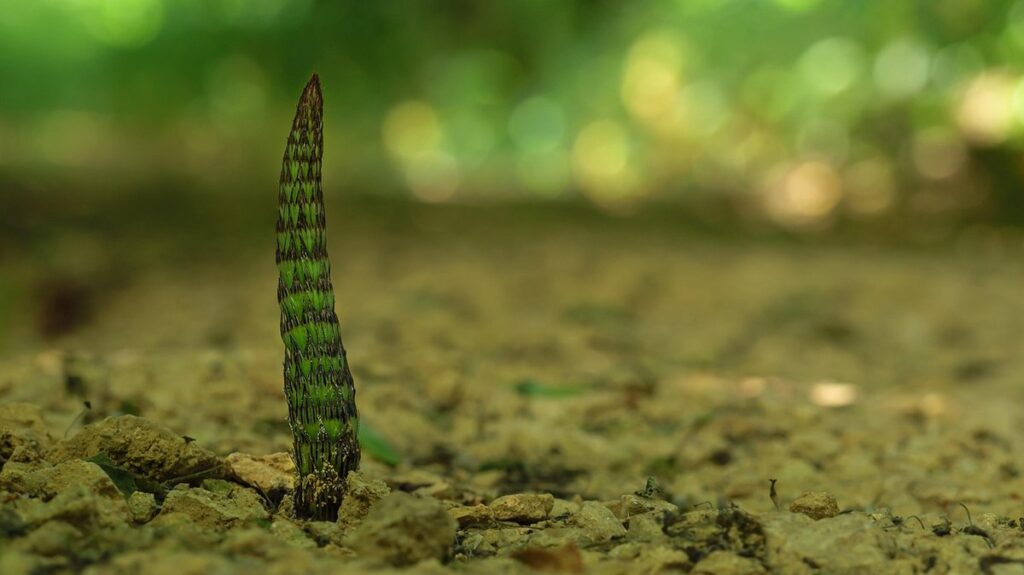
What is Horsetail?
Horsetail is a unique and ancient plant species that has been used for centuries, boasting an impressive array of health benefits and practical uses. Let’s take a closer look at its fascinating history and characteristics.
History and Origins of Horsetail
Horsetail’s history dates back thousands of years, with evidence of its use found in ancient civilizations such as Egypt and Greece. In these cultures, horsetail was prized for its ability to strengthen bones and hair, and it was often used in rituals and ceremonies to promote healing and vitality. The plant’s unique properties made it an essential ingredient in many traditional remedies, including salves and ointments for skin conditions and wounds.
The name “horsetail” is thought to have originated from the plant’s resemblance to a horse’s tail, with its long, thin stems and feathery leaves. However, this name may be misleading, as horsetail has no direct connection to horses or equestrian activities. Instead, it belongs to the Equisetum genus, which includes several species of vascular plants that are closely related to ferns.
Throughout history, horsetail has been used in various ways, from a medicinal tonic to a hair and skin treatment. In some cultures, it was even believed to possess magical powers, with its ability to revitalize and restore vitality being seen as almost supernatural. Today, horsetail is still valued for its health benefits, but its use is often more targeted and evidence-based than in the past.
Types of Horsetail Plants
There are several types of horsetail plants, each with unique characteristics and uses. Equisetum arvense, also known as field horsetail, is one of the most common species found in wetlands and along streams. Its tall, hollow stems can grow up to 3 feet high and have a distinctive jointed appearance.
Equisetum telmateia, or scouring rush, has long, narrow leaves that resemble tiny tubes. This species is often used for its medicinal properties, particularly in treating urinary tract issues. The plant’s rhizomes contain silica, which can help to reduce inflammation and promote healing.
Equisetum hyemale, or rough horsetail, has a distinctive rough texture on the surface of its stems. It prefers well-drained soil and is often used in traditional medicine for its anti-inflammatory properties. In some regions, Equisetum palustre, or marsh horsetail, is used as a natural diuretic to help reduce fluid retention.
It’s essential to note that while these species share similar characteristics with the common horsetail plant, they are not identical and may have distinct uses and benefits. When foraging or cultivating horsetail, it’s crucial to correctly identify the specific species to avoid confusion and ensure safe use.
Benefits and Uses of Horsetail
Horsetail is a versatile plant that offers numerous benefits, from soothing skin irritations to supporting bone health, making it an excellent addition to any natural remedy routine. We’ll explore its various uses in more detail below.
Medicinal Properties of Horsetail
Horsetail’s medicinal properties have been extensively studied, revealing its potential as a natural remedy for various ailments. One of the most significant benefits is its anti-inflammatory effect, which can be attributed to the presence of ferulic acid and other polyphenolic compounds. These chemicals have been shown to reduce inflammation in conditions such as arthritis, gout, and even skin irritations.
Horsetail’s antimicrobial properties are also noteworthy, with research indicating that it exhibits activity against certain bacteria, fungi, and viruses. This makes it a potential natural treatment for wounds, cuts, and other minor injuries prone to infection. In addition, its antifungal properties may be beneficial in treating conditions like athlete’s foot and nail fungus.
The plant’s medicinal effects are not limited to topical applications; horsetail has also been traditionally used as an oral remedy. However, due to its potential interactions with certain medications, it is essential to consult a healthcare professional before consuming it internally. To harness the benefits of horsetail’s medicinal properties, consider adding it to your skincare routine or using it in herbal remedies under guidance from a qualified practitioner.
Skincare and Haircare Applications
Horsetail’s silica content makes it an excellent ingredient for promoting healthy skin and hair growth. In skincare products, horsetail can help to improve skin elasticity, reduce wrinkles, and even out skin tone. It’s often used in anti-aging creams and serums to leave skin looking smoother and more radiant.
When combined with other natural ingredients, horsetail can also be effective in treating acne and other skin issues. For example, a study on the antibacterial properties of horsetail found that it inhibited the growth of certain bacteria that cause acne. To incorporate horsetail into your skincare routine, look for products that contain Equisetum arvense extract or silica-rich ingredients.
In haircare, horsetail’s silica content can help to strengthen and thicken hair follicles, reducing the risk of breakage and split ends. It can also promote healthy scalp circulation, which is essential for maintaining a full head of hair. Some haircare products contain horsetail as an active ingredient, while others may recommend using it in combination with other natural ingredients like rosemary or coconut oil.
When choosing skincare or haircare products that feature horsetail, be sure to check the label for Equisetum arvense extract or silica-rich ingredients. This will help ensure you’re getting a product that truly harnesses the benefits of this versatile plant.
Growing and Cultivating Horsetail
To successfully grow and cultivate horsetail, you’ll need to provide it with the right conditions, including a cool, moist environment and consistent watering. Learn how to create an ideal habitat for this unique plant.
Climate and Soil Requirements
Horsetail thrives in temperate climates with moderate temperatures. It prefers full sun to partial shade, but can tolerate some shade, especially in warmer regions. The ideal temperature range for growth is between 60°F and 80°F (15°C and 27°C), with a slight drop in temperature during winter. Horsetail can be grown in USDA zones 3-9, but it’s more commonly cultivated in cooler climates.
When it comes to soil, horsetail prefers well-draining, slightly acidic environments with a pH between 6.0 and 7.0. It can grow in a variety of soils, including sandy loams and clay-based soils, as long as they drain properly. Horsetail is often found growing in wetlands and along streams, where the soil may be more alkaline or saline.
To replicate these conditions in your garden, aim for a spot with morning sun and afternoon shade, and ensure the soil drains quickly to prevent waterlogged roots. You can also amend the soil with organic matter like compost or peat moss to improve drainage and fertility. Keep in mind that horsetail is highly adaptable and can tolerate some neglect, but optimal growth requires careful attention to its specific climate and soil needs.
Propagation Methods for Horsetail
Horsetail can be propagated through division, seed, and cuttings. Division is a common method for established plants with multiple stems. This involves carefully digging up the entire root system and separating individual sections before replanting them in well-draining soil.
Sowing seeds is another option, but it requires patience as germination rates can be low. Horsetail seeds are typically sown on the surface of a moist potting mix and require consistent moisture to break dormancy. Transplant seedlings to deeper pots once they have developed two sets of leaves.
Cuttings can also be taken from mature horsetail stems in spring or summer. Cut 2-3 inch sections just below a node, remove lower leaves, and plant them in a pot filled with moistened rooting medium. Keep the soil consistently damp but not waterlogged until roots develop, typically within 1-2 months.
When propagating through division or cuttings, it’s essential to handle the delicate stems and roots gently to avoid damage. For seed sowing, choose a well-draining mix to prevent rot and ensure healthy root development.
Preparations and Recipes Using Horsetail
To use horsetail effectively, you’ll want to learn how to prepare it for consumption and cooking, as well as try out some simple recipes that bring out its unique flavor.
Infusions and Teas
To make infusions and teas using horsetail, start by gathering a handful of fresh leaves and stems. You can use either the entire plant or just the aerial parts, depending on personal preference. For a general infusion, combine 1-2 teaspoons of dried or fresh horsetail with 8 ounces of boiling water in a tea infuser or a heat-resistant cup. Allow it to steep for 5-7 minutes before straining and serving.
When preparing a more concentrated infusion, use 3-4 teaspoons of dried material per 8 ounces of water. For teas that require a longer steeping time, such as those used in skincare recipes, try using 1/2 cup of chopped fresh horsetail with 32 ounces of boiling water for 15-20 minutes.
Consider the flavor and aroma you prefer when selecting the type of horsetail to use. Some people find the taste too bitter or unpleasant, while others enjoy it as a distinct herbal flavor. You can also blend horsetail with other herbs like peppermint or chamomile to create unique tea flavors that suit your taste preferences.
Skincare and Haircare Products
Horsetail’s silica-rich extract can be used to create a range of skincare products. One common application is as an anti-aging serum, where horsetail oil is blended with other natural ingredients such as jojoba or sweet almond oil and essential oils like lavender or chamomile. This blend can help smooth fine lines and improve skin elasticity.
Another skincare product using horsetail extract is a face mask. Mixing 1 tablespoon of powdered horsetail with 2 tablespoons of honey creates a paste that, when applied to the face, helps to tighten pores and soften skin. Leave on for 15-20 minutes before rinsing off.
In haircare, horsetail oil can be used as a leave-in conditioner or added to hair masks for its moisturizing properties. It’s especially beneficial for dry or damaged locks due to its high silica content. To create a hair mask, combine 2 tablespoons of horsetail oil with 1 tablespoon of coconut oil and apply from mid-lengths to ends.
When incorporating horsetail extracts into skincare and haircare products, it’s essential to note that the plant’s potency can vary depending on growing conditions and processing methods.
Safety Precautions and Contraindications
Before using horsetail, it’s essential to be aware of potential interactions and side effects, so please take a moment to review these important guidelines carefully. This includes understanding who should avoid its use altogether.
Potential Side Effects of Horsetail Use
Using horsetail can cause a range of potential side effects, particularly when consumed as an herbal remedy. One of the most notable concerns is its high silica content, which can interact with certain medications, such as blood thinners and diabetes medications. This increased risk of bleeding or low blood sugar should be carefully monitored by individuals taking these medications.
Additionally, horsetail’s diuretic properties may cause excessive urine production in people who already experience frequent urination due to underlying medical conditions like kidney disease or bladder issues. Some users have reported stomach upset, nausea, and digestive discomfort when consuming large quantities of horsetail preparations.
It’s essential for individuals with allergies or sensitivities to plants from the Equisetaceae family to exercise caution when using horsetail products. Rare cases of allergic reactions, such as skin rashes or respiratory issues, have been documented in sensitive individuals. When introducing horsetail into your routine, start with small amounts and observe your body’s response before increasing usage.
Allergies and Sensitivities to Horsetail
If you experience an allergic reaction or sensitivity after using horsetail products or handling the plant itself, it’s essential to identify and manage the issue promptly. Some common signs of allergy or sensitivity to horsetail include skin irritation, itching, redness, or swelling.
In rare cases, individuals may also develop a rash or experience digestive issues such as nausea or stomach cramps after consuming horsetail tea or supplements. If you notice any of these symptoms, discontinue use immediately and consult with a healthcare professional for guidance.
To manage an allergic reaction or sensitivity to horsetail, start by washing the affected area with soap and water. For skin reactions, apply a topical corticosteroid cream or ointment as directed to reduce inflammation. If you experience digestive issues, try switching to a different herbal tea or supplement.
When handling horsetail plants, be sure to wear gloves to prevent direct contact with your skin. If you’re using horsetail products, follow the recommended usage guidelines and patch test new products on a small area before applying them to your face or body.
Conclusion
In conclusion, the horsetail plant is a versatile and valuable addition to any herbal medicine cabinet. With its rich history of use in traditional medicine, horsetail has proven itself to be a reliable remedy for a range of health issues. Its high silica content makes it an excellent natural treatment for hair loss, brittle nails, and skin conditions such as eczema.
When using horsetail, it’s essential to note that internal consumption should only be done under medical supervision. However, when applied topically in the form of a cream or oil, its benefits can be maximized. Furthermore, combining horsetail with other natural ingredients like coconut oil and lemon juice can enhance its effectiveness.
Practical applications for horsetail include using it to treat wounds, reduce inflammation, and soothe sore muscles. Its antibacterial properties make it an effective agent against fungal infections such as athlete’s foot and ringworm.
Frequently Asked Questions
Can I Use Horsetail on Sensitive Skin Without Causing Irritation?
Yes, it’s generally safe to use horsetail on sensitive skin, but always perform a patch test before applying it extensively. This allows you to assess your individual tolerance and sensitivity to the plant’s extracts or oils.
How Long Does It Take for Horsetail to Show Visible Results in Hair Growth?
The time frame for noticeable hair growth benefits from using horsetail can vary depending on individual factors, such as hair type, nutrient levels, and overall health. However, some users report seeing improvements within 2-3 months of consistent use.
What’s the Best Way to Incorporate Horsetail into My Skincare Routine?
For skincare, you can infuse horsetail in a carrier oil like jojoba or coconut oil for up to two weeks before applying it directly to your skin. Alternatively, mix a few drops of horsetail essential oil with your regular moisturizer or serum.
Is It Possible to Overdo the Amount of Horsetail Used in Haircare Products?
Yes, using too much horsetail can lead to an imbalance of its active compounds, potentially causing more harm than good. Start with small amounts and gradually increase as needed and under guidance from a healthcare professional if necessary.
Can I Grow Horsetail Indoors Year-Round Without Any Special Equipment?
While it’s technically possible to grow horsetail indoors, replicating the plant’s natural habitat requires specific conditions—high humidity, filtered sunlight, and controlled temperature. This setup can be challenging to maintain without specialized equipment for a prolonged period.

