
Foraging for wild edibles can be an exhilarating experience, but it requires caution and knowledge to ensure that you’re picking safe and nutritious plants. You might have seen chefs or food bloggers raving about the unique flavors of wild-grown leafy greens, fruits, and berries, but without proper identification skills, even a familiar-looking plant can pose a threat to your health. Not only do you need to recognize edible species, but also understand their habitats, growth patterns, and potential lookalikes that might be toxic. This comprehensive guide will walk you through the essential steps of identifying edible wild plants, including tips on where to find them, how to prepare them safely, and sustainable harvesting practices to avoid over-foraging and preserve ecosystems for future generations. By the end of this article, you’ll have a solid foundation to start exploring the world of wild edibles with confidence.
Understanding the Basics
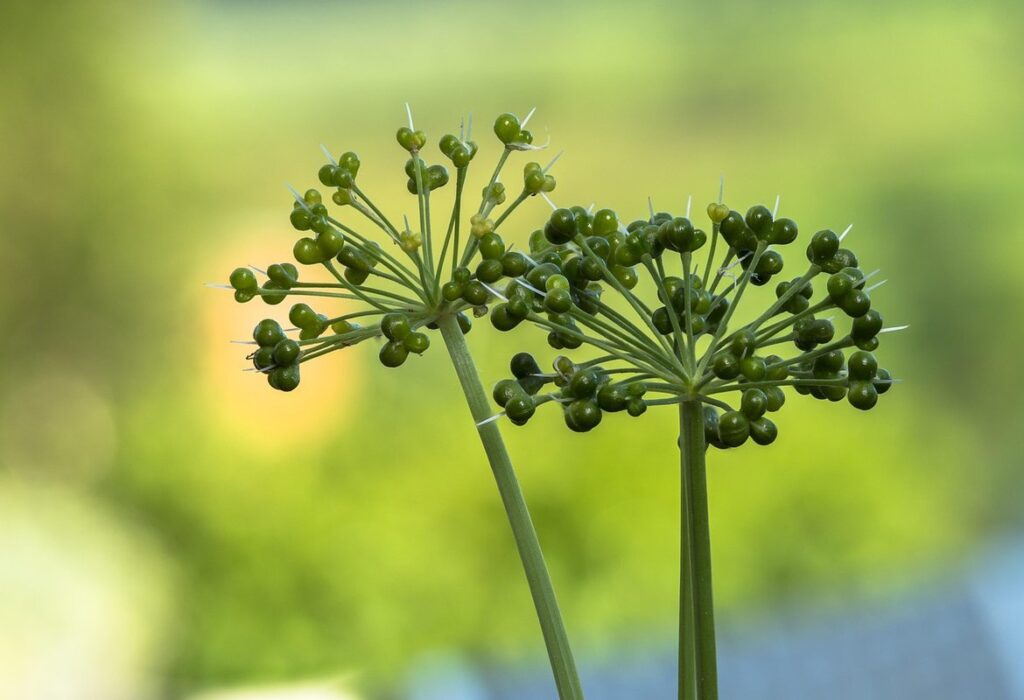
To identify edible wild plants, you need to start with a solid understanding of their basic characteristics, including leaf shape, stem texture, and growth habits. Let’s begin by examining these essential features up close.
Defining Edibility
When considering whether a wild plant is edible, it’s essential to understand what factors contribute to its edibility. Edibility refers to a plant’s ability to be consumed by humans without causing harm. The primary determinants of edibility are toxicity, nutrient content, and cultural or traditional use.
Toxicity plays a significant role in determining a plant’s edibility. Plants containing toxic compounds can cause adverse reactions when ingested, ranging from mild discomfort to severe illness. Conversely, plants that are non-toxic but lack essential nutrients may not provide the necessary sustenance for human consumption.
Cultural and traditional use also influence a plant’s edibility. In many societies, certain wild plants have been used as food sources for generations. These cultural practices often serve as a reliable indicator of a plant’s safety and nutritional value. However, it is crucial to note that cultural acceptance does not necessarily imply edibility, and caution should always be exercised when introducing new foods into your diet.
When evaluating the edibility of wild plants, consider these key factors: toxicity, nutrient content, and cultural or traditional use.
Factors Influencing Edibility
Climate plays a significant role in determining edibility. Temperature fluctuations can cause plants to produce toxic compounds as a defense mechanism against extreme conditions. For instance, certain species of wild garlic may become toxic when exposed to prolonged periods of frost. Similarly, soil type and composition can affect the concentration of nutrients and potential toxins within a plant. Sandy soils often leach essential minerals, whereas clay-rich soils may retain heavy metals that can be detrimental to human health.
Soil pH levels also impact edibility. Plants growing in highly alkaline or acidic environments may develop unique compounds that render them inedible or even toxic. Plant variety is another crucial factor, as some species are naturally more susceptible to environmental stressors than others. The edibility of a plant can be compromised if it’s grown in close proximity to pollutants or contaminated water sources.
In general, it’s essential to consider these factors when foraging for wild plants. Observe the specific growing conditions and note any potential threats to the plant’s edibility. This knowledge will help you make informed decisions about which plants are safe to consume and when.
Preparing for Foraging
Before you start searching for wild edibles, it’s essential to prepare yourself with the right knowledge and gear to ensure a safe and successful foraging experience. This involves learning about local regulations and safety precautions.
Researching Local Flora
Start by consulting local field guides, which provide detailed descriptions and illustrations of native plant species. These guides can be found at botanical gardens, nature centers, or through online resources such as iNaturalist. Familiarize yourself with the common names, Latin names, and habitats of plants in your area.
Look for regional websites and apps that specialize in local flora, like PlantSnap or Leafsnap. These tools often feature user-generated content and photographs, allowing you to see what plants look like at different stages of growth. You can also consult with local experts, such as botanists, horticulturalists, or experienced foragers, who can share their knowledge about specific plant species.
When researching local flora, it’s essential to note potential lookalikes – plants that are similar in appearance but may be toxic or cause allergic reactions. For example, the water hemlock (Cicuta maculata) and cow parsley (Anthriscus sylvestris) both resemble wild parsnip (Pastinaca sativa), which can cause painful skin blisters upon contact. Knowing how to distinguish between these plants will help you avoid mistakes in the field.
Gathering Essential Tools
When gathering essential tools for identifying edible wild plants, it’s essential to start with a solid foundation. First and foremost, obtain a reliable field guide that focuses on the flora of your region. This will provide you with a comprehensive list of native species, their descriptions, and any relevant cautions or warnings. Some popular options include the USDA Plant Database and regional guides from organizations like the Audubon Society.
A magnifying glass is also a crucial tool for up-close inspection of plant characteristics. Look for one that’s specifically designed for botanical work, with built-in light sources or a sturdy stand to hold it steady. This will allow you to examine small details such as leaf venation, flower structure, and seed morphology.
Lastly, invest in a guidebook that focuses on edible wild plants, rather than a general field guide. Examples include “Wildman Steve Brill’s Complete Guide to Edible Wild Plants” or “The Forager’s Harvest.” These guides will provide you with detailed information on preparation methods, taste profiles, and potential lookalike species to watch out for. By having these tools at your disposal, you’ll be well-equipped to identify edible wild plants with confidence.
Field Identification Techniques
One of the most crucial steps in identifying edible wild plants is recognizing their physical characteristics, and that’s exactly what we’ll cover next. Let’s take a closer look at how to examine leaves, stems, and flowers for positive identification.
Observing Plant Characteristics
When observing edible wild plants, a keen eye for detail is essential. Start by examining the leaves, as they often provide crucial identification clues. Look for shapes, sizes, and arrangements of leaflets or lobes. For example, plantain’s large, flat leaves with parallel veins are unmistakable in most environments.
Next, inspect stems and roots. Notice their color, texture, and any distinctive markings. Some plants, like burdock, have fleshy taproots that can be easily identified by touch. Don’t overlook flowers either – their shape, color, and arrangement can be highly characteristic. For instance, the bright yellow flowers of dandelion are a dead giveaway in most meadows.
Fruits and berries are also important for identification. Pay attention to size, shape, color, and any notable features like hairs or ridges. The distinctive red berries of wild strawberries are a familiar sight in many woodlands. Remember that some edible plants have poisonous lookalikes – carefully observe the plant’s overall appearance and consult multiple field guides before making a positive ID.
Using Senses and Intuition
When observing a potential edible wild plant, trust your senses to aid in identification. Start by taking note of its color. Edible plants often have distinctive hues, such as the bright green leaves of dandelion or the vibrant red berries of strawberries. However, be cautious not to misidentify based on color alone – some toxic plants may also display similar colors.
Next, examine the plant’s texture. Edibles like wild garlic and onions have papery, layered leaves, while others like cattails have long, narrow stems with flat, grass-like leaves. Pay attention to how the leaves or stems feel when touched: are they smooth, hairy, or waxy?
Smell is another crucial sense to engage. Many edible plants give off distinctive aromas that can be quite pungent – think of wild onions and garlic, for example. While some toxic plants may also have strong scents, experience has shown that the aroma of a plant often correlates with its edibility.
Finally, don’t hesitate to take a small nibble of an unknown plant’s leaf or stem to gauge its taste. However, do this sparingly – some poisonous plants can cause harm even in small quantities. Remember that trust your senses, but also exercise caution and consult multiple field guides before consuming any wild plant for the first time.
Common Edible Plants
You’ll find a variety of edible plants growing wild, from dandelions and chicory to wild berries and greens, each with its own unique characteristics. Let’s take a closer look at some common ones to get you started.
Leafy Greens and Herbs
Dandelion, chicory, and wild garlic are three common leafy greens that can be found growing wild. Dandelion leaves have a bitter taste, while chicory leaves have a slightly sweeter flavor. Wild garlic, also known as ramps, has a strong onion-like flavor. These plants often grow in lawns, along sidewalks, or in woodland edges.
When identifying these plants, note the shape and size of their leaves. Dandelion leaves are typically toothed and jagged, while chicory leaves have wavy edges. Wild garlic leaves are long and narrow with a distinctive sheen to them.
Herbs like mint and chamomile can also be found growing wild. Mint has bright green leaves with red or purple stems, while chamomile has daisy-like flowers and grayish-green leaves. To use these herbs for culinary purposes, simply snip off the leaves and stems, and add them to salads, teas, or other dishes.
Some key differences between edible and non-edible plants in this category include leaf shape, size, and color. Edible plants tend to have larger leaves with more pronounced veins, while non-edible plants may have smaller, more delicate leaves.
Fruits and Berries
When foraging for fruits and berries, it’s essential to examine their characteristics, including taste, texture, and potential lookalikes. Many wild fruits are similar in appearance to poisonous ones, so attention to detail is crucial.
Some common edible fruits found in the wild include wild strawberries (Fragaria virginiana), blueberries (Vaccinium corymbosum), and raspberries (Rubus idaeus). Wild strawberries have a sweet-tart taste and a small, yellow center. Blueberries are typically smaller than domesticated varieties and have a powdery coating on their skin.
Be aware of lookalikes like the poisonous baneberry (Actaea pachypoda) and black chokeberry (Aronia arbutifolia), which can be mistaken for blueberries due to their similar size and color. Raspberries, on the other hand, are often confused with the toxic bramble (Rubus spp.). To avoid confusion, familiarize yourself with the taste, texture, and growth habits of each plant.
When in doubt, it’s best to err on the side of caution and avoid consuming unknown berries or fruits. If you’re new to foraging, consider consulting with an experienced guide or researching local flora before attempting to identify edible wild plants.
Advanced Identification Techniques
As you become more confident in identifying edible wild plants, it’s essential to learn advanced techniques that take your skills to the next level. This involves a closer examination of subtle characteristics like leaf morphology and seed patterns.
Using Microscopes and Chemical Tests
Microscopes can be used to examine plant cells and tissues for unique features that confirm edibility. For example, microscope analysis of starchy plants like arrowhead (Sagittaria latifolia) reveals distinctive starch granules in the root cells. This level of detail is crucial when differentiating between edible and toxic lookalikes.
To further verify plant safety, chemical tests can be employed to detect potential toxins. The Dragendorff test, for instance, is used to identify plants containing glycosides, a class of compounds that can be toxic in high concentrations. By applying a few drops of Dragendorff’s reagent to a plant extract and observing the color change, you can determine if a particular species contains these potentially hazardous substances.
When using chemical tests, it’s essential to follow proper protocol to avoid contamination or inaccurate results. This includes handling reagents carefully, maintaining precise concentrations, and comparing test results against established standards. By combining microscopic examination with targeted chemical testing, you can gain even greater confidence in your plant identifications and minimize the risk of consuming potentially toxic species.
Understanding Plant Anatomy
When identifying edible wild plants, it’s essential to understand the structure and function of plant parts, such as roots, stems, and leaves. This knowledge will aid in distinguishing between closely related species and help you recognize characteristic features that indicate edibility.
Start by examining the root system. Dandelion and burdock, for example, both have taproots that are easily distinguishable from the fibrous roots of plants like plantain. Taproots typically grow straight down into the soil, while fibrous roots spread out in all directions. The size and shape of a plant’s roots can also be indicative of its edibility.
Next, look at the stem. Woody stems often indicate the presence of lignin, a complex carbohydrate that makes plants more bitter and less palatable. Herbaceous stems, on the other hand, tend to be more tender and edible. Some species, like wild garlic and ramps, have distinctive bulbous stems that are rich in flavor.
Finally, observe the leaves. Leaf shape, size, arrangement, and texture can all provide valuable clues about a plant’s edibility. For instance, the large, flat leaves of wild spinach are easy to spot, while the smaller, more delicate leaves of wild purslane might be less noticeable at first glance. By paying attention to these details, you’ll become more skilled in identifying edible wild plants based on their anatomy.
Safety Precautions and Best Practices
Before venturing into the great outdoors, it’s essential to understand how to handle edible wild plants safely. We’ll walk you through crucial precautions and guidelines for responsible foraging.
Handling Toxic Plants
When encountering potentially toxic plants during a foraging excursion, it’s essential to handle them with care to minimize the risk of accidental ingestion or exposure. This involves adopting specific procedures to avoid cross-contamination and prevent unintentional consumption.
Firstly, never touch your face or eyes after handling unknown plants, as this can transfer potential toxins to sensitive areas. Wear gloves when handling suspect specimens to create a barrier between your skin and any hazardous substances. Remove gloves carefully to avoid exposure during removal.
When collecting potentially toxic plants, place them in separate bags or containers from edible ones to prevent accidental mixing. Label these bags clearly to ensure that you can identify their contents later. Consider dedicating a specific area for handling unknown or suspect plants to maintain segregation.
In case of accidental ingestion, have a plan in place and know what to do. Familiarize yourself with local emergency services and poison control hotlines before heading out on a foraging trip.
Sustainable Foraging and Harvesting
When foraging for edible wild plants, it’s essential to adopt sustainable practices that preserve local ecosystems and ensure continued access to these resources. This involves not only identifying the right plants but also harvesting them responsibly.
To minimize impact on the environment, avoid over-harvesting by only taking what you need and leaving some for other foragers and wildlife. Be mindful of sensitive habitats and avoid damaging surrounding vegetation when collecting plants.
In areas where edible wild plants are scarce or rare, consider allowing certain species to go to seed to ensure their continued growth and propagation. This also helps prevent the depletion of plant populations, which can have long-term consequences on ecosystems.
When harvesting roots, carefully dig around them to avoid causing damage to surrounding soil and other underground structures. Consider using a technique called “spear-harvesting,” where you use a long-handled tool or spear to extract roots without damaging the surrounding area.
Responsible foraging also involves respecting protected areas and adhering to local regulations regarding plant collection. Research specific guidelines in your region before heading out to gather wild edibles, as restrictions can vary depending on location and season.
Frequently Asked Questions
How Long Does It Take to Develop Expertise in Identifying Edible Wild Plants?
Developing expertise in identifying edible wild plants takes time and practice. Start by familiarizing yourself with local flora, practicing field identification techniques, and gradually increasing your knowledge of plant characteristics, habitats, and potential lookalikes. With consistent effort, you can develop a high degree of accuracy in identifying edible wild plants within a few months to a year.
What If I Accidentally Ingest a Toxic Plant? Are There Any Emergency Treatments?
While it’s essential to avoid ingesting toxic plants altogether, knowing what to do in case of an emergency is crucial. If you suspect accidental ingestion of a toxic plant, seek medical attention immediately. Activated charcoal may be administered to help absorb the toxin, but this should only be done under medical supervision.
How Do I Know When It’s Safe to Start Harvesting Wild Plants for Consumption?
When it comes to harvesting wild plants, timing is everything. Ensure that the plants you plan to harvest are free of pesticides, heavy metals, and other pollutants. Also, avoid harvesting during periods of high temperatures, droughts, or other environmental stressors that can concentrate toxins in plant tissues.
Can I Use Online Resources Alone for Identifying Edible Wild Plants Without Any Expert Guidance?
While online resources can be a valuable starting point, they should not replace expert guidance or hands-on experience. Consult multiple field guides and online resources to cross-check your findings, but also consider seeking guidance from experienced foragers or botanists to ensure accuracy.
What If I’m Foraging in an Area with Known Pollution or Environmental Contamination? How Do I Ensure Safety?
When foraging in areas with known pollution or environmental contamination, exercise extreme caution. Research the specific contaminants present and their potential impact on plant edibility. Use personal protective equipment (PPE) such as gloves and masks to minimize exposure. Consider consulting local authorities or experts to determine safe foraging practices.

