
Planning a successful tomato garden requires more than just selecting the right variety – it also involves calculating space requirements to ensure you have enough room for your chosen plants. A common mistake many gardeners make is over-estimating how many tomato plants they can fit in their available space, leading to overcrowding and reduced yields. The ideal number of tomato plants per person depends on several factors, including the amount each person consumes and the level of gardening experience. If you’re planning a large harvest for your family or community garden, it’s essential to get this calculation right. In this article, we’ll walk through how to plan your tomato garden, determine the ideal space requirements, and calculate the perfect number of plants per person based on your specific needs. By the end of this guide, you’ll be able to determine exactly how many tomato plants you should grow for a bountiful harvest.
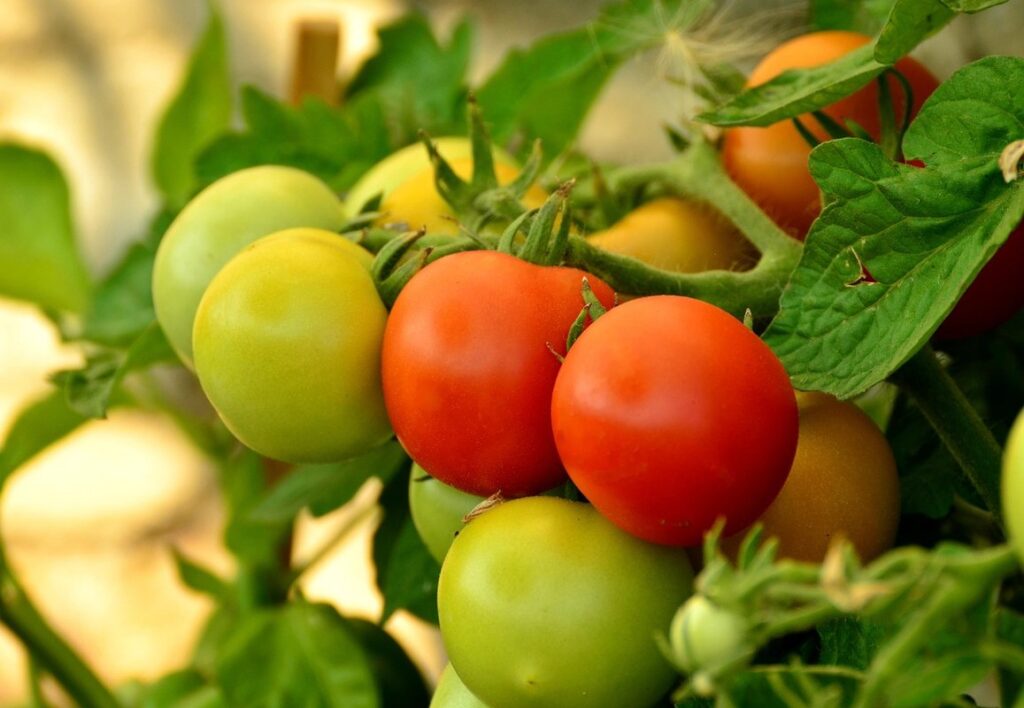
Planning Your Tomato Garden
To plan a thriving tomato garden, you’ll want to consider several factors that will help determine how many plants are just right for your family’s needs and space constraints. Let’s start by breaking down the planning process.
Choosing the Right Variety
When choosing tomato varieties for your garden, several key factors come into play. First and foremost, consider the climate you’re gardening in. Some tomatoes thrive in full sun and hot temperatures, while others prefer cooler conditions or are more tolerant of frost. Look for varieties that are specifically bred for your region’s climate to ensure optimal growth.
Another crucial consideration is disease resistance. Many commercial tomato varieties have been engineered to resist common diseases like verticillium and fusarium wilt. If you’re growing in an area with a history of these issues, choose varieties with built-in resistance. This will save you time and effort in the long run by reducing the need for fungicides.
Finally, think about the growth habits of different tomato varieties. Some grow as indeterminate vines that require staking or trellising, while others are compact and bush-like. If space is limited, choose a dwarf variety that can thrive in smaller containers or raised beds. By selecting varieties that suit your climate, disease susceptibility, and available space, you’ll set yourself up for success in growing a bountiful tomato crop.
Calculating Space Requirements
When planning your tomato garden, calculating space requirements is essential to ensure you have enough room for all your desired plants. Start by measuring your available garden bed dimensions and noting them down. Take into account any obstructions or paths that will be present within the area.
To calculate how much space each plant requires, consider a minimum of 18-24 inches between individual plants. This allows for proper air circulation and prevents diseases from spreading easily. A general rule of thumb is to allocate around 3-4 square feet per indeterminate tomato plant or 2-3 square feet per determinate variety.
Companion planting can also impact your space requirements. If you plan on growing plants like basil, mint, or marigold alongside your tomatoes, factor in an additional 6-12 inches of space between the companion and the tomato plant. This will prevent overcrowding and allow for optimal growth.
Keep in mind that these measurements are just a starting point. As you gain more experience with growing tomatoes, you may find that certain varieties or techniques require less space than others.
Determining the Number of Plants per Person
To determine the perfect number of tomato plants for your household, let’s consider the space you have available and the amount of produce you plan to consume.
Understanding Consumption Rates
The average tomato consumption rate varies depending on several factors. In general, a moderate tomato eater consumes around 12-15 pounds of tomatoes per year. However, some studies suggest that heavy consumers can eat up to 30 pounds or more annually. It’s essential to note that these numbers are averages and may not reflect individual circumstances.
Seasonal fluctuations also play a significant role in determining consumption rates. For instance, tomato lovers tend to consume more during summer months when fresh produce is readily available. Cooking methods and recipes also influence individual consumption patterns. Those who frequently cook with tomatoes, such as pasta sauce makers or salsa enthusiasts, are likely to consume larger quantities.
Factors like dietary preferences and cultural background can further impact tomato consumption rates. For example, individuals following a Mediterranean diet may consume more tomatoes due to the emphasis on fresh vegetables and fruits. On the other hand, those who rarely eat tomatoes in cooked dishes might consume smaller amounts.
When estimating individual consumption rates, consider these factors and adjust accordingly. This will help you determine a realistic number of tomato plants per person for your specific situation.
Factors Influencing Plant Yield
Climate plays a significant role in determining tomato yield. Tomatoes require a warm temperature to produce well, with ideal temperatures ranging from 65°F to 70°F (18°C to 21°C). Cooler temperatures can slow down plant growth and reduce fruit production, while temperatures above 85°F (29°C) can lead to sunscald and other heat-related issues.
Soil quality is another critical factor. Tomatoes need a well-draining soil with a pH between 6.0 and 7.0. If the soil lacks essential nutrients, it can impact plant growth and reduce yield. For example, tomatoes require a balanced diet of nitrogen, phosphorus, and potassium to thrive.
Watering habits also significantly affect tomato yield. Tomatoes need about 1-2 inches (2.5-5 cm) of water per week, either from rainfall or irrigation. Overwatering can lead to fungal diseases, while underwatering can reduce fruit production. Effective pest management is also essential, as pests like hornworms and aphids can significantly damage tomato plants.
In terms of specific practices, consider using drip irrigation systems to deliver water directly to the roots, reducing evaporation and runoff. Regularly monitoring soil moisture levels and adjusting watering schedules accordingly can also help optimize yield.
Assessing Your Gardening Experience Level
To grow a successful tomato crop, you need to consider your gardening experience level and how it impacts the number of plants you should have per person. This means taking stock of your skills and knowledge.
Beginner Gardeners: Start Small
As a beginner gardener, it’s essential to start small when growing tomatoes. This allows you to gain hands-on experience and adapt to any challenges that arise during the growing process. With too many plants, it can be overwhelming to manage soil quality, pest control, and harvesting.
Beginners often underestimate the time required for tending to tomato plants, which can lead to disappointment or even plant loss. Starting with a small number of high-quality seeds or seedlings will help you develop essential skills without feeling overwhelmed.
A good starting point is 1-2 tomato plants per person, depending on your desired level of consumption and the variety’s yield. Keep in mind that some compact varieties can produce up to 10 pounds of fruit per season, while others may only yield a few pounds.
When growing tomatoes for the first time, it’s crucial to focus on developing good gardening habits rather than trying to grow as many plants as possible. This will allow you to learn from your mistakes and refine your techniques over time, ultimately leading to a more successful harvest in future seasons.
Experienced Gardeners: Experiment with Multiple Varieties
As an experienced gardener, you likely have a good understanding of what works and what doesn’t in terms of tomato plant productivity. This is the perfect opportunity to experiment with multiple varieties and growing techniques to see what yields the best results for your family’s needs.
Consider trying out at least two or three different types of tomatoes, such as cherry tomatoes, beefsteak tomatoes, and Roma tomatoes. Each variety has its own unique characteristics, including growth habits, fruit size, and disease resistance. By planting multiple varieties, you can learn which ones perform best in your specific climate and soil conditions.
You might also want to experiment with different growing techniques, such as caging or staking the plants to see if it improves yields. Additionally, consider trying out a few determinate varieties alongside some indeterminate ones to see how they compare. This will give you valuable insight into what works best for your garden and help you refine your strategy for future seasons.
For example, you might find that your family prefers the taste of cherry tomatoes but struggles to keep up with the production of beefsteak tomatoes. By experimenting with different varieties and techniques, you can tailor your tomato plant selection to meet your family’s specific needs and preferences.
Growing Methods: Impact on Plant Numbers
The number of tomato plants you can grow per person largely depends on your preferred growing methods, such as container gardening or vertical farming. Let’s take a closer look at how different techniques impact plant numbers.
Container Gardening
Container gardening presents unique space constraints and requires careful consideration of plant densities to optimize yields. When growing tomatoes in containers, it’s essential to balance the number of plants with the available space. A general rule of thumb is to allocate about 5-7 square feet per tomato plant, depending on the variety and its mature size.
To maximize space efficiency, use compact or dwarf varieties that produce smaller fruit, such as ‘Red Robin’ or ‘Tiny Tim’. These varieties are perfect for containers and can thrive in spaces as small as 1-2 square feet. When planting multiple tomatoes in a container, leave about 12-18 inches between each plant to allow for proper air circulation and sunlight penetration.
In a typical 4×4 foot raised bed, you can fit around 8-10 compact tomato plants, assuming a spacing of 18 inches between each plant. However, this number may vary depending on the specific container size and arrangement. Keep in mind that over-dense planting can lead to reduced yields, disease spread, and increased pest pressure. By carefully planning your container garden layout, you can enjoy a bountiful harvest from even the smallest of spaces.
Hydroponic or Indoor Systems
In controlled environments like hydroponic systems or indoor gardens, tomato plants have unique growth requirements. Since these systems often provide precise control over light spectrum and temperature, you can optimize conditions for maximum plant productivity.
Lighting is a crucial consideration: while most tomatoes require full sun to produce well, some varieties are bred specifically for indoor growing and can thrive under LED grow lights with tailored spectrums. Temperature control also plays a critical role – most tomato varieties prefer daytime temperatures between 65-70°F (18-21°C) and nighttime temperatures around 55-60°F (13-16°C).
Hydroponic systems, in particular, offer precise nutrient delivery, which can be beneficial for tomatoes. However, this doesn’t always translate to higher yields: some growers report reduced plant numbers due to over-nutrition or inadequate root aeration.
When growing indoors, it’s essential to consider the specific needs of your tomato variety and adjust conditions accordingly. For instance, if using a hydroponic system, ensure you’re providing adequate oxygenation and not overwhelming the plants with nutrients. By fine-tuning these factors, you can optimize plant growth in controlled environments and get more tomatoes per person.
Harvest and Storage Considerations
To successfully harvest and enjoy your homegrown tomatoes, it’s essential to plan for adequate storage space and develop a strategy for managing your crop as it ripens. Proper planning will help you make the most of your tomato plants’ bounty.
Determining Optimal Harvest Time
When it comes to determining optimal harvest time for tomatoes, a crucial factor is understanding their color and texture changes as they ripen. Tomatoes typically turn from green to yellow, orange, or red, depending on the variety. However, this visual cue alone isn’t foolproof – some varieties may change color but not be ripe yet.
A more reliable method involves checking the stem end of the fruit. A ripe tomato will have a slight indentation where it was attached to the plant, indicating that it’s fully developed and ready for harvest. Overripe or unripe tomatoes lack this indentation.
Proper storage can also extend the life of your harvested tomatoes. Store them at room temperature, away from direct sunlight, until they’re slightly soft to the touch – about 24 hours after picking. This allows any lingering ethylene gas to dissipate and helps prevent spoilage. Once ripe, keep tomatoes refrigerated in a breathable container or bag. Avoid washing them before storing, as excess moisture can lead to mold and spoilage.
To prolong their freshness, it’s essential to check on your stored tomatoes regularly for signs of spoilage.
Using Preserving Techniques
To make the most of your harvest, it’s essential to learn various preserving techniques. Canning is a popular method for long-term storage, allowing you to enjoy tomatoes year-round. However, it requires careful attention to acidity levels and proper jar sealing techniques.
Freezing is another option, suitable for whole tomatoes or sauces made from them. Simply blanch the tomatoes in boiling water, then transfer them to an airtight container or freezer bag. Frozen tomatoes can be used in soups, stews, or cooked down into sauces.
Dehydrating removes excess moisture, making it easier to store and transport tomatoes. This method is ideal for cherry and grape tomatoes, which dry quickly and retain their flavor. Use a food dehydrator or your oven on the lowest temperature setting to remove excess water.
Fermentation adds depth of flavor and extends shelf life. Tomato sauces or whole tomatoes can be fermented in a brine solution, creating a tangy, slightly sour product perfect for using as a condiment. Be sure to monitor acidity levels and store fermented products in the refrigerator.
Frequently Asked Questions
Can I Grow Tomatoes in Shaded Areas?
Yes, it’s possible to grow tomatoes in shaded areas, but you’ll need to choose varieties that are specifically bred for partial shade. Look for plants with a growth habit of ‘patio’ or ‘container’, which are designed to thrive in conditions with less direct sunlight.
How Do I Calculate the Space Requirements for My Container Garden?
To calculate space requirements for your container garden, consider the mature size of each plant and leave enough room between them for air circulation. A general rule of thumb is to provide at least 12-18 inches between plants. Also, keep in mind that larger containers will require more soil and may need additional support for the plants.
Can I Use a Single Variety for Multiple Growing Methods?
While it’s technically possible to use a single variety across multiple growing methods, you may find that the results are less impressive than with varieties specifically bred for each method. For example, a hydroponic system will require a different nutrient profile and growth rate than a traditional soil-based garden.
What if I Have Limited Space but Want to Grow Multiple Varieties?
If you have limited space but still want to grow multiple varieties, consider using a trellis or other support system to maximize vertical space. You can also look into compact or dwarf varieties that are specifically bred for small spaces.
How Do I Know When My Tomatoes Are Ready to Be Picked?
To determine when your tomatoes are ready to be picked, gently lift the fruit and check its color, texture, and weight. A ripe tomato will have a deep red or yellow color, depending on the variety, and will be slightly soft to the touch but still firm enough to hold its shape. Avoid picking tomatoes that are too green or too ripe, as they may not store well or have the best flavor.
