
Watering seedlings can be a delicate balance between giving them enough moisture to thrive and drowning them in excess water. You’ve probably noticed that seedlings seem to require more attention than mature plants, but how often you should water them is often unclear. For many gardeners, the biggest challenge is determining when to water their young seedlings – too little and they’ll shrivel up, while too much can lead to root rot. Monitoring soil moisture levels is crucial here, as it will give you a clear indication of whether your seedlings need more or less water. In this article, we’ll explore the factors that affect water requirements for seedlings, how to monitor soil moisture, and provide guidance on the ideal frequency for watering young plants to grow strong and healthy. By the end of this post, you’ll be able to determine exactly when to give your seedlings a drink, and avoid common mistakes that can spell disaster for young plants.
Understanding Seedling Watering Needs
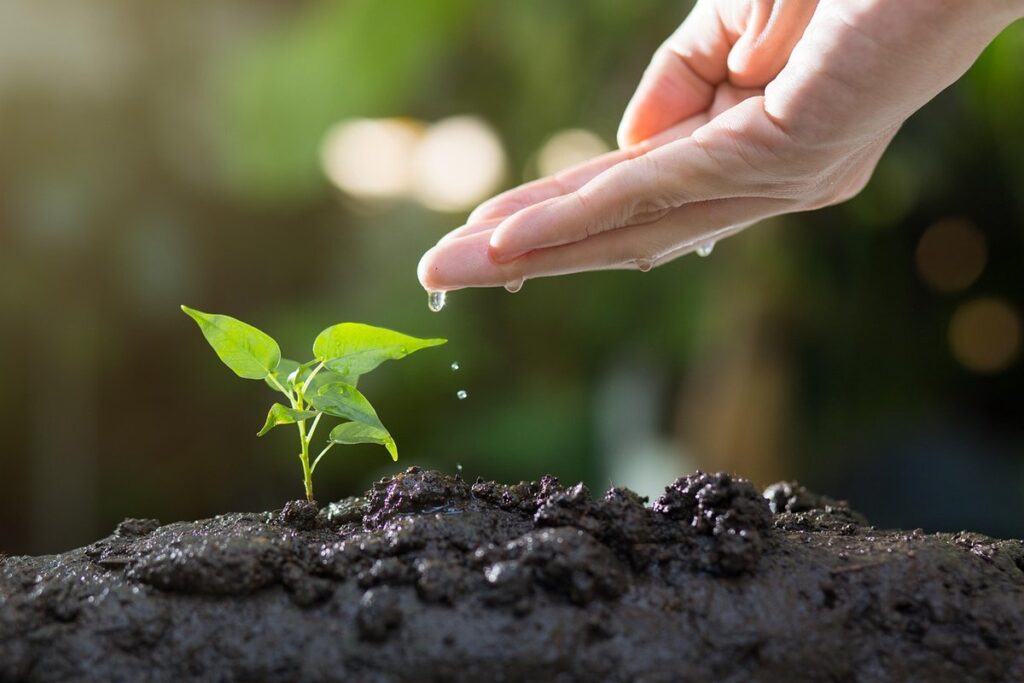
Seedlings need consistent moisture, but overwatering can be detrimental. In this crucial stage, understanding their watering needs is essential to promote healthy growth and prevent common mistakes.
The Importance of Proper Watering
Proper watering is crucial for seedling development and survival. If you don’t get water right, it can lead to a range of problems, from stunted growth to root rot. Seedlings are particularly vulnerable because their roots are still developing, and they haven’t yet built up the stored water that more mature plants rely on.
Watering deficiencies or excesses can also attract pests like fungus gnats and spider mites, which thrive in moist environments. These tiny critters can cause significant damage to your seedlings by sucking sap and spreading disease. Moreover, improper watering can lead to a condition known as “damping off,” where the seedling develops a soft spot at soil level and eventually topples over.
To avoid these issues, focus on providing your seedlings with consistent moisture levels that promote healthy growth. Aim for about 1-2 inches of water per week, either from rainfall or irrigation, depending on local weather conditions and soil type. Remember to water gently but thoroughly, allowing excess water to drain away from the roots rather than accumulating in the pot’s bottom. By getting this right, you’ll be giving your seedlings a solid foundation for future growth and success.
Identifying Seedling Watering Challenges
Overwatering can lead to root rot and seedling collapse. This occurs when the soil remains waterlogged for extended periods, depriving roots of oxygen. On the other hand, underwatering causes stressed plants that may not produce healthy growth. Identifying these challenges is crucial to adjust your watering schedule accordingly.
Watch out for signs like yellowing leaves or leaf drop due to overwatering. Check if the seedlings’ stems are soft and mushy, indicating root rot. Underwatering symptoms include droopy leaves, reduced growth rates, and brittle stems that break easily.
Root rot is often caused by fungal infections resulting from prolonged waterlogging. This can be prevented by ensuring good air circulation around plants and avoiding overfertilization, which can make the soil more susceptible to water-borne diseases. Regularly inspect seedlings for signs of disease or pests, addressing issues promptly before they spread.
Keep in mind that certain seeds may be more prone to root rot than others due to their specific traits. Some varieties are bred to have stronger roots and better resistance to overwatering. Research the specific needs of your seedling species to make informed decisions about watering frequency and techniques.
Soil Moisture Monitoring Techniques
To accurately determine how often to water your seedlings, it’s essential to understand how to measure and monitor their soil moisture levels effectively. We’ll cover various techniques for doing just that in this next part of our guide.
Using the Finger Test Method
Insert your finger into the soil up to the first knuckle, feeling for resistance. If the soil feels dry and crumbly, it’s time to water. On the other hand, if the soil sticks to your finger or is damp but not soggy, wait another day before checking again. This simple yet effective method works because the skin on your fingers is sensitive to changes in moisture levels.
The finger test is particularly useful for seedlings, which have delicate roots that can be easily damaged by overwatering. By regularly checking soil moisture with this method, you’ll develop a sense of when your seedlings need water and when they’re getting enough from the surrounding environment. This will help prevent overwatering, which can lead to root rot and other problems.
When using the finger test, it’s essential to insert your finger into the same spot each time to ensure consistent results. Choose a spot about 1-2 inches deep, where the roots are most active. By following this simple technique, you’ll be able to determine whether your seedlings need water, allowing you to adjust your watering schedule accordingly.
Measuring Soil Moisture with a Hygrometer
A hygrometer can be an accurate tool for measuring soil moisture levels. This device measures the air’s relative humidity and temperature, which can indicate the level of moisture in the surrounding soil. To use a hygrometer effectively, you need to choose the right type: digital or analog. Digital hygrometers are often more accurate but may require calibration.
When selecting a location for your hygrometer, consider placing it close to the seedlings but not in direct sunlight, as this can skew readings. Also, keep the device away from drafts and extreme temperatures. You’ll need to take multiple readings over time to get an accurate picture of soil moisture levels.
Some popular types of hygrometers for gardening include those with wireless connectivity or remote monitoring capabilities. These devices allow you to track your seedlings’ moisture levels remotely, making it easier to adjust watering schedules accordingly. When interpreting hygrometer readings, remember that the ideal range for most plants is between 40% and 60% relative humidity.
Watering Frequency for Different Seedling Types
For those new to seed starting, it can be tricky to determine how often to water different types of seedlings. Let’s break down the watering needs for various seedling species.
Herbaceous Seedlings (e.g., Tomatoes, Cucumbers)
Herbaceous seedlings like tomatoes and cucumbers have relatively high watering needs due to their rapid growth rate. In hot weather, these seedlings can lose up to 90% of their water through transpiration within a single day. To determine the optimal watering frequency for herbaceous seedlings, consider factors such as potting mix composition and climate.
Most herbaceous seedlings prefer well-draining mixes that contain a blend of peat moss, vermiculite, or perlite to prevent waterlogged soil conditions. Avoid using mixes with high sand content, as they can dry out too quickly. In humid climates, you may need to water more frequently than in arid regions.
A general rule of thumb is to water herbaceous seedlings when the top 1-2 inches of soil feel dry to the touch. However, this can vary depending on the specific climate and growing conditions. For example, in areas with intense sunlight, seedlings may require more frequent watering to compensate for increased evapotranspiration rates.
When deciding how often to water your herbaceous seedlings, keep a close eye on weather forecasts and adjust your schedule accordingly. Typically, these seedlings need watering every 2-3 days during hot summer months and less frequently in cooler seasons.
Bulbous Seedlings (e.g., Onions, Garlic)
Bulbous seedlings, such as onions and garlic, require careful watering due to their sensitive nature. These plants have a high water requirement during the growth phase but need to dry out slightly between waterings to prevent rot and other diseases. Overwatering can lead to bulbous seedlings becoming leggy or developing soft, weak necks.
When watering bulbous seedlings, it’s essential to avoid getting water on the leaves or crown to prevent fungal infections. Water these plants at soil level, allowing excess moisture to drain off. Typically, you’ll need to water bulbous seedlings once a week during spring and summer months when temperatures are above 60°F (15°C).
However, factors like temperature, humidity, and light exposure can influence watering frequency. If the weather is hot or dry, you may need to water more frequently – every 4-5 days in extreme cases. Conversely, if it’s cool and rainy, you might only need to water once every 10-14 days.
To ensure proper watering for bulbous seedlings, check the soil moisture by gently inserting your finger into the soil up to the first knuckle. If the soil feels dry, it’s time to water; if it still feels damp or moist, wait a few more days before rechecking.
Factors Affecting Seedling Watering Needs
When it comes to watering seedlings, many factors come into play that can affect their needs. Everything from soil type to climate and size of pot plays a role in determining how often your seedlings should be watered.
Climate and Temperature
Temperature fluctuations can significantly impact seedling water requirements. In hot and dry climates, seedlings may require more frequent watering to prevent moisture loss through transpiration. Conversely, in cooler temperatures, seedlings may need less water as their growth rate slows down. For example, tomato seedlings grown in a greenhouse with temperatures above 75°F (24°C) might require daily watering, while those in a shaded area with temperatures around 60°F (16°C) could get by with every other day.
High humidity levels can also affect seedling water needs. Seedlings in environments with high humidity may be more susceptible to root rot and overwatering if not monitored closely. In such cases, it’s essential to ensure good air circulation and check the soil moisture frequently using a hygrometer or the finger test method.
To adapt to changing temperature and humidity conditions, seedlings can benefit from being transplanted to different locations within a greenhouse or indoor space. For instance, seedlings that are too sensitive to high temperatures might be moved to a shaded area during peak sun hours. By adjusting their environment according to temperature fluctuations and humidity levels, gardeners can better gauge the water requirements of their seedlings and prevent common watering mistakes like overwatering or underwatering.
Light Exposure and Intensity
Light exposure significantly impacts seedling water needs. Indoor seedlings typically require more frequent watering due to low light conditions, which can slow down growth and increase transpiration rates. In contrast, outdoor seedlings exposed to direct sunlight may need less frequent watering, as they lose more moisture through evapotranspiration.
When growing indoors, it’s essential to consider the type of lighting used, such as LED or fluorescent lights. These light sources emit different spectrums that can influence seedling growth rates and water requirements. For example, some indoor growers use high-intensity LED grow lights, which can accelerate plant growth but also increase transpiration rates.
Outdoor seedlings, on the other hand, are subject to varying environmental conditions. Direct sunlight, especially during peak hours (usually between 11 am and 3 pm), can cause seedlings to lose significant amounts of water through evapotranspiration. This is particularly true for seedlings grown in containers or exposed to wind.
To adapt to changing light conditions, monitor your seedlings’ responses closely. Observe their growth rates, leaf color, and moisture levels to adjust watering schedules accordingly.
Advanced Watering Techniques for Seedlings
For seedlings that are already a week or two old, you’ll want to focus on providing just the right amount of moisture through advanced techniques like misting and sub-irrigation. This approach helps prevent overwatering and promotes healthy growth.
Drip Irrigation Systems
Drip irrigation systems offer a precise and efficient way to deliver water directly to seedling roots. This method involves installing a network of tubes with small holes or emitters that release water as needed, allowing for optimal root hydration without overwatering the surrounding soil.
A key benefit of drip irrigation is its ability to conserve water by reducing evaporation and runoff. Water is delivered exactly where it’s needed, minimizing waste and ensuring seedlings receive the right amount of moisture. This approach also promotes healthy root growth by keeping the soil consistently moist, rather than relying on frequent watering that can cause roots to sit in saturated conditions.
When installing drip irrigation systems for seedlings, consider the following factors: tube length, emitter spacing, and water pressure. Typically, 1-2 liters per hour is a suitable flow rate for small seedlings, but this may vary depending on climate, soil type, and plant species. Regular maintenance, such as cleaning emitters and checking for leaks, is also essential to ensure the system’s effectiveness.
By using drip irrigation systems correctly, you can provide your seedlings with a consistent supply of water while avoiding common watering mistakes like overwatering or underwatering.
Soil Amendments for Improved Water Retention
Adding natural or synthetic soil amendments can significantly improve water retention capacity, benefiting seedling growth. One of the most effective organic options is peat moss, which has a high water-holding capacity and helps to maintain soil structure. Compost also works well as a natural amendment, adding beneficial microorganisms that aid in water absorption.
Synthetic alternatives like polymers can be applied at planting time or incorporated into potting mixes. These products form a gel-like substance when wet, holding moisture close to the roots where it’s needed most. However, be cautious not to overapply these amendments, as this can lead to root suffocation and other issues.
A more targeted approach is to use amendments specifically designed for seedling growth stages. For example, some products contain high levels of humic acid, which promotes water retention while also stimulating plant growth. Others may include beneficial fungi that enhance soil biota and improve nutrient uptake.
When selecting a soil amendment for improved water retention, consider the specific needs of your seedlings. Some amendments work better in well-draining mixes, while others are more effective in heavier soils.
Troubleshooting Common Watering Mistakes
Don’t worry, mistakes happen even to experienced gardeners – we’ll address common watering errors and provide solutions for healthy seedlings. This includes identifying signs of overwatering and underwatering.
Overwatering Symptoms and Solutions
Overwatering can be a significant threat to seedling health. When roots are consistently saturated with water, they begin to rot and become less efficient at absorbing nutrients from the soil. This can lead to a range of symptoms, including yellowing or droopy leaves, soft and mushy stems, and reduced growth rates.
To identify overwatering, inspect your seedlings for signs of root rot. Check the soil moisture by gently inserting your finger into the soil up to the first knuckle. If the soil feels waterlogged or soggy, it’s likely that you’re overwatering. Another indicator is if you notice a sour smell emanating from the potting mix.
If you suspect overwatering, take immediate action to correct the issue. Reduce watering frequency and allow the top inch of soil to dry out between waterings. This will give the roots time to recover and begin functioning properly again. Additionally, consider repotting your seedlings into well-draining pots or mixes that are designed to prevent waterlogged conditions. By taking these steps, you can prevent further damage and promote healthy growth in your seedlings.
Underwatering Consequences and Recovery Strategies
Underwatering can cause seedlings to become stressed, leading to a range of problems. One key indicator is wilted leaves; if they’re soft and limp, it’s likely due to underwatering rather than overwatering. Stunted growth is another sign that your seedlings need more water.
If you suspect underwatering, check the soil moisture by inserting your finger into the soil up to the first knuckle. If the soil feels dry, it’s time to water. Be cautious not to overcorrect – if the soil is already moist, wait a day or two before watering again.
To revive stressed seedlings, start by providing enough water to rehydrate the roots and leaves. Water thoroughly, making sure the pot drains well to prevent waterlogged soil. If possible, move the seedling to a shadier location to reduce transpiration. Monitor your seedling’s response to treatment and adjust its watering schedule accordingly.
In severe cases of underwatering, seedlings may drop their lower leaves or turn yellow. This is a sign that the plant has been under stress for an extended period. In such cases, it may take several days or even weeks for the seedling to recover fully.
Frequently Asked Questions
Can I use a moisture meter instead of the finger test method?
Yes. A moisture meter can provide more accurate readings than the finger test method, especially for large or dense seedlings. However, keep in mind that these meters may require calibration and maintenance to ensure accuracy.
How do I adjust my watering schedule if I notice sudden changes in temperature or humidity?
Monitor your seedlings closely during periods of rapid climate change. Reduce watering frequency during cool, wet spells and increase it during hot, dry periods. Keep an eye on soil moisture levels using a hygrometer, and adjust your schedule accordingly.
What happens if I forget to water my seedlings for an extended period? Are they salvageable?
Yes, seedlings can recover from temporary neglect, but prolonged underwatering can cause irreversible damage. Check the plant’s condition upon rehydration: yellow or wilted leaves may not recover, while healthy-looking plants should revive with consistent watering.
Can I apply a soil amendment for improved water retention to existing seedlings, or is it only suitable for new pots?
Soil amendments for improved water retention can be applied to established seedlings. However, ensure the product is compatible with your current potting mix and won’t cause an over-saturation of water in the soil. Always follow the manufacturer’s instructions.

