
Growing Bulls Blood microgreens beets can be a bit more finicky than other varieties, but with the right conditions and care, they’re incredibly rewarding to cultivate. These nutrient-dense greens are prized for their vibrant red color and sweet, earthy flavor, making them a great addition to salads, sandwiches, and other dishes. Not only do Bulls Blood microgreens beets pack a punch of vitamins A and C, but they also contain antioxidants and anti-inflammatory compounds that make them a popular choice among health-conscious foodies. If you’re new to growing microgreens or looking to expand your knowledge on the subject, this guide will walk you through the ideal conditions for growth, including soil preparation and pH levels, as well as harvesting tips to ensure a fresh and flavorful crop by the end of this article.
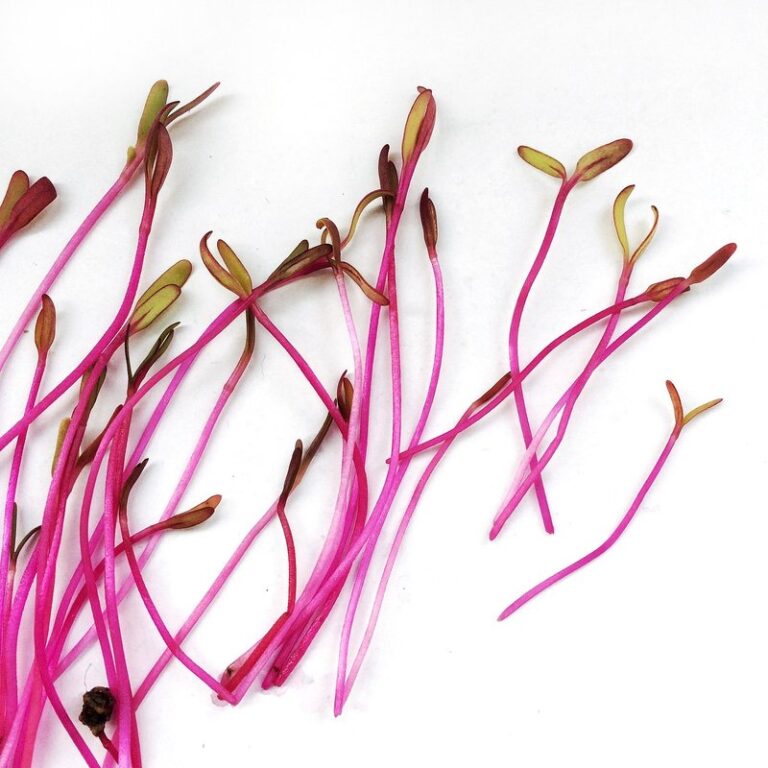
Understanding Bull’s Blood Microgreens Beets
Bull’s blood microgreens beets are a nutrient-dense and visually striking addition to any salad, but they do require some special care. Let’s take a closer look at what makes them unique and how to grow them successfully.
What Are Bull’s Blood Microgreens Beets?
Bull’s Blood microgreens beets are a type of young beetroot that belongs to the Chenopodiaceae family. They originated from the traditional Bull’s Blood beet variety, which was first cultivated in Europe in the 19th century for its vibrant red roots and leafy greens. The “microgreens” designation refers specifically to the young, immature leaves and stems harvested within 1-3 weeks of sowing.
One of the unique characteristics of Bull’s Blood microgreens beets is their intense red color, which is due to the high concentration of betalains – a group of pigments responsible for the plant’s distinctive hue. This vibrant coloration makes them highly desirable in salads and other culinary applications. The flavor profile of Bull’s Blood microgreens beets is mild and sweet, with a hint of earthy undertones.
In terms of growth habits, Bull’s Blood microgreens beets are relatively easy to cultivate and can thrive in a variety of environments. They require minimal space, and their compact growth habit makes them ideal for indoor growing or container gardens. As they mature, the leaves become more robust, but the stems remain slender and delicate. When harvested at the microgreen stage, they retain this tender texture and flavor profile.
Benefits of Growing Microgreens Beets
Microgreens beets are a nutrient-dense superfood that offers numerous benefits when incorporated into your diet. One of the primary advantages is their exceptional nutritional value. A single serving of microgreens beets provides an impressive amount of vitamins A and C, potassium, and fiber. They also contain a unique combination of antioxidants, including betalains, which have been shown to possess anti-inflammatory properties.
In terms of flavor, microgreens beets add a sweet, earthy taste to various dishes. Their delicate flavor profile makes them an excellent addition to salads, sandwiches, and wraps. You can also use them as a garnish or mix with other greens for added depth of flavor. The versatility of microgreens beets lies in their ability to complement a wide range of cuisines, from Asian-inspired stir-fries to Mediterranean-style salads.
To maximize the benefits of growing microgreens beets, consider incorporating them into your recipes frequently. Experiment with different preparation methods, such as roasting or pickling, to unlock new flavors and textures. By adding microgreens beets to your diet, you can boost your intake of essential nutrients and enjoy a delicious, healthy twist on traditional recipes.
Choosing the Right Conditions for Growth
To grow Bull’s Blood microgreens beets successfully, you need to understand how temperature, light, and moisture levels affect their growth. The right conditions will bring out the vibrant red color and delicate flavor of these nutritious greens.
Ideal Temperature and Lighting Requirements
Bull’s blood microgreens beets prefer a consistent temperature between 65°F to 75°F (18°C to 24°C) for optimal growth. Avoid placing them near heating vents, radiators, or drafty windows, as this can cause temperature fluctuations that may hinder germination and development.
Lighting is also crucial for bull’s blood microgreens beets. They require a moderate amount of light to photosynthesize efficiently, but excessive direct sunlight can lead to scorching of the leaves. A south-facing window with filtered or diffused natural light is ideal. If you’re growing indoors under grow lights, use LED or fluorescent lights with a spectrum specifically designed for leafy greens.
In terms of lighting duration, bull’s blood microgreens beets need around 12-14 hours of light per day. You can supplement this with additional lighting during the winter months when natural daylight is scarce. Keep in mind that insufficient light can lead to weak and leggy growth, while too much light can cause burning or discoloration.
In general, it’s best to provide your bull’s blood microgreens beets with a consistent photoperiod (light-dark cycle) to encourage healthy root development and leaf production.
Seed Selection and Sowing Techniques
When it comes to growing bull’s blood microgreens beets, selecting the right seeds is crucial for a successful harvest. Look for seeds from reputable suppliers that specialize in microgreens, as they will have been bred specifically for their compact growth habit and intense coloration. Some popular brands include Johnny’s Selected Seeds and High Mowing Seeds.
When sowing your seeds, use a shallow tray or container with drainage holes to prevent waterlogged soil. Sow the seeds about 1-2 mm deep, depending on the specific variety, and gently firm the growing medium around them. Keep the soil consistently moist during the germination period, which typically lasts 7-10 days.
For optimal growth, sow your seeds in a pattern that allows for good air circulation between each seedling. This can be achieved by sowing in rows or using a grid pattern. Avoid overcrowding, as this can lead to reduced growth rates and increased susceptibility to disease. By selecting high-quality seeds and following proper sowing techniques, you’ll be well on your way to growing healthy, vibrant bull’s blood microgreens beets.
Soil Preparation and Nutrient Requirements
To grow healthy Bull’s Blood microgreens beets, you’ll want to start by preparing a nutrient-rich soil that will provide them with the necessary elements for optimal growth. This section covers the essential steps for creating an ideal growing environment.
Preparing the Growing Medium
When preparing the growing medium for bull’s blood microgreens beets, it’s essential to create a well-balanced mix of soil composition and pH levels. A general potting mix with a slightly acidic pH between 6.0 and 6.8 is suitable for most microgreens varieties, including bull’s blood beets.
If you’re using a hydroponic system or coco coir as your growing medium, aim for a pH range of 5.5 to 6.2. Keep in mind that the ideal pH may vary depending on your specific location and water quality. To test your growing medium’s pH level, use a reliable pH meter or send a sample to a lab for analysis.
A mix with adequate perlite, vermiculite, or sand will help improve drainage and prevent waterlogged conditions, which can lead to root rot. Aim for a ratio of 20-30% perlite or similar materials in your growing medium blend. You may also add some organic matter like compost or worm casting to enhance nutrient availability.
For hydroponic systems, ensure the nutrient solution is pH-balanced and adjusted regularly to prevent fluctuations that can harm your microgreens. Monitor your growing environment’s temperature, humidity, and light levels to create optimal conditions for bull’s blood microgreens beets growth.
Essential Nutrients for Optimal Growth
Bull’s blood microgreens beets require a balanced diet of essential nutrients to reach optimal growth. Nitrogen is crucial for leaf development and photosynthesis, and it’s best provided through organic sources such as fish emulsion or compost tea. Aim to maintain a nitrogen level between 0.5-1.2% in the growing medium.
Phosphorus promotes root development and cell division, so it’s essential for healthy microgreen growth. Use bone meal or rock phosphate to add phosphorus-rich nutrients to your mix. Maintain a phosphorus level of around 0.2-0.8%.
Potassium helps maintain overall plant health by regulating water balance and resisting disease. Add potassium-rich ingredients like kelp meal or alfalfa meal to your growing medium. Opt for a potassium level between 0.5-1.5%. Avoid over-fertilizing, as this can lead to weakened roots and poor nutrient uptake.
Some other nutrients are also beneficial for optimal growth:
- Calcium: supports cell wall development and bone formation
- Magnesium: aids in photosynthesis and energy production
- Sulfur: involved in protein synthesis and plant defense
These micronutrients should be present in small amounts, typically around 0.1-0.5% of the total nutrient mix.
Germination and Growth Stages
After you’ve successfully sown your Bull’s Blood microgreens beets, it’s time to focus on their germination and growth stages, where they’ll start to thrive in your care. This crucial period sets the foundation for a bountiful harvest.
Optimizing Germination Rates
Optimizing germination rates is crucial for healthy and productive growth of Bull’s Blood microgreens beets. To begin with, consider seed stratification, a process where seeds are exposed to a period of cold temperatures before sowing. This can help break dormancy and improve germination rates. You can achieve this by placing the seeds in a plastic bag or container in the refrigerator for 1-2 weeks prior to sowing.
Once you’ve prepared your seeds, ensure they receive adequate moisture during the germination phase. Keep the soil consistently moist but not waterlogged. Most microgreens beets will germinate within 7-10 days when provided with optimal conditions. However, a small minority may take up to two weeks to emerge. Monitor the soil’s moisture levels closely and adjust as necessary.
To optimize germination rates further, consider using a propagation tray or cell pack with built-in water reservoirs. This can help maintain consistent moisture levels and reduce the risk of overwatering. Additionally, ensure good air circulation around the seedlings by providing adequate space between rows and maintaining a relatively low humidity environment.
Monitoring Growth and Pruning Techniques
As bull’s blood microgreens beets grow, it’s essential to monitor their development closely. Check on them daily for signs of nutrient deficiencies, pests, or diseases. Look out for yellowing leaves, stunted growth, or an excessive amount of white roots – these can indicate issues that require attention.
To promote healthy development, prune your microgreens beets regularly. Remove any weak or spindly growth to direct the plant’s energy towards producing a stronger crop. Use scissors to snip off any damaged or discolored leaves at their base. This technique is called “thinning,” and it helps prevent overcrowding, which can lead to reduced yields and increased disease susceptibility.
When pruning, aim for a 1-2 inch gap between each plant to allow for proper air circulation. This also makes it easier to inspect the plants from all sides and identify any potential problems early on. Don’t be afraid to trim back your microgreens beets if they start to get too leggy – this will encourage bushy growth and a more even harvest.
Harvesting and Storage Tips
Now that your Bull’s Blood microgreens beets are ready, it’s essential to harvest them correctly to preserve their flavor and nutritional value. Proper storage techniques will also help extend their shelf life.
Identifying the Right Time for Harvest
To identify when bull’s blood microgreens beets are ready for harvest, look for a few key signs. One of the most obvious indicators is color: the leaves should have developed their characteristic deep red or maroon hue, and the stems should be a vibrant, fleshy pink. As the plants mature, they’ll also start to develop a more compact, bushy shape.
Check the roots regularly by gently grasping them near the soil surface and giving a gentle tug. When they’re ready, they should come out easily with minimal resistance. Typically, this happens around 7-10 days after sowing, but it can take up to two weeks depending on factors like temperature, light, and nutrient availability.
It’s essential to harvest your microgreens beets at the right time to ensure optimal flavor, texture, and nutritional value. Harvesting too early or late can lead to stunted growth, reduced yields, or even root rot. Consider a ‘cut-and-come-again’ approach: after harvesting the initial crop, leave some plants intact to regrow, providing multiple harvests from the same batch.
Check for any signs of bolting (premature flowering), which can compromise flavor and texture. A small minority of microgreens beets may bolt prematurely due to stress or inadequate growing conditions.
Proper Handling and Storage Methods
When handling harvested microgreens, it’s essential to minimize damage and prevent moisture loss. Gently lift the entire tray or container by the sides, rather than grasping the stems directly, which can cause breakage. If harvesting individual leaves, use a pair of scissors or a sharp knife to snip them off at the base.
For storage, microgreens beets are best kept in a sealed plastic bag or airtight container to maintain humidity and prevent moisture loss. Store them in the refrigerator at a consistent temperature between 32°F and 40°F (0°C and 4°C). Avoid washing the microgreens before storing; instead, gently brush off any loose debris.
When storing, consider grouping similar varieties together to ensure even drying and prevent flavor transfer between different types. Microgreens typically retain their quality for 5-7 days when stored properly. To extend shelf life, you can also store them in a sealed container with a paper towel or cloth to absorb excess moisture.
Keep in mind that microgreens beets are highly perishable, so it’s crucial to use them within a day or two of harvesting for optimal flavor and texture.
Troubleshooting Common Issues
Growing Bull’s Blood microgreens beets can be finicky, but most common issues stem from inconsistent moisture levels and poor temperature control. We’ll address these problems head-on in this section.
Addressing Pests and Diseases
Pests and diseases can significantly impact the health and yield of your bull’s blood microgreens beets. Among the common pests affecting microgreens are aphids, whiteflies, and spider mites. These tiny insects feed on plant sap, causing curled or distorted leaves and stunted growth.
To prevent infestations, maintain a clean growing environment by regularly inspecting your plants for signs of pests and removing any affected areas. Use physical barriers, such as fine mesh or fine netting, to prevent flying pests from reaching your microgreens. For aphid control, introduce natural predators like ladybugs or lacewings, which feed on aphids without harming beneficial insects.
Some common diseases affecting bull’s blood microgreens beets include powdery mildew and downy mildew. These fungal infections often develop in humid environments with poor air circulation. To prevent disease, ensure good air circulation around your plants by spacing them appropriately and using fans to circulate the air. Water your microgreens in the morning, allowing the leaves to dry before nightfall, which can help reduce moisture-related diseases.
Key factors that contribute to disease susceptibility include:
- High temperatures above 75°F (24°C)
- Excessive watering
- Poor soil quality or inadequate nutrient supply
- Insufficient light
Monitoring your plants regularly and taking prompt action when issues arise will significantly improve the chances of successful microgreens growth.
Dealing with Nutrient Deficiencies
Common nutrient deficiencies in bull’s blood microgreens beets can manifest as stunted growth, yellowing or pale leaves, or reduced overall vigor. One common issue is a lack of iron, which can cause leaves to appear bleached or washed out. To address this, you can add a small amount of balanced fertilizer during the germination phase or use a foliar spray with iron-rich nutrients. Sulfur deficiency often results in lighter green or yellowish coloration on older leaves, while nitrogen deficiency causes a general decline in growth and leaf size.
Aphid infestations can also contribute to nutrient deficiencies by sucking sap from plant tissues and reducing overall nutrient uptake. To prevent this, ensure proper air circulation around your microgreens beets and monitor for aphid activity regularly. Regularly testing your growing medium’s pH levels is also essential to catch any potential nutrient imbalances early on. If you suspect a nutrient deficiency, adjust your fertilization schedule accordingly and closely monitor plant response.
Frequently Asked Questions
Can I Grow Bull’s Blood Microgreens Beets Indoors with Artificial Lighting?
Yes, you can grow bull’s blood microgreens beets indoors using artificial lighting. To ensure optimal growth, use LED grow lights that provide a balanced spectrum and maintain a temperature range between 65°F to 75°F (18°C to 24°C). Monitor the light intensity and adjust as needed to prevent overexposure.
How Long Does It Take for Bull’s Blood Microgreens Beets to Reach Harvest Size?
Bull’s blood microgreens beets typically take 1-3 weeks to reach harvest size, depending on growing conditions. Factors like temperature, lighting, and nutrient availability can influence growth rates. Monitor your crop closely and adjust growing conditions as needed to ensure optimal growth.
What Happens If I Don’t Provide Enough Nitrogen for My Bull’s Blood Microgreens Beets?
Nitrogen deficiency can cause bull’s blood microgreens beets to develop yellow or pale leaves. To prevent this, ensure you provide enough nitrogen-rich nutrients during the growth stage. Monitor your crop regularly and adjust nutrient levels as needed.
Can I Mix Bull’s Blood Microgreens Beets with Other Leafy Greens in a Salad?
Yes, bull’s blood microgreens beets can be mixed with other leafy greens like kale, spinach, or arugula to create unique salad combinations. Their sweet and earthy flavor complements many types of greens, adding texture and depth to salads.
How Do I Store Bull’s Blood Microgreens Beets After Harvest to Preserve Freshness?
To store bull’s blood microgreens beets after harvest, keep them in a sealed container or bag with a damp paper towel. Maintain refrigerator temperatures between 32°F to 40°F (0°C to 4°C) and consume within 1-2 weeks for optimal flavor and texture.
