
Proper storage and handling can make all the difference in keeping your eggs fresh for a longer period. Many people are unaware that eggs, even when stored in the refrigerator, have a limited shelf life. Factors such as storage temperature, egg size, and breed of chicken can affect their freshness. If you’re like most households, you likely buy eggs regularly but may not know how to maintain their quality. To minimize food waste and ensure you always have access to fresh eggs for cooking and baking, it’s essential to understand the right techniques for storing them. In this article, we’ll cover advanced methods for maintaining egg quality in various environments, including proper storage temperatures, humidity control, and handling tips to keep your eggs fresh for as long as possible, allowing you to enjoy their full nutritional value.
Understanding Egg Storage and Handling
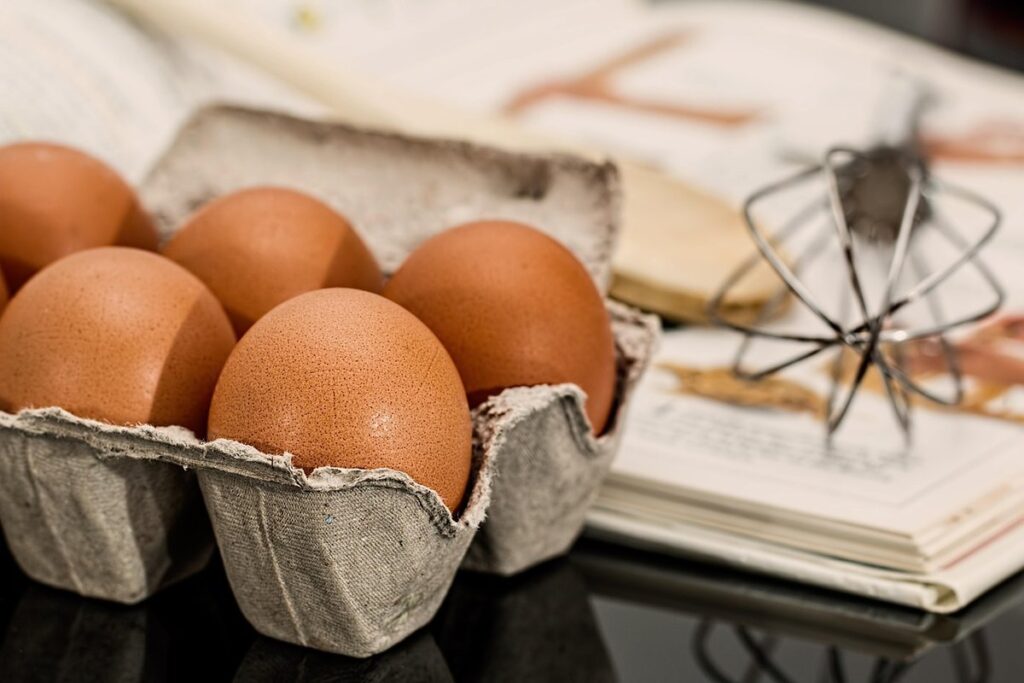
When it comes to keeping eggs fresh, proper storage and handling are crucial. In this next part of our guide, we’ll explore how to store eggs safely at home.
The Importance of Proper Handling
Proper handling is a critical factor in maintaining egg freshness. During transportation, eggs are susceptible to damage from impacts, vibrations, and temperature fluctuations. If an egg is dropped or subjected to sudden changes in pressure, the impact can cause cracks on the shell, allowing bacteria to enter the egg and compromise its quality.
Even before reaching your home, eggs may be mishandled during storage at the farm or in transit. This can result in bruised or broken shells, which render the egg vulnerable to spoilage. At home, eggs are often stored in humid environments, such as refrigerators with high humidity levels, where moisture can seep into the shell and cause it to become brittle.
To minimize the risk of damage, it’s essential to handle eggs gently and store them in a dry, cool place. Wrap eggs individually in paper towels or cloth before placing them in their storage container to prevent them from coming into contact with other eggs. This simple precaution can help prevent cracks and maintain egg freshness during storage.
Factors Affecting Egg Freshness
Egg freshness is influenced by several factors beyond just storage and handling. The breed of chicken plays a significant role, as some breeds are naturally more prolific layers and tend to produce eggs with longer shelf lives. For example, Leghorns are known for their high egg production rates, but their eggs may not last as long as those from slower-producing breeds like Orpingtons.
The diet of the chicken also impacts egg freshness. Hens that eat a balanced diet rich in omega-3 fatty acids and vitamins tend to produce higher-quality eggs with better moisture retention. Conversely, hens fed low-quality feed may lay eggs with lower water content, making them more prone to spoilage.
Age is another critical factor in determining egg freshness. As hens mature, their egg-laying abilities naturally decline, and the quality of their eggs deteriorates. Most commercial egg farms cull their flocks at around 18-24 months to maintain consistency in egg production and quality.
Younger hens typically produce higher-quality eggs with longer shelf lives, but this also means they may require more frequent replacement to ensure a consistent supply of fresh eggs.
Selecting and Storing Eggs
When it comes to keeping fresh eggs, selecting high-quality ones is crucial. Choosing the right eggs and storing them properly will help keep your eggs fresh for a longer period.
Choosing the Right Egg Storage Container
When it comes to storing eggs, a suitable container is essential for maintaining their freshness. Cartons are often the go-to choice, but not all cartons are created equal. Opt for ones made from high-density polyethylene (HDPE) or polypropylene (PP), as these materials provide excellent protection against moisture and contaminants.
Baskets can also be used to store eggs, especially if you have a lot of them. Look for baskets with individual compartments to keep the eggs separate and prevent them from rolling around. However, baskets may not offer the same level of protection as cartons or airtight containers.
Airtight containers are another great option, particularly those made from glass or BPA-free plastic. These containers allow you to store eggs in their original packaging, which helps maintain humidity levels and prevents moisture from entering. When choosing an airtight container, make sure it has a tight-fitting lid that won’t compromise the seal.
When selecting a storage container, consider the environment where the eggs will be stored. If you live in a humid climate or have pets that like to investigate the kitchen, opt for a more secure option like an airtight container.
Proper Storage Techniques
When storing eggs in a refrigerated environment, maintain a consistent temperature between 39°F and 41°F (4°C to 5°C). Ensure the storage container fits snugly inside the refrigerator to prevent temperature fluctuations. In non-refrigerated settings, store eggs at room temperature, away from direct sunlight and heat sources.
For optimal freshness, keep eggs in their original carton or a covered container with a secure lid. Store them upright, pointy end down, to prevent moisture from entering through the small air pocket at the large end of the egg. This orientation also helps maintain the egg’s natural humidity barrier.
In extremely humid environments, consider using an egg storage container with individual compartments or a desiccant packet to absorb excess moisture. Avoid storing eggs near strong-smelling foods, as odors can transfer easily and affect the egg’s flavor and quality.
When transporting eggs between storage locations, keep them in their original carton or a protective covering to prevent jostling and potential breakage. This helps maintain the egg’s integrity and prevents any potential contamination during transit.
Refrigeration and Cooling Methods
To keep fresh eggs for a longer period, you’ll want to explore various refrigeration and cooling methods that suit your needs and lifestyle. From storing in the fridge to using specialized egg coolers.
Benefits of Refrigerating Eggs
Refrigeration plays a crucial role in maintaining egg freshness. When eggs are stored at room temperature, bacteria can multiply rapidly, leading to spoilage and contamination. A refrigerator provides a cool environment that slows down bacterial growth, significantly extending the shelf life of eggs.
The ideal storage temperature for eggs is between 3°C and 5°C (37°F to 41°F). At this range, the risk of bacterial contamination decreases dramatically. Refrigeration also helps to prevent moisture buildup, which can cause eggs to become soggy or develop off-flavors.
In a refrigerator, eggs should be stored in their original carton or container to prevent moisture and other contaminants from entering. It’s essential to keep eggs away from strong-smelling foods, as the eggs may absorb odors easily. By refrigerating eggs promptly after purchase and maintaining a consistent storage temperature, you can enjoy fresh eggs for several weeks without worrying about spoilage.
In addition to slowing down bacterial growth, refrigeration also helps to maintain egg quality by preventing moisture buildup and reducing the risk of accidental cracking or breaking.
Alternative Cooling Methods
If refrigeration is not readily available or practical, you can use alternative cooling methods to keep eggs fresh. One option is to use an ice bath: fill a large container with ice and submerge the eggs in it for several hours. This method is especially useful when you’re traveling or don’t have access to a fridge.
Another approach is to cool eggs by immersing them in cold water, which can be as simple as placing them in a sink filled with icy water. The key here is to keep the eggs submerged and change the water frequently to maintain a consistent low temperature.
Evaporative cooling is another technique that works well when you don’t have access to electricity or other cooling devices. You can use wet towels or cloth to wrap around the container holding the eggs, allowing evaporation to occur and thus creating a cooling effect. This method may take longer to achieve the desired result but is still an effective alternative.
When using these methods, make sure to keep the eggs away from direct sunlight and heat sources to maintain their freshness.
Monitoring Egg Freshness
Egg freshness is crucial for food safety, so let’s explore how to check and maintain your eggs’ quality at home. We’ll discuss simple methods to verify if your eggs are still good to eat.
Signs of Spoilage and Deterioration
Eggs that are approaching spoilage often exhibit visible cracks on their shells. These cracks can be hairline fractures or more substantial breaks, but they all serve as entry points for bacteria and other contaminants. Beyond physical damage, eggs may develop a slimy texture when exposed to warm temperatures or humidity. This is usually accompanied by an unpleasant odor, which is a clear indication that the egg has gone bad.
The sliminess on spoiled eggs can be subtle at first, but it becomes increasingly pronounced as time passes. It’s essential to examine your eggs regularly for these signs and err on the side of caution when in doubt. Off smells are another common indicator of spoilage – if an egg emits a strong, sulfurous odor or has a sweet, almost fruity aroma, it’s likely past its prime.
In some cases, the changes may be more subtle: eggs may develop a cloudy appearance, particularly around the yolk, or become slightly swollen due to gas buildup. These symptoms can occur even in refrigerated storage if the temperature is consistently above 40°F (4°C).
Testing for Freshness
Checking an egg’s freshness can be done using various methods. One common method is the weight test: a fresh egg will weigh more than a week-old one due to its higher water content. However, this method isn’t entirely reliable as it doesn’t account for variations in egg size and breed.
A more accurate method is the float test: place an egg in a bowl of cold water. If it sinks to the bottom, it’s likely fresh. If it stands on its end or floats, it may be older. The reason for this is that as eggs age, their air cell expands, causing them to lose buoyancy.
The candlelight inspection method involves shining a bright light through a clean egg to check for any signs of spoilage. Look for any visible cracks or blood spots around the yolk. If you notice anything unusual, it’s best to err on the side of caution and discard the egg. While this method isn’t foolproof, it can give you an idea of the egg’s overall condition.
Keep in mind that no single method is 100% accurate, so combining them may provide a more reliable assessment of your eggs’ freshness.
Advanced Egg Storage Techniques
To take your egg storage skills to the next level, we’ll explore more advanced techniques for keeping eggs fresh beyond basic refrigeration methods. This includes using specialized containers and clever storage hacks.
Using Silica Gel and Desiccants
Silica gel and desiccants can be effective tools for maintaining egg freshness in extreme environments or for extended periods. These materials work by absorbing moisture from the air, creating a dry environment that prevents bacterial growth and spoilage.
When using silica gel or desiccants, it’s essential to understand their limitations. They are not a substitute for proper storage techniques, such as keeping eggs clean and dry before storing them. However, they can be used in conjunction with other methods to extend the shelf life of eggs.
For example, you can place silica gel packets inside an egg storage container or wrap desiccant sachets around individual eggs. This will help maintain a consistent level of humidity within the storage area, preventing moisture buildup and bacterial growth.
Some benefits of using silica gel and desiccants include:
- Reduced risk of spoilage in high-humidity environments
- Extended shelf life for eggs stored for an extended period
- Non-toxic and food-safe materials
When selecting a desiccant or silica gel product, look for materials specifically designed for use with food. Some popular options include silica gel packets and activated alumina sachets. By incorporating these products into your egg storage routine, you can maintain fresh eggs even in challenging conditions.
Creating a Home Egg Fridge
To create a home egg fridge, you’ll need a few basic materials and some creativity. Start by selecting a container with good insulation properties, such as a plastic storage bin or a wooden crate. Line the interior with a moisture-resistant material like cardboard or paper to prevent eggs from coming into contact with potential contaminants.
For natural insulation, consider using materials like straw bales, shredded newspaper, or even dry grass clippings. These will help maintain a consistent temperature within the container while minimizing energy consumption. Proper ventilation is also crucial – ensure there are gaps for air exchange between the egg compartment and the surrounding environment to prevent moisture buildup.
One potential drawback of this approach is the risk of temperature fluctuations, which can affect egg quality. To mitigate this, place the home egg fridge in a cooler area or use additional insulation materials like foam board or fiberglass blankets. Regularly check the temperature using a thermometer to ensure it remains within a safe range (around 40°F/4°C). By following these steps and being mindful of potential drawbacks, you can create an eco-friendly home egg fridge that effectively stores your eggs while promoting sustainability.
Troubleshooting Common Issues
We’ve all been there – wondering why our fresh eggs are getting stale, developing off smells, or not keeping as long as we’d hoped. Let’s tackle some common issues that can affect your egg freshness.
Dealing with Cracked or Broken Eggs
Cracked or broken eggs pose a significant risk of contamination. When an egg cracks during storage, bacteria from the surrounding environment can seep inside and multiply rapidly on the egg’s interior surfaces. This compromises the egg’s integrity and makes it unsafe for consumption.
To handle cracked or broken eggs safely, it’s essential to identify them promptly. Check your stored eggs regularly for any visible signs of damage. If you notice a crack or breakage, carefully remove the affected egg from storage to prevent further contamination.
Once removed, consider discarding the egg altogether to avoid the risk of foodborne illness. If you’re unsure whether an egg is safe to use, err on the side of caution and discard it. In some cases, an egg’s shell may appear intact but still harbor internal damage. To minimize this risk, store eggs in a single layer, pointed end down, within their carton.
A cracked or broken egg can also affect the quality of surrounding unbroken eggs through moisture transfer and cross-contamination. Handle damaged eggs with care to prevent further spread of bacteria and maintain the overall freshness of your stored eggs.
Managing Excessive Moisture
Maintaining a dry environment is crucial for preventing mold growth and spoilage. When moisture levels are high, eggs can absorb excess water, leading to a shorter shelf life. To control moisture levels, ensure that your storage container has good airflow. Avoid storing eggs in humid areas, such as basements or near ovens, where moisture tends to accumulate.
Some common culprits of excessive moisture include dampened egg cartons, condensation on the container’s lid, and high humidity in the surrounding environment. Check your storage setup regularly for signs of moisture buildup. You can also use silica gel packets or a dehumidifier near the storage area to maintain a dry atmosphere.
If you notice mold growth or excessive moisture in your storage environment, take prompt action by replacing the affected eggs or adjusting your storage conditions. Regularly inspecting and maintaining your storage setup will help prevent moisture-related issues and keep your eggs fresh for longer.
Frequently Asked Questions
What if I don’t have access to refrigeration? Can I still store eggs safely?
Yes, alternative cooling methods like ice baths or cold water can be used in emergency situations. However, it’s essential to note that these methods may not provide the same level of freshness as refrigeration. To ensure egg safety, always handle and store them with clean hands and equipment.
How do I know when an egg has gone bad despite following proper storage procedures?
Eggs can spoil even if stored correctly, especially if they’re old or have been contaminated. Look for visible cracks, slimy texture, or off smells to determine spoilage. If in doubt, perform a freshness test like the weight or float test.
Can I store eggs at room temperature if I live in a cooler climate?
While it’s technically possible to store eggs at room temperature in temperate climates, it’s still crucial to follow proper handling and storage techniques. Eggs can be more susceptible to contamination without refrigeration, so monitor them closely for signs of spoilage.
What’s the best way to clean up cracked or broken egg spills on my kitchen floor?
Cracked or broken eggs can pose a risk of salmonella contamination. To clean up spills safely, use soap and hot water to thoroughly wash the area. Disinfect with a solution of equal parts water and white vinegar to prevent bacterial growth.
Can I store eggs in a normal fridge without a dedicated egg storage container?
While it’s not ideal, you can store eggs in a standard fridge container like a Tupperware or plastic bin. However, make sure the container is clean, dry, and airtight to maintain egg freshness. Always keep them away from strong-smelling foods that might transfer odors to the eggs.

