
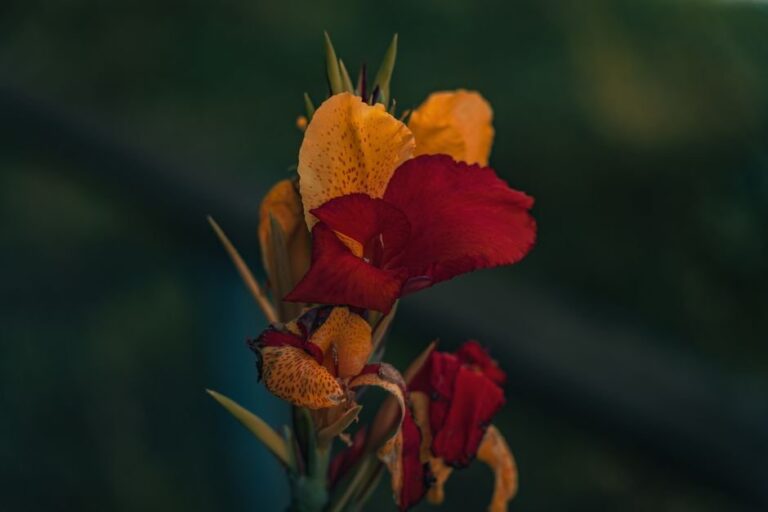
Planting canna lily bulbs requires careful consideration, as they thrive in specific conditions. If you’re looking to add a pop of color to your garden with these vibrant flowers, it’s essential to get it right from the start. Canna lilies are sensitive to frost and require well-draining soil, making them ideal for warm climates or containers that can be brought indoors during winter. When planted correctly, they reward you with stunning blooms in shades of red, orange, and yellow. However, many gardeners struggle to coax healthy growth from these beautiful bulbs. In this article, we’ll walk you through the steps to successfully plant canna lily bulbs, covering everything from selecting a suitable location to post-planting care for optimal results. By following our guide, you’ll be able to grow vibrant and thriving canna lilies in your garden.
Choosing the Right Location and Climate
When planting canna lily bulbs, choosing a location that gets full sun to partial shade is crucial, as well as selecting a climate that matches their hardiness zone requirements.
Understanding Canna Lilies’ Sun Requirements
Canna lilies require full sun to partial shade, depending on their variety. For optimal growth, most canna lily varieties need at least 6 hours of direct sunlight per day. However, some dwarf or compact varieties can tolerate partial shade, especially in warmer climates. When choosing a location for your canna lily bulbs, consider the amount of sunlight your yard receives and select a spot that meets their needs.
In full sun areas, canna lilies will produce more vibrant blooms and grow taller, but they may require more frequent watering to prevent scorching. On the other hand, partial shade locations will still allow for decent growth and flowering, but you may need to prune them regularly to maintain a desired height.
If you’re planting in an area with high temperatures or intense sunlight, consider providing some afternoon shade for your canna lilies. This can be achieved by planting under a tree with a dense canopy or using a trellis to filter the sun’s rays. Keep in mind that canna lilies grown in partial shade may not produce as many flowers as those grown in full sun conditions.
Selecting a Suitable Climate Zone
When selecting a location for planting canna lily bulbs, it’s essential to consider the ideal temperature range and suitable climate zones. Canna lilies thrive in temperatures between 65°F (18°C) and 85°F (29°C), making them perfect for USDA Hardiness Zones 9-11. If you live in an area with colder winters or hotter summers, there are still options available.
For areas with cold winters, look for canna varieties that are tolerant of frost or use containers that can be moved indoors during winter. In regions with extremely hot summers, plant canna lilies in shaded areas or provide afternoon shade to prevent scorching. When choosing a location, also consider the amount of rainfall your area receives.
Typically, canna lilies require 1-2 inches of rainfall per week, either from natural sources or irrigation. If your region experiences droughts or has low rainfall, make sure to water regularly during the growing season. By understanding the temperature range and climate requirements for canna lilies, you can create an ideal environment for these beautiful plants to thrive. Consider zones with mild winters and warm summers to ensure optimal growth.
Preparing the Soil and Planting Site
Before you can start planting your canna lily bulbs, you’ll need to prepare a site that provides the right conditions for them to thrive. This involves creating a fertile soil environment that will support their growth.
Testing and Amending Your Soil Type
To create an optimal growing environment for your canna lily bulbs, it’s essential to test and amend your soil type. Start by purchasing a soil testing kit from a gardening store or online. These kits usually involve mixing a small amount of soil with a chemical solution, which is then measured against a color chart to determine pH levels.
If your soil is clay-heavy, you’ll want to add organic matter like compost or well-rotted manure to improve drainage and structure. For sandy soils, mix in some peat moss or coconut coir to increase water retention and fertility. You can also amend your soil with a balanced fertilizer, following the instructions on the packaging for proper application rates.
Some popular options for amending clay-heavy soils include:
- Adding 2-3 inches of compost
- Mixing in 1/4 cup of gypsum per square foot
- Incorporating 2-3 tablespoons of Epsom salt per plant
For sandy soils, try:
- Adding 1-2 cups of peat moss per square foot
- Mixing in 1 tablespoon of kelp meal per plant
- Applying a layer of mulch to retain moisture and suppress weeds
Digging and Preparing the Planting Hole
When digging the planting hole for canna lily bulbs, it’s essential to consider both depth and width. The hole should be about 6-8 inches deep, allowing enough room for the bulb’s rhizome and roots to spread out without being crowded. A hole that is too shallow may cause the bulb to dry out, while one that is too deep can lead to rot.
As a rule of thumb, plant the bulbs at a depth that is two to three times their height above the soil surface. For example, if your canna lily bulb is 4 inches tall, you should bury it 8-12 inches deep. Space the holes about 1-2 feet apart, depending on the variety and growth habits of the plant.
Before filling in the hole, prepare the surrounding area by loosening the soil to a depth of about 6 inches. This will help prevent any potential waterlogging or settling issues that could affect the bulb’s establishment. Use a gentle rocking motion with your shovel to loosen the soil without damaging any underlying roots or structures.
Planting Canna Lily Bulbs at the Right Time
When planting canna lily bulbs, timing is crucial to ensure they thrive. Let’s start by discussing how to determine when it’s safe to plant these beautiful flowers in your garden.
Determining When to Plant in Your Region
To determine when to plant canna lily bulbs in your region, start by consulting a reliable frost date chart for your area. This will give you an idea of the last expected frost date and the first expected frost date, which is crucial for canna lilies’ early growth stages. Canna lilies typically need about 60-90 days of warm weather to establish themselves before the first frost.
Check your soil temperature as well, as it should be around 55°F (13°C) or higher for optimal germination and growth. You can use a soil thermometer to check the temperature at a depth of about 4-6 inches. Keep in mind that soil temperature is more significant than air temperature when it comes to planting canna lily bulbs.
If you live in an area with mild winters, you may be able to plant canna lilies as early as late winter or early spring. However, if your region experiences harsh frosts, it’s best to wait until the soil has warmed up and the risk of frost has passed. As a general rule of thumb, plant canna lily bulbs about 4-6 weeks after the last expected frost date in your area.
Planting Techniques for Healthy Growth
When planting canna lily bulbs, it’s essential to handle the rhizomes with care. Start by gently separating the rhizomes from each other, taking note of any new growth or buds that may have developed since harvesting. This will help you determine which direction the plant should grow and ensure even spacing.
Plant the rhizome so that its “eyes” (small buds on the stem) are facing upwards and slightly above the soil surface. Space the rhizomes about 1-2 feet apart, depending on the variety’s mature size. This will give the plants room to spread out as they grow.
To secure the rhizome firmly in place, plant it at a depth of around 2-3 inches, making sure the base is covered with soil. Gently firm the soil around the rhizome to prevent settling or shifting during watering. Avoid pressing too hard, which can damage the delicate roots.
Post-Planting Care and Maintenance
After planting your canna lily bulbs, it’s essential to provide them with proper care and maintenance to ensure they thrive. This includes regular watering, fertilizing, and monitoring for pests and diseases.
Watering and Mulching Strategies
After planting canna lily bulbs, it’s essential to establish a consistent watering routine. Water them regularly during their first growing season, usually every 1-2 weeks, depending on weather conditions. The soil should feel slightly moist but not soggy to the touch. Avoid overwatering, which can lead to rot and other issues. Aim for about 1 inch of water per week, either from rain or irrigation.
For mulching, apply a layer of organic material like wood chips or bark around 2-3 inches deep. This helps retain moisture, suppress weeds, and regulate soil temperature. Mulch also breaks down over time, adding nutrients to the soil. Keep the mulch layer about an inch away from the plant’s base to prevent moisture from accumulating and causing rot.
In hot climates, you may need to water more frequently to compensate for increased evaporation. In areas with low rainfall, consider installing a drip irrigation system or soaker hose to deliver water directly to the roots without wasting it on surrounding soil. Regularly inspect your plants’ watering needs by checking the soil’s moisture and adjusting your schedule accordingly.
Fertilizing and Pruning Tips
Fertilizing canna lily bulbs is crucial for their optimal growth and flowering. Feed them with a balanced fertilizer as soon as new shoots emerge from the soil, typically 1-2 weeks after planting. You can use a water-soluble fertilizer or a granular one applied directly to the soil around the base of the plant.
For optimal results, fertilize your canna lilies every 4-6 weeks during the growing season, which usually lasts from late spring to early fall. However, avoid over-fertilizing, as this can lead to weak and leggy growth.
When it comes to pruning, remove any dead or dying leaves or flowers to maintain the plant’s appearance and prevent the spread of disease. Deadheading spent flowers will encourage your canna lilies to produce more blooms throughout the season. Simply cut back the flower stalks to about 6 inches from the soil surface after they have finished blooming.
Here are some key pruning tips:
- Remove any dead or damaged leaves as soon as you notice them.
- Cut back the foliage to about 3-4 inches from the ground in the fall to prepare your canna lilies for winter dormancy.
- Avoid cutting back the foliage too aggressively, as this can weaken the plant.
Frequently Asked Questions
How Often Should I Water Canna Lily Bulbs in Hot Weather?
Yes, it’s essential to increase the frequency of watering in hot weather. Water your canna lily bulbs at least once a week during prolonged heatwaves or when temperatures exceed 90°F (32°C). Check the soil moisture by inserting a finger into the soil up to about two inches deep; if the soil feels dry, it’s time for another watering.
Can I Plant Canna Lily Bulbs in Containers?
Yes, you can plant canna lily bulbs in containers. Choose a large container with good drainage and use a well-draining potting mix specifically designed for tropical plants like canna lilies. Make sure the container is at least 6-8 inches deep to accommodate the rhizome’s growth.
What if I Forget to Plant Canna Lily Bulbs Before Frost?
If you forget to plant your canna lily bulbs before frost, wait until spring when the soil has warmed up and new growth begins. Dig up the tubers from their winter storage, inspect them for damage, and replant them in the ground at the same depth as before.
How Do I Protect Canna Lily Bulbs From Deer and Other Wildlife?
To protect your canna lily bulbs from deer and other wildlife, consider using physical barriers such as chicken wire or hardware cloth to enclose the planting area. You can also try repellents like hot pepper spray or predator urine granules to deter animals.
Can I Divide and Replant Canna Lily Bulbs After a Few Years?
Yes, you can divide and replant canna lily bulbs after 3-4 years when they become overcrowded. Choose healthy sections with at least one growing eye each and separate them from the mother plant. Plant the divisions in well-draining soil with plenty of sunlight, and water thoroughly to establish a strong root system.
