
Planting rice is an art that requires careful attention to detail, from selecting the right variety for your climate to ensuring optimal water management throughout the growing season. You may have heard that rice is one of the most widely consumed grains globally, but did you know that it’s also a staple crop in many Asian cultures? For those interested in cultivating their own rice, understanding the basics of planting and care is crucial. This comprehensive guide will walk you through each step of the process, starting with choosing the ideal variety for your specific needs and soil type. We’ll cover essential topics like seed treatment, soil preparation, and water management to help ensure a successful harvest. By the end of this article, you’ll have a solid understanding of how to plant rice, allowing you to grow your own rice with confidence.
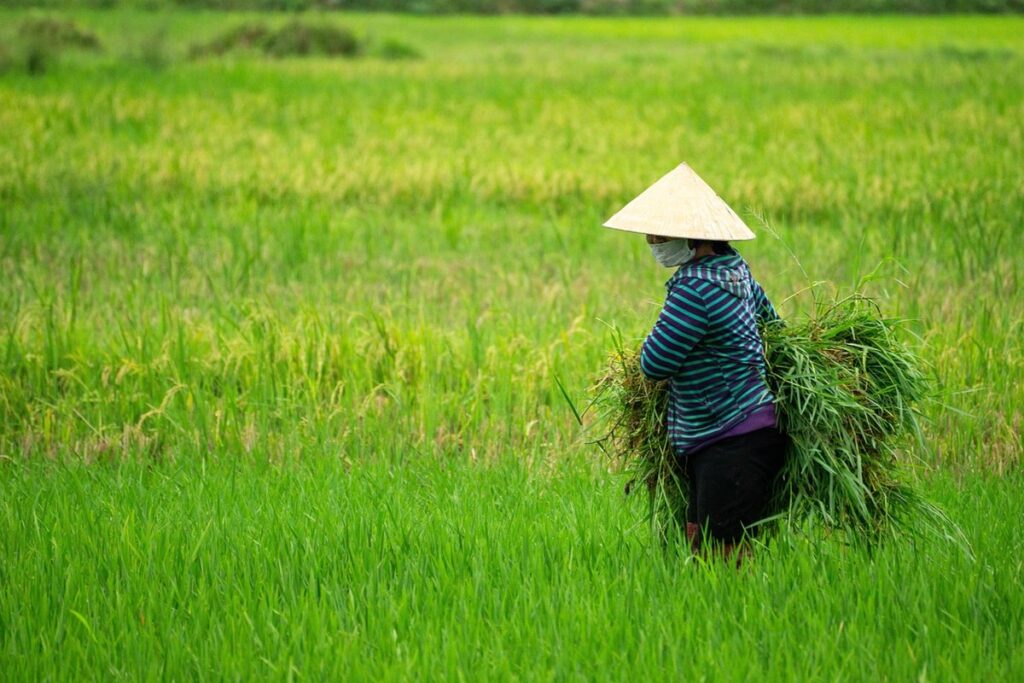
Choosing the Right Variety and Climate
When planting rice, selecting the right variety is crucial for optimal growth, so let’s take a closer look at how to choose the perfect type of rice grain for your climate.
Understanding Rice Varieties
Rice varieties come in a range of types, each with its own unique characteristics. Long-grain rice, for example, is known for its separate grains and fluffy texture when cooked. In contrast, short-grain rice has stickier grains and is often used in sushi and risottos. Aromatic rices, like jasmine or basmati, have distinct flavors and aromas due to their higher oil content.
Choosing the right variety depends on your climate and growing conditions. In warm and humid climates, long-grain varieties tend to thrive. In cooler climates, short-grain varieties may be more suitable. Aromatic rices often require specific temperature and moisture levels, so it’s essential to check the variety’s requirements before planting.
Some popular rice varieties for home growers include ‘Wehani’, a long-grain rice that’s resistant to lodging, and ‘Koshihikari’, a short-grain rice known for its high quality and flavor. When selecting a variety, consider factors like climate tolerance, disease resistance, and yield potential. It’s also a good idea to consult with local nurseries or extension services for advice on the best varieties suited to your specific region.
Rice varieties can be broadly classified into two main categories: indica and japonica. Indica rices are generally more drought-tolerant and high-yielding, while japonica rices have better disease resistance but may require more water.
Preparing Your Soil and Climate
Rice thrives in warm and humid climates with adequate rainfall. The ideal temperature for rice cultivation ranges from 20°C to 35°C (68°F to 95°F), with an optimal average temperature of around 25°C (77°F). Temperatures above 40°C (104°F) can be detrimental, causing stress to the plants.
Soil pH is another critical factor, with most rice varieties requiring a slightly acidic to neutral soil pH between 5.5 and 7.0. Soil texture also plays a crucial role, as rice prefers well-draining, loose soils that allow roots to grow freely. Heavy clay or dense soils can lead to waterlogging, causing root rot and other issues.
To prepare your soil for rice cultivation, you may need to add organic matter such as compost or manure to improve its fertility and drainage. Test your soil pH regularly and adjust it accordingly by adding lime or sulfur as needed. In areas with low rainfall, ensure that the land is properly irrigated before planting. By understanding and replicating these ideal climate and soil conditions, you can create a suitable environment for rice growth and set the stage for successful cultivation.
Maintaining humidity levels between 60% to 80% during the growing season is also essential, as rice plants are sensitive to drought.
Preparing the Rice Seeds
To start, you’ll need to prepare your rice seeds by soaking them in water for 24 hours to help kickstart germination and promote healthy growth. This simple step makes all the difference.
Soaking and Germinating the Seeds
Soaking rice seeds in water helps rehydrate them and initiates germination. To soak, place the seeds in a bowl or container with enough water to cover them. The general rule is to use a 1:3 ratio of water to seed weight. For example, if you have 100 grams of seeds, use 300 milliliters of water. Allow the seeds to soak for 24 hours at room temperature.
After soaking, drain and rinse the seeds thoroughly with clean water to remove any excess moisture. This step is crucial to prevent fungal growth during germination. Next, transfer the seeds to a warm location with a consistent temperature between 70°F to 80°F (21°C to 27°C). The ideal germination temperature for rice seeds is around 75°F (24°C).
Monitor the seeds daily and change the water as needed to maintain moisture levels. Typically, it takes 3-5 days for the seeds to start germinating after soaking. You’ll notice white roots emerging from the seed coat during this period. Once you see signs of germination, proceed with treating the seeds with beneficial microorganisms or planting them directly in the prepared paddy field or container.
Treating Seeds with Beneficial Microorganisms
Treating seeds with beneficial microorganisms is a crucial step in preparing rice seeds for planting. These microorganisms, such as Rhizobia and Azotobacter, can help to break down nutrients, produce plant growth-promoting substances, and enhance seed germination rates.
To treat your seeds with beneficial microorganisms, start by mixing 1-2 teaspoons of effective microorganism (EM) powder or liquid into a cup of water. Stir well to create a solution that is at least 10 times more concentrated than the recommended dilution ratio. Next, soak the rice seeds in this solution for 6-8 hours before germinating them.
The benefits of treating seeds with beneficial microorganisms are numerous. For one, it can increase seed germination rates by up to 20% and promote healthy root growth. Additionally, treated seeds tend to have higher yields and better resistance to diseases. It’s essential to note that different types of beneficial microorganisms may be more effective for specific varieties of rice.
Some popular options include EM-1, a mixture of Lactobacillus, Bifidobacterium, and Streptococcus thermophilus, and Azospirillum brasilense. Always follow the manufacturer’s instructions when using these products and ensure that they are compatible with your specific variety of rice.
Planting Rice
Now that you have prepared your rice seeds and field, it’s time to plant them directly into the soil at a depth of 2-3 inches. This is where precision matters most in the process.
Preparing the Paddy Field or Container
Before planting rice, it’s essential to prepare the paddy field or container properly. For a paddy field, ensure that the soil is well-drained and has adequate irrigation systems in place. Install a network of canals and ditches to facilitate water flow and prevent flooding. This will also help with drainage, allowing excess water to be removed from the field.
If you’re using a container, choose one that’s at least 6-8 inches deep and has good drainage holes. Fill the container with a well-draining potting mix specifically designed for rice cultivation. If your container lacks built-in irrigation systems, consider installing a drip irrigation system or soaker hose to deliver water directly to the roots.
In both cases, ensure that the soil is level and even to prevent water from pooling in certain areas. You can also add a layer of organic matter like compost or well-rotted manure to improve soil fertility and structure. Aerate the soil gently to loosen any compacted layers and promote root growth. This will give your rice seedlings a healthy start when you plant them.
Sowing the Seeds
When sowing rice seeds in a prepared paddy field or container, it’s essential to create an even seedbed. Start by leveling the soil to ensure it’s as flat as possible. You can use a rake or a level tool for this step.
Next, identify the sowing depth based on the specific variety of rice you’re planting. Some varieties require a shallower seed depth, while others need it deeper. A general rule of thumb is to sow seeds 1-2 cm deep in well-draining soil and 2-3 cm deep in heavier soils.
To ensure accurate spacing, use a measuring tape or a calibrated sowing tool. For most rice varieties, you’ll want to space the seeds about 15-20 cm apart. This allows for proper growth and minimizes competition between plants.
When placing the seeds, spread them evenly across the prepared bed, following your chosen spacing pattern. You can also create small furrows or rows with a rake before sowing the seeds for added convenience.
Water Management and Irrigation
When it comes to planting rice, having a reliable water management system is crucial to ensure your crop receives the right amount of moisture at the right time. We’ll explore the basics of water management and irrigation for a successful rice harvest.
Understanding Rice Water Requirements
Rice cultivation requires precise water management to ensure optimal growth and productivity. Water covers about 70% of the paddy field at any given time, making it a critical factor in rice production. The importance of adequate water supply cannot be overstated, as inadequate irrigation can lead to reduced yields, stunted plant growth, or even crop failure.
There are various types of irrigation systems used in rice cultivation, including flood control, sprinkler, and drip irrigation. Flood control systems involve flooding the paddy field with water to a depth of 2-3 inches, which helps maintain a stable temperature and suppress weeds. Sprinkler irrigation is another method where water is distributed over the crop through sprinklers, while drip irrigation delivers water directly to the roots.
For small-scale rice cultivation in containers or backyards, a simple flooding system may be sufficient. However, for larger fields, more complex irrigation systems like sprinkler or drip irrigation may be required. It’s essential to choose an irrigation method that suits your specific climate and soil conditions. In general, it’s recommended to maintain a water depth of 2-3 inches in the paddy field during the vegetative growth stage and reduce it to about 1 inch after the panicle initiation stage.
Implementing Crop-Friendly Water Management Practices
Effective water management is crucial for rice cultivation, as it directly impacts crop yield and quality. During different growth stages of rice, water levels need to be managed accordingly to optimize plant growth.
During the germination stage (0-7 days), the soil should be kept moist but not waterlogged. This helps prevent seed rot and encourages uniform germination. A general rule is to maintain a 1-2 cm depth of water in the field during this period.
As the crop grows, typically after 10-15 days, the water level can be gradually increased to about 5-7 cm. This allows for better root development and reduces evaporation losses. During the tillering stage (20-30 days), the water level may need to be adjusted again to prevent overwatering, which can lead to fungal diseases.
To implement crop-friendly water management practices, consider these key steps:
• Monitor soil moisture levels regularly using a soil probe or electrical conductivity meter.
• Use shallow flooding techniques, such as furrow irrigation, to reduce water usage and runoff.
• Gradually increase water depths according to the plant’s growth stage, rather than sudden changes.
Fertilization and Pest Control
Now that we’ve covered the basics of rice preparation, let’s move on to fertilizing your crop and protecting it from pests that can damage your harvest. Effective fertilization and pest control are crucial for a successful rice crop.
Organic vs. Chemical Fertilizers
When choosing fertilizers for rice cultivation, you have two main options: organic and chemical. Organic fertilizers are made from natural materials such as animal waste, compost, and green manure. They release nutrients slowly, promoting healthy soil biology and reducing the risk of over-fertilization.
On the other hand, chemical fertilizers provide a quick boost of nutrients but can harm beneficial microorganisms in the soil and contaminate water sources if not used carefully. Overuse or misuse of chemical fertilizers can also lead to soil salinization, reduced crop yields, and increased pest pressure. Rice varieties grown using chemical fertilizers may exhibit stunted growth, poor grain quality, and lower yield.
To give you a better idea of the difference, consider this: organic fertilizers typically release 10-20% of their nutrients within the first month after application, while chemical fertilizers can release up to 90% in the same period. This rapid release can lead to nutrient imbalances and promote weed growth. In contrast, organic fertilizers foster a balanced ecosystem that supports healthy plant growth.
When deciding between these two options, consider the long-term health of your soil and the environment. If you choose chemical fertilizers, be sure to follow the recommended application rates and take steps to minimize their environmental impact.
Managing Common Rice Pests and Diseases
Rice crops are susceptible to various pests and diseases that can significantly reduce yields. To effectively manage these issues, it’s essential to identify common problems early on. Aphids, whiteflies, and rice water weevils are among the most prevalent pests affecting rice crops. These insects feed on plant sap or damage the grain itself, causing significant losses.
Diseases such as sheath blight, blast, and bacterial leaf blight can also devastate rice fields. Sheath blight is a fungal disease that affects the stem and leaves of the plant, often spreading rapidly in warm and humid environments. Blast, on the other hand, is a fungal infection caused by high humidity and rainfall.
To control these pests and diseases, farmers should implement integrated pest management (IPM) strategies. This involves monitoring crops regularly for signs of infestation or disease, using physical barriers to prevent insect migration, and applying targeted pesticides only when necessary. Crop rotation, maintaining healthy crop hygiene, and promoting beneficial insects like ladybugs can also help mitigate these issues.
For instance, introducing natural predators such as dragonflies or introducing beneficial microorganisms into the soil can aid in pest control. Regularly inspecting plants for symptoms of disease and addressing them promptly is crucial to preventing widespread outbreaks.
Harvesting and Processing
Now that your rice crop is mature, it’s time to bring in the harvest by carefully cutting and drying the grains. Learn how to process your freshly harvested rice for consumption.
Timing and Method of Harvesting
When harvesting mature rice crops, timing is crucial. Typically, rice is ready for harvest about 3 to 4 months after sowing, depending on the specific variety and climate conditions. You’ll notice a change in color, usually from green to golden yellow or brown, as the grain matures. This visual cue indicates that the crop is ripe and ready for harvesting.
There are two primary methods of harvesting rice: hand-harvesting and machine-based harvesting. Hand-harvesting involves manually cutting the mature stalks near the base using a sickle or a knife. This method is labor-intensive but can be effective for small-scale farming or for specific varieties that require more delicate handling.
Machine-based harvesting, on the other hand, uses a combine harvester to cut and separate the rice from the straw in one operation. This method is faster and more efficient but requires significant investment in equipment and maintenance.
Before harvesting, ensure that your rice crop has reached its full maturity, as premature harvesting can affect grain quality and yield. A general rule of thumb is to harvest when at least 90% of the grains have matured and turned their characteristic color.
Post-Harvest Processing and Storage
After harvesting, it’s essential to process and store the rice grains properly to maintain their quality. The goal is to remove excess moisture, prevent spoilage, and preserve the grain’s nutritional value.
First, dry the harvested rice under the sun or using a machine to reduce the moisture level to around 20%. This step helps prevent mold growth and insect infestations. Next, separate the grains from any debris or broken husks using a series of sieves and threshing machines. The cleaned grain is then dried further to reach an optimal moisture content for storage.
For long-term storage, maintain a cool and dry environment with good airflow. A temperature range between 10°C and 20°C (50°F to 68°F) and relative humidity below 60% are ideal conditions. Store the rice in airtight containers or bags made of breathable materials like jute or canvas.
Proper drying and storage techniques help preserve the quality of your harvested rice, ensuring that it remains fit for consumption and milling into flour. Regularly inspect the stored grain for any signs of spoilage, mold, or insect infestation to prevent losses and maintain its nutritional value.
Frequently Asked Questions
What If I’m Starting with Poor Soil Quality?
Yes, it’s possible to plant rice in poor soil quality, but you’ll need to take extra steps to prepare the soil for optimal growth. This may involve adding organic matter like compost or manure to improve soil structure and fertility.
Can I Use Any Type of Container for Growing Rice at Home?
No, not all containers are suitable for growing rice at home. You’ll need a container that’s specifically designed for hydroponic or aquaponic systems, or one with good drainage holes to prevent waterlogged soil. Make sure the container is large enough to hold at least 1-2 gallons of water per plant.
How Do I Manage Weeds in My Rice Paddy Without Chemical Herbicides?
Weed management is crucial in rice cultivation. You can use a combination of techniques like mulching, hand-weeding, and using beneficial microorganisms that compete with weeds for nutrients. Regularly monitoring your paddy field and taking action early can also help prevent weed growth.
What If I Notice My Rice Plants Are Not Responding to Water Levels?
Rice plants have specific water requirements at different growth stages. If you notice your plants are not responding to water levels, it may be due to incorrect water management practices or soil conditions. Check the water level and adjust accordingly, making sure to provide enough moisture for optimal growth without causing root rot.
Can I Use Organic Fertilizers on My Rice Crop Without Compromising Its Taste?
Yes, organic fertilizers can enhance the flavor and nutritional value of your rice crop while avoiding chemical residues. Look for certified organic fertilizer products that are specifically formulated for rice cultivation, and follow application guidelines carefully to avoid over-fertilization.
