
Cilantro plants can be notoriously finicky, but with the right techniques, you can keep them thriving. If your cilantro is growing too quickly or unevenly, it’s likely due to its natural habit of flowering and going to seed. This process not only diverts energy away from new growth but also reduces yields. To control growth, promote healthy regrowth, and maximize your harvests, learning how to trim a cilantro plant correctly is essential.
Trimming regularly can be tricky – if you remove too much foliage at once, the plant may become stressed, leading to further decline. However, by doing it right, you’ll encourage new shoots to emerge, giving you more opportunities for fresh harvesting. In this article, we’ll explore expert tips and techniques on how to trim cilantro plants effectively, ensuring a constant supply of this popular herb in your cooking. By the time you finish reading, you’ll know exactly how to prune your cilantro plant to get the most out of its growth.
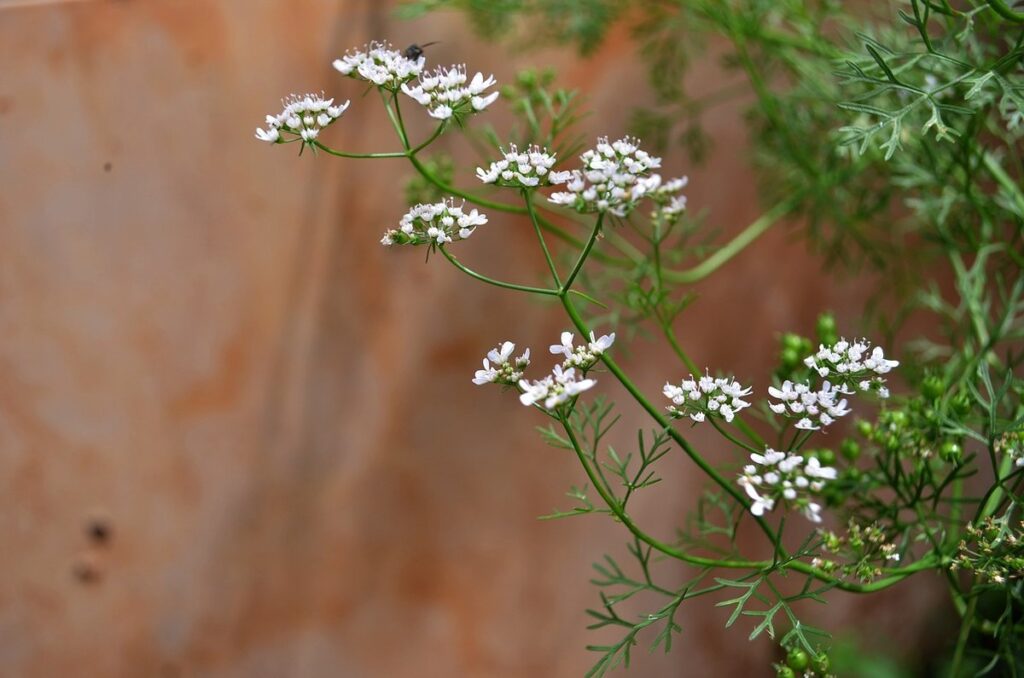
Understanding Cilantro’s Life Cycle
To truly master the art of trimming a cilantro plant, you need to understand its unique life cycle and growth habits that affect how often it needs pruning. This brief overview will help you anticipate its changes.
Recognizing Signs of Overgrowth
Cilantro plants can grow quite tall and bushy if left unattended, but overgrowth can lead to reduced leaf density and decreased yields. One of the most noticeable signs of overgrowth is legginess, where the stems become long and spindly, while the leaves at the bottom of the plant start to yellow and drop off. This is often accompanied by a reduction in leaf density, making it harder for the plant to photosynthesize and produce new growth.
As cilantro plants mature, they tend to bolt – that is, send up flower stalks that can quickly overshadow the rest of the plant. While some gardeners may want to allow their cilantro to go to seed, for most purposes, this is a sign that the plant has reached the end of its useful life and needs to be trimmed back.
In addition to bolting, you might notice that your cilantro plants are producing fewer leaves than they used to. This could be due to overgrowth, but it can also be caused by other factors such as nutrient deficiencies or pests. To determine if overgrowth is the culprit, examine the plant’s growth habit and look for signs of legginess and reduced leaf density.
To keep your cilantro plants healthy and productive, it’s essential to recognize these signs of overgrowth early on and take action before they become severe.
Effects of Overtrimming vs. Undertrimming
Trimming cilantro plants too frequently can lead to weak and spindly growth, while under-trimming can cause the plant to become leggy. Overtrimming can stress the plant, making it more susceptible to pests and diseases. On the other hand, not trimming often enough allows the plant to develop long stems that can break off in the wind or become top-heavy.
If you trim your cilantro too frequently, you may see a sudden surge of new growth as the plant tries to recover. However, this new growth will be weak and may not produce as much foliage as desired. Conversely, if you don’t trim often enough, the older leaves will begin to yellow and drop off, reducing the overall yield.
To strike a balance between controlling growth and allowing for healthy regrowth, aim to trim your cilantro every 1-2 weeks during peak growing periods. This will encourage bushy growth and prevent the plant from becoming too leggy. Be sure to remove only what’s necessary, leaving some stems intact to allow for continued growth.
When trimming, focus on removing individual leaves or small sections of stem at a time, rather than taking off large portions of the plant.
Preparing Your Cilantro Plant for Trimming
Before you start trimming your cilantro plant, make sure it’s healthy and robust enough to handle a good pruning. This means checking for any signs of pests or diseases that could impact its growth.
Choosing the Right Tools
When it comes to trimming cilantro, having the right tools can make a significant difference. A good pair of scissors is often sufficient for small batches, but for larger plants, pruning shears or loppers are a better choice. Pruning shears are ideal for cutting thicker stems, while loppers are best for heavier branches.
When selecting your trimming tool, look for sharp blades and clean handles to prevent cross-contamination of diseases. Regular cleaning is essential – after each use, rinse your tools with warm water and dry them thoroughly. This simple step can help prevent the spread of pests and diseases that thrive in moist environments.
To maintain your tools, store them in a dry place away from direct sunlight. For scissor-like tools, oil the blades periodically to keep them running smoothly. If you’re using pruning shears or loppers with interchangeable blades, swap out the blades regularly to prevent wear and tear. By investing in quality tools and keeping them clean and well-maintained, you’ll not only promote healthy growth but also ensure a successful trimming experience for your cilantro plant.
Selecting the Optimal Time for Trimming
When trimming a cilantro plant, timing is crucial. A young cilantro plant typically needs more frequent trimming than an older one. If you’re growing cilantro indoors, it’s best to trim when the light cycle is shorter, usually around 12-14 hours of daylight. This helps prevent overgrowth and encourages bushy growth.
Cilantro plants in warmer climates or with high humidity require more regular pruning to prevent leggy stems. For outdoor growers, morning trimming is often ideal as the plant has had a chance to recover from overnight moisture loss.
Avoid trimming when the plant is under stress due to drought, extreme temperatures, or pest infestations. Trimming during these conditions can further weaken the plant and reduce its ability to recover. Instead, focus on providing optimal growing conditions and wait until the plant shows signs of recovery before resuming regular pruning.
The best time to trim cilantro also depends on the growth stage. Pinching off flower buds will encourage leaf production in immature plants, while more mature plants may require a combination of pinching and topping to maintain desired height.
Basic Trimming Techniques
To keep your cilantro plant thriving, you’ll want to learn some essential trimming techniques that promote healthy growth and prevent it from flowering too quickly. This involves pinching off flower buds regularly.
Removing Leggy Growth
To remove leggy growth from your cilantro plant, identify the longest stems that are causing the plant to become lanky. Cut these stems back to about one-third of their length using sharp, clean scissors or pruning shears. Make a clean cut just above a node – this is the point where a leaf meets the stem. Cutting at an angle can help prevent water from collecting on the cut end and reduce the risk of rot.
Cutting back leggy growth encourages bushy growth by directing the plant’s energy towards producing new stems and leaves rather than elongating existing ones. This process is called “tip pruning.” By removing the terminal buds – the buds at the very tip of the stem – you’re forcing the plant to focus on producing lateral buds, which will eventually grow into new stems.
When cutting back leggy growth, avoid tearing or crushing the stems, as this can damage the plant and create an entry point for disease. Instead, make a smooth cut using a sharp tool. This will help promote healthy regrowth and prevent any damage to the plant’s vascular system.
Pinching for Compactness
Pinching off flower buds or tips is an essential technique to encourage compact growth in cilantro plants. This method involves removing the top sets of leaves and stems to direct the plant’s energy towards developing a bushy shape rather than flowering early. To pinch for compactness, locate the node where a leaf meets the stem – this is usually just above a set of two small leaves or a bud.
Gently pinch off the tip of the stem using your thumb and index finger, making a clean cut at a 45-degree angle. This will prevent water from collecting on the cut end and promote healthy growth. Remove no more than one-third of the plant’s top growth to avoid shocking it. For best results, perform this technique when the plant has reached about six inches in height.
By pinching off flower buds regularly, you can encourage cilantro plants to focus their energy on developing a robust root system and producing fresh foliage rather than flowering prematurely. This will not only promote healthy growth but also prolong the plant’s harvest period.
Advanced Trimming Techniques
To maximize growth and prevent bolting, you’ll want to learn advanced trimming techniques that encourage bushy stems and prevent your cilantro from flowering too quickly.
Top-Dressing for Revitalization
When trimming cilantro plants, it’s essential to provide them with a nutrient boost to promote healthy regrowth and increase yields. Top-dressing with compost or fertilizer after trimming can have a significant impact on your plant’s overall health. Compost adds organic matter that helps retain moisture, suppress pests, and regulate soil pH. It also provides beneficial microorganisms that aid in nutrient uptake and root development.
Fertilizers, on the other hand, supply essential nutrients like nitrogen, phosphorus, and potassium that promote leaf growth and root development. A balanced fertilizer with a ratio of 10-10-10 (nitrogen-phosphorus-potassium) is suitable for cilantro plants. When top-dressing, apply a thin layer of compost or fertilizer around the plant’s base, making sure not to over-fertilize.
Some examples of effective fertilizers include fish emulsion and worm casting tea. These products release nutrients slowly, reducing the risk of burning your plant’s roots. Always follow the manufacturer’s instructions for application rates and timing. A good rule of thumb is to top-dress every 7-10 days during active growth periods. This will give your cilantro plant the necessary boost to produce healthy leaves and roots.
Pruning for Regeneration
When cutting back stems to encourage new growth from the base of the plant, it’s essential to be strategic about which stems to prune. Cut back the longest stems by about one-third to one-half of their length, making clean cuts just above a node – this will help direct the plant’s energy towards producing new growth. You can also remove any weak or spindly stems altogether, as these will only detract from the plant’s overall health and productivity.
For best results, perform this type of pruning when the plant is still relatively young – typically within 6-8 weeks after germination. This allows the plant to put its energy into producing new growth rather than focusing on seed production. Be gentle when handling the stems, as cilantro can be a bit delicate. Use sharp, clean scissors or pinch off the affected areas with your fingers.
Some growers find it helpful to prune their cilantro plants in stages, gradually reducing stem length over time to encourage bushy growth and prevent legginess. Experiment with different pruning schedules to find what works best for you and your specific climate conditions.
Common Mistakes to Avoid When Trimming Cilantro
When trimming cilantro, it’s easy to make mistakes that can stunt your plant’s growth and affect its flavor. Cutting back too much of the plant at once is a common mistake to avoid.
Over-Pruning or Under-Pruning
Over-pruning or under-pruning can have severe consequences on your cilantro plant’s health. Over-pruning involves cutting back too much of the foliage and stems at once, which can shock the plant and lead to weak growth. This is often caused by trimming more than one-third of the plant’s leaves and stems in a single session. In contrast, under-pruning occurs when you only trim away dead or damaged leaves, without removing any of the healthy growth.
To avoid over-pruning, take note of your cilantro plant’s overall shape and size before you start trimming. Look for areas where the stems are becoming leggy or where there’s a buildup of old growth. Only remove these sections in small increments, giving the plant time to adjust between cuts. For example, if you’re pruning back a particularly long stem, make sure to cut it back by about one-third at most, leaving some healthy tissue intact.
On the other hand, under-pruning can lead to uneven growth and reduced yields. To prevent this, make sure to remove any dead or damaged leaves as soon as they appear, but also take care to trim away weak or spindly stems that are competing with healthier ones for resources. By striking a balance between these two extremes, you can promote healthy growth and maximize your cilantro plant’s potential.
Inadequate Care After Trimming
Proper care after trimming cilantro is just as crucial as the trimming itself. If you don’t provide optimal growing conditions, water, and fertilize at the right times, your plant may not recover from the stress of trimming. Watering, for instance, needs to be adjusted immediately after trimming. Cilantro requires consistent moisture, especially when it’s actively producing new growth.
Typically, a cilantro plant needs about an inch of water per week, either through rainfall or irrigation. After trimming, you may need to increase watering frequency, depending on your climate and soil type. Be cautious not to overwater, as this can lead to root rot and other issues.
Fertilization also plays a significant role in post-trimming care. A balanced fertilizer with equal N-P-K ratios (nitrogen-phosphorus-potassium) will promote healthy growth and prevent nutrient deficiencies. Apply the recommended amount according to the package instructions, usually once every 7-10 days.
Frequently Asked Questions
Can I trim cilantro in direct sunlight?
Yes, you can trim cilantro in direct sunlight, but be cautious not to over-trim or expose the plant’s sensitive tissues to intense sunlight. Trimming is usually best done during the cooler part of the day when the sun’s rays are less harsh.
How long does it take for a trimmed cilantro plant to recover and produce new growth?
The time it takes for a trimmed cilantro plant to recover and produce new growth depends on factors like the plant’s age, growing conditions, and how frequently you’ve been trimming. Generally, you can expect to see new growth within 1-2 weeks after trimming.
What if I accidentally trim off a flower bud or tip while trying to pinch for compactness?
If you accidentally trim off a flower bud or tip while pinching, don’t worry – it’s not the end of the world. Simply allow the plant to regrow and focus on promoting bushy growth by removing any leggy stems.
Can I use regular scissors to trim cilantro, or do I need specialized pruning shears?
While regular scissors can be used in a pinch (no pun intended!), dedicated pruning shears are ideal for trimming cilantro. They’re designed specifically for precise cuts and will help prevent damaging the plant’s delicate tissues.
