
Weeds can quickly take over even the most carefully tended gardens, competing with plants for water, nutrients, and sunlight. Effective weeding is essential to maintaining a healthy garden, but it’s often seen as a tedious and time-consuming task. The good news is that with the right techniques, tools, and strategies, you can prevent weed growth, remove weeds without damaging your plants, and use chemical controls wisely.
You probably already know how frustrating it can be to see weeds push through the soil, choking out your prized flowers or vegetables. But did you know that some weeds can even spread disease and pests to other plants? Learning effective weeding techniques will not only save you time and effort but also protect your garden’s overall health. This article will walk you through the best ways to weed your garden, from preparing the soil to using non-chemical controls, so by the end of it, you’ll be able to remove weeds efficiently without harming your plants.
Choosing the Right Tools and Equipment
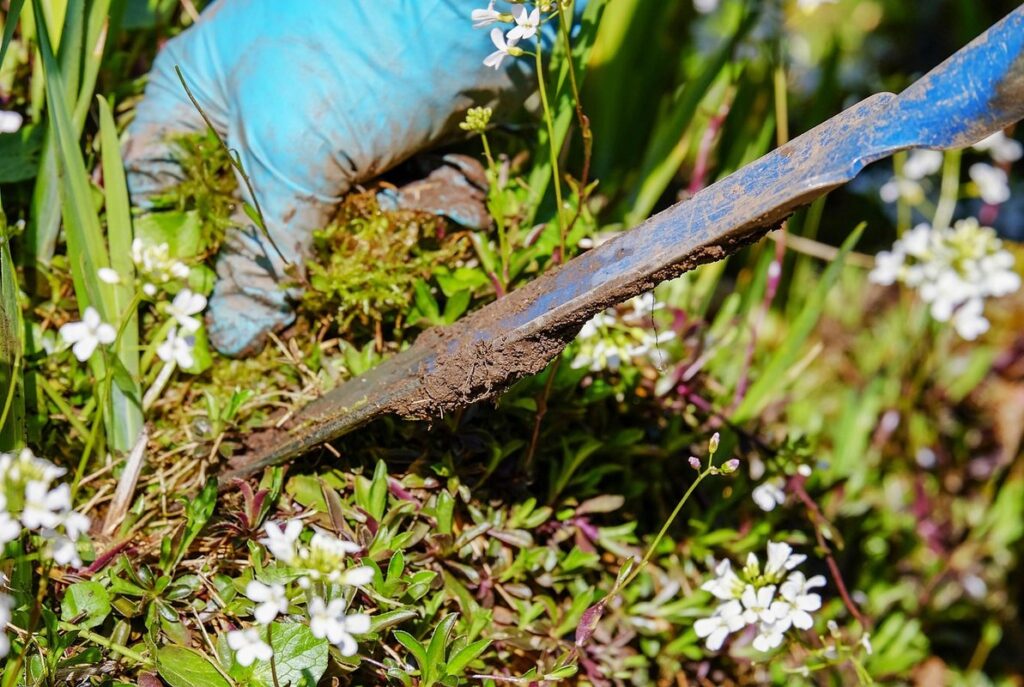
To effectively weed your garden, you’ll want to invest in a few key tools that will make the process easier and less back-breaking. A good weeding tool is essential for any gardener’s arsenal.
Selecting the Perfect Weeding Hand Tool
When it comes to manual weeding, having the right hand tool can make all the difference. There are three primary types of weeding hand tools: hoe-style, fork-style, and claw-style.
Hoe-style weeding tools, such as the draw hoe or stirrup hoe, are ideal for shallow weeding in small areas. They’re perfect for removing weeds before they have a chance to take hold, but can be less effective against established weeds with deep roots. The advantage of hoes is their ability to remove large quantities of weeds quickly.
Fork-style tools, like the garden fork or cultivator, are better suited for deeper weeding and soil aeration. They’re ideal for loosening compacted soil and removing weeds by their roots. However, they can be more tiring to use than hoes and may not be as effective in dense weed growth.
Claw-style tools, such as the weeding claw or cultivator fork, offer a balance between hoe and fork styles. They’re designed for shallow to medium-depth weeding and can be used to remove weeds without disturbing surrounding soil. Their compact design also makes them easy to store and transport.
Using Gardening Gloves for Protection
Wearing gardening gloves is crucial when tackling weeds with thorny stems or prickly leaves. These plants can inflict painful scratches and puncture wounds on bare skin, making it challenging to weed effectively. Gloves not only protect you from physical discomfort but also prevent the transfer of plant sap, which can cause irritation in some individuals.
Gloves are constructed using various materials, including synthetic fabrics like nylon or polyester, as well as natural fibers such as cotton and leather. Synthetic gloves offer durability and resistance to punctures, while natural fiber gloves provide breathability and dexterity. Consider factors like grip, flexibility, and moisture-wicking properties when choosing a pair.
When selecting gardening gloves, look for pairs with thick padding on the palms and fingers to safeguard against thorns and prickles. Some gloves have reinforced areas at the fingertips for added protection. Opt for a snug fit that allows for ease of movement, but not so tight that it compromises dexterity. A good pair of gardening gloves will make weeding safer and more efficient, allowing you to focus on removing weeds without worrying about damaging your hands.
Understanding Your Garden’s Weed Types
Understanding the different types of weeds that plague your garden is crucial for effective weeding. Let’s take a closer look at the common culprits you’ll likely encounter in your outdoor space.
Identifying Common Weeds
Dandelions are one of the most recognizable weeds, with their bright yellow flowers and feathery seed heads. They often grow up to 2 feet tall and have jagged edges on their leaves. These characteristics make them easy to identify in gardens. In contrast, white clover has small, round leaves and tiny pink or white flowers that bloom in clusters.
Creeping thistle is another common weed with a distinctive appearance. Its leaves are typically oval-shaped and have a wavy edge. The plant grows low to the ground at first but can produce tall stalks that reach up to 6 feet high. Creeping thistle spreads quickly through underground stolons, making it challenging to eradicate.
When identifying these weeds, look for their distinctive growth habits and characteristics. Dandelions often grow in clusters, while clover tends to form small patches. Thistle can be identified by its tall stalks and spiky flowers. Understanding the common weeds that inhabit your garden will help you develop effective removal strategies. This knowledge is crucial in preventing weed regrowth and maintaining a healthy, weed-free garden.
Understanding Weed Life Cycles
Weeds go through a predictable life cycle, from germination to seed production. Understanding this process can help gardeners anticipate and address weed growth. Germination occurs when a weed seed sprouts into a small plant, typically within a few days of moisture reaching the soil. As it grows, the weed develops leaves, stems, and roots, often competing with desired plants for water and nutrients.
The rosette stage is another critical phase in a weed’s life cycle. At this point, the weed focuses on developing its root system, which can be extensive and difficult to eradicate. If left unchecked, weeds will eventually flower and produce seeds, allowing them to spread even further.
Knowing when and where weeds are most likely to germinate or go to seed helps gardeners target their weeding efforts more effectively. For example, many annual weeds germinate in the spring or fall, making these seasons ideal times for removal. By understanding weed life cycles, gardeners can develop targeted strategies that address specific types of weeds at critical points in their growth. This approach minimizes waste and maximizes results.
Preparing for Weeding
Before you start weeding, make sure your garden is ready by clearing away any debris and preparing your tools. This simple step will save you time in the long run.
Soil Preparation
Soil preparation is a crucial step in preventing weed growth and maintaining a healthy garden. Weeds thrive in environments with poor soil quality, so it’s essential to create conditions that favor your desired plants over unwanted ones.
Tilling the soil can help break up compacted dirt, allowing water and air to penetrate deeper layers. This process also brings buried weed seeds to the surface, making them more susceptible to removal or death. However, be cautious not to over-till, as this can damage roots and disrupt soil structure.
Mulching is another effective method for suppressing weeds. Organic materials like wood chips, bark, or leaves create a physical barrier that prevents light from reaching weed seeds, inhibiting their growth. Mulch also retains moisture and regulates soil temperature, further discouraging weeds. Aim to apply 2-3 inches of mulch around plants, keeping it a few inches away from stems.
Composting is a long-term strategy for building healthy soil that’s less conducive to weed growth. By incorporating nutrient-rich compost into the soil, you’re creating an environment where your desired plants can outcompete weeds for resources. Regularly adding compost and maintaining good soil structure will help prevent weeds from taking hold in the first place.
Water Management
Water plays a significant role in promoting weed growth. Weeds thrive in moist environments, and excess water can lead to weak and susceptible plant growth, making it an ideal breeding ground for weeds. When irrigating your garden, avoid overwatering, which can cause weeds to germinate and grow rapidly. Instead, focus on providing plants with the right amount of moisture.
To manage irrigation systems effectively, consider the following: Mulch around plants to retain soil moisture and suppress weed growth. Use drip irrigation or soaker hoses, which deliver water directly to the roots, reducing evaporation and runoff that can contribute to weed germination. Adjust your watering schedule according to weather conditions, avoiding frequent watering during periods of high rainfall.
Additionally, implement a “dry-down” period between waterings. This allows soil to dry slightly between applications, making it less hospitable to weeds. Be mindful of irrigation system timers, ensuring they’re set correctly and not inadvertently promoting weed growth. By managing your irrigation systems thoughtfully, you can minimize the conditions that encourage weeds to thrive in your garden.
Weeding Techniques for Different Areas
We’ve covered the basics of weeding, but different areas of your garden require unique approaches. From raised beds to lawns and flower borders, each spot presents its own set of challenges.
Weeding Vegetable Gardens
When weeding vegetable gardens, it’s essential to prioritize the health and safety of your crops. Hand-weeding is often the most effective method for removing weeds without damaging delicate plant roots. Use a hoe or a weeding fork to carefully loosen and remove weeds, working from the soil surface downwards to minimize root disturbance.
Mulching can also help suppress weed growth by depriving them of light and water. Apply a 2-3 inch layer of organic mulch around your plants, keeping it a few inches away from plant stems to prevent moisture buildup. This method is particularly effective for areas with poor soil structure or where weeds are prone to regrowth.
Physical barriers can provide an added layer of protection against weeds. Use landscape fabric or weed control mats to block light and prevent seed germination. These barriers should be placed before planting, ensuring that the top layer is flush with the soil surface. When using physical barriers, ensure they don’t interfere with plant growth or water penetration.
Some vegetable varieties are more susceptible to weed competition than others. For instance, direct-seeded crops like lettuce and spinach require frequent weeding to maintain healthy growth.
Weeding Lawns and Landscapes
Weeding lawns and landscapes requires a delicate touch. Unlike vegetable gardens, where weeds can be pulled out by hand with relative ease, lawns and landscaping areas often feature more fragile plants that need protection. For example, newly seeded or sodded lawns may have grass blades as thin as a paper clip, making them vulnerable to damage from rough weeding tools.
To avoid damaging the lawn, use gentler techniques such as hand-weeding with a tool like a Cobrahead weeder or a Hori Hori knife. These tools allow for precise control and won’t rip through the grass. It’s also essential to remove weeds before they go to seed, as this can prevent them from spreading and make future weeding easier.
When dealing with landscaping areas, consider using an edger to separate weeds from desired plants, making removal more efficient. Additionally, use a hoe or cultivator for larger areas, working the soil gently between plants to loosen weeds without damaging surrounding vegetation. Be cautious not to over-weed, as this can also harm desirable plants.
Using Chemical Controls Wisely
Chemicals can be a valuable tool in your weeding arsenal, but they should be used judiciously to avoid harming your plants and the environment. We’ll discuss how to use chemicals effectively for weed control.
Understanding Herbicides
Herbicides are chemical substances used to kill weeds by preventing them from growing. They work by interfering with photosynthesis, a process essential for plants to produce energy from sunlight. This interruption can be achieved through various mechanisms, such as inhibiting the production of chlorophyll or disrupting the plant’s ability to absorb water and nutrients.
Some herbicides are systemic, meaning they’re absorbed by the plant and travel throughout its tissues, while others are contact killers that only affect the parts of the plant they come into direct contact with. Common examples include glyphosate (Roundup) and dicamba, which are widely used in agriculture and horticulture.
However, relying too heavily on herbicides can have unintended consequences. They can contaminate soil, water, and air, harming beneficial organisms and even human health. The overuse of herbicides has also contributed to the development of “superweeds,” which have evolved resistance to these chemicals. When using chemical controls, it’s essential to choose the right product for your specific weed type and follow label instructions carefully. As a last resort, use herbicides judiciously, considering their potential risks and taking steps to minimize harm.
Organic Alternatives to Herbicides
For gardeners who prefer not to use herbicides, several organic alternatives can effectively suppress weeds. Boiling water is a straightforward and non-toxic method for targeting individual weeds. By carefully pouring boiling water directly on the weed’s leaves or stems, you can kill it without harming nearby plants.
Another option is using vinegar solutions, which contain acetic acid. Vinegar-based herbicides are available in most gardening stores and can be applied to larger areas as a spray. However, keep in mind that they may require repeated applications to achieve desired results and might not work well on weeds with deep roots.
Essential oils, such as those derived from lemongrass or clove, have also shown promise as weed suppressants. They typically need to be combined with other ingredients like vinegar or soap to create an effective solution. Before using essential oils, consider their potential impact on beneficial insects and microorganisms in your garden.
When choosing an organic alternative, it’s essential to evaluate its effectiveness for specific types of weeds. For example, boiling water may not be suitable for large-scale weed control but can effectively kill individual plants.
Maintaining Your Garden After Weeding
Now that you’ve tackled the weeds, it’s essential to maintain your garden’s health and appearance through regular upkeep tasks, such as watering and fertilizing. This involves creating a routine that keeps your soil balanced and your plants thriving.
Creating a Maintenance Schedule
Regular maintenance is crucial for preventing weed regrowth and keeping your garden healthy. After removing weeds, it’s easy to let your guard down, but neglecting regular upkeep can lead to more extensive weeding tasks down the line. To stay on top of things, create a schedule that balances weeding with other essential gardening tasks.
Aim to set aside time for weekly weeding, focusing on areas where weeds tend to sprout quickly, such as around newly planted seedlings or in water-rich zones. Divide your maintenance schedule into three main categories: weeding, watering, and fertilizing. Allocate specific days of the week for each task, considering factors like soil type, climate, and plant growth stages.
For example, water plants on Tuesdays and Fridays to avoid overwatering, which can lead to weed proliferation. Schedule fertilization for the first day of every month, using a balanced fertilizer during growing seasons and a slow-release formula during dormancy. By spreading maintenance tasks across your schedule, you’ll prevent weeds from regaining a foothold, ensuring a healthier, more productive garden.
Monitoring Progress and Adjusting Strategies
Monitoring progress and adjusting strategies are crucial components of effective garden management. As you weed your garden, it’s essential to remain adaptable and flexible to respond to changing conditions. This means regularly inspecting your garden for signs of regrowth or new weeds emerging.
When monitoring progress, consider the following factors: the types of weeds that have been removed, the frequency and effectiveness of weeding sessions, and any changes in soil moisture or temperature. For example, you may notice that certain areas require more frequent attention due to increased weed growth, or that specific types of weeds are more prevalent during certain times of the year.
To adjust your strategies accordingly, consider implementing a maintenance schedule with built-in flexibility. This might involve setting aside regular time slots for weeding and monitoring, as well as being prepared to respond quickly to unexpected issues. By staying attuned to your garden’s needs and adapting your approach as necessary, you can maintain a healthy and weed-free environment.
Advanced Weeding Techniques and Tools
To take your weeding game to the next level, you’ll want to learn advanced techniques and familiarize yourself with specialized tools designed for efficient removal of unwanted plants.
Using Tractors or Ride-On Mowers for Large Areas
Tractors and ride-on mowers are suitable for large areas such as lawns and landscapes. They offer a high level of efficiency when it comes to weeding, especially for extensive spaces. These machines can cover significant ground quickly, allowing you to tackle multiple areas at once.
One key advantage of using tractors or ride-on mowers is their ability to reach difficult-to-access areas without manual effort. This saves time and energy that would be spent on navigating dense vegetation or slopes. However, it’s essential to consider the weight and maneuverability of these machines when operating in tight spaces.
For optimal results, use a mower with a suitable attachment for weeding, such as a flail mower or a sickle bar mower. These attachments can effectively cut weeds at their base, preventing regrowth. Always follow the manufacturer’s guidelines for maintaining and cleaning your equipment after use to prevent weed seeds from spreading.
Additionally, be mindful of any obstacles in your area, including rocks, trees, and garden beds. Tractors and ride-on mowers are best suited for open spaces; use caution when navigating around these features to avoid damage or accidents.
Specialized Tools for Specific Weeds
When tackling particularly stubborn weeds like Japanese knotweed or bindweed, specialized tools can be a game-changer. These invasive species often require targeted efforts to eradicate them effectively.
One such tool is a weeding fork with long, thin tines that allow for deep penetration into the soil without damaging surrounding plants. This is ideal for targeting bindweed, which has a tendency to twist and climb around other vegetation.
Another option is a Japanese knotweed digger, designed specifically for tackling this invasive weed’s extensive root system. Its curved blade allows for precise cutting of roots, reducing the risk of spreading fragments and promoting more efficient removal.
For more widespread infestations, consider investing in a solar-powered weeding tool with interchangeable blades. This device can be used to target various weeds, including those growing in hard-to-reach areas or on slopes.
When using specialized tools for specific weeds, it’s essential to remember that prevention is key. Regular maintenance and monitoring will help prevent these weeds from spreading and minimize the need for future targeted efforts.
Frequently Asked Questions
Can I use boiling water on large areas of weeds?
Yes, boiling water can be effective in controlling weeds, but it’s best used for small to medium-sized areas. It’s also essential to exercise caution when using boiling water, as it can damage nearby plants or scald skin.
How often should I check my garden for new weed growth after weeding?
Regular monitoring is crucial to prevent weed regrowth. Aim to inspect your garden at least once a week during peak growing seasons and adjust your maintenance schedule accordingly. This will help you catch weeds before they spread and become more challenging to remove.
What if I accidentally damage a nearby plant while weeding with a hand tool? How can I prevent this from happening?
Yes, it’s common for gardeners to accidentally damage nearby plants when using hand tools. To minimize the risk, choose the right tool for the job, and use a gentle touch when working around sensitive areas. If you do accidentally damage a plant, remove any remaining weeds promptly and take steps to repair or replace the damaged area.
Are there specific weeding techniques I should use in areas with poor soil drainage?
Yes, if your garden has poor soil drainage, it’s essential to use weeding strategies that won’t exacerbate the issue. Consider using raised beds or containers with good drainage, and opt for shallow-rooted weeds like clover or creeping thistle, which are less likely to cause drainage problems.
Can I use essential oils as a long-term solution to prevent weed growth in my garden?
While essential oils can be effective in controlling weeds, they should not be relied upon as the sole method of prevention. These oils can lose their potency over time and may require frequent reapplication. Combine essential oils with other weeding strategies, such as mulching or physical barriers, for a more sustainable approach to weed control.
