
Attracting butterflies to your garden can be a delightful experience, but did you know that using non-native plants can actually harm these beautiful creatures? Native plants, on the other hand, provide exactly what monarchs, swallowtails, and gulf fritillaries need to thrive. When choosing plants for a butterfly-friendly habitat, it’s essential to consider your region’s climate and soil type to ensure their survival. This is where native plants come into play – specifically selected for their ability to attract these iconic butterflies. In this article, we’ll explore how you can create a haven for monarchs, swallowtails, and gulf fritillaries in your garden using native plants tailored to your region’s climate and soil type. By the end of this guide, you’ll know exactly which plants to choose and how to design and maintain a healthy ecosystem that will attract these magnificent creatures time and time again.
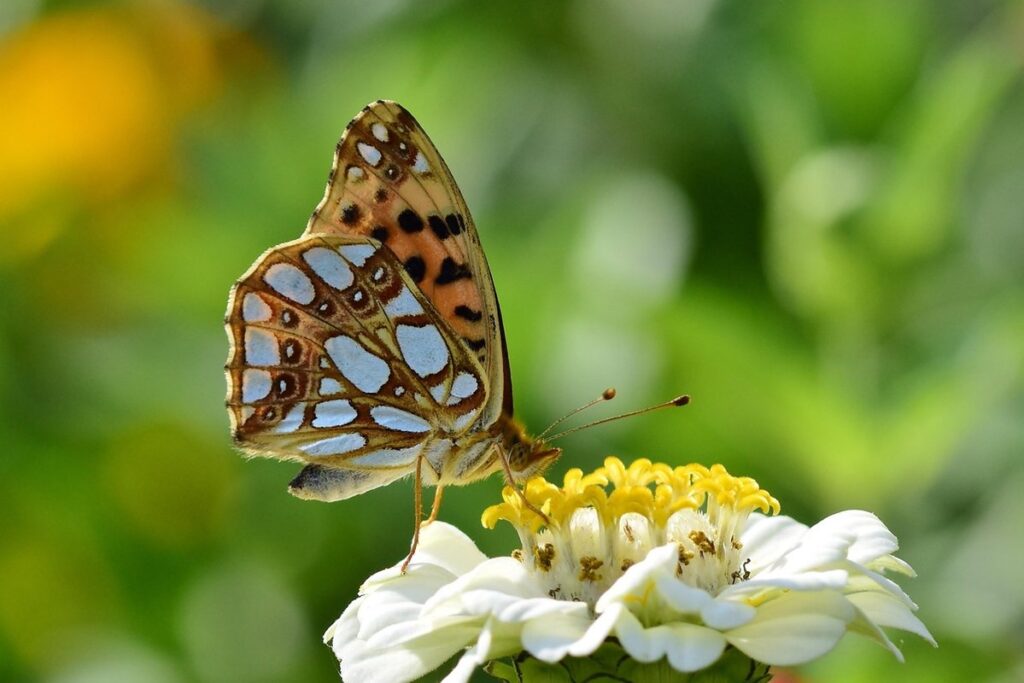
Choosing the Right Native Plants
When selecting native plants for a butterfly-friendly garden, it’s essential to choose species that are native to your specific region and climate. This ensures the best possible results for attracting these beautiful creatures.
Understanding the Basics of Butterfly-Friendly Plants
Plant species adaptation is a crucial factor to consider when selecting butterfly-friendly plants. Native plants have evolved over time to thrive in local ecosystems, providing essential resources for native butterfly populations. This adaptability allows them to support the unique needs of various butterfly species. For instance, milkweed (Asclepias spp.) has become synonymous with monarch butterflies due to its ability to provide a specific food source necessary for their caterpillars’ growth.
When choosing plants, it’s essential to consider local ecosystems and climate conditions. Plants that are not native to your region may require more maintenance, attract non-native pests, or alter the delicate balance of your ecosystem. In contrast, native plants have co-evolved with local wildlife, making them an ideal choice for attracting butterflies. They also tend to be more resilient to diseases and pests, reducing the need for pesticides.
Incorporating a variety of native plant species that provide nectar-rich flowers, host plants, or both will create a butterfly-friendly habitat. By understanding the fundamental principles behind native plants and their role in supporting local ecosystems, you can make informed decisions when selecting plants for your garden or landscape.
Selecting Plants Based on Region and Climate
When selecting native plants to attract butterflies, it’s essential to consider regional factors like climate, soil type, and sunlight exposure. In temperate regions with cold winters, look for plants that are hardy in USDA zones 3-5, such as coneflower (Echinacea spp.) or black-eyed Susan (Rudbeckia hirta). These plants have adapted to withstand frost and will provide a reliable source of nectar for butterflies.
In warmer regions with mild winters, focus on plants that thrive in full sun to partial shade. For example, the Gulf Fritillary butterfly is drawn to passionflower (Passiflora spp.), which loves well-drained soil and full sun in USDA zones 8-10. When planting in areas with acidic soils, choose native plants like azalea or rhododendron that are adapted to these conditions.
To ensure the long-term health of your garden, also consider the local precipitation patterns. Some plants require more frequent watering than others, so be sure to research their specific needs before making a selection.
Incorporating Native Grasses and Wildflowers
Native grasses and wildflowers offer a wealth of benefits for attracting butterflies to your garden. Unlike non-native species, native grasses and wildflowers have co-evolved with local butterfly populations over thousands of years, creating a symbiotic relationship that is hard to replicate with introduced plants. Their unique characteristics and growth habits provide essential resources for butterflies, including nectar-rich flowers, sheltered habitats, and host plants for caterpillars.
Native grasses often serve as the foundation for butterfly-friendly gardens, providing a structural framework for other plants to grow and thrive. For example, little bluestem (Schizachyrium scoparium) is a popular choice in many prairies, offering tall stems that provide a perch for butterflies to land and survey their surroundings. Wildflowers, on the other hand, burst with color and fragrance, releasing nectar-rich blooms that attract adult butterflies.
Some key characteristics of native grasses and wildflowers include:
- Deep roots that allow them to access water deep in the soil
- Low maintenance requirements, making them ideal for busy gardeners
- Ability to tolerate drought and extreme weather conditions
- Attracting a variety of pollinators beyond just butterflies
Plant Selection for Different Butterfly Species
When it comes to creating a butterfly-friendly garden, choosing the right plants is crucial. This section focuses on selecting native plants that cater specifically to different species of butterflies.
Attracting Monarch Butterflies with Specific Plants
Monarch butterflies have a unique set of requirements when it comes to plants. One crucial aspect is the presence of milkweed (Asclepias spp.), which serves as the sole host plant for monarch caterpillars. This plant’s significance in monarch conservation cannot be overstated, as it provides the necessary food source for their larvae to develop.
In addition to milkweed, other native plants like butterfly weed (Asclepias tuberosa), swamp milkweed (Asclepias incarnata), and common milkweed (Asclepias syriaca) also support monarchs. These plants offer nectar-rich flowers that adult monarchs rely on for energy.
It’s essential to choose milkweed varieties native to your region, as these will be more resilient in local conditions. Consider planting multiple species of milkweed to provide a consistent food source throughout the growing season. For example, if you’re in the southern United States, plant Asclepias incarnata or Asclepias tuberosa for optimal results.
When selecting plants, ensure they are free from pesticides and herbicides, which can harm monarchs and other pollinators. Planting a diverse array of native flowers will also attract other beneficial insects and support a thriving ecosystem.
Supporting Swallowtails and Gulf Fritillaries with Native Plants
Swallowtails and Gulf Fritillaries are two of the most striking butterfly species found in North America. These magnificent creatures have unique needs when it comes to their host plants. For example, Pipevine (Aristolochia spp.) is a vital food source for Black Swallowtail caterpillars, while Passionflower vines (Passiflora spp.) support the same life stage of the Gulf Fritillary.
It’s worth noting that these butterflies have distinct migratory patterns and habitat requirements. Swallowtails tend to thrive in areas with abundant sunlight and moist soil, whereas Gulf Fritillaries prefer full sun and well-drained soil. To attract these species, incorporate native plants such as Purple Passionflower or Blue Passionflower into your garden.
When selecting plants for swallowtail and gulf fritillary habitats, consider the following:
- Choose plants that are native to your region and suitable for your climate.
- Select a mix of nectar-rich flowers and host plants to provide sustenance throughout their life cycle.
- Plant multiple specimens of each species to create a stable food source.
By understanding and catering to these specialized needs, you can create a thriving habitat for swallowtails and gulf fritillaries.
Creating a Butterfly-Friendly Habitat
To create a haven for these beautiful creatures, you’ll need to choose plants that provide nectar-rich flowers and host plants for their caterpillars. This includes selecting native species that thrive in your region’s specific climate and soil conditions.
Designing an Attractive Garden Layout
When designing a garden layout to attract butterflies, consider their natural behavior and preferences. Butterflies are drawn to areas with an abundance of nectar-rich flowers, as well as sources of water and shelter from harsh weather conditions.
To create an attractive garden layout, group plants by blooming times to provide a constant source of nectar throughout the growing season. Plant native grasses and wildflowers in clusters or drifts to mimic their natural growth patterns. Incorporate shallow water features, such as birdbaths or small ponds, where butterflies can land and drink.
Provide shelter areas for butterflies to escape from wind, rain, and predators. Native plants with dense foliage, like shrubs or trees, make excellent shelter sources. Ensure the garden has a mix of sunny and shaded areas, as different butterfly species have unique temperature requirements.
When designing your garden layout, keep in mind the following tips:
• Plant native flowers that bloom at different times to provide a constant nectar source.
• Group plants by blooming times for an efficient use of space.
• Incorporate shallow water features and shelter areas to cater to butterflies’ needs.
Integrating Native Plants into Existing Landscapes
When integrating native plants into existing landscapes, it’s essential to consider the specific conditions of your garden. Native plants can thrive in a wide range of soil types and sunlight exposures, but they still require careful placement to ensure their success.
Start by assessing the existing conditions in your garden. Are there areas with poor drainage or heavy shade? These spots may be perfect for native plants that prefer moist soils or low-light environments. For instance, Sedges (Carex spp.) can tolerate wet soils and provide a habitat for various butterfly species. Similarly, Wild Indigo (Baptisia tinctoria) can grow in partial shade and attracts the Eastern Tiger Swallowtail.
To repurpose garden spaces, try dividing areas into zones with distinct microclimates. This will allow you to group plants by their specific needs and create a more biodiverse habitat. For example, you could establish a shaded area for plants like Wild Ginger (Asarum canadense) or a sunnier spot for milkweed species. By tailoring the placement of native plants to your existing landscape’s conditions, you’ll be well on your way to creating a thriving butterfly-friendly habitat.
Maintenance and Care
To keep your native butterfly garden thriving, it’s essential to provide regular maintenance and care for these beautiful plants. Regular watering, pruning, and fertilization will ensure they remain healthy and continue to attract butterflies all season long.
Seasonal Planting and Pruning Strategies
To maintain a thriving butterfly-friendly habitat, seasonal planting and pruning strategies are essential. In temperate climates, spring is an ideal time to plant native wildflowers, which typically bloom from April to June and provide nectar-rich flowers for adult butterflies. Consider adding plants like coneflower, black-eyed Susan, or purple coneflower, as they attract a variety of butterfly species.
For summer months, focus on maintaining your garden’s water supply by providing adequate mulch around native plants. This helps retain soil moisture and reduces the need for supplemental watering. Also, consider pruning native grasses during the dormant season (typically winter) to promote healthy growth and prevent overgrowth.
In autumn, plant native shrubs and perennials that provide berries or seeds for butterfly caterpillars. These food sources are crucial for the next generation of butterflies. For example, add plants like American beautyberry, Virginia sweetspire, or oakleaf hydrangea to your garden.
A well-maintained mulch layer also helps regulate soil temperature in winter, protecting native plants from extreme cold snaps. Regularly inspect your garden during this time and remove any dead plant material to prevent disease and pest issues.
Avoiding Pesticides and Preserving Ecosystem Balance
When caring for native plants that attract butterflies, it’s crucial to avoid pesticides and preserve ecosystem balance. Chemical pesticides can harm or kill the very insects you’re trying to attract, as well as other beneficial wildlife like bees and birds. Instead of relying on chemicals, try using physical barriers to prevent pests from reaching your plants. For example, fine mesh or row covers can keep aphids and whiteflies at bay.
To maintain a balanced environment, also avoid over-watering and over-pruning, which can stress the plants and make them more susceptible to disease. Most native plants have adapted to local conditions and require less maintenance than non-native varieties. Encourage beneficial insects like ladybugs and lacewings by providing shelter and food sources in your garden.
A balanced ecosystem relies on a diverse array of plant species that interact with each other and the environment in complex ways. By adopting a holistic approach to gardening, you can create a thriving habitat for butterflies and other wildlife. This means choosing native plants that have co-evolved with local insects and avoiding invasive species that can disrupt the food chain.
Some beneficial plants to consider including in your garden are dill, fennel, and comfrey, which attract beneficial insects and improve soil health.
Conclusion: Creating a Butterfly Haven with Native Plants
Creating a butterfly haven in your garden is not just about planting any native flowers, but about creating a welcoming environment that meets the specific needs of these delicate creatures. To attract butterflies, you need to provide a diverse range of plants that offer nectar-rich blooms throughout different seasons. This requires selecting a mix of annuals and perennials, such as coneflowers, black-eyed susans, and milkweed, which are all native to your region. By incorporating these plants into your garden design, you can create a haven for butterflies to feed, mate, and lay eggs.
When selecting native plants, consider the specific butterfly species you want to attract and choose plants that cater to their preferences. For example, monarch butterflies are drawn to milkweed, while sulfurs prefer coneflowers. By understanding these preferences, you can tailor your garden design to create a haven that is both beautiful and beneficial for local wildlife.
Frequently Asked Questions
What if I already have an existing garden with non-native plants? Can I still convert it to a butterfly-friendly habitat?
Yes, you can definitely adapt your existing garden to incorporate native plants that attract butterflies. Start by identifying areas with suitable sunlight and soil conditions for the new plants, and then gradually replace or integrate native species into your existing landscape.
How long does it take to see results after planting native flowers and grasses?
It’s essential to be patient when creating a butterfly-friendly habitat. It may take several months to a year or more for native plants to mature and attract butterflies consistently. Factors like climate, soil quality, and plant species adaptation can influence the speed of the transformation.
Can I use non-native plants that mimic native flowers, but are easier to care for?
While it might be tempting to opt for low-maintenance alternatives, using non-native plants that resemble native flowers can still harm local ecosystems. These plants often lack the same attractant properties as their native counterparts and may even displace native species over time.
How do I ensure a balance between native plant growth and existing garden structures?
To strike a balance between native plant growth and existing garden features, consider carefully selecting plants with varying growth habits to accommodate different architectural elements. Regular pruning and maintenance can also help control native plant growth while maintaining a healthy ecosystem balance.
Can I use pesticides in my butterfly-friendly habitat if I have severe pest infestations?
No, using pesticides is generally not recommended in a butterfly-friendly habitat. Instead, explore alternative methods for managing pests, such as introducing beneficial insects or using natural deterrents like neem oil to minimize harm to native plants and attractants.

