
Noxious weeds can cause significant economic and environmental damage to ecosystems and agricultural lands. These invasive species spread quickly, outcompeting native plants for resources and altering delicate balances in nature. One particularly destructive example is the knapweed, which can reduce soil quality and disrupt grazing habitats. Identifying noxious weeds early on is crucial to preventing their spread. However, prevention alone is not enough – effective control strategies are also necessary to mitigate the long-term impacts of these invasive species. This comprehensive guide will cover everything you need to know about managing noxious weeds, from identifying common types like thistle and kudzu, to implementing economic and environmental management strategies that minimize harm. By the end of this article, you’ll be equipped with the knowledge and tools necessary to identify, prevent, and control noxious weeds effectively.
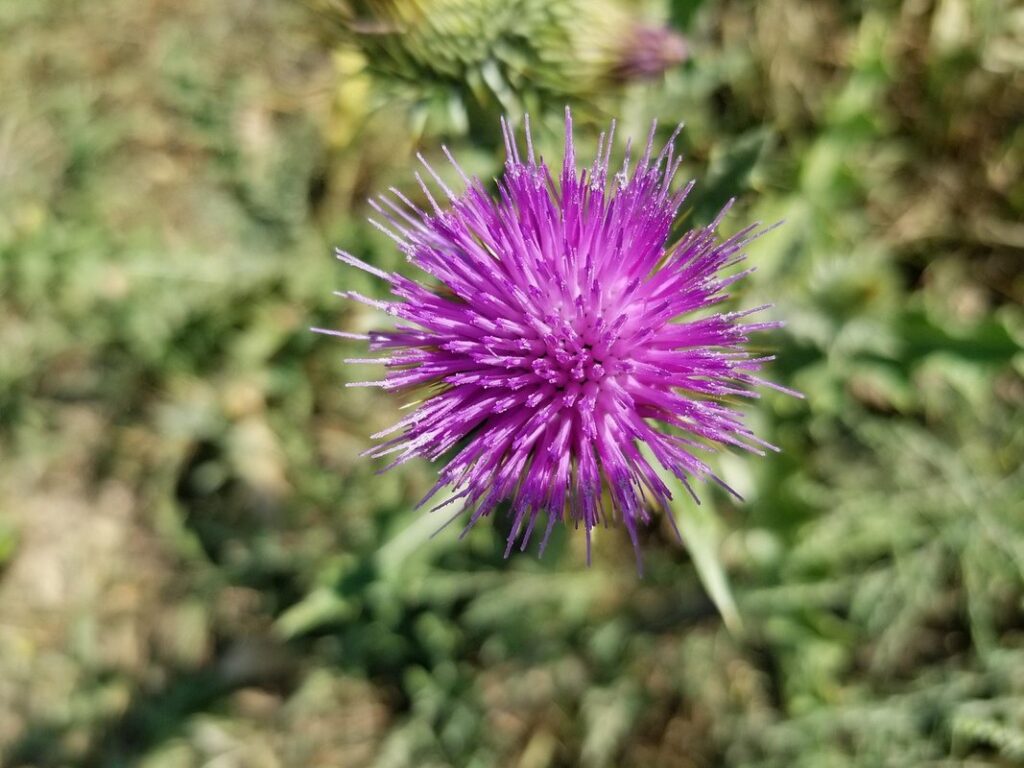
What Are Noxious Weeds?
Noxious weeds are invasive plant species that can cause significant harm to local ecosystems, and understanding what they are is crucial for effective management. To identify these plants, look for characteristics like rapid growth and ability to outcompete native species.
Definition and Characteristics of Noxious Weeds
Noxious weeds are invasive plant species that cause significant harm to ecosystems, economies, and human health. They can be identified by their rapid growth rate, ability to outcompete native vegetation, and tendency to spread quickly through various means such as seeds, roots, or rhizomes.
Some common characteristics of noxious weeds include deep taproots, allowing them to access water and nutrients deep within the soil; large seed banks, enabling them to survive for extended periods without light or water; and ability to produce chemicals that inhibit the growth of surrounding plants. These traits enable noxious weeds to thrive in a wide range of environments, from wetlands to dry deserts.
There are two main types of noxious weeds: invasive plant species and native weeds. Invasive plant species are non-native plants that have been introduced to an ecosystem through human activity and cause harm by outcompeting native vegetation for resources such as light, water, and nutrients. Native weeds, on the other hand, are plants that are native to a particular region but behave like noxious weeds due to factors such as overgrazing or climate change.
Common examples of noxious weeds include Japanese knotweed, giant hogweed, and leafy spurge.
Economic and Environmental Impact of Noxious Weeds
Noxious weeds can cause significant economic losses through crop damage and reduced yields. For example, a single infestation of Japanese knotweed can reduce wheat yields by up to 90%. This is because noxious weeds outcompete crops for water, nutrients, and light, leading to stunted growth and reduced harvests.
Soil degradation is another environmental consequence of noxious weeds. The deep taproots of invasive plants like Canada thistle and kudzu can disrupt soil structure, making it difficult for native vegetation to grow. This can lead to erosion and increased sedimentation in nearby waterways.
The ecosystem disruption caused by noxious weeds can also have far-reaching consequences. Invasive species like buckthorn and autumn olive alter fire regimes, allowing them to spread more easily and causing long-term changes to the composition of native plant communities. These changes can have cascading effects on entire ecosystems, from reduced biodiversity to altered nutrient cycling patterns.
To mitigate these impacts, it’s essential to monitor for noxious weeds early in their life cycle and implement control measures before they become established. This may involve mechanical removal, herbicide application, or a combination of both.
Types of Noxious Weeds
Some of the most destructive and invasive weeds belong to distinct categories, including annuals, perennials, and vines. Understanding these types is crucial for effective identification and control.
Invasive Plant Species
Invasive plant species are a significant concern for ecosystems worldwide. These non-native plants outcompete native species for resources such as light, water, and nutrients, leading to changes in ecosystem composition and function. Some of the most common invasive plant species include Japanese knotweed (Fallopia japonica), giant hogweed (Heracleum mantegazzianum), and English ivy (Hedera helix).
These plants often originate from temperate regions of Europe, Asia, or North America and are intentionally or unintentionally introduced to new areas through human activity. They can thrive in a variety of habitats, including woodland edges, wetlands, and urban environments. Once established, invasive plant species can spread quickly via seeds, underground rhizomes, or other means, often outpacing native vegetation.
For example, Japanese knotweed has been known to grow up to 3 feet per month, making it nearly impossible to eradicate once it takes hold. It’s essential for landowners and managers to be aware of these invasive species and take proactive measures to prevent their spread. Regular monitoring and early detection are crucial in preventing the establishment of new infestations.
Native Weeds vs. Non-Native Weeds
When considering noxious weeds, it’s essential to distinguish between native and non-native species. Native weeds are plants that have evolved alongside native ecosystems over thousands of years, often playing a crucial role in maintaining ecological balance. However, this doesn’t necessarily mean they’re harmless. Non-native weeds, on the other hand, are invasive species introduced from other regions, which can outcompete native vegetation and disrupt ecosystem processes.
The distinction between native and non-native weeds affects their classification as noxious. While native weeds might be considered nuisance plants due to their abundance or aggressive growth habits, they’re often not targeted for control. Non-native weeds, by contrast, are frequently prioritized for eradication efforts due to their invasive nature and potential to cause significant ecological harm.
To illustrate this point, consider the difference between Canada thistle (Cirsium arvense), a native weed in some regions, and purple loosestrife (Lythrum salicaria), an introduced species that can form dense stands and displace native vegetation. Understanding these distinctions is crucial for effective noxious weed management strategies.
Identification and Prevention Strategies
To tackle noxious weeds effectively, it’s essential to know how to identify them and implement prevention strategies that minimize their spread. We’ll explore these critical steps next.
Visual Identification Techniques
When visually identifying noxious weeds, it’s essential to examine their leaf shape, flower color, and growth habits. Noxious weed leaves can be simple or compound, with varying shapes such as lance-shaped, ovate, or linear. For example, the spotted knapweed has triangular-ovate leaves with coarse teeth along the edges, whereas the leafy spurge has narrow, pointed leaves that are often a bright green color.
Flower colors of noxious weeds can also provide clues to their identity. Some common colors include pink, purple, yellow, and white. The Canada thistle, for instance, produces small, pale purple flowers in clusters at the end of its stems. Noxious weed flowers may be single or clustered, solitary or stalked.
Growth habits are another key factor in identifying noxious weeds. Many species have a sprawling or climbing habit, while others grow upright and can reach heights of several feet. The common teasel, for example, has tall, branched stems that produce feathery, purple flowers. Observing the growth habits of suspicious plants will help you determine if they match those of known noxious weed species.
Early Detection and Monitoring Methods
Aerial surveys can be an effective way to detect noxious weed populations from a distance. Using aircraft equipped with cameras or sensors, land managers can quickly cover large areas and identify potential hotspots of infestation. Ground-based assessments involve physically inspecting the area on foot or by vehicle, which allows for more detailed observation and identification of specific weeds.
When conducting ground-based assessments, it’s essential to be aware of the time of year and weather conditions that favor weed growth. For example, in areas prone to drought, monitoring during periods of high rainfall can help identify new weed seedlings. Regular monitoring is crucial, as noxious weeds can spread rapidly if left unchecked.
Key indicators of a potential infestation include unusual plant growth patterns, changes in soil color or texture, and the presence of invasive species’ typical characteristics (e.g., thorns, prickles). A thorough assessment should also consider factors like soil type, moisture levels, and nearby water sources that could contribute to weed spread. By combining aerial surveys with targeted ground-based assessments, land managers can identify noxious weeds early on and take steps to prevent their spread.
Control and Eradication Methods
Now that we’ve identified the noxious weeds growing on your land, let’s discuss effective methods for controlling and eradicating these invasive plants. Effective control measures are crucial to preventing their spread and protecting native ecosystems.
Chemical Control Methods
Chemical control methods are a common approach to managing noxious weeds. Herbicides are the primary chemicals used for weed control, and they work by either killing or inhibiting the growth of weeds. However, herbicide use requires careful consideration and adherence to safety guidelines.
When using herbicides, it’s essential to read and follow the label instructions carefully. This includes wearing protective gear such as gloves, long sleeves, and eyewear to prevent skin and eye irritation. Most herbicides are selective, meaning they target specific weed species while minimizing harm to desired plants. However, non-selective herbicides like glyphosate can damage or kill a wide range of vegetation.
To minimize environmental impact, apply herbicides during periods of low rainfall and avoid using them near water sources. Additionally, consider using spot treatments instead of broadcasting chemicals over large areas. This approach can help reduce chemical drift and runoff into nearby waterways. Always calibrate equipment according to the manufacturer’s instructions to ensure accurate application rates.
Biological Control Methods
Biological control methods aim to manage noxious weed populations by leveraging natural processes. This approach involves introducing natural predators, pathogens, or competing species to suppress weed growth. For instance, certain insects like the ragwort flea beetle (Longitarsus jacobaeae) feed exclusively on ragwort (Senecio jacobaea), a notorious noxious weed in Europe and North America.
Another example is the use of fungal pathogens that specifically target invasive plant species. In Australia, the fungus Mycosphaerella nodulorum has been used to control bitou bush (Chrysanthemoides monilifera). The fungus infects the plant’s leaves, causing them to turn yellow and eventually die.
When selecting a biological control method, consider factors such as the target weed species’ native range, its invasive status in your region, and potential impacts on non-target organisms. It is essential to carefully evaluate the benefits and risks of introducing non-native biological controls. Effective implementation also requires careful monitoring and adaptation to ensure the desired outcomes are achieved without unintended consequences.
Best Practices for Noxious Weed Management
Effective management of noxious weeds requires a thoughtful approach, including proper identification and removal techniques to prevent their spread. This involves understanding key strategies for successful control.
Integrated Pest Management (IPM) Strategies
IPM strategies play a crucial role in managing noxious weeds effectively. This approach combines cultural controls with mechanical removal to minimize harm to the environment and other non-target species. Cultural controls involve modifying the conditions that allow weeds to thrive, such as adjusting soil pH or using mulch to suppress weed growth.
For example, reducing soil disturbance through conservation tillage can decrease weed seed germination by 50-80%. Mulching with organic materials like wood chips or straw can also suppress weed emergence and reduce the need for chemical herbicides. Mechanical removal involves physically removing weeds from an area, either by hand or using specialized equipment.
Effective mechanical removal requires careful planning to avoid spreading weed seeds and propagules to other areas. This includes cleaning equipment thoroughly between uses and disposing of removed weeds in sealed bags. Regular monitoring is also essential to identify new weed infestations before they spread further. By combining these IPM strategies, land managers can reduce the impact of noxious weeds on local ecosystems while minimizing environmental damage.
Community Involvement and Education
Community involvement and education play crucial roles in preventing the spread of noxious weeds and promoting effective management practices. Local communities can take an active part in early detection and monitoring efforts by organizing regular surveys, workshops, and training sessions. For instance, a group of volunteers might be tasked with identifying high-risk areas and reporting their findings to local authorities.
Educating community members about the characteristics, impacts, and control methods for specific noxious weeds is equally important. This can be achieved through partnerships between government agencies, landowners, and educational institutions. For example, schools might develop curricula that incorporate lessons on noxious weed identification, ecology, and management techniques.
In some regions, community-led initiatives have been successful in raising awareness about the risks associated with certain noxious weeds. These efforts often involve collaborations between local organizations, farmers’ groups, and conservation societies. By working together, communities can share knowledge, resources, and expertise to develop targeted strategies for controlling noxious weed growth and promoting sustainable land use practices.
A key aspect of community education is providing accessible information on the most pressing noxious weeds in the area. This might include developing user-friendly guides, brochures, or online resources that outline identification methods, control options, and best management practices.
Frequently Asked Questions
Can I control noxious weeds in my own backyard without professional help?
Yes, you can control noxious weeds in your own backyard using integrated pest management (IPM) strategies that combine cultural controls and mechanical removal. Start by identifying the type of weed and selecting a suitable control method. Wear protective gear when handling herbicides or manually removing weeds.
How do I know if my community is affected by noxious weeds, and what can we do about it?
To determine if your community is affected by noxious weeds, observe for signs of invasive plant species in public spaces, roadsides, or waterways. If you suspect an infestation, organize a community meeting to discuss the issue and potential control methods. You may need to consult with local authorities or experts for guidance on eradication strategies.
What are some common mistakes people make when trying to control noxious weeds?
Some common mistakes include using herbicides without proper training, not addressing underlying ecosystem issues, and neglecting long-term monitoring and maintenance. To avoid these errors, ensure you understand the type of weed you’re dealing with and follow established management guidelines.
Can I use biological control methods to eradicate non-native noxious weeds in my area?
Yes, biological control methods like introducing natural predators or competing species can be effective against certain types of non-native noxious weeds. However, carefully research and choose a suitable agent to avoid unintended consequences on native ecosystems. Consult with local experts before implementing a biological control program.
How long does it take for noxious weed populations to recover after removal?
The recovery time for noxious weed populations varies depending on factors like the type of weed, soil quality, and environmental conditions. Generally, expect some level of regrowth within months or years if the underlying causes of infestation are not addressed. Monitor areas regularly and reapply control measures as needed to prevent re-infestation.
