
Setting up an observation hive can be a game-changer for beekeepers, offering unparalleled insights into colony behavior. The transparent walls of these hives allow you to observe your bees up close without disturbing them, providing valuable research opportunities and improving overall understanding of the colony dynamics. By utilizing an observation hive, you’ll not only enhance your beekeeping safety but also gain a deeper appreciation for the intricate social structures within the beehive. With this comprehensive guide, you’ll learn how to set up, maintain, and effectively utilize an observation hive to unlock new levels of research potential and efficiency in your apiary management. By the end of this article, you’ll be able to design and implement a thriving observation hive that boosts colony understanding and paves the way for innovative beekeeping practices.
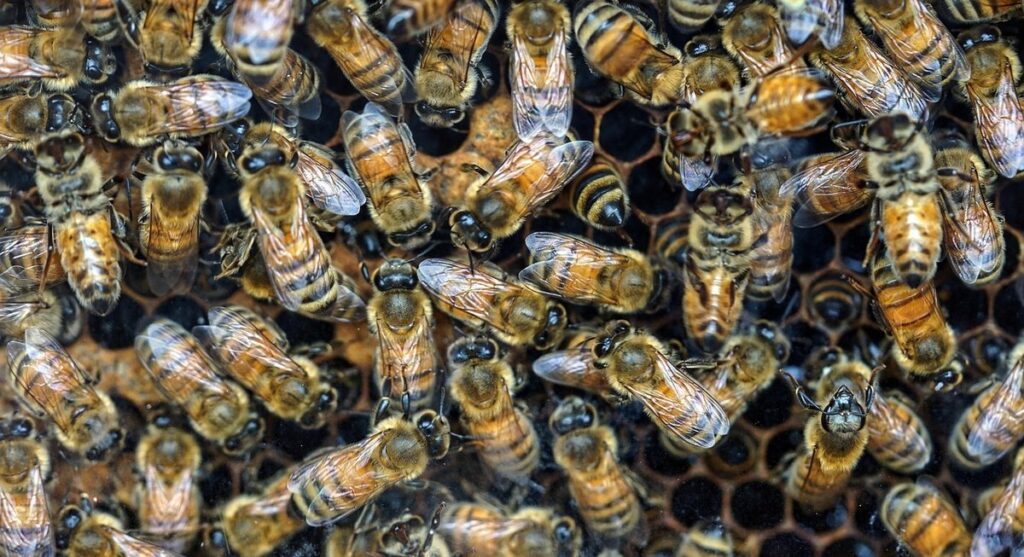
What is an Observation Hive?
An observation hive is a unique and fascinating setup for beekeepers, offering a glimpse into the inner workings of a colony without disrupting its natural behavior. We’ll explore what makes them special.
Benefits of Using an Observation Hive
Using an observation hive offers several key advantages for beekeepers. One of the primary benefits is improved safety. With a traditional hive, beekeepers often rely on smoking and protective gear to manage swarms or inspect the hive. In contrast, observation hives allow beekeepers to observe bees in their natural state without disturbing them, reducing the risk of stings and other injuries.
An observation hive also provides a unique opportunity for understanding colony dynamics. By observing bees from a safe distance, beekeepers can gain valuable insights into social structure, communication patterns, and foraging behavior. This knowledge is essential for developing effective management strategies and improving overall colony health.
Furthermore, observation hives enable researchers to conduct more accurate and controlled studies on bee behavior, allowing for the development of new techniques and best practices in beekeeping. By placing multiple observation hives in different locations, scientists can compare data from various environments, gaining a deeper understanding of the factors that influence colony success. This research can be particularly useful for urban beekeepers who face unique challenges such as limited foraging space and high pesticide exposure.
Types of Observation Hives Available
When it comes to observation hives, beekeepers have a range of options to choose from. One popular type is the glass-walled hive, which offers an unobstructed view of the bees’ activity. This design allows for detailed observations of individual bees and their interactions with each other.
Acrylic observation hives are another option, often preferred for their durability and resistance to pests. They also provide a clear view of the hive, although some beekeepers find them more prone to scratches and damage than glass-walled options.
Wooden observation hives, made from natural materials like cedar or pine, offer a more rustic aesthetic while still providing an open view of the bees’ behavior. Some beekeepers prefer wooden hives for their ability to regulate temperature and humidity within the hive.
When selecting an observation hive, consider factors such as maintenance requirements, visibility, and durability. For example, glass-walled hives may be easier to clean but more prone to breakage than acrylic or wooden options. Ultimately, the choice of observation hive will depend on your specific needs and preferences as a beekeeper.
History of Observation Hives in Beekeeping
The history of observation hives dates back centuries, with early beekeepers using them to study and learn from their colonies. We’ll explore how this tradition evolved over time.
Early Adoption and Development
The early adoption and development of observation hives in beekeeping date back to the late 19th century. One notable pioneer was Rev. L.L. Langstroth, who is often credited with inventing the movable-frame hive that laid the groundwork for modern observation hives. Langstroth’s innovative design allowed beekeepers to observe and study honey bee behavior without disrupting the colony.
In the early 20th century, beekeepers began experimenting with glass-fronted observation hives, which provided an unobstructed view of the bees’ activities. This innovation was driven by the work of apiarists like Charles Dadant, who recognized the importance of observing bee behavior for improved hive management and honey production.
Notable developments in observation hive design include the introduction of queen excluders and the use of wire mesh to allow for better airflow and ventilation. These innovations not only enhanced the functionality of observation hives but also paved the way for more advanced designs and research opportunities.
Evolution of Observation Hive Design
As observation hives gained popularity, beekeepers and manufacturers worked together to improve their design. One of the earliest advancements was the introduction of glass-fronted observation hives, which allowed for better visibility into the hive without disturbing the bees. This design improvement enabled beekeepers to observe and learn from their colonies more effectively.
In the mid-20th century, metal observation hives became widely available, offering a durable and long-lasting option for beekeepers. These hives featured removable panels for easy access and cleaning, making maintenance simpler than ever before.
The 1980s saw the introduction of polystyrene-based observation hives, which provided excellent insulation and reduced weight compared to traditional wood or metal designs. This innovation made it easier for beekeepers to transport their hives and set up new colonies in remote locations.
Today’s observation hive market offers a range of materials and constructions, including high-quality wooden observation hives with built-in ventilation systems. Some manufacturers also incorporate innovative features such as digital temperature sensors and adjustable mesh screens to enhance the overall user experience.
How to Set Up an Observation Hive
To set up an observation hive, you’ll need to assemble and arrange your equipment carefully, including the hive stand, observation window, and frame system. Let’s walk through this crucial step together.
Choosing the Right Location
When choosing a location for your observation hive, consider the bees’ needs for sunlight and warmth. Direct sunlight is essential for the health of the colony, but intense sun exposure can cause overheating. A spot that receives partial shade, especially during peak summer months, will help regulate the temperature inside the hive. Wind protection is also crucial to prevent drafts from disturbing the bees or causing them to abandon their home. Look for a location that provides some shelter from prevailing winds, such as a wall or a group of trees.
In terms of accessibility, choose a spot that’s easily visible and reachable for regular observations. This will allow you to monitor the colony without disrupting its activity. Avoid areas with high foot traffic or noise levels, which can stress the bees. Typically, a location near your home or workshop is ideal, as it makes maintenance and inspections more convenient.
When selecting a site, also think about its proximity to water sources and potential escape routes for swarms. Ensure that the area is clear of any nearby fragrances or chemicals that could attract pests or harm the colony. A well-chosen location will make managing your observation hive much easier and provide you with valuable insights into bee behavior.
Assembling and Installing the Hive
Before beginning assembly, ensure you have all necessary components and tools. Check for any damage or defects on the hive’s frame, stand, and glass walls. A typical observation hive consists of a wooden or plastic frame with a glass front, a bottom board, and roof.
Assemble the frame according to the manufacturer’s instructions, typically by attaching the sides and back to the top bar using screws or nails. Apply a thin layer of caulk between the frame components for waterproofing. Install the glass walls on either side, ensuring they are securely attached with clips or adhesives.
When placing the hive in its location, consider factors such as wind direction and accessibility. Ensure the stand is level to prevent uneven weight distribution. Attach the roof, typically using a hinge system that allows for easy opening. Secure all components firmly to prevent movement during handling. Some observation hives come with built-in ventilation systems; ensure these are functioning correctly.
When installing an observation hive in a garden or apiary, position it at least 10 feet away from any other beehive and protect it from direct sunlight.
Monitoring and Observing Bee Behavior
Observing bee behavior is crucial for understanding hive dynamics, which is why we’ll be exploring how to monitor their activity and identify key signs of health. This involves paying close attention to various behaviors.
Understanding Bee Communication and Social Structure
In an observation hive, bee communication and social structure are on full display. Bees communicate through complex dance patterns, pheromones, and body language, conveying vital information about food sources, threats to the colony, and social hierarchy.
The social hierarchy within a bee colony is a strict caste system. Drones, or male bees, have only one purpose: to mate with the queen. Worker bees, which are female, perform all foraging, caring, and maintenance tasks. The queen, responsible for laying eggs, is at the top of the social ladder.
When interpreting behavior in an observation hive, look for signs of communication and social interaction. Observe how worker bees tend to the queen, indicating deference to her authority. Watch for pheromone trails leading from the queen’s chamber to food sources or brood areas, highlighting the importance of these locations to the colony.
Bees also use dance patterns to convey information about nectar-rich flowers and water sources. The waggle dance, a figure-eight pattern, indicates the direction and distance of a food source. By recognizing these communication methods and social cues, you can gain valuable insights into your observation hive’s dynamics and make more informed decisions about its care and management.
Common Behaviors Observed in Observation Hives
Beekeepers often observe fascinating behaviors in observation hives, providing valuable insights into colony dynamics and social structure. Foraging patterns are a notable aspect, with bees displaying distinct routes and strategies for collecting nectar and pollen. Observers have documented “forager bees” returning to the hive with full pollen baskets or loaded honey stomachs, indicating their roles within the colony.
Brood rearing is another critical behavior observed in observation hives. The queen bee‘s pheromone signals influence worker bee ovary development, ensuring a steady supply of eggs for brood production. Observers have noted that queens often choose specific areas of the hive for egg-laying, indicating preferred temperatures or proximity to food stores.
Defense mechanisms are also observable in observation hives, with bees responding to perceived threats through complex communication and social behaviors. When encountering intruders, guard bees may engage in “guarding” postures, while others prepare for potential attacks by increasing alarm pheromone production. Understanding these defense strategies can help beekeepers better manage colony security and anticipate potential issues within the hive.
Some common behaviors observed during peak activity hours include:
- Bees clustering around specific food sources
- Workers engaging in “undertaking” behavior, where they remove dead bees from the hive
- The queen’s regular inspections of her surroundings
Research Opportunities with Observation Hives
If you’re interested in advancing beekeeping research, observation hives can provide valuable data on colony behavior and queen performance. Let’s examine how these innovative systems facilitate scientific inquiry.
Scientific Studies and Experiments
Scientists have conducted numerous studies and experiments using observation hives to gain a deeper understanding of bee behavior, disease management, and pollination. These investigations offer valuable insights into the social structure of colonies, foraging patterns, and communication methods among bees.
Observation hives provide an ideal environment for studying bee behavior in real-time. Researchers have used these hives to examine factors influencing colony growth, such as nutrition, environmental conditions, and queen pheromone production. For instance, a study published in Apidologie found that introducing a new queen can significantly impact the social hierarchy of a colony.
In addition to behavioral studies, observation hives are also being used to investigate disease management strategies. Researchers have observed how diseases spread within colonies and identified key factors contributing to outbreaks. This knowledge has informed best practices for monitoring and managing pests and diseases in bee populations.
Observation hives offer a unique opportunity for researchers to study pollination patterns and plant-bee interactions. By observing the movements of bees between flowers, scientists can better understand the complex relationships between plants and their pollinators.
Citizen Science Projects and Collaboration
Citizen science projects have greatly benefited from the use of observation hives, enabling collective knowledge sharing and advancement. By involving a broader audience in scientific research, these initiatives can provide valuable insights into bee behavior and ecology. Many organizations, such as the Zooniverse platform, have successfully leveraged observation hive data for studies on pollination patterns and disease spread.
Some notable examples include projects like BeeSpotter, which utilizes crowdsourced observations to track bumblebee populations, and the US National Pollinator Strategy’s citizen science component, which relies on observation hive data. These initiatives demonstrate how collaboration can lead to more comprehensive understanding of complex ecological issues.
To participate in such projects, beekeepers and enthusiasts alike can contribute by setting up an observation hive and sharing their observations online. This not only helps advance scientific knowledge but also fosters a sense of community among participants. When selecting a project, consider factors like data management, user interface, and the specific research goals to ensure alignment with your own interests and expertise.
In many cases, citizen science projects offer opportunities for hands-on involvement, allowing individuals to contribute directly to ongoing research. By doing so, you can gain valuable experience in scientific inquiry while contributing to a broader understanding of bee behavior and ecology.
Maintenance and Care of Observation Hives
Maintaining an observation hive requires regular attention to ensure the health and well-being of your bees, from cleaning to monitoring temperature.
This section will walk you through essential tasks to keep your observation hive thriving.
Regular Inspections and Interventions
Regular inspections of an observation hive are crucial for detecting issues early and preventing colony collapse. Check the hive at least once a week during peak season, paying attention to the overall appearance of the bees, their activity levels, and the health of the queen. Observe the brood pattern: even spacing, well-developed larvae, and capped cells indicate healthy development.
Look for signs of pests or diseases, such as small mites on individual bees, fungal growths on the honeycomb, or an unusual number of dead bees. Note the presence of any new drones, which can signal a young or developing queen. Bees with deformed wings or bodies may be a sign of pesticide exposure.
Intervene if you notice significant issues: remove infected frames, treat for pests, and requeen if necessary. For example, to control Varroa mite populations, you may need to use formic acid or oxalic acid vaporization in the hive. Make sure to follow proper safety protocols when handling chemicals or opening the hive during treatment. Always prioritize caution and take notes on your observations and interventions for future reference.
Best Practices for Hive Management
When managing an observation hive, disease prevention and pest control are critical considerations. Regularly inspect the hive for signs of pests like mites, small hive beetles, and wax moths. Use a gentle, powdered sugar dust to repel mites without harming the bees. For more severe infestations, consider using formic acid or essential oils with caution.
To prevent disease, ensure proper ventilation in the observation hive by installing a mesh or screen over the entrance. This will help reduce moisture buildup and promote airflow. Keep the hive’s internal temperature stable between 40°F to 50°F (4°C to 10°C) to slow down disease-spreading pathogens.
Regularly inspect equipment for signs of wear, damage, or contamination. Clean frames, extractors, and other accessories with soap and water before reusing them. Store used equipment in a dry, well-ventilated area to prevent the buildup of spores and pests.
Replace old or damaged frames every 2-3 years, as they can harbor disease-causing organisms. Use frames made from durable materials like high-quality wood or plastic, which are easier to clean and maintain.
Conclusion: The Future of Observation Hives in Beekeeping
As we conclude our comprehensive guide to observation hives, it’s essential to look ahead and consider their future in beekeeping. One significant advantage of observation hives is that they allow beekeepers to monitor colonies without disrupting them. This non-invasive approach can lead to more accurate assessments and better decision-making. For instance, beekeepers can observe the queen’s behavior, note any signs of disease or pests, and make adjustments accordingly.
Observation hives also provide valuable educational opportunities for new beekeepers. By allowing people to witness the inner workings of a colony up close, they gain a deeper understanding of the complex social dynamics at play. This hands-on experience can help bridge the gap between theory and practice, making it easier for beginners to transition from observation to actual beekeeping.
The rise of digital tools and technology is also poised to enhance the use of observation hives. For example, camera systems can be integrated into observation hive designs, enabling remote monitoring and real-time data collection. This integration has the potential to further improve colony management and research outcomes.
Frequently Asked Questions
Can I use an observation hive for commercial beekeeping operations?
Yes, many beekeepers successfully integrate observation hives into their commercial operations to improve colony management and monitor the health of their bees. However, it’s essential to consider factors like equipment costs, space requirements, and labor needs before scaling up your operation.
How do I handle a swarm event in an observation hive?
When managing an observation hive, swarm events can occur due to overcrowding or other factors. To prevent swarming, ensure you provide enough space for the colony to expand, monitor for signs of swarming, and take corrective action by splitting the colony if necessary.
Can I use an observation hive to study specific bee diseases?
Yes, observation hives offer a unique opportunity to closely observe and research bee disease dynamics. By monitoring your bees regularly, you can identify early warning signs of diseases like American Foulbrood or Nosema and take prompt action to mitigate their spread.
What if my observation hive is damaged or destroyed during extreme weather events?
While observation hives are designed to be durable, they may still suffer damage from severe weather conditions. To minimize losses, choose a location for your hive that offers some protection from wind and precipitation, secure any loose parts, and have a plan in place for repairing or replacing the hive as needed.
How can I balance the need for detailed observation with the potential impact on colony stress?
Observing your bees regularly is crucial to understanding their behavior, but it’s equally important not to over-handle or disturb them. To maintain a healthy balance, adopt gentle and respectful handling techniques, limit the frequency of inspections, and prioritize monitoring behaviors that indicate potential issues rather than observing daily activities unnecessarily.

