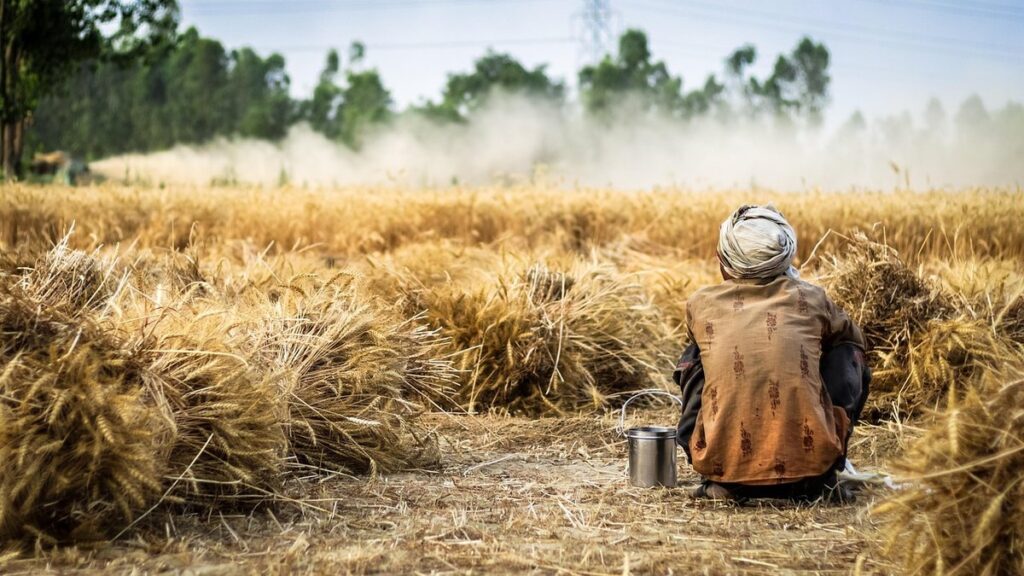
The conventional methods of farming have taken a toll on our environment, with soil degradation, water pollution, and loss of biodiversity becoming increasingly common. Organic agriculture offers an alternative approach that prioritizes environmental sustainability, fair labor practices, and economic growth. By adopting organic methods, farmers can reduce their reliance on synthetic fertilizers and pesticides, promoting healthier ecosystems and more resilient crops. This shift not only benefits the environment but also supports local communities through fairer labor conditions and increased income opportunities. In this article, you’ll learn about the key principles of organic agriculture and how to adopt these methods on your own farm or in your community, ultimately contributing to a healthier food system that promotes environmental stewardship, social justice, and economic viability.

Understanding Organic Agriculture
At its core, organic agriculture is a holistic approach that prioritizes soil health, biodiversity, and sustainable farming practices over synthetic chemicals and pesticides. This foundation sets the stage for healthier crops and ecosystems.
Definition and Principles
Organic agriculture is based on a set of core principles that prioritize soil health, biodiversity, and ecosystem services. At its heart, organic farming aims to work with natural processes rather than against them. This means avoiding synthetic fertilizers, pesticides, and genetically modified organisms (GMOs), which can harm the environment and human health.
Instead, organic farmers use techniques like crop rotation, composting, and cover cropping to maintain soil fertility and structure. They also rely on natural pest control methods, such as introducing beneficial insects or using physical barriers to prevent pests from reaching crops. By adopting these approaches, organic agriculture seeks to promote ecological balance and minimize environmental degradation.
The definition of organic agriculture is often tied to the principles outlined in the International Federation of Organic Agriculture Movements (IFOAM) framework. This includes a commitment to:
- Using natural processes and materials whenever possible
- Avoiding synthetic inputs that can harm the environment or human health
- Maintaining ecosystem services, such as pollination and pest control
- Promoting soil health through techniques like crop rotation and composting
History and Evolution
Organic agriculture has its roots in the early 20th century, when Sir Albert Howard, a British agriculturalist, began advocating for sustainable farming practices. His work at the Indian Institute of Science led to the development of the “industrial-agricultural complex” theory, which posited that industrial-scale farming was detrimental to soil health and ecosystem balance. Howard’s ideas influenced key figures in the organic movement, including Jerome Irving Rodale and Masanobu Fukuoka.
The 1940s saw a surge in interest in organic agriculture, with the establishment of the Soil Association in the UK and the publication of Rachel Carson’s “Silent Spring” in the US. This book exposed the environmental consequences of chemical pesticides and herbicides, galvanizing public opinion against industrial-scale farming. The 1960s and 1970s saw a proliferation of organic farms and cooperatives, as well as the development of certification programs to ensure consistency with organic principles.
Today, organic agriculture continues to evolve in response to changing environmental and social concerns. Governments worldwide have implemented policies supporting sustainable agriculture practices, while advances in technology and research enable farmers to adopt more efficient and effective methods.
Environmental Benefits of Organic Agriculture
Organic agriculture offers numerous environmental benefits, including improved soil health and reduced greenhouse gas emissions. By adopting organic practices, you can significantly contribute to a more sustainable food system.
Soil Health and Erosion Prevention
Organic farming practices employ a range of techniques to promote soil health and prevent erosion. One key method is crop rotation, which involves alternating between different crops to maintain soil fertility and structure. For example, planting legumes like beans or peas can fix nitrogen in the soil, while following with a cereal crop like wheat or oats helps to break up compacted soil. This approach not only reduces erosion but also boosts soil biodiversity.
Another essential practice is the use of cover crops, which help to stabilize the soil and prevent nutrient loss between harvests. Cover crops like rye, clover, or winter wheat can be planted in off-season periods to protect the soil from wind and water damage. By retaining soil moisture and preventing erosion, organic farmers can reduce their reliance on external fertilizers and maintain a healthy ecosystem.
Effective use of mulch is also crucial for maintaining soil health. Mulching with organic materials like straw, bark chips, or compost helps retain moisture, suppress weeds, and regulate soil temperature. Regular application of compost or manure tea further enhances the soil’s nutrient content, supporting a balanced microbial community that underpins overall ecosystem resilience.
Biodiversity and Pest Management
Organic agriculture promotes biodiversity by encouraging a diverse range of crops and avoiding monoculture practices. This approach creates a balanced ecosystem where beneficial insects thrive, reducing the need for chemical pesticides. In contrast to conventional farming methods that rely heavily on synthetic chemicals, organic farming encourages the presence of natural predators and pollinators.
The use of cover crops and crop rotation is a key strategy in maintaining biodiversity on organic farms. For example, planting legumes as cover crops can help fix nitrogen in the soil, reducing the need for synthetic fertilizers. By incorporating diverse plant species into their rotations, farmers can create a complex web of relationships between plants and beneficial insects.
Reducing chemical pesticide use is another critical benefit of organic agriculture when it comes to biodiversity. Many pesticides harm beneficial insects, such as bees and butterflies, while also contributing to soil degradation and water pollution. In contrast, organic farming promotes the use of natural pest control methods, such as introducing beneficial insects or using physical barriers to prevent pests from reaching crops.
A key consideration for farmers transitioning to organic practices is to identify and support beneficial insect populations on their land. This can involve planting a variety of flowers that attract pollinators or incorporating compost tea into soil management strategies. By taking these steps, farmers can create thriving ecosystems that promote biodiversity while minimizing the need for chemical pesticides.
Social and Economic Benefits
Organic agriculture not only benefits the environment but also has a positive impact on local communities and economies. We’ll explore these social and economic advantages in more detail below.
Fair Labor Practices and Community Development
Organic farming encourages fair labor practices by providing better working conditions, fair wages, and a safer work environment for farm workers. This is achieved through transparency in supply chains and direct relationships between farmers and consumers. For instance, community-supported agriculture (CSA) programs allow customers to purchase produce directly from the farmer, cutting out intermediaries and ensuring that the farmer receives a fair price.
Organic farming also fosters community development by promoting local economic growth. When farms are thriving, they become hubs for local activity, generating income and creating jobs within the surrounding area. Organic farmers often partner with local businesses to create value-added products, further boosting the local economy. In addition, organic farming can help preserve traditional farming practices and cultural heritage.
To support fair labor practices in organic agriculture, consumers can look for certifications such as Fairtrade or Certified Humane. These labels ensure that farms meet strict standards for worker welfare. Moreover, buying produce directly from farmers through CSAs or farmers’ markets supports the local economy and promotes fair trade.
Market Trends and Consumer Demand
Organic produce is increasingly sought after by consumers who value health benefits, environmental sustainability, and fair labor practices. As a result, farmers are adapting to meet this growing demand by shifting their production methods towards organic agriculture. According to the US Department of Agriculture, the sales of organic products have been steadily increasing over the past decade, with organic food sales reaching $52 billion in 2020.
Major retailers such as Walmart and Whole Foods have begun to prioritize organic options, indicating a significant shift in consumer preferences. This trend is driven by factors like concerns about pesticide exposure, antibiotic resistance, and climate change. As consumers become more aware of the benefits of organic produce, they are willing to pay a premium for it.
For farmers, this growing demand presents opportunities for increased revenue and market competitiveness. However, transitioning to organic agriculture requires significant changes in farming practices, including crop rotation, natural pest control, and reduced synthetic fertilizers. To capitalize on the trend, farmers need to understand their target market, adapt their production methods accordingly, and develop effective marketing strategies to reach consumers who are willing to pay a premium for organic produce.
Organic Farming Methods and Practices
Organic farming methods prioritize soil health, biodiversity, and natural pest control, offering a more sustainable approach to food production. We’ll explore some of these key practices in detail here.
Crop Rotation and Companion Planting
Organic agriculture relies on crop rotation to maintain soil health by alternating between different crops that have varying nutrient requirements. For example, after planting a legume like beans or peas, you can follow it with a cereal crop like wheat or oats, which requires nitrogen but also fixes it in the soil. This practice not only replenishes soil nutrients but also reduces pests and diseases associated with specific crops.
Companion planting is another key technique used to promote healthy crop growth. By strategically pairing plants that complement each other in terms of growth habits, pest resistance, and nutrient uptake, farmers can create a balanced ecosystem on their land. For instance, planting marigolds alongside tomatoes deters nematodes and improves soil fertility. Similarly, basil repels aphids and mites when planted with lettuce or cucumbers.
Some common crop rotation patterns include the “3 sisters” method, where corn is paired with beans and squash to create a symbiotic relationship that benefits all three plants. Farmers can also use a “cover crop” approach, where nitrogen-fixing crops like clover are planted between cash crops to maintain soil health.
Use of Natural Fertilizers and Pest Control
Organic farmers rely on natural fertilizers to promote soil health without depleting its nutrients. Composting is a popular method, where organic matter like food waste and crop residues are broken down into a nutrient-rich fertilizer. This process can be done on-farm or off-farm, depending on the scale of operation. For example, small-scale farmers might compost in a designated area, while larger operations may contract with an external service.
Another approach is green manure, where legumes and other cover crops are incorporated into the soil to add nitrogen and organic matter. This technique not only enriches the soil but also helps retain moisture and suppress weeds. Some farmers use crop rotation to promote soil fertility, rotating between cash crops and nitrogen-fixing legumes to maintain a balanced nutrient profile.
When it comes to pest control, natural methods are often more effective in the long run. For instance, introducing beneficial insects like ladybugs or lacewings can help regulate pest populations without resorting to chemical pesticides. Crop rotation and physical barriers also play a crucial role in preventing pests from damaging crops.
Challenges and Limitations
While organic agriculture offers numerous benefits, it also comes with its own set of challenges that can make it difficult to implement on a large scale. We’ll take a closer look at some of these obstacles.
Economic Barriers to Adoption
Organic agriculture requires significant upfront investments to transition from conventional farming methods. This includes costs associated with purchasing organic seeds, fertilizers, and pest control materials, as well as training and certification fees for farmers. A study by the USDA found that the average cost of transitioning to organic production is around $150 per acre, which can be a substantial burden for small-scale or resource-constrained farmers.
Furthermore, organic agriculture often commands lower market prices than conventional produce due to higher production costs and limited economies of scale. This price gap can make it challenging for organic farmers to compete with their conventional counterparts, particularly in the initial stages of adoption. To mitigate these economic barriers, policymakers can provide financial incentives, such as tax credits or grants, to support farmers during the transition period.
Additionally, some organic farmers may also face challenges related to market access and consumer awareness, which can further exacerbate economic difficulties. To overcome these obstacles, it’s essential for consumers to be willing to pay a premium for organic produce, thereby providing a financial incentive for farmers to adopt more sustainable practices.
Scalability and Infrastructure Requirements
Organic farming at a large scale requires significant investments in infrastructure to ensure efficient production. This includes developing and maintaining suitable equipment for tasks like planting, irrigation, and harvesting. For example, some organic farms use manual or mechanical weeding tools instead of chemical herbicides. However, as production expands, these methods may become labor-intensive and impractical.
To address scalability issues, farmers can consider adopting technology that supports efficient water management, such as drip irrigation systems. These systems allow for precise application of water directly to the roots of plants, reducing waste and conserving resources. Additionally, implementing integrated pest management (IPM) strategies using natural predators or beneficial insects can minimize the need for chemical pesticides.
A well-designed infrastructure also includes storage facilities for composting organic matter, manure, and crop residues. This not only reduces waste but also provides a continuous supply of nutrient-rich fertilizers. Furthermore, implementing renewable energy sources like solar or wind power can significantly reduce the farm’s carbon footprint.
The Future of Organic Agriculture
As we look ahead, it’s exciting to think about how organic agriculture will continue to shape our food systems and contribute to a more sustainable future. Emerging trends and technologies are poised to transform the industry in meaningful ways.
Policy Initiatives and Support
Existing programs such as the US Department of Agriculture’s (USDA) National Organic Program (NOP) provide a framework for organic farming practices. The NOP sets standards for soil quality, pest management, and crop rotation, ensuring consistency across the industry. However, some argue that these regulations can be overly burdensome for small-scale farmers, creating an uneven playing field.
Other initiatives, like the Environmental Quality Incentives Program (EQIP), offer financial incentives for farmers to adopt conservation practices. EQIP has helped reduce erosion and promote soil health on thousands of acres nationwide. Additionally, programs like the Organic Certification Cost Share Program help offset certification costs for small-scale producers.
While these programs demonstrate a commitment to organic agriculture, there is still room for improvement. Some critics argue that government support often focuses on large-scale operations rather than small-scale or beginning farmers. To truly promote a diverse and resilient organic food system, policymakers must address these disparities in funding and resources. This could involve creating more targeted programs or streamlining existing regulations to better serve the needs of various stakeholders.
Advancements in Technology and Research
Recent breakthroughs in precision irrigation systems have significantly improved water efficiency in organic farming. These advanced systems use sensors and data analysis to optimize watering schedules, reducing waste and minimizing environmental impact. Researchers are also exploring the potential of drones equipped with cameras and sensors to monitor crop health and detect early signs of stress or disease.
Other areas of focus include the development of new, sustainable crop varieties that require fewer inputs and resources. Scientists are using advanced genomics techniques to identify genes associated with desirable traits such as drought tolerance and pest resistance. This work has the potential to accelerate breeding programs and improve the resilience of organic crops.
Additionally, there is growing interest in the use of artificial intelligence (AI) to support decision-making on organic farms. AI-powered tools can analyze data from various sources, including weather forecasts, soil moisture levels, and crop health metrics, to provide farmers with actionable insights and recommendations. While still in its early stages, this technology has the potential to help farmers make more informed decisions and optimize their operations for better efficiency and productivity.
Frequently Asked Questions
Can I Start Small with Organic Farming?
Yes. It is entirely possible to begin implementing organic practices on a small scale, even if you don’t have access to large tracts of land. Consider starting by converting a single plot or experimenting with container gardening using organic methods.
How Do I Overcome the Initial Costs of Transitioning to Organic Agriculture?
Transitioning to organic farming often requires an initial investment in new equipment and practices. To mitigate these costs, consider seeking out government grants or subsidies for sustainable agriculture initiatives, forming partnerships with other farmers to share resources, or exploring alternative funding options through organizations dedicated to supporting small-scale farmers.
What if I Have Limited Access to Natural Fertilizers and Pest Control Methods?
While it may be more challenging to implement organic practices without access to natural fertilizers and pest control methods, there are still alternatives available. Consider exploring local composting initiatives or participating in community-led projects that promote the sharing of resources and knowledge. Additionally, you can look into using green manure as a natural fertilizer.
Can Organic Agriculture Be Scalable?
Yes, organic agriculture can be scaled up while maintaining its focus on sustainability and environmental stewardship. To achieve large-scale production sustainably, consider implementing drip irrigation systems, using cover crops to improve soil health, or adopting precision farming techniques that reduce waste and optimize resource use.
Is It Possible to Use Organic Methods in High-Tech Greenhouses?
While organic methods are often associated with smaller-scale, more traditional farming practices, there is no inherent reason why they cannot be applied in high-tech greenhouses. In fact, incorporating organic principles into greenhouse production can help minimize the environmental impact of large-scale agriculture and promote a healthier food system. Consider using hydroponic systems or integrating living walls to create a closed-loop ecosystem that minimizes waste and maximizes resource efficiency.