
Planting garlic cloves can be a bit tricky, but with the right variety selection, your chances of success increase significantly. You see, not all garlic is created equal, and choosing the wrong type can lead to disappointing results or even pests in your garden. For a bountiful harvest, you need to consider factors like climate, soil quality, and disease resistance when selecting your garlic cloves. In this comprehensive guide, we’ll walk you through everything you need to know about planting garlic, from preparing the perfect soil to providing optimal care techniques for those delicate bulbs. By following our expert advice, you’ll be well on your way to enjoying a fresh supply of homegrown garlic all season long – and by the end of this article, you’ll know exactly how to plant garlic cloves like a pro.
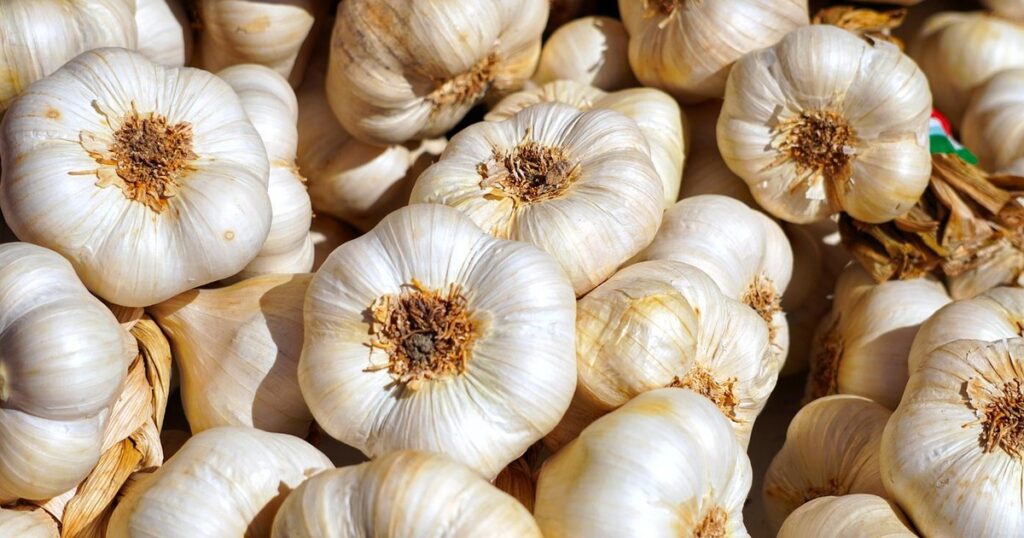
Choosing the Right Garlic Variety
When it comes to planting garlic, choosing the right variety is crucial for a successful harvest. With so many types to choose from, let’s take a closer look at some popular options.
Factors to Consider When Selecting a Garlic Type
When selecting a garlic type, you need to consider several factors to ensure you choose a variety that thrives in your specific climate and soil conditions. Climate is a crucial factor, as some garlic varieties are more resistant to heat or cold than others. For example, Elephant Garlic is well-suited for warmer climates, while Silverskin Garlic prefers cooler temperatures.
Soil type is another important consideration. Garlic grows best in well-draining, fertile soils with a pH between 6 and 7. If your soil is heavy clay or sandy, you may need to amend it before planting garlic. Additionally, some garlic varieties are more tolerant of drought than others, so if you live in an area with low rainfall, look for varieties like ‘Rocambole’ that can handle dry conditions.
Personal preference also plays a role when selecting a garlic type. Some people prefer the strong flavor of hardneck garlic, while others enjoy the milder taste of softneck garlic. Consider what you plan to use your garlic for – cooking, roasting, or making garlic powder – and choose a variety that suits your needs.
Popular Garlic Varieties for Home Gardeners
When selecting a garlic variety for your home garden, you’ll find numerous options suitable for different climates and preferences. Some popular varieties among home gardeners include ‘Silverskin’, ‘Creole’, and ‘Elephant’.
‘Silverskin’ is known for its mild flavor and tender skin, making it ideal for roasting or sautéing. This variety thrives in cooler temperatures, typically requiring around 30 days of chill hours to induce bulb formation.
In contrast, ‘Creole’ garlic boasts a more robust flavor profile and larger bulbs, but can be more challenging to grow due to its sensitivity to moisture. It’s essential to monitor soil conditions closely when cultivating this variety.
‘Elephant’ garlic, as the name suggests, produces large bulbs with a mild flavor. It prefers well-drained soil and full sun, making it suitable for gardens with ample space. Keep in mind that Elephant garlic requires longer maturity periods than other varieties, often taking up to 120 days to harvest.
These popular varieties cater to different needs and preferences, allowing you to choose the best fit for your garden’s conditions and desired outcome.
Preparing the Soil and Climate
Before you plant those garlic cloves, let’s get your garden ready by preparing the soil and climate to ensure a healthy and thriving crop. This involves selecting the right spot and making any necessary adjustments.
Understanding Garlic’s Temperature and Moisture Requirements
Garlic requires a cool and moist climate to thrive. The ideal temperature for planting garlic is between 40°F and 50°F (4°C and 10°C), with most varieties performing best at temperatures around 45°F (7°C). If the soil temperature exceeds 60°F (15°C), bulb formation will be delayed, resulting in smaller cloves.
On the other hand, garlic is extremely sensitive to heat. Temperatures above 70°F (21°C) can cause the bulbs to become soft and unviable. In regions with extremely hot summers, it’s essential to plant garlic during the cooler months, typically from September to November in the Northern Hemisphere.
Moisture levels also play a crucial role in garlic growth. The soil should be consistently moist but not waterlogged. Garlic needs about 1 inch of rainfall or irrigation per week, especially when the plants are actively growing. However, excessive moisture can lead to fungal diseases like downy mildew, which can significantly impact yields.
To mitigate these risks, it’s essential to choose a planting location with good air circulation and drainage. Avoid areas prone to waterlogging, such as low-lying spots or depressions in the soil. By understanding garlic’s temperature and moisture requirements, you can create an optimal environment for healthy bulb development.
Preparing the Soil: pH Levels and Nutrient Requirements
Garlic prefers a slightly acidic to neutral soil pH, ranging from 6.0 to 7.0. If your soil’s pH is significantly different, it may be necessary to adjust it before planting. You can purchase a DIY soil testing kit or send a sample to a lab for analysis. For most home gardeners, a simple pH test strip will suffice.
Once you’ve determined your soil’s pH level, consider its nutrient requirements. Garlic benefits from well-balanced compost, which provides essential nutrients like nitrogen, phosphorus, and potassium. A general-purpose fertilizer can also be added according to package instructions. However, avoid over-fertilizing, as this can lead to weak, leggy growth.
Some key soil amendments to consider include:
- Well-rotted manure or compost for improved drainage and fertility
- Dolomitic limestone to raise pH levels (if necessary)
- Peat moss or perlite to improve soil structure and aeration
When mixing in these amendments, follow the recommended application rates and guidelines. Aim to achieve a balanced nutrient profile by incorporating 2-3 inches of composted organic matter into the top 6-8 inches of your planting bed. This will create an optimal environment for garlic cloves to develop healthy roots and strong growth.
Planting Garlic Cloves
To get a strong start, you’ll want to prepare your garlic cloves for planting by choosing healthy bulbs and removing any papery skin. This step sets the foundation for successful growth.
When to Plant Garlic: Understanding the Planting Schedule
Garlic is a cool-season crop, which means it thrives in temperatures between 40°F and 70°F (4°C and 21°C). To determine the best planting schedule for your region, consider the average frost dates. In areas with cold winters, plant garlic cloves in early fall, about 6-8 weeks before the first frost. This allows the bulbs to establish themselves over winter, emerging in spring when temperatures rise.
In warmer climates or regions with mild winters, plant garlic in late winter to early spring, as soon as the soil can be worked. For a specific example, if your area’s average last frost date is April 15th, plant garlic cloves around February 1st to February 15th.
It’s also essential to consider the length of your growing season and the type of garlic you’re planting. Some garlic varieties are better suited for shorter or longer seasons than others. Consult a local nursery or gardening expert to determine the best variety for your specific region and climate.
By planting at the right time, you’ll give your garlic cloves the best chance to grow and thrive.
Proper Planting Technique: Depth, Spacing, and Orientation
When planting garlic cloves, it’s essential to get the technique right. This includes ensuring the correct depth, spacing, and orientation of the cloves for optimal growth.
Plant the cloves 2-3 inches deep, with the pointed end facing upwards. This will help prevent rot and encourage the development of healthy shoots. If you’re planting in a bed, space them about 4-6 inches apart to allow for proper air circulation and sunlight penetration. For container gardens, a spacing of 2-3 inches between cloves is usually sufficient.
In terms of orientation, make sure the cloves are planted at an angle, rather than straight down into the soil. This will help the shoots emerge more easily and reduce the risk of bending or breaking. Avoid pressing the cloves too far into the soil, as this can cause them to rot before they have a chance to grow.
Some gardeners find it helpful to mark the location of each clove with a small stone or marker, so they can keep track of where everything is planted. This can be especially useful if you’re planting in a large bed or container. By following these simple guidelines, you’ll be well on your way to growing healthy, productive garlic plants.
Caring for Garlic Plants
To ensure a healthy and thriving harvest, it’s essential that you properly care for your garlic plants throughout their growth cycle. This includes tasks such as watering, fertilizing, and pest management.
Watering and Mulching: Keeping the Soil Consistent
To maintain consistent soil moisture and temperature during the growing season, regular watering and mulching are essential. Garlic plants require about 1 inch of water per week, either from rainfall or irrigation. However, it’s crucial to avoid overwatering, which can lead to rot and other problems. Water your garlic plants when the top 2-3 inches of soil feels dry to the touch.
Mulching helps regulate soil temperature and retains moisture. Organic mulch like straw, wood chips, or leaves is ideal for garlic cultivation. Apply a 2-3 inch layer around the plants, keeping it a few inches away from the base to prevent rot. As the mulch breaks down, it will add nutrients to the soil.
To maintain consistency, water and mulch your garlic plants uniformly throughout the growing season. Monitor the weather forecast and adjust your watering schedule accordingly. During hot spells, increase the frequency of watering, but avoid overwatering during cooler periods. By maintaining consistent soil moisture and temperature, you’ll promote healthy growth and reduce the risk of pests and diseases. A well-mulched bed also helps suppress weeds, reducing competition for water and nutrients.
Pest and Disease Management: Common Issues in Garlic Cultivation
Common pests and diseases can significantly impact garlic cultivation. One common issue is root maggots, which are larvae of the cabbage maggot fly. These pests feed on plant roots, causing stunted growth and reduced yields. To prevent infestation, cover planted cloves with fine mesh or row covers to keep adult flies away.
Diseases such as white rot and purple blight can also affect garlic plants. White rot is caused by a fungus that thrives in moist environments and feeds on plant tissue, leading to bulb decay. Purple blight is another fungal disease characterized by purple spots on leaves and stems. Both diseases thrive in humid conditions, making it essential to maintain good air circulation around the plants.
To manage these issues, ensure proper soil drainage and avoid overwatering. Regularly inspect your plants for signs of pests or diseases, and remove any affected areas promptly. If infestation is severe, consider using organic pest control methods such as neem oil or insecticidal soap to minimize harm to beneficial insects.
Harvesting Garlic
Now that you’ve successfully planted and nurtured your garlic cloves, it’s time to harvest them at their peak flavor and aroma. Learn how to properly dig up and dry your mature bulbs for long-lasting enjoyment.
Identifying Maturity: Signs of Readiness for Harvest
To determine if garlic is ready for harvest, look for a few key visual cues. Begin by gently digging around the base of one of the plants with your fingers or a small trowel. This will help you assess the size and color of the bulbs without damaging them. Check the skin: mature garlic bulbs typically have dry, papery wrappers that are tan or brown in color.
Next, carefully dig up an entire plant to inspect its bulb more closely. A fully formed bulb should be firm and heavy for its size, with no signs of green shoots or soft spots. The cloves within should also be plump and firmly attached to the center of the bulb.
To check on the maturity of your bulbs without digging them up, you can use a technique called “squeezing.” Gently squeeze one of the topside leaves; if it yields slightly, but still feels firm, this is a good indication that the bulb below is mature. If the leaf feels too soft or squishy, wait another week or two before checking again.
Proper Harvesting Technique: Avoiding Damage to the Bulbs
To avoid damaging the bulbs during harvesting, gently loosen the soil around each plant with a fork. This will make it easier to lift the entire bulb out of the ground without breaking off any individual cloves. Use a garden knife or sharp trowel to carefully dig under the plants, working your way around them in a circle.
As you lift the bulbs, keep them as close to horizontal as possible to minimize the risk of dislodging the cloves from their sockets. If you encounter any particularly stubborn plants, try wiggling the bulb gently back and forth while it’s still in the ground. This can help loosen it without causing damage.
When harvesting, it’s also essential to avoid pulling on individual stems or leaves, as this can cause the bulb to break apart. Instead, focus on lifting the entire plant out of the soil at once. If you need to remove the plants from a bed, consider using a gentle rocking motion with your hands or a fork to dislodge them without causing damage.
To ensure you’re harvesting at the right time, be sure to check for signs of maturity in advance (see Identifying Maturity: Signs of Readiness for Harvest).
Storage and Preservation
To ensure your garlic crop thrives, it’s essential to properly store and preserve your planted cloves, protecting them from disease and pests. Proper storage techniques will also keep your bulbs fresh for next year’s harvest.
Storing Garlic in a Cool, Dry Place
To maintain garlic’s quality and longevity after harvest, proper storage conditions are crucial. Storing garlic in a cool, dry place is one of the simplest yet most effective methods for preserving its flavor and aroma. Aim to store garlic in an area with temperatures between 40°F and 50°F (4°C and 10°C), as high temperatures can cause sprouting and moisture buildup.
Avoid storing garlic near direct sunlight or heat sources, which can accelerate degradation. A dark cupboard or pantry is ideal for short-term storage. For long-term preservation, you can store garlic in a sealed container or paper bag to prevent moisture from seeping in.
When storing garlic, make sure the cloves are not touching each other, as this can cause them to become moldy. You can also separate individual bulbs by placing them on a tray or plate, allowing air to circulate around each bulb. Keep in mind that even under ideal storage conditions, garlic will eventually sprout and lose its potency. Typically, garlic is best used within 2-3 months after harvest, but some varieties may last longer.
Preserving Garlic: Techniques for Long-Term Storage
Drying is a simple and effective way to preserve garlic for long-term storage. You can dry whole bulbs, individual cloves, or even minced garlic using a food dehydrator or by spreading it out in a single layer on paper bags or trays. The key is to maintain a consistent temperature between 95°F and 105°F (35°C to 40°C) until the moisture content reaches 10% or lower.
Freezing is another popular method for preserving garlic. You can chop or crush whole cloves, mix them with oil or water, and store the mixture in an airtight container or freezer bag. When you’re ready to use it, simply thaw the frozen garlic by leaving it at room temperature or placing it in the refrigerator overnight.
Fermentation is a more involved process that requires some patience and planning. You can make fermented garlic by peeling and crushing whole cloves, mixing them with salt, and letting the mixture sit at room temperature (around 70°F to 75°F or 21°C to 24°C) for several weeks. The resulting fermented garlic has a stronger flavor and is often used as a condiment.
It’s essential to note that properly preserved garlic can last for up to six months when stored in an airtight container in the refrigerator.
Frequently Asked Questions
Can I Plant Garlic Cloves in Containers?
Yes, garlic can be grown in containers as long as they have good drainage and receive the right amount of sunlight and temperature. Make sure to choose a container that is at least 6-8 inches deep to accommodate the full growth of the garlic bulb.
What if My Garlic Doesn’t Bulb Up? Are There Any Causes or Solutions?
If your garlic doesn’t bulb up, it could be due to factors such as overwatering, poor soil quality, or inadequate sunlight. Check for signs of pests or diseases and adjust your care routine accordingly. Also, consider replanting with a different variety that is more resistant to your local conditions.
How Do I Store Garlic After Harvest If I Live in a Humid Climate?
To store garlic in a humid climate, make sure to dry the cloves thoroughly before storing them in an airtight container or paper bag. You can also consider freezing or fermenting the garlic as alternative preservation methods that are less affected by humidity.
Can I Grow Garlic in Shaded Areas or Indoors Under Grow Lights?
While garlic prefers full sun, it can be grown in shaded areas with sufficient light intensity. However, indoor grow lights may not provide enough UV radiation for optimal bulb formation. If you’re growing indoors, consider using LED grow lights specifically designed for plant growth.
How Do I Know When to Harvest Garlic if the Weather Has Been Unpredictable?
To determine when to harvest garlic in unpredictable weather, look for signs of maturity such as yellowing leaves and a soft neck on the bulb. Also, check for any visible damage or pests that may affect the quality of the crop. Harvest your garlic when it’s dry and mature for optimal storage and use.
