
You’re one of the many UTV owners who find themselves facing harsh winter conditions, and you’ve probably wondered if your vehicle can handle plowing snow. With the right equipment and knowledge, your UTV can become a valuable asset for clearing driveways, sidewalks, and even larger areas. However, improper use can lead to damage or accidents, making it essential to approach this task with caution.
You’ll need to choose a suitable plow blade, attach it securely to your vehicle, and prepare your UTV for the demands of snow removal. This includes checking your tires, suspension, and other critical components to ensure they’re in good working condition. Advanced techniques will also be covered, such as mastering different driving styles and recognizing potential hazards on the job site. By the end of this guide, you’ll know how to plow snow with your UTV safely and effectively.
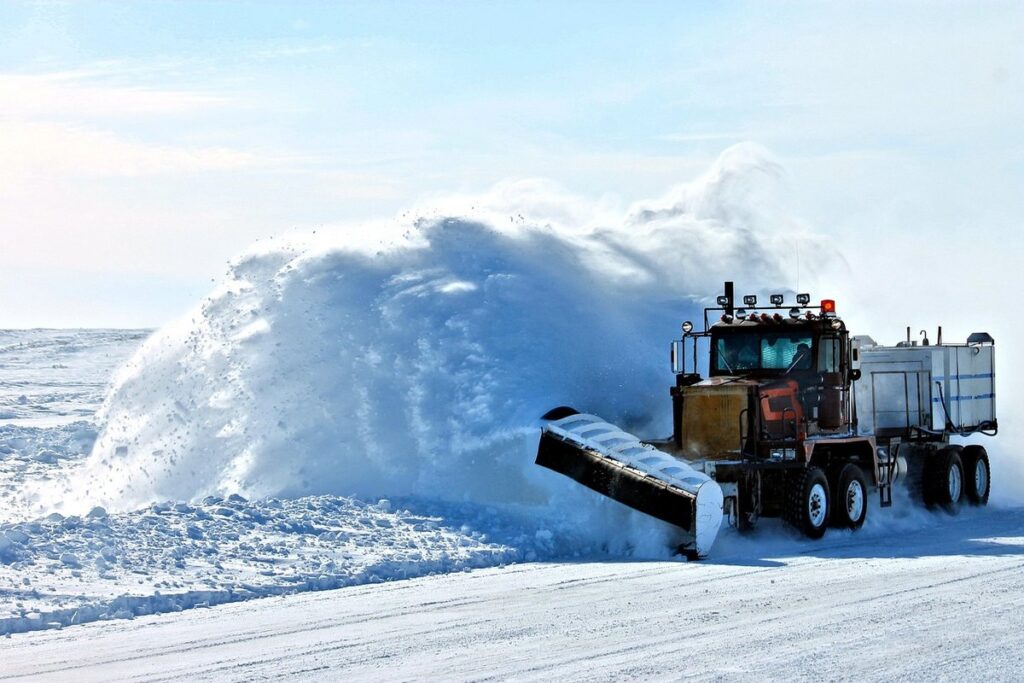
Understanding UTV Snow Plows and Their Benefits
When it comes to clearing snow with your UTV, understanding the benefits of a UTV snow plow is crucial for efficient and effective snow removal. Let’s take a closer look at how these specialized attachments can make a big difference.
Choosing the Right UTV for Snow Plowing
When selecting a UTV for snow plowing, there are several essential features to consider. Engine power is crucial, as it directly affects the machine’s ability to push through heavy snow. A minimum of 500cc is recommended, but some models can handle up to 1000cc. Four-wheel drive (4WD) capability is also vital, allowing you to maintain traction on uneven terrain.
Ground clearance is another critical factor, with at least 10 inches required for navigating deep snow. This can vary depending on the UTV model and manufacturer. Some popular UTV models suitable for snow plowing include the Polaris RZR XP Turbo, Can-Am Maverick X3 Max, and Kawasaki Mule Pro FX. These machines offer a balance of power, ground clearance, and 4WD capability.
When shopping for a UTV, look for models specifically designed for heavy-duty applications like snow plowing. Manufacturers often provide information on the machine’s intended use and capabilities. Researching and comparing different models will help you find the right fit for your needs. Consider factors beyond just power and capability to ensure your UTV is well-suited for the demands of snow plowing.
Types of UTV Snow Plows: Blade-Style and V-Blade Style
When choosing a UTV snow plow, you have two primary options to consider: blade-style and V-blade style. Blade-style snow plows are a classic choice, featuring a single, flat blade that can be adjusted for different angles of attack. These plows excel in standard snow conditions, such as residential driveways and smaller parking lots. Their broad surface area allows them to clear significant amounts of snow with each pass.
However, blade-style plows may struggle with heavy or wet snow, which can cling to the blade and reduce its effectiveness. They also require more clearance than V-blade plows, making them less suitable for tight spaces or navigating around obstacles.
V-blade style snow plows, on the other hand, feature two angled blades that work together to scoop and lift snow. This design provides better performance in heavy or wet snow conditions, as well as improved maneuverability in tight spaces. V-blades are ideal for larger areas, such as commercial parking lots or rural roads, where high snow volumes are common.
Preparing Your UTV for Snow Plowing
Before you start plowing snow, make sure your UTV is equipped and ready for the task. This means outfitting it with essential attachments and ensuring its performance meets the demands of snow removal.
Essential Maintenance Tasks Before Snow Season
Before the snow season kicks in, it’s crucial to perform essential maintenance tasks on your UTV. This ensures your vehicle is in good working condition and can handle the demands of plowing heavy snow. Start by checking the oil levels and changing the oil if necessary. Use a high-quality synthetic oil that’s designed for cold temperatures, as this will help prevent engine damage.
Next, inspect the tire pressure and ensure it’s set to the recommended level for your UTV’s load capacity. Proper tire pressure improves traction and reduces wear on your tires. You should also check the brake pads and rotors for any signs of wear or damage. Replace them if necessary, as worn-out brakes can be a safety hazard.
Additionally, inspect the belts and hoses for any cracks or damage. Consider replacing them if they’re showing signs of wear. Finally, perform a thorough visual inspection of your UTV’s suspension, steering, and transmission components to catch any potential issues before they become major problems. By completing these essential maintenance tasks, you’ll be able to tackle snow plowing with confidence and minimize the risk of breakdowns or accidents.
Installing a UTV Snow Plow: Considerations and Best Practices
When installing a UTV snow plow, ensure you follow the manufacturer’s instructions carefully. Typically, the process involves attaching the plow to the UTV’s receiver hitch using a set of brackets and bolts. Make sure these are securely tightened to avoid any movement during operation.
For proper blade alignment, refer to your UTV’s factory specifications for the recommended plow attachment point. This will ensure even weight distribution and prevent damage to the UTV or plow. Some manufacturers also provide adjustable brackets for optimal blade angle.
Securing the plow in place is crucial to prevent it from shifting during operation. Use a hitch lock to secure the receiver hitch, and consider adding additional straps or tie-downs to the UTV’s frame for extra stability. Be aware that incorrect installation can lead to uneven weight distribution, reduced traction, and potential damage to the UTV.
Some common installation challenges include misaligned blades, loose attachments, and inadequate securing methods. If you encounter any issues during installation, consult your manufacturer’s troubleshooting guide or contact their customer support team for assistance. Additionally, ensure all necessary safety precautions are taken when operating a UTV snow plow, including proper load capacity and weight distribution.
Operating Your UTV Snow Plow Safely
When operating a UTV snow plow, proper safety protocols are essential to avoid accidents and ensure a successful plowing experience. Let’s review key guidelines for safe operation.
Understanding Load Capacity and Weight Distribution
Your UTV’s load capacity and weight distribution are critical factors to consider when plowing snow. The maximum weight your vehicle can handle is determined by its Gross Vehicle Weight Rating (GVWR), which includes the weight of the vehicle, cargo, and attachments like the snow plow. To calculate load capacity, you’ll need to subtract the GVWR from the total weight of the vehicle and any additional components. This will give you a safe margin for adding weight without exceeding the recommended limit.
A general rule of thumb is to keep the center of gravity as low as possible by distributing weight evenly across the vehicle. For UTVs, this often means loading cargo or attachments towards the front or rear rather than the sides. The snow plow itself should be centered over the axles for optimal weight distribution. If you’re unsure about your UTV’s load capacity or need help determining how to distribute weight, consult your owner’s manual or contact a dealership representative.
Aim to keep the total weight on the front axle at 40-50% of the vehicle’s GVWR and the rear axle at 60-70%. This balance will help maintain traction and stability while plowing snow. Remember that adding too much weight can affect your UTV’s performance, braking ability, and overall safety. Always err on the side of caution when loading your vehicle for snow plowing tasks.
Safe Operation Techniques for Various Terrain Types
When operating your UTV snow plow on flat surfaces, it’s essential to maintain slow speeds and keep a sharp eye out for changing conditions. Avoid sudden turns or hard braking, as these can cause loss of traction or even a skid. On hills, reduce speed even further and use caution when approaching the crest, where visibility may be limited.
On icy roads, slow down significantly and increase following distances to account for potential stopping times. Be aware of black ice patches and take extra care when turning or braking on these areas. If possible, plow in the direction of traffic flow to minimize the risk of being struck by another vehicle.
When navigating tight corners or curves, reduce speed and use gentle, gradual turns to maintain control. Avoid overcorrection, which can cause the UTV to fishtail or lose traction. Always keep an eye on surrounding conditions, including weather, terrain, and potential hazards such as fallen trees or debris. By being mindful of your surroundings and adjusting your operation techniques accordingly, you’ll be better equipped to handle various terrain types safely and effectively.
Advanced UTV Snow Plowing Techniques
As you gain experience and confidence with your UTV, it’s time to take on more challenging snow conditions and learn advanced techniques for clearing heavy snowfall. This section will cover expert strategies for navigating steep slopes and deep drifts.
Mastering Complex Terrain: Hills, Curves, and Intersections
When approaching complex terrain, it’s essential to maintain control and avoid accidents. When plowing hills, reduce your speed and use a slower blade angle to prevent digging into the snow. Avoid sharp turns on steep inclines, as this can cause the UTV to lose traction or even roll over.
For curved sections, slow down and make wider turns to maintain stability. It’s also crucial to adjust your plow’s angle according to the curve’s radius – a tighter turn requires a more acute blade angle. When encountering intersections, come to a stop before entering the intersection and assess the situation carefully. If possible, approach from an angle to ensure visibility and control.
When navigating complex terrain, be aware of your surroundings and anticipate potential hazards. Look for signs of ice or hardpack, as these can be hidden beneath the snow surface and cause the UTV to lose traction. In such situations, reduce speed and use a more aggressive blade angle to maintain traction.
Managing Deep Snow and Heavy Loads
When managing deep snow and heavy loads with your UTV snow plow, it’s essential to employ techniques that reduce snow accumulation and distribute weight evenly across the blade. Start by adjusting your plowing speed: slower speeds allow you to break up packed snow and prevent it from accumulating on the blade. Maintain a consistent pace and avoid sudden acceleration or braking, which can cause the blade to dig in and create ruts.
To distribute weight evenly, ensure the UTV’s center of gravity is aligned with the blade’s cutting edge. If your plow has adjustable arms, lower them slightly to reduce the angle of attack and prevent the blade from digging too deeply into the snow. Additionally, consider using a snow plow with a curved or angled design, which can help to distribute weight more evenly across the blade.
When dealing with deep snow, use a push-pull technique: push the snow ahead of you and then pull it back with a gentle rocking motion. This helps to reduce the amount of snow that accumulates on the blade and prevents it from becoming clogged. Always keep an eye on your UTV’s load capacity and take regular breaks to inspect the blade and tires for signs of wear or damage.
Troubleshooting Common Issues with UTV Snow Plows
When unexpected problems arise while using your UTV snow plow, don’t let them bring operations to a halt – we’ve got solutions for common issues right here.
Identifying and Resolving Blade Alignment Problems
Misaligned blades can lead to reduced plowing efficiency and even damage the blade itself. Common issues with blade alignment arise from uneven terrain, worn-out parts, and improper installation. When encountering misalignment problems, start by inspecting the blade’s mounting system for signs of wear or corrosion. Check that all bolts and pins are tightened securely and adjust as necessary.
To align the blade properly, begin by loosening all bolts and pins holding the blade in place. Next, use a level to ensure the blade is perfectly horizontal. If your UTV snow plow features adjustable mounts, raise or lower the blade accordingly to achieve proper alignment. It’s essential to check the blade’s position at multiple points along its length to guarantee accurate alignment.
Some potential causes of misalignment include riding over uneven terrain, which can shift the blade out of position. Additionally, worn-out parts, such as bushings or bearings, can contribute to blade misalignment. Regular maintenance and inspections can help prevent these issues from arising in the first place.
Dealing with Clogged Blades and Drivetrain Issues
Clogged blades and drivetrain issues can bring even the most efficient snow plowing operation to a grinding halt. To prevent these problems from occurring in the first place, it’s essential to regularly inspect and clean the blade. This includes removing any debris or ice buildup that may be obstructing the blade’s movement.
When cleaning the blade, use a soft-bristled brush to gently sweep away any loose material. If the issue persists, try soaking the blade in warm soapy water for several hours to loosen any stubborn clogs. For more severe cases of blade clogging, consider using a specialized snow plow cleaner or degreaser.
If cleaning the blade doesn’t resolve the issue, it’s possible that worn-out components are causing the problem. Regularly inspect your drivetrain and replace any damaged or worn-out parts to prevent further damage. Common culprits include worn gear teeth, damaged belts, and overextended chains.
Here are some signs of worn-out drivetrain components:
- Excessive vibration or noise while plowing
- Difficulty engaging or disengaging the blade
- Visible wear on gear teeth or other moving parts
Conclusion: Tips for Maximizing UTV Snow Plowing Effectiveness
Now that you’ve learned the ins and outs of plowing snow with a UTV, it’s time to maximize your effectiveness by implementing these final tips and tricks. Here are some key takeaways to keep in mind.
Seasonal Maintenance and Storage Best Practices
To ensure your UTV is ready for the next snow season, it’s crucial to perform routine maintenance tasks at the end of each plowing period. First, store your UTV in a dry location, protected from the elements. This will help prevent rust and corrosion on metal components.
Next, lubricate all moving parts, including hinges, pivot points, and bearings. Use a high-quality grease or synthetic lubricant specifically designed for outdoor use. Be sure to follow the manufacturer’s instructions for application and usage rates.
Inspect your UTV’s snow plow attachment and blade regularly for damage or wear. Clean any debris from the plow and blade, and check for proper alignment and balance. Consider replacing worn or damaged components before storing the unit.
Before winter storage, also inspect and replace the fluids in your UTV, including engine oil, hydraulic fluid, and coolant. This will help prevent corrosion and ensure smooth operation when you return to snow plowing duties. By following these maintenance tasks, you’ll be able to extend the life of your UTV and keep it running efficiently throughout the next snow season.
Final Tips for Safe and Efficient Snow Plowing
When plowing snow with a UTV, it’s essential to maintain situational awareness throughout long sessions. This means being mindful of your surroundings, including other drivers on the road and pedestrians in the vicinity. Staying alert is crucial, as fatigue can impair your reaction time and judgment. Take regular breaks to rest and stretch, and consider having a spotter or observer to help monitor the area.
It’s also vital to adapt quickly to changing weather conditions. Snowplowing often involves working through varying snow depths, wind speeds, and visibility levels. Be prepared to adjust your speed and technique as needed, whether it’s navigating treacherous slopes or coping with reduced visibility due to blowing snow. Stay informed about current weather forecasts and road conditions, and consider consulting local experts for specific advice on managing challenging terrain.
Finally, make sure to stay up-to-date with manufacturer recommendations and best practices for your UTV snow plow. Regularly review the owner’s manual and attend workshops or training sessions to refine your skills and ensure you’re using the latest techniques and technologies. By combining situational awareness, adaptability, and a commitment to ongoing education, you can maximize efficiency and safety while plowing snow with your UTV.
Frequently Asked Questions
Can I use my UTV snow plow on icy roads?
Yes, it’s possible to use your UTV snow plow on icy roads, but be cautious and slow down significantly. Ice can make the blade more likely to slip or lose traction, increasing the risk of accidents. Make sure to adjust your speed according to road conditions and use proper safety gear.
How do I know when my UTV is overloaded for snow plowing?
Understanding load capacity is crucial for safe snow plowing. To calculate load capacity, consider your UTV’s weight rating, including the snow plow, blade, and any additional equipment. Distribute weight evenly across the vehicle by adjusting the blade angle or using a ballast weight if necessary.
What if I encounter deep snow or heavy drifts with my V-blade snow plow?
V-blades excel in handling deep snow, but be mindful of potential clogging issues. Regularly inspect your V-blade for blockages and ensure proper airflow to maintain efficiency. If you encounter particularly stubborn drifts, try adjusting the blade angle or using a specialized V-blade attachment designed for heavy snow conditions.
Can I install a UTV snow plow on any terrain, or are there specific requirements?
Most UTV snow plows can handle various terrains, but it’s essential to consider factors like slope steepness and surface type. For extreme inclines or rocky surfaces, consult your manufacturer’s guidelines for compatible terrain types and recommended installation modifications.
How do I store my UTV with a snow plow for extended periods without causing damage?
Proper storage is vital for maintaining your UTV’s longevity. Store the vehicle in a dry location, ideally under cover or in a garage. Clean and lubricate all moving parts before storage to prevent rust and corrosion. Check your manufacturer’s recommendations for specific storage guidelines and best practices.

