
Rice harvest is a crucial process that requires precision, timing, and technique to ensure a bountiful crop and high-quality produce. As one of the world’s most widely consumed staple foods, rice is not only a vital source of nutrition but also a significant contributor to many economies. However, despite its importance, the art and science of rice harvest are often misunderstood or overlooked. You may be surprised to learn that even small changes in temperature, moisture, and soil conditions can significantly impact the yield and quality of your rice crop. This comprehensive guide will walk you through various methods and techniques for rice harvest, from traditional practices to emerging trends, helping you optimize your harvest and achieve a successful season.
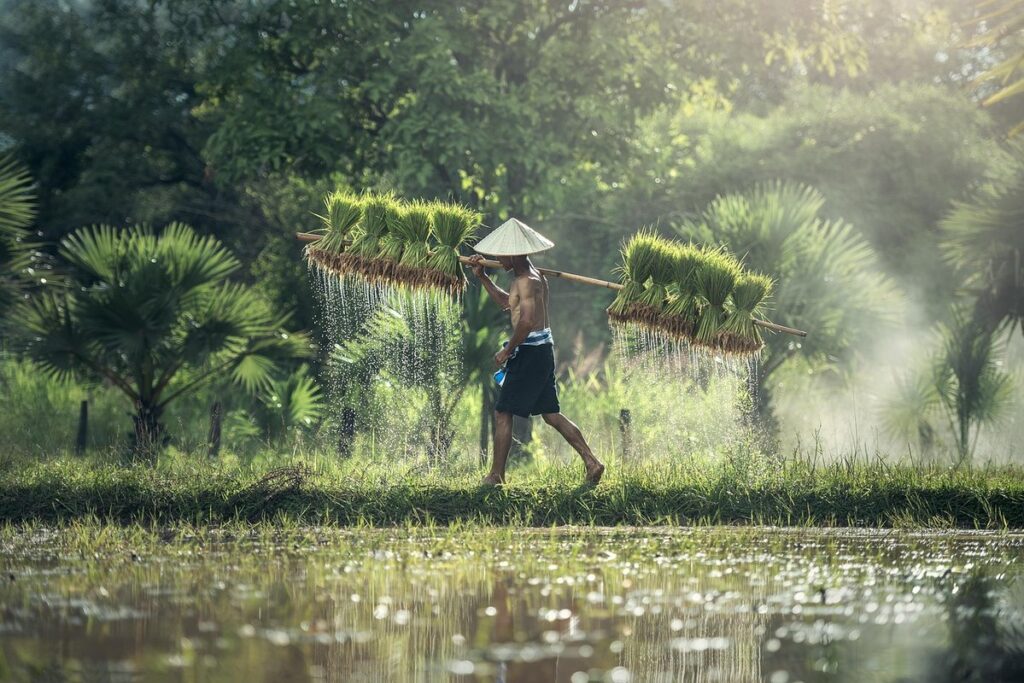
Understanding Rice Harvest Basics
Rice harvest is a complex process that requires careful planning and execution. Let’s start by breaking down the fundamental steps involved in harvesting rice, from maturation to threshing.
What is Rice Harvest?
Rice harvest is a critical stage in the rice cultivation process, marking the transition from a lush green crop to a mature grain-bearing plant. At this point, the rice grains have reached their full maturity and are ready for collection. The process involves carefully cutting or pulling the stalks, allowing the rice grains to separate naturally from the rest of the plant.
When done correctly, rice harvest can be a delicate operation that requires attention to detail and a deep understanding of the crop’s lifecycle. Rice farmers need to ensure that the grain is mature enough to be harvested, yet still retains its quality and moisture content. Factors such as weather conditions, soil type, and pest management all play a significant role in determining the optimal time for harvest.
A successful rice harvest not only yields a bountiful crop but also sets the stage for high-quality produce. Proper handling during this stage can make all the difference in preventing damage to the grain and ensuring its integrity throughout the post-harvest process.
Importance of Timely Harvesting
Timely harvesting is crucial for rice cultivation as it directly impacts the quality and yield of the crop. Moisture content plays a significant role in determining the optimal time for harvest. Excessive moisture can lead to rot, mold, and grain breakage during the drying process, resulting in significant losses. Conversely, if the rice is harvested too early, it may not reach its full maturity potential.
Temperature also influences the ideal harvesting period. Rice typically matures between 20°C to 30°C (68°F to 86°F), and delays can lead to reduced yields. In contrast, harvesting during periods of high temperature or intense sunlight can cause grain desiccation and poor quality. The optimal time for harvest varies depending on factors such as climate, soil type, and crop variety.
Delaying the harvest by even a few days can have substantial consequences. A study in Southeast Asia found that delayed harvests resulted in an average yield loss of 10% to 15%. This may not seem significant at first glance; however, for large-scale commercial operations, such losses can translate into substantial financial burdens. By carefully monitoring moisture content and temperature fluctuations, farmers can make informed decisions about the best time to harvest their rice crops.
Types of Rice Harvesting Methods
Rice harvesting methods can vary significantly depending on factors such as climate, soil type, and regional traditions. We’ll explore the different techniques farmers use to bring in a successful rice crop.
Manual Harvesting Techniques
Manual harvesting techniques have been employed for centuries in various regions, particularly where mechanized equipment is not feasible. One of the most traditional methods is hand-picking, where farmers manually select and gather mature rice grains from the fields. This technique allows for precision and care, as each grain can be carefully chosen to avoid damage.
Another manual method is using sickles or reaping hooks, which are used to cut the mature rice stalks near the base. The cut stalks are then collected and threshed by hand to separate the grains from the chaff. This technique requires a great deal of labor but can be effective in small-scale farming operations.
Advantages of manual harvesting techniques include reduced equipment costs and lower energy consumption. However, they also have limitations – for example, they are often time-consuming and labor-intensive, which can lead to delays in the harvesting process. Additionally, manual methods may not be as efficient or productive as mechanized equipment, particularly for larger-scale operations. In regions where manual harvesting is common, farmers must carefully balance these trade-offs to ensure a successful harvest.
Mechanized Harvesting Equipment
Mechanized harvesting equipment has revolutionized rice cultivation by increasing efficiency and reducing labor costs. There are several types of mechanical harvesters used for rice harvesting, each with its unique benefits and applications.
One common type is the combine harvester, which combines cutting, threshing, and separating the grains from the chaff in a single pass. This equipment is particularly useful in large-scale commercial farming operations where speed and efficiency are crucial. In regions like Asia, where paddy rice is widely cultivated, combine harvesters have become a staple for many farmers.
Another type of mechanical harvester is the header machine, which uses a rotating drum or knife to cut the rice stalks close to the ground. This equipment is ideal for small-scale farming operations and provides excellent results in regions with dense rice cultivation.
In some parts of the world, like Latin America, mechanized harvesting equipment such as the rice reaper is commonly used. These machines use a sickle bar or knife to cut the rice stalks, which are then collected and threshed separately.
These mechanical harvesters offer several advantages over manual harvesting techniques, including increased productivity, reduced labor costs, and improved crop quality. However, they also require significant investment in equipment and maintenance, as well as proper training for operators.
Pre-Harvest Preparation: Ensuring a Smooth Process
Before we move on to harvesting, it’s crucial to prepare your rice crop properly for optimal yields and minimal loss. Proper pre-harvest preparation sets the stage for a successful harvest.
Soil Preparation and Crop Management
Proper soil care and crop management are essential components of a successful rice harvest. Healthy soils allow for optimal water retention, which is critical for rice growth. Fertilizers can also be applied more effectively to nutrient-depleted areas, reducing waste and increasing crop yields.
Weed control measures must be implemented early on to prevent competition for nutrients and water between the rice plants and unwanted vegetation. Herbicides or manual weeding techniques can be used depending on the severity of the weed infestation and farm size. Timing is crucial; most weeds germinate before the rice, allowing a small window for effective removal.
Crop management involves monitoring growth stages to ensure timely application of fertilizers, pesticides, and herbicides. This requires regular soil testing, water quality checks, and crop health assessments. Regular irrigation schedules also aid in maintaining optimal moisture levels, reducing evaporation, and minimizing water waste. With proper care, rice plants grow stronger and more resilient, ultimately resulting in higher yields and better grain quality.
Moisture Content and Maturity Assessment
When determining the optimal time for harvest initiation, assessing moisture content is crucial. This involves measuring the water content of the grains to ensure they are dry enough to be harvested without being damaged by excess moisture. The ideal moisture level varies depending on the type of rice and climate conditions, but as a general rule, most rice varieties should have a moisture content between 20% and 25%.
To assess grain maturity, farmers can use various methods such as visual inspections, manual sampling, or mechanical harvesting equipment with built-in sensors. Visual inspections involve observing the color change, kernel hardening, and reduced seed coat moisture, which indicate maturity. Manual sampling involves collecting a representative sample of grains from the field and measuring their moisture content using a hygrometer.
A common method for assessing grain maturity is to use the ‘kernels per pound’ (KPP) test. This involves counting the number of kernels in a fixed weight of rice to determine its maturity level. The KPP value typically ranges from 1,000 to 1,500 kernels per pound, with higher values indicating greater maturity.
In addition to these methods, farmers can also use a simple ‘finger test’ to assess grain moisture by pinching the grains between their fingers; if they feel soft and sticky, they are still too moist. By combining these assessment methods, farmers can determine when the rice is mature enough for harvest initiation.
Harvesting Techniques by Region and Climate
Rice harvesting techniques vary significantly depending on the region and climate, requiring farmers to adapt their methods accordingly. We’ll explore how different environments influence the harvest process in this section.
Tropical Regions: Challenges and Opportunities
Tropical regions present a unique set of challenges for rice harvesting. High temperatures and humidity levels can cause rapid spoilage and increase the risk of fungal diseases. In these conditions, crops often mature unevenly, making it essential to monitor moisture content and maturity closely. Farmers must also contend with intense sunlight, which can lead to sunscald on grains.
To adapt to these challenges, farmers in tropical regions often employ strategies such as floodwater management, where water is controlled to maintain optimal moisture levels. This involves carefully managing the level of irrigation water to prevent excessive moisture that could promote disease growth. Regular monitoring and assessment are crucial to identify potential issues early on.
In some cases, farmers may also rely on specialized equipment designed for tropical conditions. For instance, machines with cooling systems can help reduce grain temperature, preventing spoilage. Additionally, using drought-tolerant rice varieties can be beneficial in regions prone to prolonged dry spells. By understanding the specific challenges and implementing targeted strategies, farmers in tropical regions can optimize their harvesting techniques and ensure a successful crop yield.
Temperate and Cool-Season Regions: Best Practices
In temperate and cool-season regions, rice harvests typically occur during late summer to early fall. For these climates, combine harvesting is often the most suitable technique. This method involves cutting the mature crop with a mechanical blade, allowing for efficient removal of the grain from the field. The use of combine harvesters equipped with specialized headers that can handle paddy crops like rice makes this process even more streamlined.
Another key consideration in temperate and cool-season regions is moisture content. As temperatures begin to drop, the risk of crop drying increases. To minimize losses, farmers must time their harvest carefully, taking into account factors such as soil temperature, air humidity, and forecasted weather patterns. Regularly monitoring moisture levels can also help identify optimal harvesting times.
For effective combine harvesting in temperate climates, a few essential steps are crucial:
- Ensure the header is properly adjusted to accommodate the crop’s height and density.
- Maintain adequate engine power and airflow to prevent grain loss and damage.
- Regularly clean the machine’s threshing area to prevent clogging and optimize performance.
Post-Harvest Handling and Storage
Now that we’ve harvested our rice, it’s essential to properly handle and store it to maintain its quality and freshness. This involves understanding best practices for drying, cleaning, and storing rice to prevent spoilage.
Drying and Threshing Processes
Drying and threshing are critical steps in the rice harvest process, as they significantly impact grain quality and longevity. If not done properly, moisture levels can remain too high, leading to mold growth and spoilage. Drying reduces the moisture content of the harvested grain to a safe level for storage and transportation.
The drying process typically involves spreading the grains out in the sun or using mechanical dryers that circulate warm air. Effective drying requires careful monitoring of temperature and humidity levels to prevent damage from heat stress or fungal growth. In some regions, rice is dried on concrete patios or raised platforms, allowing for better airflow and even drying.
Threshing, which follows drying, separates the grain from its chaff (dried stalks and leaves) and straw. Threshers can be manual or mechanical, with the former using flails or sticks to dislodge grains from the plant material. Modern threshing equipment uses rollers or beaters to separate the grain efficiently.
To prevent grain damage during drying and threshing, farmers should aim for a moisture level below 20% before storage. Regular cleaning of equipment and proper maintenance can also help minimize grain breakage and contamination.
Proper Storage Techniques
Proper storage techniques are critical to maintaining rice quality and extending shelf life. To prevent moisture-related issues, store rice in a dry environment with low humidity levels. Ideal storage temperatures range from 10°C to 20°C (50°F to 68°F). Avoid storing rice near direct sunlight or heat sources.
Use airtight containers or bags to keep pests, dust, and other contaminants out. Polypropylene or polyethylene bags are suitable options for short-term storage. For long-term storage, consider using hermetic containers with nitrogen flushing or vacuum packaging.
Maintain a consistent temperature throughout the storage area by ensuring good airflow. Use fans or ventilation systems to prevent hot spots and ensure even cooling. When storing rice in large quantities, consider dividing it into smaller portions to facilitate easier rotation and monitoring of stored stock.
To minimize exposure to oxygen, store rice in a single layer at a depth of 10-15 cm (4-6 inches). Avoid stacking bags or containers on top of each other, as this can lead to moisture accumulation and damage the stored rice. Regularly inspect stored rice for signs of spoilage, such as off odors, musty smells, or discoloration.
Modernizing Rice Harvest: Emerging Trends and Technologies
Modern rice harvesting is evolving rapidly, driven by innovations that improve efficiency and sustainability. We’ll explore the latest advancements in automated harvesting systems and precision agriculture techniques.
Precision Agriculture and Farm Management Tools
Cutting-edge technologies are transforming rice harvesting operations with precision agriculture and farm management tools. These innovative solutions enhance efficiency, accuracy, and decision-making by leveraging data-driven insights and automation. For instance, drones equipped with multispectral cameras can detect crop health, moisture levels, and grain quality, enabling farmers to make informed decisions on optimal harvest timing.
Satellite imaging and AI-powered analytics platforms also provide valuable insights into soil conditions, weather patterns, and yield predictions. This information helps farmers optimize resource allocation, minimize waste, and maximize yields. Moreover, precision irrigation systems ensure water conservation by targeting specific areas of the field that require moisture.
Farm management software enables seamless data exchange between various stakeholders, including farmers, suppliers, and logistics providers. This streamlined communication facilitates efficient inventory management, reduces costs associated with manual record-keeping, and enhances supply chain transparency. By embracing these cutting-edge technologies, rice farmers can improve their operational efficiency, reduce labor costs, and increase crop yields while minimizing environmental impact.
Sustainable and Eco-Friendly Approaches
To minimize waste and reduce environmental impact, many rice farmers are adopting sustainable and eco-friendly approaches to harvesting. One key strategy is reducing water usage during the harvesting process. This can be achieved by using dry harvesting techniques or implementing more efficient irrigation systems.
For instance, some farms are transitioning from flood irrigation to drip irrigation, which delivers water directly to the roots of the plants, minimizing evaporation and runoff. This not only conserves water but also reduces soil erosion and nutrient loss.
Another approach is to use mechanical harvesters that allow for a cleaner cut, reducing grain breakage and waste. Some farmers are also experimenting with harvesting at night or during cooler parts of the day to minimize energy consumption and reduce dust generation.
Incorporating cover crops between rice cycles can help maintain soil health, reduce erosion, and provide habitats for beneficial insects. This approach not only promotes biodiversity but also reduces the need for synthetic fertilizers and pesticides. By integrating these sustainable practices into their harvesting methods, farmers can mitigate the environmental impact of rice production while maintaining crop yields.
Frequently Asked Questions
How can I adapt manual harvesting techniques for small-scale rice farming in my area?
You can adapt manual harvesting techniques by selecting the right tools and equipment suitable for your specific region’s climate and soil type. Consider factors like soil moisture, temperature, and crop density when deciding on the best approach. Additionally, training local laborers to use these methods efficiently will also contribute to successful harvests.
What if I encounter difficulties with moisture content during harvesting? How can I adjust my strategy?
Yes, difficulties with moisture content are common during rice harvesting. To adjust your strategy, consider monitoring soil and grain moisture levels closely. If the moisture is too high, you may need to delay harvesting or use specialized equipment that can handle higher moisture levels. Conversely, if the moisture is too low, you might need to employ drying techniques before threshing.
Can I implement precision agriculture tools in existing rice fields without disrupting operations?
Yes, it’s possible to integrate precision agriculture tools into your existing rice fields with minimal disruption. Begin by assessing your current infrastructure and workflow to identify areas for improvement. Gradually introduce new technologies like drones or sensors to monitor crop health, soil moisture, and other critical factors. This phased approach will help you optimize harvests while minimizing operational disruptions.
What are some best practices for storing harvested rice in tropical regions with high humidity?
To store harvested rice effectively in tropical regions, ensure that your storage facilities have adequate ventilation to prevent moisture buildup. Use airtight containers or bags to keep pests and contaminants out, and maintain consistent temperatures between 10-20°C (50-68°F) to slow down grain degradation. Regularly inspect stored grains for signs of spoilage or damage.
How can I evaluate the effectiveness of emerging trends like precision agriculture in my rice harvest operations?
To assess the effectiveness of precision agriculture tools, start by defining specific performance metrics such as yield increases, reduced labor costs, and improved crop quality. Track these metrics over several harvest seasons to establish a baseline for comparison. Regularly review your data and adjust your approach accordingly to optimize the benefits of these technologies in your unique context.
