
Fertilizer applications to agricultural fields can have unintended consequences when excess nutrients are carried away by rainwater into nearby waterways. This phenomenon is commonly known as fertilizer runoff, and it poses significant threats to both aquatic ecosystems and soil health. Excess nutrient pollution from fertilizers can lead to algal blooms in lakes and rivers, causing harm to aquatic life and affecting human consumption of drinking water. Furthermore, the economic impact of fertilizer runoff cannot be overstated, with costs associated with water treatment and rehabilitation efforts placing a substantial burden on local communities. In this article, you’ll learn about the causes and effects of fertilizer runoff, as well as best management practices that can mitigate its impact and help maintain soil fertility while protecting natural resources.
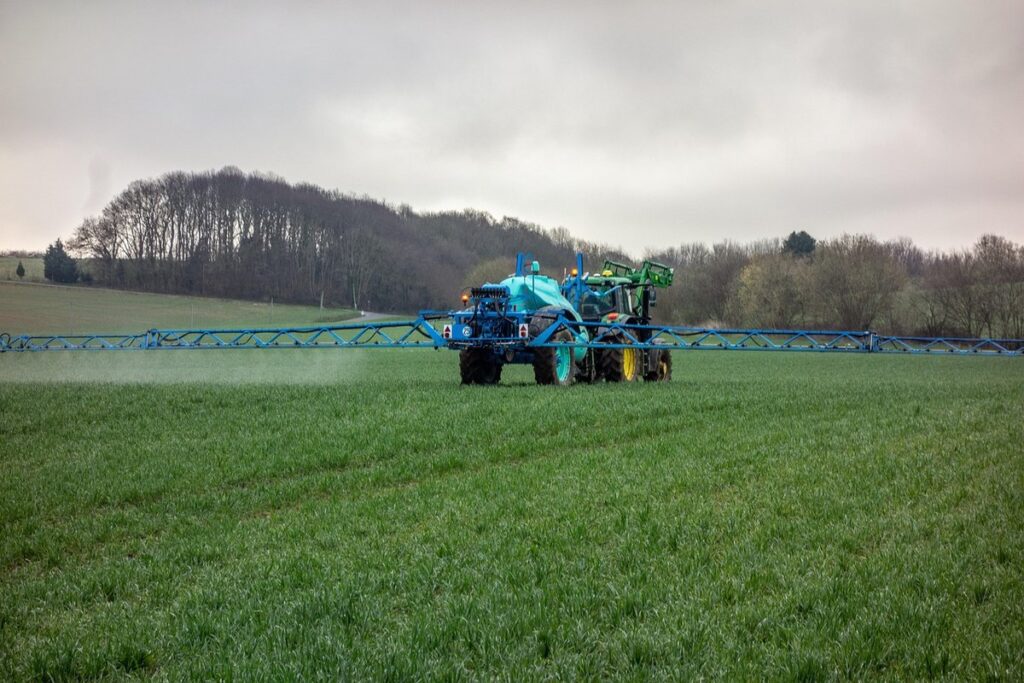
Understanding Fertilizer Runoff and Its Causes
Let’s take a closer look at the factors that contribute to fertilizer runoff, from oversaturation to soil erosion, which often go unchecked on agricultural fields. These conditions can lead to devastating environmental consequences.
What is Fertilizer Runoff?
Fertilizer runoff occurs when excess fertilizers applied to agricultural fields are carried away by rainwater and discharged into nearby water bodies. This can happen due to various factors, including excessive fertilizer application, inadequate soil testing, or heavy rainfall events that overwhelm the soil’s ability to absorb nutrients.
When fertilizers are overapplied, they don’t get absorbed by the soil as intended. Instead, they become available for runoff, often in concentrations that exceed safe levels. For instance, a study found that applying more than 50 pounds of nitrogen per acre increases the risk of fertilizer runoff by a significant margin.
Heavy rainfall is another critical factor contributing to fertilizer runoff. During intense storms, rainwater can quickly saturate soil and wash away applied fertilizers. This is particularly concerning in areas with impermeable surfaces or poor drainage, where water tends to pool and carry contaminants further downstream.
As a result of this process, excess nutrients such as nitrogen and phosphorus enter nearby waterways, potentially causing algal blooms and harming aquatic ecosystems.
Factors Contributing to Fertilizer Runoff
Fertilizer runoff is influenced by a combination of soil type, crop choice, and weather conditions. Clay soils tend to retain water and nutrients, but their dense structure can also limit root growth and increase the risk of nutrient leaching into groundwater. Sandy soils, on the other hand, drain quickly and are less likely to contribute to fertilizer runoff.
The crops grown in a field also play a significant role in determining the likelihood of fertilizer runoff. Corn and soybeans require large amounts of nitrogen-based fertilizers, which can be washed away by heavy rainfall or irrigation. In contrast, crops like wheat and oats tend to absorb nutrients more efficiently and may require fewer fertilizers.
Weather conditions are another critical factor contributing to fertilizer runoff. Intense rainfall events can overwhelm soil’s capacity to absorb water and nutrients, leading to significant runoff losses. Droughts, conversely, can cause nutrient deficiencies in the soil, making it more susceptible to fertilizer overapplication when precipitation returns.
Environmental Impact of Fertilizer Runoff
Fertilizer runoff from agricultural fields can have devastating effects on local ecosystems, causing water pollution and harming aquatic life. This section examines the environmental consequences of this widespread issue.
Water Pollution from Fertilizers
Fertilizer runoff can have devastating effects on water bodies, leading to eutrophication and algal blooms. When excess nutrients from fertilizers enter aquatic ecosystems, they stimulate an overgrowth of algae, which can deplete oxygen levels in the water. This can lead to the death of aquatic plants and animals that rely on dissolved oxygen for survival. Eutrophication can also result in the formation of toxic algal blooms, which can produce chemicals that are harmful to humans and wildlife if ingested.
Excess nutrients from fertilizer runoff can also cause changes in water chemistry, making it difficult for aquatic life to thrive. For example, an overabundance of phosphorus can lead to increased growth of algae, while high levels of nitrogen can promote the growth of aquatic plants, altering the ecosystem’s delicate balance.
Farmers and agricultural professionals can take steps to mitigate these effects by adopting best management practices (BMPs) such as cover cropping, conservation tillage, and precision agriculture. These strategies can help reduce fertilizer runoff and minimize the impact on water bodies.
Soil Degradation and Loss of Nutrients
Fertilizer runoff can lead to significant soil degradation and loss of nutrients over time. When excess fertilizers enter waterways, they carry away essential nutrients like nitrogen and phosphorus. As these nutrients are flushed through the soil, they become unavailable for crops to absorb, reducing fertility and productivity.
This process is particularly pronounced in areas with intensive farming practices. A single application of fertilizer can release a substantial amount of nutrients into nearby water sources, which then wash over the surrounding soil. The repeated loss of these nutrients can leave the soil depleted, making it increasingly difficult for plants to grow without additional fertilizers.
The effects of nutrient depletion can be long-lasting and far-reaching. For instance, studies have shown that soils with high levels of phosphorus fertilizer can take up to 100 years to recover naturally. Moreover, prolonged nutrient loss can also contribute to soil erosion, as depleted soil lacks the necessary organic matter to hold onto moisture and prevent runoff.
To mitigate this issue, farmers should focus on maintaining healthy soil through sustainable agricultural practices, such as crop rotation, cover cropping, and reduced fertilizer application rates.
Economic Consequences of Fertilizer Runoff
Excess fertilizer from agricultural fields can have severe economic consequences, including damage to aquatic ecosystems and contaminated water supplies that harm human health. We’ll examine these costs in more detail next.
Crop Yield Reductions and Decreased Profitability
Fertilizer runoff can significantly impact crop yields and profitability for farmers. Excess nutrients from fertilizers can lead to overfertilization, causing crops to become waterlogged and more susceptible to disease. This can result in reduced growth rates, lower fruit and vegetable production, and ultimately, decreased crop yields. The financial consequences are substantial: a single season of excessive fertilizer application can cost farmers thousands of dollars.
Factors contributing to decreased profitability include increased soil erosion, which can reduce the lifespan of the field, and the costs associated with replanting or reconditioning the land. Furthermore, farmers may also face reduced market value for their crops due to decreased quality. For example, a study in the Midwest found that corn yields were 10-20% lower in fields where fertilizer runoff was prevalent.
Farmers can mitigate these effects by adopting best management practices (BMPs) such as precision application and targeted nutrient management. By optimizing fertilizer use and minimizing waste, farmers can reduce the risks associated with crop yield reductions and decreased profitability.
Regulatory Penalties and Litigation
Regulatory penalties and litigation can have severe financial consequences for farmers and agricultural operations found non-compliant with environmental regulations. Fines from regulatory agencies can be substantial, ranging from thousands to millions of dollars per incident. For example, a 2019 investigation by the US Environmental Protection Agency (EPA) resulted in over $1 million in fines levied against a large-scale farming operation for repeated fertilizer runoff incidents.
In addition to financial penalties, farmers may also face costly litigation stemming from environmental damage caused by fertilizer runoff. Lawsuits can arise from neighboring landowners or local communities affected by water pollution and soil degradation. Reputational damage is another significant concern, as public perception of irresponsible agricultural practices can lead to loss of business and decreased market value.
To mitigate these risks, farmers should familiarize themselves with existing regulations and guidelines governing fertilizer use and runoff prevention. Regular monitoring of farm operations and implementation of best management practices (BMPs) can also help identify potential compliance issues before they escalate into costly problems.
Mitigating Fertilizer Runoff through Best Management Practices (BMPs)
To effectively manage fertilizer runoff, farmers can implement several key strategies that prioritize soil health and minimize excess nutrient application. These approaches can significantly reduce environmental impact.
Implementing Conservation Tillage and Cover Crops
Implementing conservation tillage and cover crops can significantly reduce soil erosion and fertilizer runoff. Conservation tillage involves minimizing soil disturbance through reduced or no-till farming practices. This approach helps preserve soil organic matter, reduces soil compaction, and promotes soil structure. As a result, the soil is more resistant to erosion, reducing the amount of nutrients washed away by rainfall.
Cover crops are plants grown between crop cycles to protect and enhance soil health. They help hold the soil in place, reducing erosion and runoff. For example, winter rye or ryegrass can be planted after harvest to prevent soil loss during the off-season. Cover crops also add organic matter to the soil, improving its water-holding capacity and fertility.
When implementing conservation tillage and cover crops, consider factors such as climate, soil type, and crop selection. For instance, no-till farming may not be suitable for heavy clay soils prone to compaction. Similarly, certain cover crops may compete with desired crops for resources like light and nutrients.
Some key considerations when adopting these practices include:
- Choosing the right cover crop species for your specific climate and soil type
- Implementing a rotation plan that incorporates conservation tillage and cover crops
- Monitoring soil health and adjusting strategies as needed
Using Precision Agriculture Techniques
Precision agriculture techniques offer a promising solution to minimize fertilizer usage and runoff. Variable rate application, for instance, allows farmers to apply fertilizers at varying rates depending on soil type, crop requirements, and other factors. This approach ensures that only the necessary amount of fertilizer is applied, reducing excess nutrient discharge into waterways.
Another technique gaining traction is drone monitoring. Equipped with sensors and cameras, drones can capture high-resolution images of fields, providing valuable insights on crop health, growth patterns, and soil conditions. Armed with this data, farmers can make informed decisions about fertilizer application, adjusting rates to meet specific crop needs. Drone monitoring also enables real-time monitoring of weather conditions, allowing for prompt adjustments to fertilization schedules.
When implementing precision agriculture techniques, it’s essential to consider the following:
- Choose a suitable variable rate application system that integrates with your existing equipment and software.
- Ensure accurate mapping and zoning of fields to enable precise fertilizer application.
- Regularly calibrate and maintain drone monitoring systems to guarantee reliable data capture.
Case Studies of Successful Fertilizer Runoff Reduction Initiatives
Let’s take a closer look at real-world examples of successful fertilizer runoff reduction initiatives, where innovative approaches and best practices have made a tangible impact on water quality. We’ll examine these projects in detail.
Real-World Examples of BMP Implementation
Agricultural operations like Iowa’s Corn Growers Association and Ohio’s Stark Soil and Water Conservation District have implemented BMPs to minimize fertilizer runoff. They’ve adopted conservation tillage methods, reducing soil disturbance and erosion, while also incorporating cover crops that absorb excess nutrients during off-season periods.
These efforts have resulted in significant reductions in fertilizer application rates without compromising crop yields. For instance, Iowa corn farmers have reduced their nitrogen use by up to 40% using precision agriculture techniques that optimize fertilizer applications based on real-time soil moisture levels and weather forecasts. By integrating these practices into their operations, agricultural producers can not only protect water quality but also improve overall farm efficiency.
Several notable projects demonstrate the effectiveness of BMP implementation in various regions:
- The Ohio State University’s Conservation Tillage Implementation Project, which has seen a 75% reduction in soil erosion and nutrient loss
- The Iowa Water Quality Initiative’s cover crop program, which has resulted in a 30% decrease in fertilizer runoff from participating farms
These case studies showcase the tangible benefits of adopting BMPs for fertilizer management.
Lessons Learned from These Success Stories
One key takeaway from these successful initiatives is the importance of integrating BMPs into existing farm management practices. For example, implementing conservation tillage and cover crops can significantly reduce fertilizer runoff by minimizing soil erosion and retaining nutrients in the soil. A study in Iowa found that adopting conservation tillage reduced fertilizer application rates by up to 20% while maintaining crop yields.
Another critical lesson is the value of data-driven decision-making through precision agriculture techniques. By monitoring soil moisture levels, temperature, and nutrient content, farmers can optimize fertilizer application rates and timing, reducing waste and runoff. A Texas farm implemented a precision agriculture program and reported a 30% reduction in fertilizer use while increasing crop yields by 15%.
Effective communication among stakeholders is also crucial for successful implementation of BMPs. Regular monitoring, maintenance, and adjustments to BMPs are essential to ensure their continued effectiveness. This includes sharing best practices with neighboring farmers, collaborating with local extension services, and staying up-to-date with regulatory requirements.
Regulatory Frameworks and Guidelines for Fertilizer Management
Regulatory frameworks play a crucial role in mitigating fertilizer runoff by setting guidelines for application, storage, and disposal. We’ll explore these essential regulations next.
Overview of Existing Regulations and Guidelines
Existing regulations and guidelines for fertilizer use and management are primarily set by government agencies at the national and state levels. The US Environmental Protection Agency (EPA) has established specific standards for agricultural runoff, including the Nutrient Management Regulatory Guidance Manual. This manual provides guidance on developing nutrient management plans to reduce excess nutrients in soil and water.
Industry organizations such as the National Fertilizer Association and the International Plant Nutrition Institute also play a role in promoting best practices for fertilizer use. The National Fertilizer Association’s Code of Conduct, for example, outlines responsible fertilizer marketing and sales practices.
State governments have implemented their own regulations, often building on federal guidelines. Some states require farmers to develop nutrient management plans or adhere to specific application rates. California’s Fertilizer Regulations, for instance, limit nitrogen application to 160 pounds per acre annually.
Farmers can stay up-to-date with changing regulations by attending industry conferences and workshops, joining professional organizations, or following government agency websites and publications. Regularly reviewing local ordinances and collaborating with agricultural extension agents can also help farmers comply with existing regulations and adapt to new guidelines.
Best Practices for Compliance and Staying Up-to-Date
To stay informed about changing regulations and best practices in fertilizer management, farmers and agricultural professionals can take several steps. First, they should regularly review and update their knowledge of relevant laws and guidelines. This includes familiarizing themselves with federal and state regulations, as well as industry-specific standards such as those set by the Environmental Protection Agency (EPA) or the Association of American Plant Food Control Officials (AAPFCO).
Farmers can also stay up-to-date through educational resources like workshops, conferences, and online courses. Many universities, extension services, and professional organizations offer training programs specifically focused on fertilizer management and environmental stewardship.
In addition to formal education, farmers should also subscribe to industry publications and websites that provide timely updates on regulatory changes and best practices in fertilizer application. Some notable examples include the National Fertilizer Association’s website and the USDA’s Natural Resources Conservation Service (NRCS) website. By taking these proactive steps, farmers can ensure they remain compliant with evolving regulations and continue to adopt effective strategies for minimizing fertilizer runoff from their fields.
Frequently Asked Questions
How Long Does it Take to See Significant Reductions in Fertilizer Runoff After Implementing BMPs?
Reducing fertilizer runoff is a gradual process that requires consistent implementation of best management practices (BMPs) over several seasons. Farmers may see initial improvements in soil health and reduced erosion within the first year, but significant reductions in fertilizer runoff typically occur after 2-3 years of sustained effort.
Can I Use Precision Agriculture Techniques Even If I Don’t Have a Large Farm or Advanced Technology?
While large-scale precision agriculture operations often get more attention, smaller farms can still benefit from precision techniques like variable rate application and drone monitoring. Many companies offer affordable options for small-scale farmers, and some government programs provide incentives for adopting these technologies.
What Happens if I Still Experience Fertilizer Runoff After Implementing All Recommended BMPs?
Even with proper implementation of BMPs, fertilizer runoff can still occur due to factors like extreme weather events or equipment malfunctions. If you continue to experience issues despite best efforts, consider consulting with a soil scientist or agricultural expert to identify potential root causes and develop customized solutions.
Is It True That Some Crops Are More Susceptible to Fertilizer Runoff Than Others?
Yes. Certain crops like corn and soybeans are more prone to fertilizer runoff due to their high nutrient requirements and intensive farming practices. However, this doesn’t mean you can’t grow these crops sustainably – it’s essential to balance fertilizer application with conservation tillage and cover crop strategies.
Can I Use Organic or Natural Fertilizers as an Alternative to Synthetic Ones?
While organic fertilizers have their benefits, they may not be suitable for every situation. Some natural fertilizers, like compost, can be effective but require more land and labor to produce. Others might not provide enough nutrients for high-yielding crops. It’s crucial to carefully evaluate your specific needs and circumstances before switching to organic options.

