
Seeding alfalfa can be a challenging task, but with the right approach, you can ensure maximum crop performance. When done correctly, alfalfa is a highly profitable and versatile crop that can provide multiple harvests per year, making it an attractive option for farmers looking to diversify their operations. However, achieving optimal results requires attention to detail in every stage of the process, from soil preparation to post-planting care. In this comprehensive guide, we’ll walk you through the essential steps involved in seeding alfalfa successfully. We’ll cover topics such as choosing the right equipment for your specific needs, preparing your soil for optimal growth, and implementing effective post-planting care strategies to maximize yields. By following these expert tips, you’ll be well on your way to growing a thriving alfalfa crop that meets its full potential.
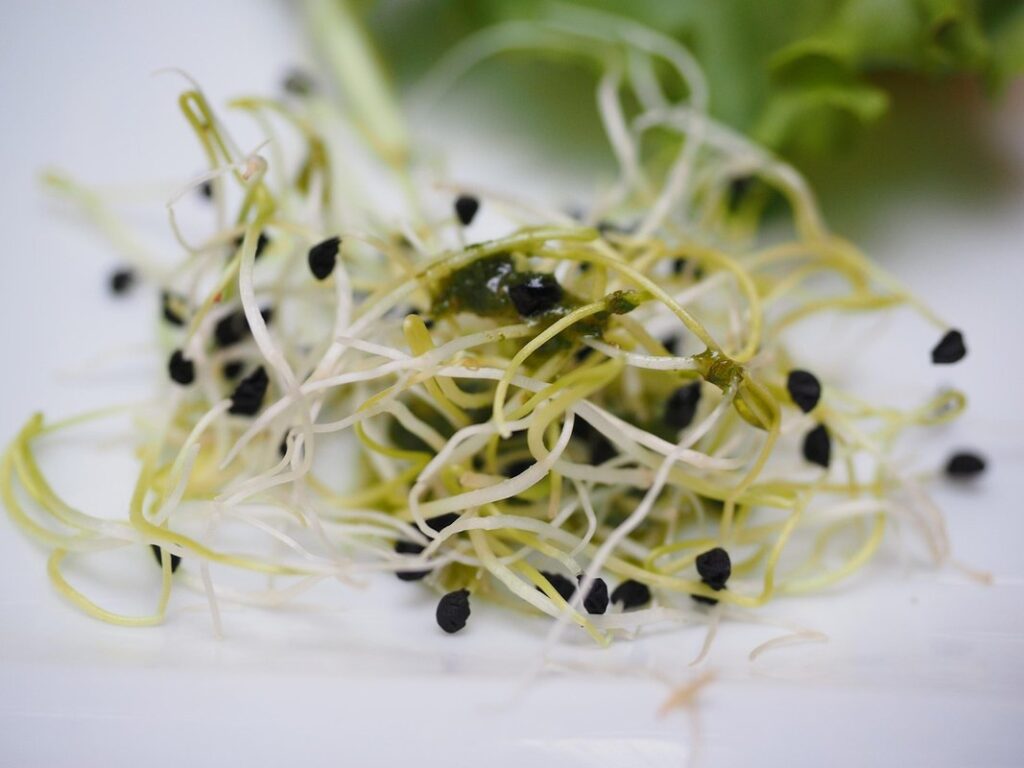
Understanding Alfalfa Basics
Alfalfa is a versatile crop, but its unique growth habits and nutritional requirements can be puzzling for beginners. Let’s break down the essential facts you need to know.
What is Alfalfa?
Alfalfa is a perennial legume native to Asia but now widely cultivated across temperate regions of the world. As a legume, alfalfa belongs to the pea family (Fabaceae), which includes other nitrogen-fixing crops like beans and clover. This classification is significant because it highlights alfalfa’s unique ability to convert atmospheric nitrogen into a form that can be used by plants.
In agriculture, alfalfa plays a vital role as a forage crop, providing high-quality hay and silage for livestock. Its importance extends beyond its use as animal feed, however: alfalfa also contributes to soil health through its nitrogen fixation capabilities. This process allows farmers to reduce synthetic fertilizers and maintain soil fertility over time.
The versatility of alfalfa is further demonstrated by its multiple uses in agriculture. Alfalfa hay can be harvested for livestock feed, while the crop’s seeds are used as a valuable source of protein and oil. In addition, alfalfa’s deep taproot makes it an effective soil stabilizer, reducing erosion and runoff on slopes and uneven terrain. By understanding alfalfa’s characteristics and uses, farmers can make informed decisions about incorporating this valuable crop into their operations.
Choosing the Right Variety
When selecting an alfalfa variety for seeding, it’s essential to consider its characteristics, growth habits, and intended use. Different types of alfalfa are suited for various purposes, such as hay production, silage, or seed production.
For instance, ‘Mission’ and ‘Wesley’ varieties are popular choices for hay production due to their high yield potential and excellent dry matter content. In contrast, ‘Ranger’ and ‘Vernal’ are better suited for silage production because they have higher moisture levels and a more fibrous stem structure.
When choosing an alfalfa variety for seed production, factors such as disease resistance and seed yield come into play. Some popular varieties include ‘Cimarron’, ‘AC Ranger’, and ‘Wesley’. These varieties are bred specifically for their ability to produce high-quality seeds with good germination rates.
Consider the following key characteristics when selecting an alfalfa variety:
- Yield potential
- Dry matter content or moisture levels
- Disease resistance
- Seed yield and quality
- Adaptability to local climate and soil conditions
Carefully evaluating these factors will help you choose the right alfalfa variety for your specific needs and ensure optimal seeding performance.
Pre-Planting Considerations
Before you start seeding, it’s essential to consider a few crucial factors that will ensure your alfalfa crop thrives. This includes soil preparation and selecting the right variety for your specific needs.
Soil Preparation and Testing
Soil analysis is a crucial step in preparing for optimal seeding conditions. Alfalfa requires specific pH levels and nutrient management to thrive. A soil test will determine its current pH level, which should ideally range between 6.5 and 7.5. If the pH is too high or too low, lime or sulfur can be added to adjust it.
Nutrient deficiencies are also common in alfalfa soils. Alfalfa requires adequate phosphorus, potassium, and micronutrients like manganese and boron. A soil test will identify any nutrient gaps, allowing you to apply targeted fertilizers before planting. For example, if the soil is deficient in phosphorus, a starter fertilizer with a high phosphorus content can be applied.
Some common nutrient imbalances to watch out for include:
- High nitrogen levels, which can lead to excessive vegetative growth and decreased yields
- Low potassium levels, which can cause reduced resistance to disease and pests
- Manganese deficiencies, which can result in stunted plant growth and reduced seed production
Addressing these issues before planting can significantly improve alfalfa yields and overall health.
Equipment and Seeding Techniques
For successful alfalfa seeding, you’ll need the right equipment. This includes drills, airseeders, and precision planters. Drills are simple, cost-effective options for small to medium-sized fields. They’re particularly well-suited for growers who already have a tractor with a hydraulic system.
Airseeders, on the other hand, offer more precise control over seeding rates and spacing. They use compressed air to distribute seeds evenly across the field. This equipment is ideal for larger operations or those requiring high-precision seeding.
Precision planters are also gaining popularity among alfalfa growers. These machines can apply multiple types of fertilizer at varying rates while planting seeds. By integrating seeding and fertilization, precision planters reduce the risk of over-fertilization and optimize nutrient uptake.
When selecting equipment, consider factors like field size, terrain complexity, and existing tractor capabilities. It’s also essential to research specific models and their performance in different conditions. For example, some airseeders are designed for use with tractors as small as 150 horsepower, while others require more powerful machinery.
In addition to these major categories, smaller accessories like seed boxes and fertilizer hoppers may be necessary to complement your chosen equipment.
Seeding Rates and Spacing
To seed alfalfa successfully, you need to balance population density with individual plant growth space. Let’s explore optimal seeding rates for different climates and regions.
Determining Optimal Seeding Rates
Soil type is a critical factor to consider when determining optimal seeding rates for alfalfa. Clay soils tend to retain moisture better than sandy soils, which means you can seed at higher rates on clay soils without overwatering the young plants. In contrast, sandy soils require more frequent watering and lower seeding rates to prevent drought stress.
Moisture levels also play a significant role in determining optimal seeding rates. Alfalfa requires about 1-2 inches of water per week, either from rainfall or irrigation. If your soil is consistently dry due to low rainfall or poor irrigation, you’ll need to adjust your seeding rate downward to avoid stressing the plants.
The intended use of the alfalfa crop also affects seeding rates. For hay production, a higher seeding rate (typically 10-15 pounds per acre) is often used to achieve a denser stand and more biomass. In contrast, silage production typically requires lower seeding rates (around 5-8 pounds per acre), as the plant’s energy will be directed towards producing high-quality forage rather than dense biomass.
When considering these factors, it’s essential to remember that seeding rate is just one aspect of achieving optimal growth and yield in your alfalfa crop. Proper seed placement and depth are equally important, and we’ll explore those topics in more detail later.
Seed Placement and Depth
Precise seeding depth is crucial for alfalfa growth. Drilling seeds 0.5 to 1 inch deep typically yields better results than surface broadcasting or shallow planting, as it protects the seed from temperature fluctuations and moisture loss. However, this ideal depth may vary depending on soil type, moisture levels, and weather conditions.
In general, row spacing of 20-30 inches allows for adequate air circulation and promotes even growth, reducing competition among plants for resources like light and water. Narrower rows can lead to reduced yields due to overcrowding. Conversely, wider rows might result in wasted space, as alfalfa is a dense-growing crop that benefits from close proximity.
Most seeding implements are designed with standard row configurations, but customizing the seed placement and depth according to specific soil conditions and equipment capabilities can significantly improve germination rates. For example, using a drill seeder or air seeder allows for more precise control over seed distribution and spacing.
Post-Planting Care
After seeding alfalfa, proper care is crucial for optimal growth and yield. This section will walk you through the essential steps to ensure your newly seeded fields receive the best possible care.
Irrigation Strategies
A well-designed irrigation system is crucial for alfalfa’s optimal growth. When choosing an irrigation strategy, consider the land’s topography, soil type, and water availability. Drip irrigation systems are often ideal for alfalfa fields due to their precision application of water directly to the roots. This method minimizes evaporation and runoff while reducing soil compaction.
Pivot sprinklers can also be effective in large fields or those with rolling terrain. These systems distribute water evenly across the land, but may require adjustments to ensure adequate coverage near field edges. Flood irrigation, on the other hand, is often used for small plots or as a supplemental method during periods of high water demand.
When selecting an irrigation system, evaluate factors such as labor costs, maintenance requirements, and potential for equipment failure. For example, drip irrigation systems may require more frequent filter cleaning to prevent clogging, while pivot sprinklers necessitate regular checks on nozzle alignment and pressure gauges.
For small fields (less than 20 acres), flood irrigation can be a low-cost option, but it requires careful planning to avoid waterlogged areas and ensure even moisture distribution.
Fertilization and Pest Management
A balanced fertilization schedule is crucial to promoting healthy alfalfa growth. Aim for a slow release fertilizer with a nitrogen-phosphorus-potassium (N-P-K) ratio of 10-20-5 or similar, applied at planting time. Follow up with sidedress applications of N and K as needed based on soil tests, typically 30-60 days after emergence.
When it comes to pest management, integrated approaches often prove more effective than relying solely on chemicals. Monitor for common pests like aphids, whiteflies, and spider mites by examining plants regularly, particularly during peak growth periods. Use physical barriers or row covers to prevent infestations before they occur.
A targeted approach to pest control involves introducing beneficial insects that prey on problem pests. For example, lady beetles can be used to control aphid populations. In some cases, fungicides may be necessary to combat diseases like powdery mildew and leaf spot. Always read and follow the label instructions when applying any chemicals.
Maintain accurate records of fertilization schedules and pest management strategies to identify patterns and adjust as needed for future seeding cycles.
Monitoring and Adjusting Seeding Performance
When it comes to seeding alfalfa, closely monitoring and adjusting performance is crucial for optimal yield. This section will guide you through the key metrics to track and adjust your strategy accordingly.
Assessing Germination and Emergence
When assessing germination and emergence, look for signs of new growth, such as small white buds or leaves. Check for uniformity in seedling height and density to identify potential issues with soil quality or moisture levels. Watch for early symptoms of stress or disease, like yellowing leaves or powdery mildew.
A crucial step is inspecting the field regularly during this period. This will help you catch problems before they spread and cause significant damage. For example, if you notice a localized issue with seed germination, investigate its possible causes by examining soil pH levels and moisture content in that area.
Some common indicators of stress or disease include excessive tillering (where the plant produces multiple stems), weakened growth, or an unusual coloration on the leaves. Take note of these signs to adjust your seeding practices for future operations. Consider adjusting factors such as seeding rate, soil preparation, or irrigation strategies based on the observed issues.
During this stage, keep track of weather patterns and potential pests that may be affecting seedlings. Be prepared to make adjustments on short notice if necessary.
Harvest Timing and Quality
When it’s time to harvest your alfalfa crop, several factors come into play to ensure optimal quality. Moisture content is a crucial consideration – most growers aim for a moisture level between 25% and 35%. This range allows for easy drying and storage without compromising the hay’s nutritional value.
Maturity is another key factor influencing quality. Alfalfa typically reaches its peak maturity within 60 to 90 days after germination, depending on factors like temperature, soil quality, and specific variety. To gauge maturity, inspect the crop regularly, checking for a slight yellowing of leaves and a more pronounced stem color. Harvest too early, and your alfalfa may be low in digestible fiber; wait too long, and it may become overmature.
For storage, consider factors like climate-controlled facilities or drying structures that minimize exposure to heat, light, and moisture. Properly dried alfalfa hay can be stored for several months without significant loss of quality. When storing, maintain a clean environment to prevent contamination – this includes regularly inspecting the hay’s condition and removing any moldy or spoiled sections.
Aim for a slow, 2-3 day drying process in a well-ventilated area to achieve optimal moisture levels.
Frequently Asked Questions
Can I use leftover alfalfa seed from last year for this season’s planting?
Yes, it depends on the storage conditions. If stored properly in an airtight container, away from direct sunlight and moisture, alfalfa seed can remain viable for several years. However, seed quality may degrade over time, affecting germination rates.
What if my soil pH is slightly above or below the optimal range? Will alfalfa still grow?
While alfalfa prefers a slightly alkaline to neutral soil pH (6.5-7.0), it can tolerate some deviation without significant yield loss. If your pH is too high, consider adding organic matter to lower it. For excessively acidic soils, liming may be necessary.
How do I decide between using a drill or an airseeder for seeding alfalfa on my specific farm?
Choose the seeding method based on your soil type and terrain. Drills are suitable for smoother fields and smaller areas, while airseeders can handle more rugged landscapes and larger tracts of land. Consider factors like seed depth, spacing, and row configuration when selecting equipment.
Can I seed alfalfa in a field with existing weed pressure? How do I manage weeds effectively?
Yes, but you’ll need to implement an integrated weed management strategy. Before seeding, control weeds through herbicides or manual removal. Post-planting, use techniques like mulching, crop rotation, and biological control methods to minimize weed competition.
What if it rains immediately after seeding? Will the alfalfa seed be washed away?
Yes, excessive rain can lead to seed loss. To mitigate this risk, ensure proper soil preparation before seeding, and consider using a seed treatment that promotes water resistance. Also, apply a thin layer of mulch or cover crop over newly seeded areas to protect against erosion.
