
Growing your own vegetables can be incredibly rewarding, but it requires careful consideration of each plant’s specific needs. One crucial aspect to consider is self-pollination, which is essential for many varieties to produce fruit and seeds. However, not all vegetables require cross-pollination, and some are perfectly happy with their own company. These self-pollinating vegetables offer a convenient solution for gardeners, requiring less effort and space while still providing bountiful harvests. By growing self-pollinating vegetables, you can simplify your gardening efforts, boost yields, and enjoy the satisfaction of a thriving garden. In this article, we’ll explore a comprehensive list of self-pollinating vegetables, including their benefits, growing tips, and varieties perfect for beginners and experienced gardeners alike, to help you get started with confidence and grow a successful crop.
What Are Self-Pollinating Vegetables?
When it comes to growing your own food, understanding self-pollinating vegetables is key to a bountiful harvest. In this section, we’ll explore what sets these plants apart from others.
Definition and Importance of Self-Pollination
Self-pollination is a critical process for certain vegetables to reproduce and produce seeds. It allows plants to fertilize their own flowers without the need for cross-pollination from other plants. This means that self-pollinating vegetables can thrive in isolation, making them ideal for gardeners who want to grow specific varieties or don’t have access to multiple plants.
In gardening, self-pollination is essential because it enables plant reproduction and seed production. Without self-pollination, many vegetables would struggle to produce viable seeds, limiting their ability to propagate. For example, some squash varieties rely solely on self-pollination to set fruit and produce seeds.
Understanding the importance of self-pollination can help gardeners optimize growing conditions for their plants. By recognizing which vegetables are self-pollinating, gardeners can create more efficient and productive gardens. This knowledge is particularly valuable for small-scale or urban gardeners who need to make the most of limited space.
Benefits of Growing Self-Pollinating Vegetables
Growing self-pollinating vegetables offers several advantages over traditional varieties. For one, they require minimal maintenance, as they don’t need external pollinators like bees or butterflies to reproduce. This means you can skip the hassle of attracting these visitors with flowers that provide nectar and pollen.
Another benefit is increased yields. Self-pollinating plants are able to produce more fruit and vegetables because they can fertilize themselves, resulting in a higher crop density. You can expect to harvest more tomatoes from a single plant or enjoy a greater variety of herbs from your self-pollinating herb garden.
Reducing your reliance on external pollinators also has environmental benefits. By growing self-pollinating plants, you’re supporting biodiversity and reducing the pressure on natural pollinator populations. This is especially important for plants that are heavily reliant on bees, like almonds and apples, which could face significant losses if these pollinators continue to decline.
When selecting self-pollinating varieties, look for those with a high fruit set or yield potential. Some examples of high-yielding self-pollinators include cherry tomatoes, zucchini, and bell peppers. By choosing the right plants and providing optimal growing conditions, you can reap the rewards of easy maintenance and increased yields.
Top Self-Pollinating Vegetables for Beginners
If you’re new to gardening, starting with self-pollinating vegetables is a great way to build confidence and harvest delicious results quickly. Let’s take a look at some of the easiest options for beginners.
Easy-to-Grow Vegetables for Small Gardens
When it comes to small gardens or indoor spaces, certain self-pollinating vegetables are ideal for beginners. These easy-to-grow options require minimal maintenance and can thrive in limited space. Cherry tomatoes are a popular choice, producing plenty of fruit even in containers as small as 5 gallons. Leaf lettuce is another excellent option, requiring only partial shade and well-draining soil to grow.
Radishes are a low-maintenance crop that can be harvested in as little as 20-25 days. They don’t require much space and can be grown densely, making them perfect for indoor or small outdoor gardens. Other beginner-friendly options include green beans, which can be trained to climb up trellises, and herbs like basil and cilantro.
To get the most out of your self-pollinating vegetables in small spaces, ensure you provide them with sufficient sunlight (most require at least 4-6 hours of direct sunlight) and maintain a consistent watering schedule. Avoid overcrowding, as this can lead to reduced yields and increased susceptibility to pests and diseases. By following these simple tips, you’ll be able to enjoy a bountiful harvest from your small garden or indoor space.
Hardy Vegetables That Thrive in Cooler Climates
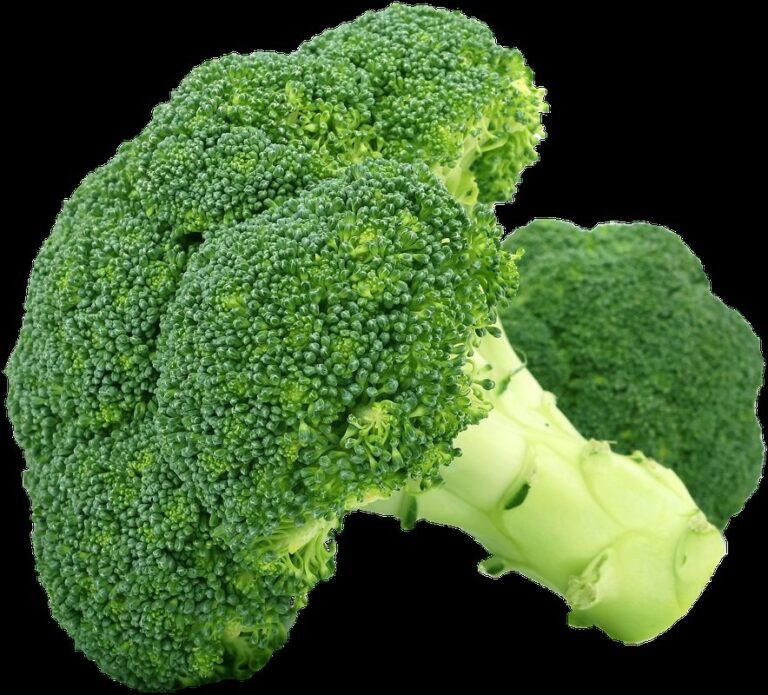
When cooler climates take their toll on gardens, certain self-pollinating vegetables prove to be resilient. Broccoli, cauliflower, and kale are among these hardy options, thriving in regions with shorter growing seasons. These cool-season crops can tolerate light frosts and temperatures as low as 25°F (-4°C), making them ideal for gardeners who face early winter or prolonged autumn.
Broccoli, in particular, excels when the weather is cooler, its buds forming tightly during periods of frost. Cauliflower also fares well under these conditions, its delicate white flowers unfolding slowly to avoid damage from harsh winds. Kale, a leafy green that’s often overlooked, loves the chilly temperatures and can withstand light frosts without suffering significant damage.
In regions with short growing seasons, these self-pollinating vegetables offer a reliable harvest. To get the most out of your broccoli, cauliflower, or kale, plant them in well-draining soil with adequate moisture. Provide support for broccoli and cauliflower as they grow to prevent stem breakage under heavy snowfall. For kale, prune it regularly to encourage new growth and prevent the leaves from becoming bitter.
Advanced Self-Pollinating Vegetable Varieties
Take a look at some of the most impressive and productive self-pollinating varieties that will take your gardening to the next level, including peppers, eggplants, and okra. These varieties are perfect for small spaces and offer high yields with minimal maintenance.
Specialty Vegetables for Experienced Gardeners
For experienced gardeners looking to push their self-pollinating vegetable game to the next level, there’s a world of unique and exotic varieties waiting to be explored. Gourds, such as ornamental Luffa and bottle-shaped Calabash, offer an attractive addition to any garden bed or container. Their vibrant colors and intricate patterns make them perfect for adding visual interest without sacrificing yields.
Squash is another category where experimentation can lead to exciting results. The Cucuzza squash, a type of zucchini from Italy, boasts an elongated shape and soft, edible rind. Its delicate flavor pairs well with light seasonings or roasted as a side dish. Other varieties like the Crookneck and Straightneck provide similar versatility.
Cucumbers are also ripe for experimentation, with options like the English and Slicing varieties offering differing textures and flavors. The English cucumber is prized for its long, thin shape and mild taste, while the Slicing variety boasts a thicker, more robust skin and sweeter flavor profile.
Heirloom and Open-Pollinated Varieties
Heirloom and open-pollinated self-pollinating vegetables are prized by gardeners for their unique characteristics and benefits. These varieties have been saved and handed down through generations, often retaining the same traits and qualities that made them desirable in the first place.
One key benefit of heirloom and open-pollinated varieties is their adaptability to local growing conditions. Because they’ve been grown and saved by gardeners over time, these varieties are more likely to thrive in your specific climate and soil type. For example, ‘Brandywine’ tomatoes are a popular heirloom variety that grows well in cooler climates and produces large, flavorful fruit.
In terms of characteristics, heirloom and open-pollinated self-pollinating vegetables often offer a range of colors, shapes, and sizes. This diversity can add visual interest to your garden and provide more options for cooking and preserving. For instance, ‘Rainbow’ lettuce is an open-pollinated variety that offers a mix of red, green, and yellow leaves.
Some popular heirloom and open-pollinated self-pollinating vegetables include tomatoes like ‘Cherry Roma’, peppers such as ‘California Wonder’, and cucumbers like ‘Marketmore’. When selecting varieties to grow, consider factors like climate tolerance, disease resistance, and flavor profile. By incorporating these unique varieties into your garden, you can add depth and variety to your harvests.
Tips for Growing Self-Pollinating Vegetables
For many gardeners, growing self-pollinating vegetables can be a straightforward process, but a few key tips can make all the difference in achieving success. Let’s discuss some simple yet essential tips for healthy growth.
Optimizing Growing Conditions
When growing self-pollinating vegetables, it’s essential to create an optimal environment for them to thrive. This begins with soil quality – a mix rich in organic matter and a pH between 6.0 and 7.0 will provide the necessary nutrients and support healthy root development.
Proper sunlight exposure is also crucial; most self-pollinating vegetables require at least six hours of direct sunlight per day. However, some varieties like lettuce and spinach can tolerate partial shade, especially in warmer climates where intense sunlight can lead to scorching.
Watering schedules should be tailored to the specific needs of each plant. For example, tomatoes benefit from consistent moisture, but overwatering can lead to root rot. On the other hand, peppers prefer slightly drier conditions and may require more frequent watering during hot spells.
In general, self-pollinating vegetables grown in containers will require more frequent watering due to their smaller soil volume. A good rule of thumb is to water when the top 1-2 inches of soil feels dry to the touch.
Pest Management and Disease Prevention Strategies
To keep self-pollinating vegetables healthy and productive, it’s essential to implement effective pest management and disease prevention strategies. Start by monitoring your plants regularly for signs of pests or diseases, such as holes in leaves, yellowing stems, or white powdery coatings. Common pests that target self-pollinating veggies include aphids, slugs, and caterpillars.
To control these pests, use physical barriers like fine mesh or row covers to prevent infestations. Hand-picking is another effective method for small-scale gardens. For more severe infestations, consider using organic pest control methods like neem oil or insecticidal soap. When it comes to diseases, make sure to provide adequate air circulation and remove any infected plants to prevent the spread.
Some key disease-prevention strategies include rotating crops, improving soil health through composting, and watering at soil level to avoid wetting leaves. Regularly inspect your plants for signs of fungal or bacterial infections, and take action promptly to prevent the issue from escalating. By staying vigilant and implementing these strategies, you can protect your self-pollinating vegetables from pests and diseases and enjoy a bountiful harvest.
Self-Pollinating Vegetables in Container Gardens
Growing self-pollinating vegetables in container gardens is a great way to enjoy fresh produce without relying on bees for pollination, and many varieties thrive in small spaces. Let’s explore some popular options.
Space-Saving Solutions for Urban Gardeners
For urban gardeners, self-pollinating vegetables offer a perfect solution for small spaces. These plants are designed to thrive in compact conditions, making them ideal for container gardens on balconies or patios. To maximize space, consider using vertical planters or trellises that can support multiple plants at once.
Use shallow containers with good drainage to accommodate the roots of self-pollinating vegetables like cherry tomatoes, lettuce, and herbs. These plants require minimal root depth, allowing them to grow densely packed in smaller spaces. For example, a 5-gallon container can hold 6-8 tomato seedlings or 12-15 lettuce plants.
When selecting varieties for your container garden, opt for compact or dwarf types that naturally produce smaller fruit. This not only saves space but also encourages the plant to focus its energy on producing more fruit rather than growing larger.
Maximizing Yields in Small Spaces
When growing self-pollinating vegetables in containers, maximizing yields in small spaces requires careful pruning and training. Prune plants to encourage bushy growth, which increases leaf density and subsequently boosts photosynthesis. This technique is particularly effective for varieties like tomatoes, peppers, and eggplants. Regular pruning also promotes air circulation, reducing the risk of fungal diseases.
For vining plants like cucumbers, squash, and melons, provide a trellis or other support to maximize vertical space. Train these plants to climb by gently twining them around the support, ensuring they receive adequate sunlight.
To further optimize yields in small spaces, consider using a tiered growing system or a wall-mounted planter. These solutions allow you to stack multiple containers, increasing your overall yield while minimizing floor space.
When choosing self-pollinating vegetables for container gardens, select compact or dwarf varieties specifically bred for small spaces. These varieties are naturally more compact and require less pruning, making them ideal for urban gardeners with limited space. Regularly inspect your plants for signs of nutrient deficiencies or pests, addressing any issues promptly to maintain optimal yields.
Conclusion: Embracing the World of Self-Pollinating Vegetables
As you’ve learned about the many benefits and types of self-pollinating vegetables, it’s time to wrap up your journey with a look at how to incorporate these easy-to-grow veggies into your gardening routine.
Recap of Key Takeaways
Growing self-pollinating vegetables offers numerous benefits for gardeners of all skill levels. By choosing varieties that require less maintenance and can thrive in diverse conditions, you can enjoy a more productive and stress-free gardening experience.
One key takeaway from this guide is the importance of selecting the right self-pollinating vegetable varieties for your needs. Beginners should start with easy-to-grow vegetables like tomatoes, zucchini, and cucumbers, which are perfect for small gardens and require minimal care. Experienced gardeners can explore more specialized options, such as heirloom and open-pollinated varieties, to add unique flavors and textures to their harvests.
Growing self-pollinating vegetables in containers is also a viable option, especially for urban gardeners with limited space. By using space-saving solutions like trellises and vertical gardens, you can maximize yields even in the smallest of spaces. This approach not only increases productivity but also reduces the need for external support and pruning.
In addition to these practical considerations, it’s essential to remember that self-pollinating vegetables offer numerous health benefits. These plants are often higher in nutrients and antioxidants compared to their pollinator-dependent counterparts, making them a great choice for gardeners who prioritize healthy eating.
To make the most of your self-pollinating vegetable garden, be sure to optimize growing conditions by providing adequate sunlight, water, and nutrients. Implement pest management strategies like companion planting and crop rotation to minimize the risk of pests and diseases. By following these tips and guidelines, you can unlock the full potential of self-pollinating vegetables and enjoy a more rewarding gardening experience.
Some key characteristics of successful self-pollinating vegetable gardens include:
- Diversified plant selection
- Optimal growing conditions
- Regular maintenance and monitoring
- Pest management and disease prevention strategies
Frequently Asked Questions
Can I grow self-pollinating vegetables in areas with poor soil quality?
Yes, it is still possible to grow self-pollinating vegetables in areas with poor soil quality. To achieve success, focus on creating a nutrient-rich growing medium by mixing compost or well-rotted manure into the soil. This will help your plants thrive despite any underlying soil issues.
What if I accidentally cross-pollinate my self-pollinating vegetables?
While it’s possible to cross-pollinate self-pollinating vegetables, it can lead to reduced yields and changes in plant characteristics over time. To minimize this risk, ensure you have separate areas for different varieties of the same type of vegetable, or use techniques like bagging individual flowers to prevent unwanted pollination.
How do I know when my self-pollinating vegetables are ready to harvest?
The timing of harvest for self-pollinating vegetables can vary depending on factors such as variety, weather conditions, and desired level of ripeness. Generally, for leafy greens like lettuce or kale, wait until the leaves have reached a uniform size and color. For fruiting varieties like cherry tomatoes, check for a deep red color and slight softening to the touch.
Can I use self-pollinating vegetables in permaculture systems?
Yes, self-pollinating vegetables can be an excellent choice for permaculture designs due to their reduced reliance on external pollinators. By incorporating them into your system, you can create a more diverse and resilient food production network that minimizes external inputs.
Are there any specific considerations for growing self-pollinating vegetables in high-altitude areas?
Yes, high-altitude gardeners need to take extra precautions when growing self-pollinating vegetables due to the lower atmospheric pressure. This often leads to cooler temperatures and potentially shorter growing seasons. To adapt, choose varieties bred specifically for high-altitude conditions and ensure your plants receive adequate sunlight and water throughout their growth cycle.
