
As a farmer, you know how crucial it is to provide your crops with the right nutrients at the right time. But did you know that applying fertilizers directly to the soil around growing plants can significantly boost crop yields and improve nutrient uptake? This technique is called side dressing fertilizer, and it’s a game-changer for anyone looking to optimize their fertilization strategy. By incorporating side dressing into your routine, you’ll be able to prepare the soil more effectively, manage pests and diseases more efficiently, and ultimately increase your harvests. In this article, we’ll take a closer look at how side dressing fertilizer works, when to apply it, and what benefits it can bring to your farm or garden. By the end of this piece, you’ll know exactly how to use side dressing fertilizer to improve crop yields and unlock its full potential.
Understanding Side Dressing
Side dressing fertilizer can be a game-changer for your crops, but it’s essential to understand how and when to apply it effectively. Let’s break down the key factors that determine its success in this section.
What is Side Dressing?
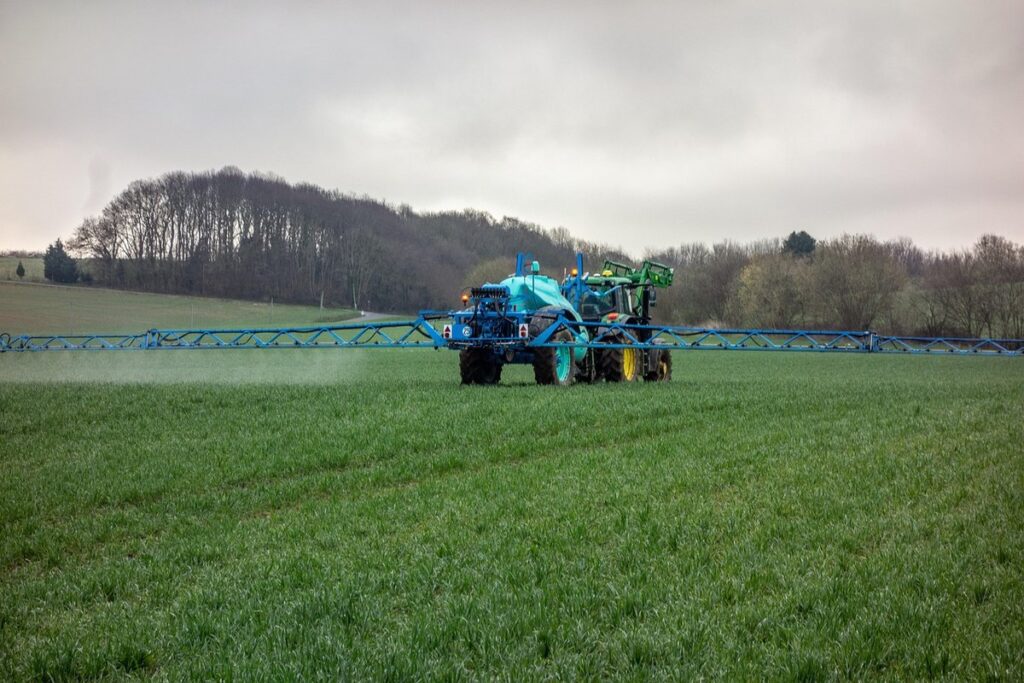
Side dressing refers to the process of applying fertilizer to a growing crop at the side or between rows, rather than broadcasting it evenly over the entire field. This targeted application method allows you to deliver nutrients directly to the roots of the plants, promoting healthy growth and development.
By providing essential micronutrients and macronutrients in this way, side dressing helps to address specific nutritional deficiencies that may be limiting crop yields. It’s particularly useful for crops with shallow root systems or those grown in areas with poor soil fertility. For example, corn and soybeans often benefit from side dressing with nitrogen-rich fertilizers during the growing season.
The benefits of side dressing are numerous: it can increase crop yields by up to 10%, improve plant vigor, and enhance overall fruit quality. By applying fertilizer at the right time and in the correct amount, farmers can optimize their investment and maximize returns. This targeted approach also reduces waste and minimizes the environmental impact associated with over-fertilization.
Benefits of Side Dressing
Applying fertilizer through side dressing offers several key benefits for crops. One of the primary advantages is increased crop yields. By providing essential nutrients at a critical stage of growth, side dressing enables plants to produce more fruit, flowers, or seeds. This boost in productivity can be particularly pronounced in high-demand cash crops like corn and soybeans.
Improved nutrient uptake is another significant benefit of side dressing. When fertilizer is applied directly to the soil, it becomes readily available for plant absorption, reducing the risk of nutrient deficiencies and promoting healthier growth. This targeted approach also minimizes waste and environmental impact by delivering exactly what crops need at the right time.
In addition to these advantages, side dressing can help optimize crop quality. By providing a concentrated dose of nutrients during periods of rapid growth, farmers can improve fruit texture, flavor, and color. For example, strawberry farmers may apply a balanced fertilizer mix through side dressing to enhance berry size, sweetness, and shelf life.
Types of Crops That Benefit from Side Dressing
Crops like corn, wheat, and soybeans benefit from side dressing due to their growth habits. As these crops grow, they require additional nutrients, especially nitrogen, phosphorus, and potassium. Side dressing provides a concentrated dose of these essential macronutrients, promoting healthy root development and maximizing yields.
For example, corn requires a large amount of nitrogen during the vegetative stage, which is typically between 10-20 days after planting. Applying side dressing at this time can increase nitrogen availability by up to 30%. Similarly, soybeans benefit from side dressing during their reproductive phase, when they require more phosphorus and potassium.
Other crops like tomatoes, peppers, and cucumbers also respond well to side dressing. These warm-season annuals have a long growth period and high nutrient demands. Applying side dressing mid-growing season can improve fruit set, size, and quality. However, it’s essential to consider the crop’s specific needs and timing when deciding on side dressing.
In general, crops that require more nutrients or have a longer growth period tend to benefit from side dressing.
Preparing Your Soil for Side Dressing
Before applying side dressing fertilizer, it’s crucial to prepare your soil by loosening and aerating the top layer to ensure optimal absorption. A well-prepared soil will make all the difference in your crop’s growth.
Testing Your Soil pH and Nutrient Levels
Testing soil pH and nutrient levels is a crucial step before applying fertilizer through side dressing. You can’t accurately determine how much fertilizer to use or what type to choose without knowing what your soil needs. A simple soil test will give you the information required to make informed decisions.
Most garden supply stores sell at-home testing kits, which usually involve collecting a small sample of soil and following the manufacturer’s instructions for analysis. You can also send a sample to a lab for more detailed results. Lab tests typically include pH levels as well as nutrient deficiencies in nitrogen, phosphorus, and potassium (NPK).
Interpreting your test results requires understanding what they mean. A high pH indicates alkaline soil, which may require acidic fertilizers or other amendments to balance the soil’s chemistry. Conversely, a low pH suggests acid soils that will benefit from lime applications. For nutrient deficiencies, you’ll want to add fertilizers rich in those specific elements.
A balanced NPK ratio is essential for most crops. However, some may have unique requirements. For example, tomatoes need more potassium and phosphorus than nitrogen. Understanding these nuances ensures that your side dressing application doesn’t inadvertently harm your crop’s growth or development.
Choosing the Right Fertilizer for Side Dressing
When it comes to side dressing, you have a range of fertilizer options available. These can be broadly categorized into nitrogen-based and organic fertilizers. Nitrogen-based fertilizers, such as ammonium sulfate or urea, are high in nitrogen content (typically 20-40%) and release their nutrients quickly. They’re suitable for crops that require a rapid increase in growth rate, like corn or wheat.
Organic options, on the other hand, offer more gradual nutrient release. These can be derived from natural sources like bone meal, fish emulsion, or compost. They may contain lower nitrogen levels (typically 5-10%) but provide additional benefits such as improved soil structure and microbial activity. For example, using a balanced organic fertilizer with nitrogen, phosphorus, and potassium can promote healthy root development in vegetables.
When choosing between these options, consider the specific needs of your crop. If you’re growing sensitive plants like orchids or roses, an organic option may be preferable to avoid burning their roots. In contrast, high-yielding crops like corn might benefit from a nitrogen-rich fertilizer to boost growth rates.
Best Practices for Preparing Your Soil
When preparing your soil for side dressing, it’s essential to consider factors beyond just fertilizer application. Proper irrigation and aeration can make all the difference in ensuring your crop absorbs the nutrients effectively.
First, ensure your soil has adequate water retention capacity. Side dressing is most effective when applied to crops growing in well-draining yet moisture-retentive soils. If your soil tends to dry out quickly or become waterlogged, consider amending it with organic matter like compost or mulch. This will help regulate the moisture levels and prevent nutrient leaching.
Next, ensure good soil aeration by incorporating tillage practices that promote root growth. Till lightly before applying side dressing to avoid compacting the soil, which can hinder root development. If your soil is heavily compacted, consider using a rototiller or aerator to loosen it up.
Finally, maintain optimal soil temperature for nutrient uptake. Side dressing is most effective when applied during cooler temperatures, typically between 60°F and 80°F (15°C and 27°C). Avoid applying side dressing in extreme heat or cold, as this can lead to reduced nutrient absorption.
Applying Side Dressing Effectively
Now that we’ve covered the basics of side dressing fertilizer, it’s time to put your newfound knowledge into practice. This next part will walk you through how to effectively apply side dressings for optimal results.
Timing: When to Apply Side Dressing
When to apply side dressing fertilizer is just as crucial as how you apply it. The ideal time for side dressing depends on several factors, including weather conditions and the crop’s growth stage.
In most cases, side dressing should be done when the crop is at a critical growth stage, such as during vegetative growth or shortly before flowering. This allows the fertilizer to be absorbed by the plant quickly, giving it an immediate boost of nutrients. For example, corn typically benefits from side dressing in early June, while soybeans do best with a mid-summer application.
Weather conditions also play a significant role in determining when to apply side dressing. Avoid applying fertilizer during extreme weather conditions like heavy rain or intense heatwaves, as this can cause the fertilizer to wash away or become less effective. Typically, it’s best to apply side dressing on a cloudy day or after a gentle rainfall, allowing the fertilizer to be absorbed slowly and evenly.
It’s also essential to consider the specific needs of your crop variety. For instance, some crops may require more frequent applications or different types of fertilizers based on their growth habits and nutrient requirements.
Methods of Application
When applying side dressing fertilizer, you have several methods to choose from, each with its own benefits and applications. One common technique is broadcasting, where the fertilizer is spread evenly over the soil surface using a broadcast spreader or by hand. This method is effective for large areas and can be used for most types of crops.
Another technique is banding, which involves applying the fertilizer in narrow strips along the crop row. Banding is particularly useful for crops that have a high nutrient requirement, such as corn and soybeans. It allows you to target the fertilizer directly at the roots, reducing waste and improving uptake.
Some farmers also use drip irrigation systems with integrated fertilizers, which deliver nutrients directly to the roots through small tubes placed alongside the plants. This method is often more expensive but can be highly effective for sensitive crops or in areas where water is scarce. Regardless of the method chosen, it’s essential to follow the recommended application rates and timing to avoid over-fertilization and minimize environmental impact.
Monitoring Your Crop’s Response to Side Dressing
When monitoring your crop’s response to side dressing, it’s essential to be aware of signs indicating nutrient deficiencies or over-fertilization. One key indicator is visible symptoms on the leaves and stems. For example, yellowing or browning leaves can signal a nitrogen deficiency, while dark green leaves may indicate an excess of nitrogen.
Another critical factor is crop growth rate. If your crop’s growth slows down or appears stunted after side dressing, it could be a sign that the fertilizer is not being utilized efficiently or is causing nutrient imbalances. On the other hand, if your crop grows excessively fast, it might be a sign of over-fertilization.
To accurately monitor your crop’s response, take regular soil tests to determine pH and nutrient levels. Compare these results with pre-side dressing readings to identify any changes. Additionally, inspect your plants regularly for signs of nutrient deficiencies or toxicity, such as leaf scorch or blossom-end rot. By closely monitoring your crop’s response, you can make informed decisions about adjusting side dressing applications and avoid potential yield losses due to over- or under-fertilization.
Common signs of over-fertilization include an excessive amount of new growth, yellowing leaves with green veins, and a buildup of salt in the soil.
Managing Pests and Diseases after Side Dressing
After side dressing your crops, you’ll need to be on the lookout for signs of pests and diseases that can still cause significant damage if left unchecked. Effective management strategies will help prevent these issues from taking hold.
Common Issues After Side Dressing
After applying side dressing fertilizer, some farmers may encounter common issues such as pest infestations and disease outbreaks. These problems can arise due to factors like excessive nitrogen levels, which can attract pests or create an ideal environment for diseases to spread.
Excessive nitrogen promotes lush growth, but it also makes plants more susceptible to fungal diseases like powdery mildew and leaf spot. High nitrate levels in the soil can lead to root rot, as well as attract insects like aphids, whiteflies, and spider mites.
Soil pH imbalance is another potential issue after side dressing. If the fertilizer alters the soil’s pH too drastically, it may create conditions that favor certain pathogens or pests. For example, a sudden shift towards acidity can lead to root diseases in plants that prefer neutral or alkaline soils.
Farmers should monitor their crops closely for signs of pest infestations or disease outbreaks after side dressing. Regular scouting and prompt action can help prevent the spread of these issues, minimizing losses and ensuring the continued health and productivity of the crop.
Strategies for Managing Problems
Integrated pest management (IPM) techniques and organic controls are essential for managing common issues after side dressing. IPM involves identifying the pest or disease, assessing its impact on your crop, and choosing a combination of tactics to manage it. This approach is more effective than relying on a single method, as pests often develop resistance to individual control measures.
For example, if you notice aphid infestations after side dressing, use a combination of neem oil, insecticidal soap, and introducing beneficial insects like ladybugs or lacewings. These methods target different life stages of the pest and reduce the likelihood of developing resistance.
Other organic controls include crop rotation, sanitation practices, and using physical barriers to prevent pests from reaching your plants. For instance, row covers can protect young seedlings from flea beetles while allowing pollinators like bees to access your crops.
When choosing IPM techniques or organic controls, consider the specific pest or disease you’re managing and its life cycle. This will help you select methods that target vulnerable stages of the pest’s development. For example, using pyrethrin sprays can be effective against pests with a short life cycle, such as aphids.
Maximizing Your Returns from Side Dressing
When applied strategically, side dressing fertilizer can provide a significant boost to your crops’ growth and yield potential. Let’s explore how to maximize these benefits in this crucial stage of plant development.
Calculating the Cost-Benefit Ratio
To calculate the cost-benefit ratio of side dressing, start by adding up the costs associated with the fertilizer application. This includes the price of the fertilizer itself, as well as any equipment or labor needed to apply it. Consider the yield and quality improvements resulting from side dressing when calculating benefits.
Crop yields are a direct benefit of effective side dressing. Improved nutrient uptake can increase yields by 10-20%. Crop prices also fluctuate over time, so factor in current market rates to accurately estimate earnings. Long-term impacts like increased soil fertility and reduced fertilizer needs should be considered as well.
The cost-benefit ratio is typically calculated using the following formula: (Total Benefits – Total Costs) / Total Costs. A positive result indicates that side dressing was profitable for your crop. To refine this calculation, take into account factors specific to your farm or growing conditions, such as soil type and climate.
Long-Term Impacts of Side Dressing
Regular application of side dressing can lead to improved soil health over time. As organic matter from the fertilizer breaks down, it increases the soil’s water-holding capacity and structure. This, in turn, allows roots to grow deeper and more extensively, accessing nutrients that might otherwise be out of reach. Improved soil structure also reduces erosion and runoff, making it easier to maintain soil fertility.
However, there are potential drawbacks to consider. For example, excessive application of side dressing can lead to over-fertilization, causing nutrient imbalances that may harm the environment or even poison nearby water sources. Moreover, certain types of fertilizers used in side dressing can become locked into the soil’s clay particles, reducing their availability for plant uptake and potentially contaminating groundwater.
To mitigate these risks, it’s essential to carefully monitor soil test results and adjust fertilizer application rates accordingly. This may involve switching to more targeted or slow-release formulations that minimize waste and environmental impact. By doing so, you can maximize the long-term benefits of side dressing while minimizing its drawbacks.
Frequently Asked Questions
Can I Use Side Dressing on My Existing Crop without Redoing the Entire Field?
Yes, side dressing can be applied to existing crops, but it’s essential to assess the crop’s growth stage and nutrient levels before doing so. This will help you determine the best fertilizer type and application method to avoid over-fertilization or under-fertilization.
What Happens if I Apply Side Dressing during a Drought? Will It Still Be Effective?
Applying side dressing during a drought can be challenging, as crops may not be able to absorb nutrients efficiently. However, it’s not impossible. You can still apply side dressing, but consider delaying the application until after rainfall or irrigation has replenished soil moisture.
How Do I Monitor My Crop’s Response to Side Dressing if It’s Not Obvious?
Monitoring your crop’s response to side dressing involves regular checks on growth rates, leaf color, and overall health. Keep an eye out for signs of nutrient deficiencies or over-fertilization, such as yellowing leaves, stunted growth, or excessive vegetative growth.
Can I Mix Side Dressing with Other Fertilizers, or Is It Best to Use It Alone?
While side dressing can be used in conjunction with other fertilizers, it’s crucial to choose the right combination. Mixing side dressing with other fertilizers may lead to over-fertilization or under-fertilization. Start with a single application and monitor your crop’s response before adjusting your fertilizer strategy.
What If My Crop Is Already Fertilized through Other Means? Should I Still Use Side Dressing?
Side dressing can still be beneficial even if your crop is already fertilized through other means, such as pre-plant or broadcast applications. However, consider the type and amount of fertilizer applied previously to avoid over-fertilization. You may need to adjust the side dressing application rate accordingly.
