
When planting or nurturing crops, it’s easy to assume that the air temperature is the most critical factor in determining growth. However, the relationship between soil temperature and plant health is far more complex. In fact, a significant difference often exists between the temperature measured by a thermometer outdoors and the actual temperature at root level.
You may have noticed that your plants are responding differently to changes in air temperature than expected. This discrepancy is largely due to the unique characteristics of soil as a thermal insulator and conductor. By understanding how soil temperature compares to air temperature, you can take targeted steps to optimize growing conditions for your crops. In this article, we’ll explore the key differences between measuring soil and air temperature, practical applications in agriculture and landscaping, and provide actionable tips on how to fine-tune your approach to plant growth.
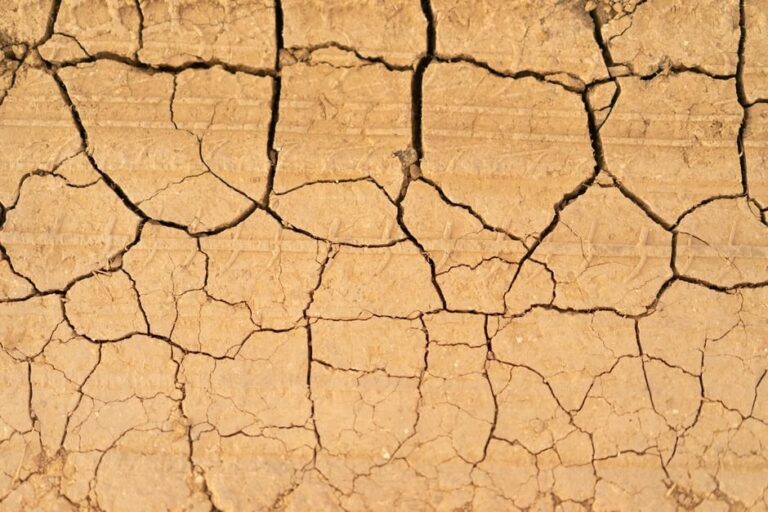
What is Soil Temperature and Why Does it Matter?
Soil temperature is a crucial factor that affects plant growth, and understanding its dynamics can make all the difference for gardeners and farmers. Let’s explore what soil temperature entails.
Importance of Soil Temperature in Plant Growth
Soil temperature plays a crucial role in plant growth, with different species thriving in specific temperature ranges. For example, warm-season crops like corn and soybeans grow best when soil temperatures reach 55°F to 65°F (13°C to 18°C). On the other hand, cool-season crops such as broccoli and cauliflower prefer cooler soils between 40°F and 50°F (4°C and 10°C).
Tomatoes, a popular garden crop, have an optimal growth temperature of around 70°F (21°C) in the daytime and above 55°F (13°C) at night. If soil temperatures drop below this range, tomato plants may become stunted or even die back.
Some plants can tolerate a wide range of soil temperatures, such as grasses and wildflowers, which can grow in soils ranging from 40°F to 80°F (4°C to 27°C). However, even these adaptable plants will exhibit optimal growth when soil temperatures fall within their preferred range.
Factors Influencing Soil Temperature
Soil temperature is influenced by a variety of factors, each playing a significant role in determining its final value. Latitude, for instance, has a profound impact on soil temperature due to the varying amount of solar radiation different regions receive throughout the year. In general, soil temperature increases as you move towards the equator and decreases as you approach the poles.
Altitude also affects soil temperature, with higher elevations experiencing cooler temperatures due to the reduced atmospheric pressure and decreased air density. This can be seen in mountainous regions where soil temperature may drop significantly at high altitudes.
Time of day is another crucial factor influencing soil temperature, with daytime temperatures often exceeding nighttime temperatures by several degrees. This diel cycle is caused by the sun’s radiation and the subsequent heating and cooling effects it has on the soil.
Weather patterns also play a significant role in determining soil temperature. Rainfall, cloud cover, and wind direction can all impact soil temperature, either by increasing or decreasing its value. For example, areas with high rainfall may experience cooler soil temperatures due to the increased moisture content in the soil.
Air Temperature vs. Soil Temperature: Key Differences
Air temperature and soil temperature are two distinct measurements that can have vastly different effects on plants, with soil temperature often lagging behind its atmospheric counterpart.
Understanding these differences is crucial for gardeners and farmers who need to optimize planting schedules.
How Air Temperature is Measured
Air temperature is a critical factor in agriculture and gardening, but have you ever stopped to think about how it’s actually measured? Thermometers are the most common tool used for measuring air temperature. These can be as simple as mercury or digital thermometers found on weather stations or even in everyday household use. They work by detecting changes in the temperature of a liquid, usually mercury or a synthetic substitute, which expands or contracts depending on the surrounding temperature.
Digital sensors are another popular method for measuring air temperature. These sensors use electronic signals to detect changes in the ambient temperature and can provide highly accurate readings. Some digital thermometers also have additional features such as humidity sensing and data logging capabilities. In addition to these basic tools, more sophisticated systems like weather stations and monitoring networks can provide detailed, real-time information about air temperature fluctuations.
It’s worth noting that the accuracy of any measurement device depends on proper calibration and maintenance. This is especially important when it comes to temperature measurements, as even small errors can have significant impacts on plant growth and development.
How Soil Temperature is Different from Air Temperature
Soil temperature is measured using specialized equipment designed to account for the thermal properties of soil. In contrast to air temperature, which can be accurately measured with a simple thermometer, soil temperature requires more sophisticated tools due to its unique characteristics. Soil’s high specific heat capacity means it takes longer to absorb and release heat than air, making it essential to use thermistors or thermocouples that can accurately measure the slow changes in soil temperature.
These specialized sensors are typically inserted into the soil at a depth of 3-6 inches, allowing them to capture the thermal activity beneath the surface. Some modern systems even utilize wireless sensors and IoT technology for real-time monitoring, providing growers with actionable data to inform their decisions. This is particularly important when considering seed germination, which can be delayed by as little as 1-2°C difference in soil temperature. By understanding the distinct measurement requirements of soil temperature, gardeners and farmers can take a more informed approach to optimizing plant growth conditions.
Effects of Temperature on Plant Growth Stages
Soil temperature plays a crucial role in determining the growth stages of plants, influencing everything from seed germination to maturity. Understanding these effects is essential for optimal plant development and yield.
Seed Germination and Soil Temperature
Seed germination is a critical stage of plant growth where the seedling emerges from the soil. Soil temperature plays a crucial role in this process, as it affects the speed and success of germination. Most plants prefer optimal soil temperatures between 10°C to 30°C (50°F to 86°F) for germination.
However, some plants have specific requirements. For instance, carrots and beets thrive at cooler temperatures around 15°C (59°F), while tomatoes and peppers require warmer temperatures above 20°C (68°F). On the other hand, seeds of alfalfa and clover can tolerate extreme cold and germinate in soil as low as 5°C (41°F).
If the soil temperature is too high or too low, it can inhibit seed germination. For example, temperatures above 35°C (95°F) can cause seeds to dry out and die, while prolonged exposure to temperatures below 0°C (32°F) can lead to seed rot.
To ensure optimal seed germination, gardeners should check the specific temperature requirements for each plant species and adjust their soil temperature accordingly. This involves using techniques such as mulching or using black plastic covers to regulate soil temperature.
Vegetative Growth and Soil Temperature
During the vegetative stage of plant growth, soil temperature plays a crucial role in determining photosynthesis rates and nutrient uptake. When soil temperatures are within the optimal range for plants, usually between 60°F to 80°F (15°C to 27°C), they exhibit increased vigor and growth. Photosynthesis occurs at an optimal rate when soil temperatures match air temperatures.
However, if soil temperatures drop below 40°F (4°C) or rise above 90°F (32°C), photosynthesis slows down or even stops altogether. This has a cascading effect on nutrient uptake, as plants require energy from photosynthesis to absorb essential nutrients from the soil. For example, corn yields can decrease by up to 30% when soil temperatures drop below 55°F (13°C).
To optimize vegetative growth, gardeners and farmers should ensure that their soil temperature is within the optimal range. This can be achieved through techniques such as mulching, crop selection, or adjusting planting dates based on local climate conditions. For instance, selecting a warm-season crop like tomatoes for areas with mild winters or early spring plantings can help take advantage of warmer soil temperatures.
Soil Temperature and Root Development
Soil temperature has a profound impact on root development, influencing how plants absorb nutrients and water from the soil. Let’s examine its effects in more detail.
The Impact of Soil Temperature on Root Growth
Soil temperature plays a crucial role in root development, with warmer temperatures stimulating growth. When soil temperatures rise above 10°C (50°F), roots begin to grow more rapidly. This increased growth rate allows plants to absorb nutrients and water more efficiently, leading to healthier and more robust plant development. In contrast, cooler soil temperatures can slow down root growth, making it harder for plants to access essential resources.
The optimal soil temperature for root growth varies depending on the plant species. For example, most vegetables thrive in soil temperatures between 15°C (59°F) and 20°C (68°F). However, some crops like tomatoes require warmer soil temperatures above 20°C (68°F) to produce well. To optimize root development, gardeners can take advantage of mulching techniques that retain warmth in the soil during cooler periods.
Warmer soil temperatures also reduce water stress by increasing transpiration rates. This is especially important for plants grown under drought conditions, where efficient water use is critical for survival. By considering the relationship between soil temperature and root growth, gardeners can make informed decisions about planting schedules, irrigation strategies, and crop selection to ensure optimal yields.
Strategies for Optimizing Root Development in Different Temperatures
To optimize root development at different temperatures, it’s essential to understand how soil temperature affects root growth. In general, roots grow faster in warmer temperatures between 55°F (13°C) and 85°F (29°C). However, this range can vary depending on the specific plant species. For example, some plants like tomatoes prefer a slightly cooler soil temperature around 70-75°F (21-24°C), while others like peppers thrive in warmer conditions above 80°F (27°C).
When soil temperatures are below 55°F (13°C), root growth slows down significantly. This is because many plant enzymes and metabolic processes slow down or even cease to function at these low temperatures. Conversely, high soil temperatures above 85°F (29°C) can also limit root development by causing water stress and nutrient deficiencies.
One strategy for optimizing root development in warmer temperatures is to provide adequate moisture and nutrients. Mulching around plants can help retain soil moisture and regulate temperature fluctuations. Additionally, using cover crops or crop rotation techniques can improve soil health and structure, allowing roots to grow more efficiently even at higher temperatures.
Understanding Soil Thermal Mass
Soil thermal mass plays a crucial role in regulating soil temperature, often lagging behind air temperature changes due to its high heat capacity and ability to absorb and release heat. Let’s take a closer look at how this affects our understanding of soil temperature fluctuations.
What is Soil Thermal Mass?
Soil thermal mass refers to the ability of soil to absorb and release heat energy over time. This property helps regulate soil temperature fluctuations by providing a buffer against rapid changes in air temperature. In other words, soil acts as a reservoir for heat energy, which is then released or absorbed depending on the surrounding conditions.
During the day, soil absorbs heat from sunlight and warms up more slowly than the air above it. At night, it releases this stored heat back into the environment, often warming the surrounding air and plants. This delayed response to temperature changes helps maintain a relatively stable soil temperature compared to the air.
The importance of soil thermal mass lies in its impact on plant growth and development. Roots, for example, grow best within a narrow optimal temperature range. When soil temperatures remain consistent due to its thermal mass, roots can develop more efficiently, leading to healthier plants. By understanding and optimizing soil thermal mass, gardeners and farmers can create environments that support ideal root growth and overall plant health.
How to Optimize Soil Thermal Mass for Plant Growth
To optimize soil thermal mass for plant growth, consider the following strategies. First, incorporate organic matter like compost or mulch into the soil to increase its water-holding capacity and heat retention. This can be particularly effective for crops that thrive in consistent temperatures, such as tomatoes and peppers.
When choosing materials for soil modification, select those with high thermal mass, such as clay-rich soils or materials containing perlite. Avoid using sharp rocks or debris, which can actually reduce thermal mass by providing pathways for heat to escape. In areas where extreme temperature fluctuations occur, consider creating a microclimate around plants using windbreaks or row covers.
For regions with cold winters, apply a thick layer of organic mulch in the fall to protect soil temperatures from plummeting. Conversely, in warmer climates, use reflective materials like aluminum foil or light-colored gravel to reflect sunlight and reduce soil temperature. By implementing these techniques, you can enhance your soil’s thermal mass and create an optimal environment for plant growth.
Soil Temperature Monitoring Techniques
Accurate soil temperature monitoring is crucial for farming and gardening, so let’s explore some of the best techniques to measure soil temperature effectively. These include thermocouples, thermistors, and infrared sensors.
Traditional Methods: Thermocouples and Heat Probes
Thermocouples and heat probes are traditional methods for monitoring soil temperature. These devices work on the principle of thermoelectricity, where a small voltage is generated between two dissimilar metals when there’s a temperature difference. Thermocouples consist of a pair of metal wires joined at one end to form a junction, while heat probes are essentially thin-walled pipes or tubes filled with a high-temperature coefficient of expansion liquid.
When installed in the soil, these devices measure the temperature of the surrounding soil and send the data back to a central unit for recording. Thermocouples and heat probes can be particularly useful in areas where precise temperature control is necessary, such as in greenhouses or controlled-environment agriculture. However, they may not provide real-time data and require regular maintenance to ensure accuracy.
For instance, thermocouples can be used in combination with a datalogger to monitor soil temperature over extended periods. It’s essential to select the right type of thermocouple for the application, considering factors like temperature range, sensitivity, and durability. By choosing the suitable device and installation method, growers can effectively use thermocouples and heat probes to gain valuable insights into their soil temperature conditions.
Modern Approaches: Wireless Sensors and IoT Systems
Wireless sensors and IoT systems have revolutionized soil temperature monitoring by providing real-time data and reducing manual labor. These modern approaches use wireless communication protocols to transmit temperature readings from multiple sensors to a central hub or cloud-based platform. This allows farmers, researchers, and landowners to monitor soil temperature across large areas with ease.
One of the key benefits of wireless sensors is their ability to provide high-frequency temperature readings, which can help identify subtle changes in soil temperature patterns. For example, a study on potato cultivation found that using wireless sensors enabled growers to detect temperature drops before they became severe, allowing for timely irrigation adjustments and improved yields.
When selecting wireless sensors or IoT systems, consider the following factors: sensor accuracy, communication range, data storage capacity, and integration with existing infrastructure. Some popular options include LoRaWAN-based sensors and cloud-connected soil monitoring platforms like FarmLogs or FieldClimate. By leveraging these technologies, users can gain valuable insights into soil temperature dynamics and make informed decisions to optimize plant growth and crop yields.
Practical Applications of Understanding Soil vs. Air Temperature
Soil temperature has a direct impact on plant growth and development, making it crucial to understand how it differs from air temperature when planning outdoor activities or gardening projects.
Understanding these differences will allow you to optimize your techniques for maximum results.
Adjusting Agricultural Practices Based on Soil Temperature
Adjusting agricultural practices based on soil temperature requires a deep understanding of how different crops respond to optimal temperature ranges. For instance, warm-season crops like corn and soybeans thrive in soil temperatures between 55°F and 85°F (13°C and 30°C), while cool-season crops such as broccoli and kale perform best in temperatures ranging from 40°F to 70°F (4°C to 21°C). Farmers can adjust their planting schedules to take advantage of these optimal temperature ranges.
In regions with cold winters, farmers may choose to plant cool-season crops in the spring when soil temperatures are still low. Conversely, warm-season crops can be planted after the last frost date when soil temperatures have risen. By adjusting planting schedules based on soil temperature, farmers can avoid damaging young seedlings and promote healthy growth.
To make informed decisions, farmers need to monitor soil temperature regularly using techniques such as installing thermocouples or heat probes in the field. This data can then be used to plan crop rotations, select the most suitable varieties for specific temperature regimes, and implement other tailored agricultural practices that optimize crop yields.
Designing Climate-Resilient Landscapes with Regard to Soil Temperature
When designing climate-resilient landscapes, soil temperature plays a crucial role. To create a resilient landscape, you need to consider the temperature fluctuations and how they affect plant growth. One key consideration is the temperature difference between day and night. If the soil temperature drops significantly at night, it can stress plants, making them more susceptible to disease and pests.
To mitigate this issue, you can incorporate materials with high thermal mass, such as concrete or brick, into your design. These materials absorb heat during the day and release it at night, maintaining a more stable soil temperature. You can also use mulch to insulate the soil and retain moisture, which helps regulate soil temperature.
In addition to these strategies, consider the location and orientation of plants in relation to sunlight and wind patterns. Planting native species that are adapted to local climate conditions can also help create a resilient landscape. For example, planting trees on the north side of buildings or structures can provide shade and reduce soil temperature fluctuations during the hottest parts of the day.
Frequently Asked Questions
Can I use air temperature data to estimate soil temperature for small-scale gardening projects?
Yes, but with caution. While there’s a correlation between air and soil temperatures, especially in the topsoil layer, it’s essential to consider factors like soil moisture, depth, and shading, which can significantly impact soil temperature fluctuations. For more accurate estimates, use specialized equipment or consult local climate data.
How do I calibrate my wireless soil temperature sensors for optimal accuracy?
Calibration is crucial for reliable readings. Start by placing the sensor in a stable environment with consistent soil temperature (e.g., under a shaded area). Compare readings from multiple sensors at different depths to ensure consistency. If necessary, adjust calibration settings according to manufacturer guidelines or consult online resources.
What if I have limited budget for soil temperature monitoring equipment? Are there any DIY solutions?
Yes, cost-effective options exist! Consider repurposing old hardware like thermocouples or heat probes and attaching them to a data logger or using low-cost wireless sensors. Be aware that accuracy might be compromised, but it’s still better than relying solely on air temperature readings.
Can I use the same soil thermal mass strategies for both crops and landscaping projects?
While some principles apply universally (e.g., minimizing soil disturbance), others are specific to each context. For example, in agriculture, optimizing root development often takes precedence over aesthetic considerations. In landscaping, the focus might be on creating a visually appealing design while ensuring soil health.
How do I know when it’s time to adjust my agricultural practices based on changing soil temperature patterns?
Keep an eye on local climate trends and seasonal fluctuations. Monitor your own farm or garden data to recognize patterns in soil temperature and adjust planting schedules, irrigation strategies, or fertilization accordingly. Consider consulting with local experts or online resources for region-specific advice.

