
You might be surprised to learn that sorghum grain is a nutritional powerhouse, packing high-quality protein, fiber, and essential minerals that can elevate your diet. This ancient crop has been a staple in many parts of the world for centuries, particularly in Africa and Asia, where it’s often used as a substitute for gluten-containing grains like wheat and barley. However, sorghum is gaining popularity globally due to its impressive nutritional profile and versatility in cooking. From baked goods and breakfast cereals to soups and stews, sorghum grain can be incorporated into a wide range of dishes. This article will explore the culinary uses of sorghum, current production trends, and the sustainable agriculture benefits that make it an attractive choice for environmentally conscious consumers. By the end of this post, you’ll know how to incorporate this nutritious grain into your diet and appreciate its many advantages over other grains.
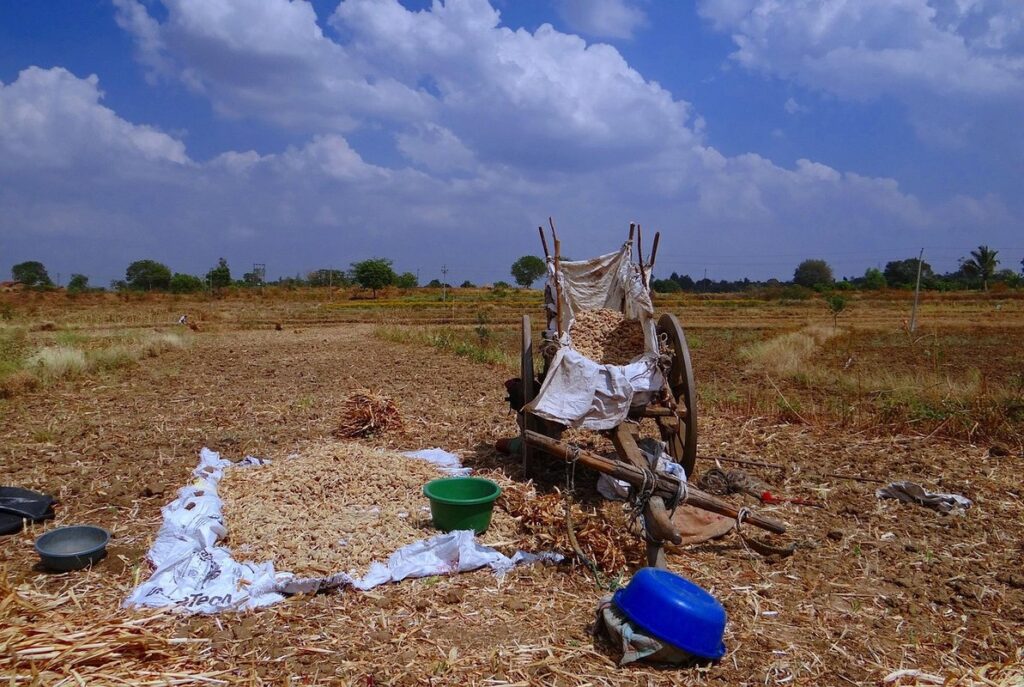
History and Origin of Sorghum
Sorghum grain has been a staple crop for thousands of years, originating from Africa where it was cultivated by ancient civilizations. Its rich history is a fascinating story that spans centuries and continents.
Ancient Cultivation and Uses
Sorghum cultivation dates back over 7,000 years to ancient civilizations in Africa, Asia, and Europe. In these early societies, sorghum was a staple crop, providing a reliable source of food during times of drought and famine. Archaeological evidence suggests that ancient Egyptians cultivated sorghum as early as 3000 BCE, using it primarily for brewing beer and making bread. Similarly, in ancient China, sorghum was used to produce millet wine and as a primary ingredient in traditional dishes such as “sorghum congee,” a nutritious porridge made from the grain’s flour.
Beyond its use as a food source, ancient cultures also utilized sorghum for various industrial applications. In Africa, sorghum stalks were used for thatching roofs and making baskets, while in Asia, the plant’s fibers were employed to create rope and twine. The extensive uses of sorghum in these early societies demonstrate its importance as a versatile crop, capable of meeting diverse needs across different cultures and regions.
In some cases, ancient farmers also recognized the potential of sorghum as an animal feed, with evidence suggesting that it was used to supplement diets for livestock. This dual-purpose approach highlights the resourcefulness and adaptability of early farmers, who sought to maximize their crop’s value in a variety of ways.
Spread and Adaptation Across Continents
Sorghum’s spread from Africa to other parts of the world is a testament to its adaptability and resilience. It was introduced to Asia through trade routes along the Silk Road around 3000 BCE, where it became an integral crop in many cultures. In India, for example, sorghum was used as a primary food source during times of drought, earning it the nickname “cholam.” The crop’s ability to thrive in hot and dry conditions made it an attractive option for colonizers in the Americas, who brought it to the southern United States in the 18th century.
As colonization shaped global production patterns, sorghum became a staple crop in many regions. In Africa, European colonizers introduced new farming techniques that increased yields and improved disease resistance, leading to widespread adoption of sorghum as a cash crop. The crop’s adaptability also allowed it to thrive in challenging environments, such as the dry soils of Australia. Today, sorghum is grown on every continent except Antarctica, with major producers including the United States, India, Nigeria, and China.
Nutritional Value and Health Benefits
Sorghum grain is not only a versatile ingredient, but it’s also packed with nutrients that offer numerous health benefits for those who consume it regularly. Let’s take a closer look at its impressive nutritional value and potential to improve overall well-being.
High-Quality Protein Content
Sorghum grain is an excellent source of high-quality protein, making it a valuable crop for vegetarians and vegans. Its protein content is comparable to other major cereal crops like wheat and barley. In fact, sorghum’s protein efficiency ratio (PER) is similar to that of soybean, which is one of the highest among all plant-based protein sources.
The digestibility of sorghum protein is also noteworthy. Sorghum grain contains a unique combination of amino acids, including glutamic acid and aspartic acid, which are essential for human nutrition. Additionally, sorghum’s protein structure allows it to be easily broken down by the body, making its nutrients readily available.
In comparison to other cereal crops, sorghum has a lower phytate content, which can inhibit nutrient absorption. This makes sorghum a more efficient source of protein and essential minerals like iron and zinc. Overall, sorghum’s protein-rich composition and digestibility make it an attractive crop for food security and sustainable agriculture applications.
Incorporating sorghum into your diet can be as simple as substituting it in place of other grains in recipes. Its mild flavor and versatility also make it a great addition to a variety of dishes, from soups to salads.
Rich in Fiber, Minerals, and Antioxidants
Sorghum grain is a rich source of dietary fiber, containing both soluble and insoluble types. This high fiber content can aid digestion, promote satiety, and support healthy blood sugar levels. A 100-gram serving of whole sorghum flour provides approximately 10 grams of dietary fiber.
In terms of minerals, sorghum is an excellent source of essential micronutrients like iron, zinc, and magnesium. Iron is crucial for transporting oxygen throughout the body, while zinc plays a key role in immune function and wound healing. Magnesium, on the other hand, supports bone health, muscle function, and energy production.
Sorghum’s antioxidant properties are also noteworthy, with several studies highlighting its potential to neutralize free radicals and protect against oxidative stress. The grain contains various polyphenolic compounds, including phenolic acids and flavonoids, which contribute to its antioxidant activity. When choosing sorghum products, opt for those that are minimally processed to preserve these beneficial compounds. Whole grains like whole sorghum flour or puffed sorghum are good options, as they retain more nutrients compared to refined or processed forms.
Culinary Uses and Preparation Methods
Whether you’re a seasoned chef or a curious home cook, you’ll be pleased to learn that sorghum grain is incredibly versatile in both sweet and savory dishes. It can be cooked in various ways to bring out its unique flavor and texture.
Traditional Sorghum Dishes from Around the World
Sorghum’s rich culinary heritage spans continents, with traditional dishes showcasing its versatility as a primary ingredient or blended with other grains. In Africa, sorghum is a staple in Ethiopian injera bread, a sourdough flatbread that serves as the base for various meals. Similarly, in West Africa, jollof rice often features sorghum alongside other grains like millet and fonio.
In Asia, India’s popular dessert, gur ki kheer, relies on sorghum flour to create a creamy, sweet pudding. This dish is commonly served during special occasions and festivals. In Latin America, Nicaragua’s traditional dish, vigorón, consists of boiled yuca, fried cheese, and a drizzle of peanut sauce, often served alongside a side of toasted sorghum.
These examples highlight the adaptability of sorghum in various cuisines, often used to add texture or depth to dishes. When experimenting with traditional recipes, consider substituting some wheat flour with sorghum flour to take advantage of its nutty flavor and higher nutritional content. By incorporating sorghum into your cooking repertoire, you can explore the rich cultural heritage behind this underappreciated grain while reaping its numerous health benefits.
Innovative Recipes for Modern Kitchens
When incorporating sorghum into modern recipes, consider its nutty flavor and chewy texture. For gluten-free baking, substitute 25% of traditional flour with finely ground sorghum flour to add depth without compromising structure. This ratio can be adjusted based on the type of dish – for more tender baked goods, use less sorghum.
For innovative meal ideas, try pairing roasted sorghum with roasted vegetables or incorporating it into a grain bowl with your favorite toppings. Sorghum’s mild flavor makes it an excellent base for international-inspired dishes. For example, add it to a Korean-style bibimbap with spicy sauce and kimchi, or use it in a Mexican-inspired salad with grilled chicken, avocado, and salsa.
Some key considerations when working with sorghum include its absorption of liquid: cooking times may be shorter than expected due to its high starch content. Additionally, some varieties of sorghum may have a coarser texture than others – experiment with different types to find the one that suits your recipe best.
To take your sorghum dishes to the next level, explore flavor combinations that complement its earthy taste. Spices like cumin and coriander pair well, as do citrus-based marinades for added brightness.
Production and Economic Importance
Sorghum grain is not only a versatile food source but also holds significant economic importance, particularly for farmers and local communities. We’ll explore its production value and impact on regional economies in more detail here.
Global Production Patterns and Trends
Sorghum production is a significant crop in many parts of the world. In 2020, the top sorghum-producing countries were the United States, Australia, and India, accounting for over 70% of global production. The US state of Texas alone produced over 14 million tons of sorghum in 2020, followed by Kansas with over 7 million tons.
Australia’s sorghum production has been on a steady rise due to favorable climate conditions and government incentives for farmers. In contrast, India faces challenges such as droughts and soil degradation that impact yields and quality. The country is exploring new technologies like precision irrigation and crop insurance schemes to mitigate these risks.
A key trend in global sorghum production is the shift towards higher-yielding varieties that can withstand climate change-related stresses. These new varieties often require specialized farming practices, including optimal irrigation management and fertilization. For farmers looking to adopt these practices, resources such as extension services and online training modules are available to help bridge knowledge gaps.
The majority of global sorghum production is used for animal feed, particularly in countries like China and South Africa. However, there is growing interest in using sorghum as a human food ingredient due to its nutritional benefits and versatility in processing.
Economic Impact on Local Communities and Markets
Sorghum cultivation has a significant economic impact on local farmers, contributing to their income and livelihoods. In many developing countries, sorghum is a staple crop for small-scale farmers who rely heavily on it as a source of income. The crop’s adaptability to drought-prone areas and low-fertilizer requirements make it an attractive option for resource-constrained farmers.
In addition to direct income benefits, sorghum cultivation also stimulates local economies through the creation of jobs and infrastructure development. For example, in some regions, sorghum production has led to the establishment of small-scale processing facilities and markets, providing opportunities for rural communities to participate in the value chain.
Regional markets are also impacted by sorghum production, with the crop often being traded locally or regionally. In areas where sorghum is a major crop, it can drive demand for other local products and services, such as fertilizers, equipment, and transportation. This ripple effect can have a positive impact on local GDP and poverty reduction efforts.
In some cases, sorghum production has even led to the creation of cooperatives or community-based organizations that help farmers access better prices, credit, and technology. These initiatives not only improve farmers’ livelihoods but also contribute to more equitable and sustainable economic development in rural areas.
Sorghum in Sustainable Agriculture
Sorghum is a game-changer for environmentally conscious farmers, offering drought resistance and low water requirements that make it an attractive crop for sustainable agriculture practices. We’ll explore its many benefits in more detail below.
Climate Resilience and Water Efficiency
Sorghum’s exceptional drought tolerance and water efficiency make it an attractive crop for climate-resilient agriculture. In regions with limited water resources, sorghum can thrive with minimal irrigation, reducing the strain on already scarce water supplies. This characteristic is particularly valuable in areas prone to droughts or where groundwater levels are declining.
One key advantage of sorghum’s water efficiency is its ability to produce high yields under dry conditions. Studies have shown that sorghum can maintain up to 90% of its yield potential even with reduced watering, whereas other crops may experience significant losses. This adaptability enables farmers to plant sorghum in areas where other crops would struggle to survive.
To maximize water efficiency, farmers can implement techniques such as mulching and conservation tillage when growing sorghum. These methods help retain soil moisture, reducing the need for irrigation and minimizing evaporation. By adopting these strategies, growers can optimize their sorghum yields while also promoting more sustainable agricultural practices. This combination of drought tolerance and water efficiency makes sorghum an excellent choice for farmers seeking to mitigate climate-related risks in their operations.
Ecological Benefits and Potential Applications
Sorghum cultivation offers several ecological benefits that make it an attractive crop for sustainable agriculture. One key advantage is its ability to conserve soil health through reduced tillage. Sorghum’s deep root system allows it to extract moisture and nutrients from deeper soil layers, reducing the need for frequent tilling and minimizing soil erosion. This practice not only preserves topsoil but also reduces the energy required for farming.
Another significant ecological benefit of sorghum is its potential use in biofuel production. Sorghum biomass can be converted into ethanol or other biofuels, providing a renewable alternative to fossil fuels. This application not only reduces greenhouse gas emissions but also creates new economic opportunities for farmers and rural communities.
In addition to these benefits, sorghum’s climate resilience makes it an ideal crop for areas with variable weather patterns. Its ability to tolerate drought and heat stress allows it to thrive in regions where other crops may struggle, reducing the need for irrigation and minimizing the risk of crop failure.
Frequently Asked Questions
Can I grow sorghum in my backyard or is it suitable for large-scale farming?
Yes, sorghum can be grown on small plots of land, including home gardens. However, the crop requires specific climate conditions and well-draining soil to thrive. For best results, consult with local nurseries or extension services to determine if your region’s climate is suitable for sorghum cultivation.
How do I incorporate sorghum into my gluten-free baking recipes?
Sorghum can be used as a 1:1 substitute for wheat flour in many baked goods. When substituting, keep in mind that sorghum has a slightly sweet and nutty flavor, so you may need to adjust the amount of sugar or spices in your recipe. Also, ensure that you use a high-quality sorghum flour that is finely milled.
Can I produce biofuels from sorghum?
Yes, sorghum can be converted into ethanol for use as a biofuel. The crop’s cellulose content makes it an ideal feedstock for cellulosic ethanol production. However, large-scale commercialization of sorghum-based biofuels is still in its infancy and requires further research and development.
What if I’m new to cooking with sorghum – where do I start?
When working with sorghum, keep in mind that it can be slightly sticky or gummy due to its high starch content. To alleviate this issue, try soaking the grain before cooking or adding a small amount of oil to your dish. Also, experiment with different recipes and flavor combinations to find your favorite ways to use sorghum.
Can I mill my own sorghum grains for flour at home?
Yes, you can mill your own sorghum grains into flour using a high-speed grain mill or a food processor fitted with a milling attachment. However, be aware that this process can generate significant heat and may damage the appliance if not done properly. Always follow proper safety precautions when milling grains at home.
How do I store sorghum grains to maintain their nutritional value?
To preserve the nutritional content of sorghum grains, store them in a cool, dry place away from direct sunlight. You can also consider freezing or dehydrating the grain to extend its shelf life and retain its nutrient profile.
