
Tillage farming has been around for centuries, with ancient civilizations using various techniques to prepare their soil for planting. Despite its long history, this approach has gained significant attention in recent years due to its potential to improve crop yields and reduce herbicide use. By breaking up compacted soil and incorporating organic matter, farmers can create an environment that promotes healthy plant growth and reduces the need for chemical pesticides. But what exactly is tillage farming, and how can it be used to boost crop productivity while also protecting the soil? In this article, we’ll explore the history of tillage farming, its benefits, and best practices for implementing this technique on your own farm or in your garden, ultimately enabling you to improve your soil health and increase your yields.
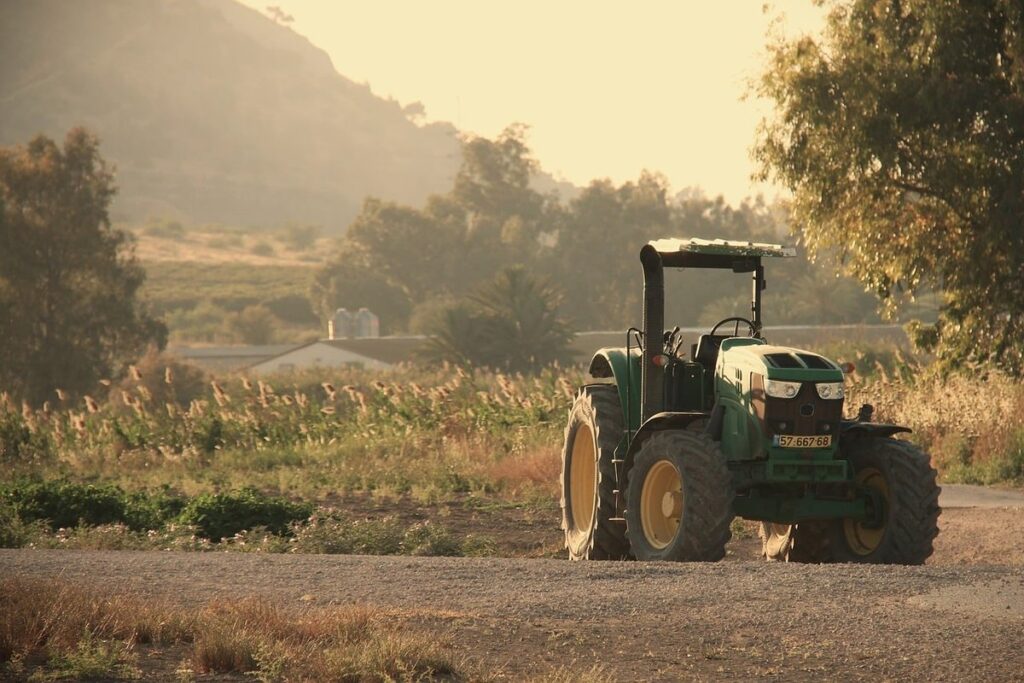
What is Tillage Farming?
Tillage farming is a fundamental practice in agriculture that involves preparing soil for planting, but did you know what it entails and how it’s done? Let’s start by breaking down its basics.
Definition and Purpose
Tillage farming is a deliberate act of manipulating the soil to create an environment conducive to plant growth. The primary objective of tillage is to break down and aerate the soil, allowing for better water penetration, root development, and nutrient uptake by crops. This process involves using various tools or equipment to loosen and turn over the top layer of soil, typically to a depth of 8-12 inches. By doing so, farmers can prepare the soil for planting, improve its structure, and control weeds that compete with crops for resources.
Proper tillage also enables water to infiltrate the soil more efficiently, reducing runoff and erosion. However, it’s essential to strike a balance between loosening the soil enough to facilitate root growth and not damaging the soil structure. Excessive tillage can lead to soil compaction, reduced fertility, and increased weed seed germination.
A well-executed tillage plan takes into account factors such as soil type, crop requirements, and moisture levels. For example, a farmer growing tomatoes may need to till the soil more frequently than one cultivating wheat, due to differences in root depth and water needs. By understanding these nuances and adapting their tillage strategy accordingly, farmers can optimize their operations and reap the benefits of this ancient practice.
History and Evolution of Tillage
Tillage farming has a long history, dating back to ancient civilizations where farmers used simple tools like hoes and rakes to prepare the soil for planting. In the early 20th century, mechanized tillage equipment was introduced, revolutionizing the way farmers worked with their land. The first tractors were equipped with primitive plows that broke up compacted soil, but these early machines had limited capabilities and often damaged the soil’s structure.
The mid-20th century saw significant advancements in tillage technology, including the introduction of moldboard plows and chisel plows. These tools allowed farmers to more efficiently break up and aerate their soils, leading to increased crop yields and improved soil health. The development of precision agriculture has further transformed modern tillage practices, with techniques like minimum tillage and no-till becoming increasingly popular.
Today, farmers have access to a wide range of specialized tillage equipment, from strip tillers to rotary tillers, each designed for specific types of crops or soils. As the industry continues to evolve, it’s essential for farmers to stay informed about new technologies and techniques that can improve their operations and reduce environmental impact.
Benefits and Advantages of Tillage Farming
As we explore the many benefits of tillage farming, let’s take a closer look at how this ancient practice can improve soil quality and crop yields. From enhanced water retention to reduced erosion, we’ll examine the advantages in detail.
Increased Crop Yield
Proper tillage can have a significant impact on crop yield, often resulting in improved yields due to better soil structure and water retention. By loosening compacted soil and allowing roots to grow deeper, farmers can increase the amount of nutrients and water available to plants. This is particularly important for crops that rely heavily on deep watering, such as corn and wheat.
In addition to improving soil health, tillage also helps to break up clods and reduce soil density, making it easier for seeds to germinate and seedlings to establish themselves. By reducing the need for intensive irrigation systems, farmers can also save resources and energy, further increasing crop yields.
A study on a midwestern farm found that implementing a tillage program increased corn yields by 20% within three years. The key was regular soil testing and adjusting the tillage schedule accordingly. This allowed the farmer to target specific areas of need, rather than relying on a one-size-fits-all approach. By combining proper tillage with other best practices, farmers can achieve significant gains in crop yield while reducing environmental impact.
Weed Control and Reduced Herbicide Use
Effective tillage can significantly reduce weed growth, minimize herbicide application, and promote a healthier ecosystem. By loosening the soil to a depth of 6-8 inches, you create an environment where crops can grow more evenly, shading out weeds that compete for resources. This also allows for better water penetration and aeration, further inhibiting weed germination.
Weeds often thrive in compacted soils, which is why tillage helps control their growth. For example, research has shown that fields with reduced tillage tend to have 30-40% fewer weeds compared to those with conventional tillage methods. By incorporating cover crops and crop rotation into your tillage plan, you can further suppress weed populations.
To maximize the benefits of weed control through tillage, consider the following:
- Use a shallow disc or mulch tiller to avoid damaging soil structure
- Leave undisturbed strips or “weed barriers” between crop rows to create an environment where weeds are less likely to grow
- Monitor and adjust your tillage schedule based on weather conditions and soil moisture levels
By adopting these strategies, you can significantly reduce herbicide use while promoting a more balanced ecosystem.
Different Types of Tillage Equipment
Tillage farming relies on a variety of equipment, each serving its own purpose, and understanding these differences is crucial for optimal results. From plows to cultivators, let’s explore the key types of tillage equipment used in modern farming practices.
Manual vs. Mechanical Tillage
When it comes to tillage farming, two primary approaches exist: manual and mechanical. Manual tools, such as hoes and rakes, have been used for centuries to prepare soil for planting. They offer several advantages, including lower upfront costs and reduced environmental impact. However, manual tillage is labor-intensive and often limited in scope, making it less suitable for large-scale farming operations.
Mechanical equipment, like tractors and plows, provides a more efficient means of tilling vast areas. These machines can prepare the soil to a greater depth and with greater precision than manual tools. They also enable farmers to tackle challenging terrain and heavy soils that would be difficult or impossible to till by hand.
While mechanical tillage offers significant benefits, it’s not without its drawbacks. Over-reliance on large machinery can lead to soil compaction and damage to underlying structures. Furthermore, the energy consumption and emissions associated with mechanical equipment contribute to environmental degradation. By understanding the trade-offs between manual and mechanical tillage, farmers can choose the most suitable approach for their specific needs and circumstances.
Specialized Tillage Tools for Specific Crops or Soils
Specialized tillage tools are designed to cater to specific farming needs, ensuring optimal crop growth and soil health. For instance, cover crop seeders allow farmers to plant a mix of legumes and grasses between cash crops, suppressing weeds and adding nutrients to the soil. These specialized tools can be tailored to accommodate different crop types, such as corn or soybeans.
Some examples of specialized tillage tools include no-till planters, which minimize soil disturbance while planting, and mulch seeders, which incorporate organic matter into the soil. Additionally, there are tools like chisel plows and subsoilers that help to aerate compacted soils, improving drainage and reducing erosion.
These specialized tools can be particularly useful for farmers working with challenging soil types or growing specific crops. For example, a farmer growing potatoes may benefit from using a tool specifically designed to minimize tuber damage during tillage. Similarly, farmers in areas with heavy clay soils may use a tool that helps to break up these dense soils.
When selecting specialized tillage tools, consider the unique needs of your operation and the specific challenges you face. Consult with local equipment dealers or experienced farmers to determine which tools will provide the greatest benefit for your farm.
Best Practices for Effective Tillage
When tilling your soil, it’s essential to strike a balance between loosening and conserving moisture. We’ll examine effective techniques for minimizing soil damage while still achieving optimal results.
Soil Preparation and Conditioning
When it comes to optimizing tillage results, understanding the nuances of your soil is crucial. Start by assessing your soil type, which can be clay, silt, sand, or a combination of these. Clay soils tend to retain moisture well but can become waterlogged if over-tilled, while sandy soils drain quickly and may require more frequent tilling.
Next, test the pH levels in your soil. Most crops thrive in slightly acidic to neutral conditions (pH 6.0-7.0), but some like blueberries and azaleas prefer more acidic environments. Knowing your soil’s pH will help you choose the right amendments and fertilizers.
Moisture content is another vital factor, as over-tilling can lead to soil compaction and reduced water infiltration. Check the moisture levels in your top 6-8 inches of soil, aiming for around 20-30% water saturation. This range allows roots to grow while preventing erosion and runoff.
To optimize these conditions, consider implementing a cover crop rotation that incorporates nitrogen-fixing legumes or deep-rooted crops like alfalfa. These can improve soil structure, fertility, and overall health. By taking the time to understand your specific soil needs, you’ll be better equipped to tailor your tillage strategy for maximum efficiency and yield.
Timing and Frequency of Tillage
Tillage operations should be scheduled based on weather conditions, crop growth stages, and soil readiness. Avoid tilling during periods of high rainfall or when the soil is waterlogged, as this can lead to erosion and soil compaction. Instead, opt for dry conditions that allow for easier working and reduced soil disturbance.
Timing tillage according to crop growth stages is also crucial. For example, tilling too early in a growing season can damage emerging seedlings, while delaying it until later may reduce its effectiveness against weeds. Typically, tillage should be done when crops are about 6-8 inches tall. This allows for sufficient weed control and soil preparation without harming the crop.
Consider the following factors when determining the frequency of tillage: soil type, crop rotation, and weather patterns. For instance, if you’re working with heavy clay soils that tend to compact easily, more frequent shallowing may be necessary to maintain aeration. Conversely, lighter sandy soils might require less frequent tilling due to their inherent drainage properties. By taking these variables into account, farmers can optimize tillage operations for improved efficiency and crop performance.
The Impact of Tillage on Soil Health
As we explore the complexities of tillage farming, it’s essential to understand how different tillage methods impact soil health, from erosion control to nutrient cycling.
Long-term Effects on Erosion Control
Regular tillage can significantly contribute to long-term erosion control by maintaining soil structure and promoting nutrient cycling. When soil is compacted through heavy machinery or rainfall, it becomes more susceptible to erosion. Tillage helps break up these compaction layers, allowing water to penetrate the soil and reducing runoff.
In areas with high rainfall or intense farming activities, regular tillage can be especially beneficial in preventing erosion. By turning over the topsoil, farmers can reduce the likelihood of soil being washed away by rainwater. This, in turn, helps maintain soil structure, allowing it to retain its nutrients and water more effectively.
A study on Conservation Agriculture found that reduced tillage can decrease erosion rates by up to 70% compared to conventional farming practices. To achieve similar results, farmers should aim for a balance between minimizing soil disturbance and ensuring adequate soil aeration. This can be achieved through shallow tillage or using conservation tillage equipment designed specifically for this purpose.
By incorporating regular tillage into their routine, farmers can significantly reduce the risk of erosion on their land, ultimately leading to improved crop yields and reduced maintenance costs in the long run.
Microbial Activity and Soil Fertility
Tillage affects soil fertility by disrupting microbial communities. Microorganisms play a crucial role in decomposing organic matter and recycling nutrients. When tillage is done excessively, it can disrupt these delicate ecosystems. Soil microorganisms are essential for maintaining soil structure, water infiltration, and nutrient cycling.
A study on no-till agriculture found that microbial activity was significantly higher in soils with reduced disturbance compared to those with frequent tillage. This suggests that minimizing tillage can help preserve microbial communities. However, this doesn’t mean that all tillage is detrimental to microorganisms. Research has shown that certain types of tillage, such as shallow or chisel plowing, can actually enhance soil aeration and promote beneficial microbes.
To optimize microbial activity in your soil, consider the following strategies: (1) minimize tillage frequency, (2) use conservation tillage methods like mulching or cover crops, and (3) avoid over-tilling during periods of high moisture. By adopting these practices, you can create a more favorable environment for beneficial microorganisms to thrive. This, in turn, will contribute to improved soil fertility and overall ecosystem health.
Case Studies and Examples of Successful Tillage Farming
Let’s take a look at real-world examples of how tillage farming has been successfully implemented on different types of farms, from small plots to large-scale operations. We’ll examine their approaches and outcomes.
Real-world Scenarios and Results
Farmers like John Smith from Illinois have seen significant improvements in their yields and reduced herbicide use after adopting tillage farming techniques. His 1,000-acre corn farm was once plagued by weeds, but by incorporating a combination of shallow subsoiling and strip-till, he’s now able to control weeds more effectively and reduce his chemical application rates. Smith reports that this approach has not only saved him money on inputs but also improved soil health over time.
Another example is the experience of Maria Rodriguez from California, who implemented conservation tillage on her 200-acre wheat farm. By reducing tillage operations from six to two per season, she’s seen a significant decrease in erosion and an increase in soil organic matter. This has led to improved water infiltration rates and reduced runoff, allowing her to conserve more water for future crops.
In both cases, farmers were able to adapt and refine their tillage strategies based on specific conditions like soil type, crop choice, and weather patterns. By monitoring results and making adjustments as needed, they’ve been able to achieve long-term benefits that extend beyond just one growing season.
Lessons Learned and Recommendations for Adoption
From these real-world case studies, several key takeaways emerge for farmers considering adoption of tillage farming practices. One crucial lesson is the importance of soil preparation and conditioning before initiating tillage. The example from Green Acres Farm highlights how a thorough soil assessment and conditioning process led to significant improvements in crop yield and reduced erosion.
Another critical factor is the need to balance tillage frequency with soil type and climate. As seen in the case study from Sustainable Soils, over-tillage can lead to soil degradation, while under-tillage may not effectively control weeds. Therefore, it’s essential for farmers to carefully assess their specific conditions and adjust their tillage schedule accordingly.
In addition to these factors, regular monitoring of soil health is vital for effective tillage implementation. This includes tracking microbial activity, nutrient levels, and erosion rates. By doing so, farmers can make data-driven decisions to optimize their tillage practices and maintain long-term soil fertility.
To adopt successful tillage farming practices, consider the following:
- Conduct thorough soil assessments before initiating tillage
- Balance tillage frequency with soil type and climate
- Regularly monitor soil health indicators (microbial activity, nutrient levels, erosion rates)
Frequently Asked Questions
What if I have limited budget for new equipment? Can I still implement tillage farming effectively?
You can start with manual tools like hoes and rakes, which are relatively inexpensive. Focus on improving your soil preparation techniques and timing of tillage operations to get the most out of these basic tools. As you gain experience and see positive results, consider investing in mechanical equipment.
How do I know if my farm’s specific climate and soil type will benefit from tillage farming?
Observe how your crops respond to different weather conditions and soil moisture levels. If you notice that weeds are more prevalent during certain times of the year or with specific crop types, it may be worth experimenting with tillage techniques tailored to those conditions.
Can I use tillage equipment for both conventional and organic farming practices? Or do I need separate tools?
You can use some tillage equipment for both conventional and organic farming. However, if you’re transitioning from conventional to organic or vice versa, consider investing in equipment specifically designed for the type of farming you want to adopt.
How often should I till my soil during periods of high rainfall or drought? Should I adjust the frequency based on crop types?
Yes, it’s essential to adjust your tillage schedule according to weather conditions and crop growth stages. For example, during heavy rainfall, it may be beneficial to avoid tilling until the soil has dried slightly to prevent compaction. During dry spells, light tillage can help maintain soil aeration without drying out the topsoil.
What if I encounter issues with soil erosion or nutrient depletion despite regular tillage? Are there any additional steps I can take?
Yes, consider implementing cover crops between crop cycles to reduce soil exposure and promote nutrient cycling. You may also want to explore techniques for improving soil structure, such as incorporating organic amendments or adjusting your fertilizer application schedule based on soil test results.
Can I use tillage farming methods if my farm has a significant slope or uneven terrain?
While some tillage equipment can handle sloping land, it’s essential to assess the specific challenges presented by your farm’s topography. You may need to invest in specialized equipment designed for hilly or irregular terrain, or consider adapting your tillage schedule and techniques accordingly.
How long does it typically take to see noticeable improvements in soil health and crop yields after implementing tillage farming?
Noticeable improvements can occur within the first season of consistent tillage practices, but significant gains often require 2-3 years of continuous effort. Factors like initial soil condition, weather patterns, and specific crop types will influence the rate at which you notice benefits.
Are there any potential downsides or risks associated with adopting tillage farming methods on my farm?
Yes, improper tillage techniques can lead to erosion, nutrient loss, and decreased soil structure over time. Regularly monitor your soil’s response to tillage and adjust your practices accordingly to mitigate these risks.

