
When you’re planning to start a garden or simply want to grow your own herbs, choosing the right type of seed can be overwhelming. There are countless options available, each with its unique characteristics and uses. From tiny vegetable seeds like lettuce and tomato to larger flower seeds like sunflowers and roses, understanding the different types of seeds is crucial for optimal growth and health. Different environments and growing conditions require specific types of seeds, making it essential to know which ones will thrive in your area. This article will explore various types of seeds, their characteristics, and benefits, helping you make informed decisions when selecting seeds for your garden. By the end of this guide, you’ll be able to identify the right type of seed for your needs and handle them properly to ensure successful growth.
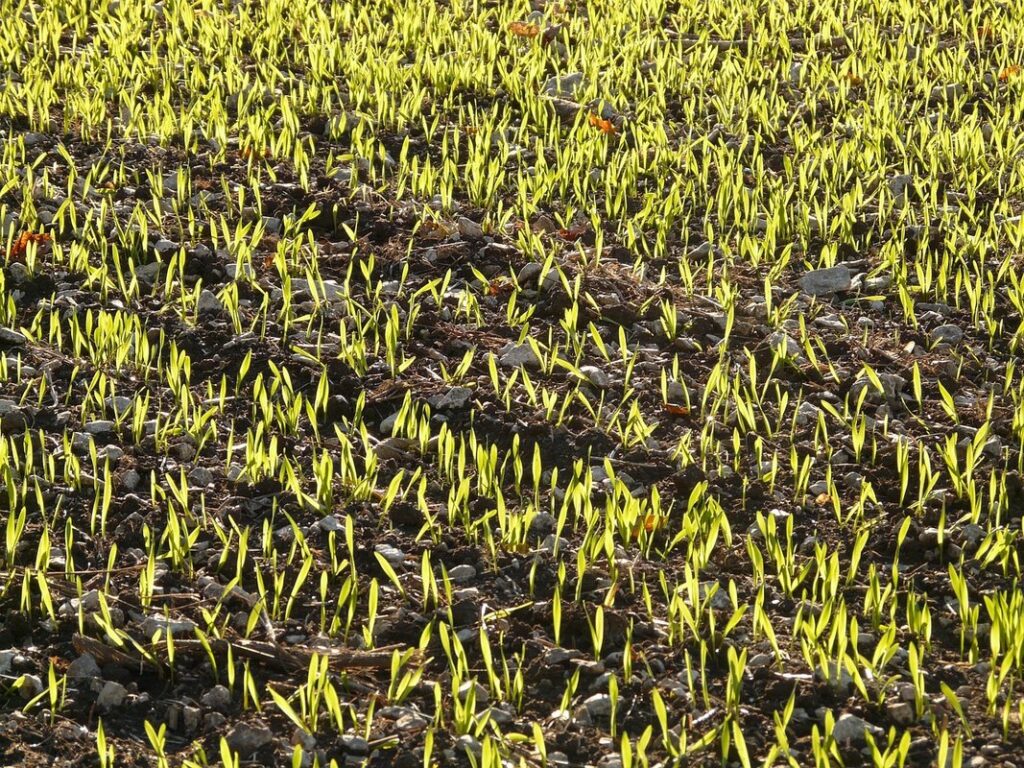
Understanding Seed Classification
Now that we’ve covered the basics of seeds, it’s time to explore how they’re categorized and classified for easier identification and use. We’ll examine the main seed classification categories.
Basic Seed Types
Seeds can be broadly classified into three fundamental types based on their life cycle and growth habits. Annual seeds are one-time producers of flowers and seeds within a single growing season. They germinate, mature, and complete their life cycle in a year or less. Examples include vegetables like lettuce, spinach, and tomatoes.
Biennial seeds, on the other hand, require two years to complete their life cycle. These plants germinate in the first year but focus on developing roots and foliage rather than producing flowers and seeds. In the second year, they bloom and produce seeds before dying off. Carrots, beets, and sweet alyssum are common biennial seeds.
Perennial seeds are long-lived, often producing new growth each year without requiring replanting. They can complete their life cycle in a single season or take several years to mature. Examples include flowers like roses, lavender, and coneflowers, as well as herbs like mint and oregano. Understanding the characteristics of these seed types is essential for selecting the right seeds for specific gardening needs.
Categorization by Plant Family
Seeds from grasses, such as wheat and oats, are typically small and thin. These seeds often have a hard outer coating called a fruit coat. In contrast, legume seeds, which come from plants like beans and peas, tend to be larger and more rounded. They usually have a fleshy outer layer that splits open when the seed is mature.
The nightshade family includes plants like tomatoes, peppers, and eggplants. These seeds are relatively small and oval in shape. Some common characteristics of seeds within this category include being smooth or slightly ridged, with one or two large oil glands on their surface.
Other notable plant families that produce distinct types of seeds include the Brassica (broccoli, cauliflower) and Solanaceae (potatoes). These seeds often have unique features like a papery covering or distinctive markings. When categorizing by plant family, it’s essential to remember that seeds within each group may exhibit varying traits due to factors like genetic diversity or environmental influences.
Some of the most recognizable seed types within these categories include:
- Wheat and oat seeds: small, thin, hard outer coating
- Legume seeds (beans, peas): larger, more rounded, fleshy outer layer
- Nightshade seeds (tomatoes, peppers): small, oval, smooth or ridged surface
Seed Morphology and Structure
Seeds come in a wide range of sizes, from the tiny seeds of orchids and lilies to the large seeds of beans and peas. The shape of a seed can also vary greatly, with some being long and thin, like grass seeds, while others are round and plump, such as pumpkin seeds. Seed color is another distinguishing feature; many plants produce seeds in shades of brown, black, or tan, but some species produce brightly colored seeds like the vibrant red seeds of poppies.
The texture of a seed can also provide clues about its type and properties. For example, the hard, dry seeds of most trees are designed to withstand harsh environmental conditions, while the softer, more fragile seeds of tropical plants often require more gentle handling. Seed size, shape, color, and texture all play important roles in seed dispersal – the process by which seeds spread from one place to another.
In terms of germination, the physical characteristics of a seed can also have a significant impact. For instance, some seeds with thick seed coats take longer to germinate than those with thinner coats. Additionally, seeds that are more easily broken open tend to sprout faster than those that require more force or water to crack open. Understanding these differences is crucial for gardeners and farmers seeking to optimize seed germination rates.
Seeds by Function
Now that we’ve covered the basics of seed types, let’s break down seeds based on their function: which ones are used for food, and which ones serve other purposes.
Food-Producing Seeds
Seeds used as food sources are some of the most widely cultivated and consumed types. Staple crops like corn, wheat, and rice provide a significant portion of the world’s population with essential nutrients. These seeds are rich in carbohydrates, proteins, and fiber, making them an important part of a balanced diet.
In terms of nutritional value, each of these staple crops offers unique benefits. Corn is high in vitamin B6 and folate, while wheat provides iron and selenium. Rice, on the other hand, is a good source of manganese and thiamin. Beyond their individual nutrient profiles, these seeds are often used together to create complex dishes and meals.
Culinary uses for food-producing seeds vary greatly depending on cultural context. In some regions, corn is boiled or grilled as a simple side dish. In others, it’s used to make tortillas or tamales. Wheat is commonly baked into bread or made into pasta, while rice is often served as a side or used in sushi and other Asian dishes.
When selecting seeds for food production, consider the local climate and soil conditions. Some staple crops are more adaptable than others, so it’s essential to choose varieties that will thrive in your specific region.
Ornamental and Aesthetic Seeds
Ornamental and aesthetic seeds play a crucial role in landscaping and interior design. These plants are chosen for their visual appeal and ability to enhance the beauty of a space. Popular ornamental seed types include flower seeds, herb seeds, and tree seeds.
Flower seeds, such as marigolds and zinnias, add vibrant colors and textures to gardens and indoor spaces. They come in a variety of shapes, sizes, and bloom times, making them versatile options for different design styles. Herb seeds, like basil and rosemary, not only provide fragrance but also offer culinary value.
Tree seeds can be used to create stunning focal points or hedges. Some popular ornamental tree species include Japanese maples and flowering cherry trees. When selecting ornamental seeds, consider the climate, soil type, and amount of sunlight the plants will receive. This ensures they thrive and maintain their aesthetic appeal.
When planting ornamental seeds indoors, use a good quality potting mix and provide adequate light and water. For outdoor plantings, choose a location with suitable conditions for the specific seed type. Regular maintenance, such as pruning and fertilizing, will also help keep these plants looking their best.
Medicinal and Therapeutic Seeds
Turmeric seeds, also known as Murraya koenigii, have been used for centuries in Ayurvedic medicine to treat a variety of ailments. The seeds contain a compound called curcumenol, which has potent anti-inflammatory properties. In traditional Indian folk medicine, turmeric seeds are often used to relieve digestive issues and reduce joint pain.
Ginger seeds, on the other hand, have been valued for their warming and anti-nausea effects. They’re commonly used in Asian cuisine and herbal remedies to aid digestion and alleviate symptoms of colds and flu. Fresh ginger seeds can be grated or squeezed for their juice, which is then added to tea or taken directly as a digestive tonic.
Flaxseed has gained popularity in recent years due to its high content of omega-3 fatty acids and fiber. It’s often used to support heart health, reduce inflammation, and alleviate symptoms of irritable bowel syndrome (IBS). When choosing medicinal seeds like these, it’s essential to ensure they’re organic and free from contaminants. Store them properly in a cool, dry place to preserve their potency.
When using medicinal seeds, start with small doses and monitor your body’s response. Some individuals may experience allergic reactions or interact with medications, so consult with a healthcare professional before incorporating them into your regimen.
Seeds by Origin
Seeds from diverse origins, such as Africa, Asia, and Latin America, offer unique characteristics that impact their usability and cultivation. We’ll explore these differences in this section.
Indigenous and Wild Seeds
Indigenous and wild seeds play a vital role in preserving biodiversity and supporting local food systems. These seed types have co-evolved with their respective environments over thousands of years, developing unique adaptations to survive and thrive in specific ecosystems.
For example, desert flora such as succulents rely on drought-resistant seeds that can withstand extreme temperatures and dry conditions. Similarly, tropical plants like the Amazon rainforest’s iconic kapok tree require seeds that can tolerate high humidity and abundant rainfall.
In contrast to cultivated and hybrid seeds, indigenous and wild seeds are often open-pollinated, meaning they rely on natural pollinators rather than human intervention for reproduction. This characteristic allows them to maintain genetic diversity within a given population, making them more resilient to pests, diseases, and environmental stressors.
When working with indigenous and wild seeds, gardeners and farmers must consider factors such as seed dormancy periods, germination rates, and growth habits. By understanding these nuances, individuals can successfully cultivate these seed types and help preserve the genetic heritage of their regions. This approach also supports local food systems by promoting agroecological practices that prioritize biodiversity and ecosystem services.
Cultivated and Hybrid Seeds
Cultivating and hybridizing seeds involves manipulating plant genetics to enhance desirable traits. This process typically begins with breeding two parent lines with complementary characteristics, such as disease resistance and high yield potential. The resulting offspring are then selected for desirable features, a process repeated over multiple generations to refine the desired traits.
One key consideration in commercial seed production is intellectual property protection. Large-scale producers often patent their hybrid seeds to prevent unauthorized use or reproduction. This practice has raised concerns among some farmers, who argue that it limits access to genetic material and fosters dependence on proprietary varieties.
In many countries, there are regulations governing the sale and distribution of genetically modified (GM) seeds. These regulations aim to ensure public safety and prevent environmental harm, but they can also create uncertainty for producers and consumers alike.
Commercial seed production often involves large-scale monocultures, which can lead to reduced genetic diversity within a given crop. This vulnerability to disease and pests is one reason why many experts advocate for more diverse and resilient agricultural systems.
Seed Selection and Handling
Choosing the right seeds for your garden is crucial, so let’s take a closer look at seed selection and handling to ensure you get the best results. Proper handling techniques can make all the difference in germination rates.
Choosing the Right Seed Type
When selecting seeds, it’s crucial to consider specific growing conditions, climate, and soil type. This ensures you choose varieties well-suited for your environment. For example, cool-season crops like broccoli and cauliflower thrive in temperate climates with moderate temperatures, while warm-season crops like tomatoes and peppers excel in hot weather.
Seed viability is another critical factor. Look for seeds that have been stored properly and are within their shelf life. Check the seed packet or consult with a supplier to determine this information. Some certifications, such as USDA Organic or Non-GMO Project Verified, can also provide assurance about seed quality.
In addition to these factors, consider the soil type and pH level in your garden. Certain seeds, like those for acid-loving plants like azaleas and blueberries, require specific soil conditions. Similarly, some seeds are bred for drought tolerance or resistance to pests. By matching seed types with your local climate and soil characteristics, you’ll increase the chances of successful germination and plant growth.
When selecting certified organic seeds, ensure they meet the National Organic Program’s standards, which include requirements for crop rotation, pest management, and soil conservation. This can help reduce chemical use in your garden and promote ecosystem health.
Proper Seed Storage and Handling Techniques
To maintain seed quality and ensure optimal germination rates, proper storage and handling techniques are essential. Start by labeling each container with its contents, including the seed type, date, and any relevant storage instructions. Use a permanent marker to write directly on the container or attach a label with this information.
When packaging seeds for transport, choose containers that protect against moisture, light, and pests. Glass or plastic containers with tight-fitting lids are suitable options. Avoid storing seeds in direct sunlight or near heat sources, as this can cause degradation and reduce viability.
For long-term storage, consider using desiccants to control humidity levels and maintain a consistent temperature between 40°F and 50°F (4°C and 10°C). Some gardeners use silica gel packets or uncooked rice to absorb excess moisture. When transporting seeds, keep them in a sealed container within a protective bag to shield against extreme temperatures and shocks.
A well-maintained seed storage area is also crucial for long-term viability. Store seeds away from direct sunlight, heat sources, and areas prone to moisture accumulation. Regularly inspect stored seeds for signs of degradation or pests, and replace any compromised seeds to maintain optimal quality.
Advanced Seed Concepts
As we venture into the more complex side of seed types, let’s explore some advanced concepts that will take your understanding to the next level. This includes topics like hybridization and genetic modification.
Seed Germination and Sprouting
Light plays a crucial role in seed germination and sprouting. Most seeds require light to break dormancy, but some can germinate in darkness. For example, alfalfa and radish seeds can produce roots and shoots without light. However, most seeds benefit from exposure to indirect or direct sunlight, which helps regulate temperature and prevents overwatering.
Temperature is another critical factor affecting seed germination. Seeds typically have an optimal temperature range for germination, often between 65°F (18°C) and 75°F (24°C). For instance, tomato seeds usually germinate best at around 70°F (21°C), while pepper seeds prefer slightly warmer temperatures.
Moisture is essential for seed germination, but excessive water can be detrimental. Seeds typically need a consistent level of moisture during the first few weeks after sowing. As the seedling develops, it becomes more drought-tolerant and requires less frequent watering. By understanding these factors – light, temperature, and moisture – you can optimize conditions to promote healthy germination and sprouting in your seeds. To achieve this balance, monitor soil temperature, provide adequate light, and water carefully during the initial stages of growth.
Advanced Seed Propagation Methods
Grafting involves joining a piece of stem from one plant onto the root system of another. This technique is commonly used in orchards to combine high-yielding fruit varieties with disease-resistant rootstocks. By grafting, farmers can control soil-borne diseases and reduce pesticide use. Layering, on the other hand, involves bending a stem of a mother plant over a barrier or stake so that it touches the soil.
As the stem grows new roots, the section below the barrier is cut from the mother plant and potted up to form a new plant. This method can be used for both herbaceous and woody plants. Tissue culture involves growing new plants from small tissue samples in a controlled environment. This method allows for mass production of disease-free plants and has been instrumental in conserving endangered species.
These advanced propagation methods have numerous applications across various fields. In agriculture, grafting helps increase crop yields while reducing soil-borne diseases. In horticulture, layering is used to propagate delicate or difficult-to-root plants. Tissue culture is employed by conservation biologists to preserve threatened plant species and reintroduce them into the wild.
Frequently Asked Questions
How can I apply the knowledge of seed types to my own garden or farm?
When selecting seeds for your specific climate and soil type, consider factors like temperature tolerance, moisture requirements, and pest resistance. Research local and regional seed varieties that are well-suited to your area’s conditions. This will help ensure optimal growth and health in your crops.
What if I’m not sure whether a seed is annual or perennial?
Yes, identifying the correct life cycle of a seed can be challenging. Look for clues on the seed packet or consult with a gardening expert who can provide guidance based on the plant’s characteristics and growing habits. In general, annual seeds germinate and complete their life cycle within a year, while perennials come back year after year.
Can I use wild seeds from my local area to grow in my garden?
Yes, using native or wild seeds can be beneficial for preserving biodiversity and supporting local ecosystems. However, ensure that the seeds are suitable for cultivation and not protected by laws or regulations. Research any potential risks associated with growing certain species in your specific region.
How do I know which ornamental seed type will thrive in indoor conditions?
When choosing ornamental seeds for indoor growth, consider factors like light requirements, temperature tolerance, and humidity levels. Some popular options include African violets, begonias, or herb seeds like basil or mint. Research specific care instructions for the chosen species to ensure optimal growth.
What if I’m experiencing issues with seed germination or sprouting?
Yes, poor germination rates can be frustrating. Check the seed’s storage conditions and handling practices to ensure they are suitable for optimal germination. Also, consider factors like soil quality, moisture levels, and temperature fluctuations in your growing environment. Adjust these variables as needed to promote healthy growth.
