
Voles are small rodents that can cause significant damage to your lawn, leaving behind unsightly bare patches and uneven terrain. If you’ve noticed holes in your grass or mounds of excavated soil, it’s likely that voles have taken up residence on your property. Not only is vole damage aesthetically unpleasant, but it can also weaken the health of your grass, making it more vulnerable to disease and pests. Identifying vole damage early on is crucial to preventing further infestations and maintaining a lush, green lawn. This guide will walk you through how to identify vole damage, prevent vole infestations from occurring in the first place, and manage vole populations if they do become a problem on your property. By the end of this article, you’ll be equipped with the knowledge and strategies necessary to control vole populations and keep your lawn looking its best.
Understanding Voles and Their Impact
To truly grasp the severity of vole damage, it’s essential to understand these tiny rodents’ behavior, habitat, and habits. Let’s take a closer look at what makes voles so destructive to your lawn.
What are Voles?
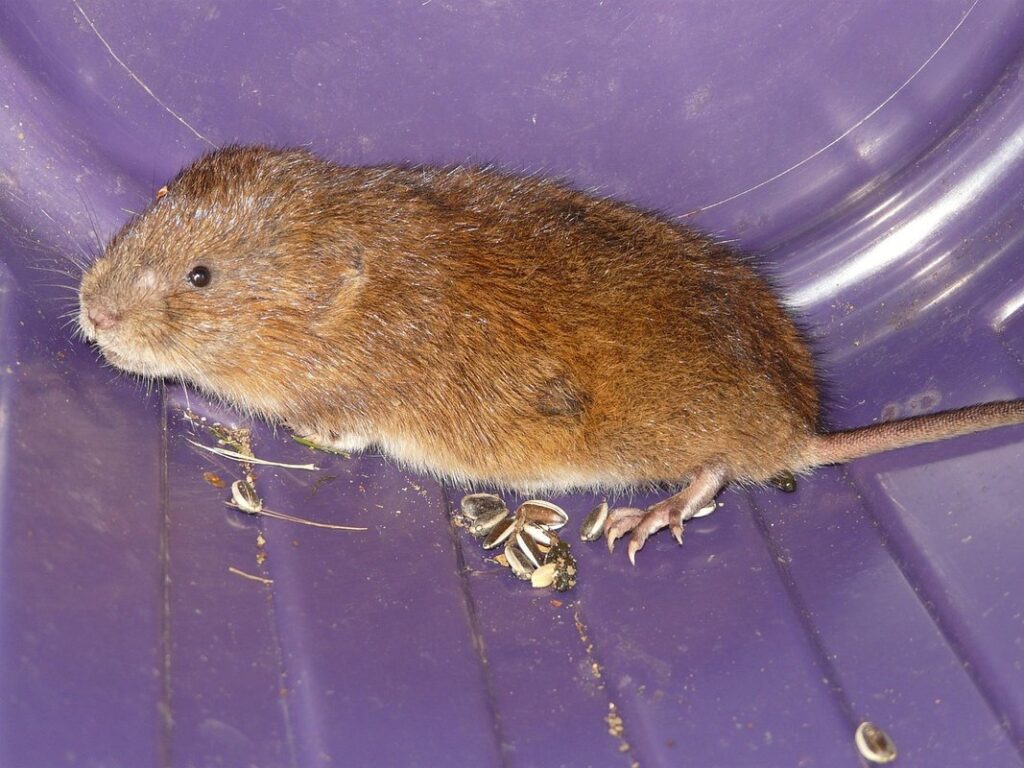
Voles are small, rodent-like mammals that belong to the family Muridae. They resemble mice but tend to be larger and have stockier bodies. Voles typically weigh between 2-5 ounces (50-150 grams) and measure 6-10 inches (15-25 centimeters) in length, including their tail. Their fur is usually brown or gray, helping them blend into their surroundings.
Voles are herbivores, feeding on a wide variety of plants, including grasses, fruits, and vegetables. They have prominent teeth that allow them to gnaw through tough vegetation, causing significant damage to lawns and gardens. Their burrowing behavior involves creating complex underground tunnel systems, often with multiple entrances and exits.
Voles are active year-round but tend to be more noticeable during spring and summer when they are most active in breeding and foraging. They are social creatures that typically live in small family groups. Understanding vole biology and behavior is crucial in recognizing the signs of infestation and taking steps to prevent damage to your property.
Identifying Vole Infestations
When inspecting your lawn for signs of vole infestation, look for gnaw marks on plants and vegetation. Voles typically target the base of stems and buds, leaving behind rough, jagged edges. Shredded or torn leaves are another indication of vole activity. Check for areas with unusually high levels of plant material consumption – voles tend to favor grasses and herbaceous perennials.
Unusual digging patterns in the soil can also indicate vole presence. Voles create complex networks of tunnels and burrows, often with multiple entrances and exits. These tunnels may be shallow or deep, depending on the depth of the soil and the vole’s preference. If you notice a series of small holes or mounds scattered across your lawn, it could be a sign that voles are actively excavating.
To distinguish vole damage from other types of lawn issues, consider the following: are there multiple plants showing similar signs of gnawing? Are the tunnels and burrows consistent in size and depth? If you’re unsure about what you’re seeing, consult with a local wildlife control expert or your county extension office for guidance.
Types of Grass Damage Caused by Voles
Voles can cause a range of damage to your grass, from superficial tunnels and holes to more extensive burrowing that undermines its structure. There are several distinct types of vole-induced damage you should be aware of.
Tunneling and Burrowing
Voles create complex tunnel networks beneath the surface of your lawn, which can have far-reaching consequences for grass health. These tunnels allow water to drain away from the soil more quickly, reducing its ability to penetrate the roots and causing them to dry out.
Soil compaction is another issue associated with vole burrowing. As voles dig, they compact the soil around their tunnels, making it harder for water and air to reach the roots of your grass. This can lead to a decrease in plant growth, turning an otherwise lush lawn into a patchy, uneven expanse.
The tunnel networks created by voles can also exacerbate erosion issues on sloping lawns or those with poor drainage. Water that flows through these tunnels can erode the soil, leading to further damage and potentially creating holes or divots in your lawn.
To minimize vole burrowing, focus on removing attractants such as debris, weeds, and other plant matter from your lawn. This will make it less appealing to voles and encourage them to seek food elsewhere.
Mowing and Grazing
Voles often graze on grasses, leaving behind a patchy and uneven lawn. This grazing behavior can be detrimental to turf quality, especially if left unchecked. When voles feed on specific areas of grass, they create bare spots that can be difficult to repair. These bare patches can also become an entry point for further vole damage, as the rodents can easily access adjacent areas through their existing tunnels.
The impact of vole grazing is often noticeable in the spring and early summer when grass growth is rapid. Voles tend to feed on the tips of blades, causing a brownish discoloration and stunted growth. In severe cases, the repeated grazing can lead to a decline in lawn density, making it more susceptible to other pests and diseases.
To mitigate vole grazing damage, consider implementing a combination of physical barriers and habitat modification techniques. Installing fencing or mesh around vulnerable areas can help prevent voles from accessing these zones. Additionally, altering your lawn’s landscape by creating a buffer zone between grassy areas and nearby vegetation can reduce the attractiveness of your lawn to voles.
Environmental Factors Contributing to Vole Damage
Voles thrive in environments where food is plentiful and shelter is readily available, making certain conditions perfect for their population growth. Let’s examine some common environmental factors that contribute to vole damage in your lawn.
Habitat and Climate
Voles are most attracted to areas with moist soil and a temperate climate. In regions where winters are mild, voles may be active year-round, causing significant damage to grass. The presence of nearby water sources, such as streams or ponds, can also contribute to vole infestations.
Soil type plays a crucial role in attracting voles. They prefer areas with loose, well-draining soil that allows for easy digging and burrowing. Sandy loam and clay soils are particularly appealing to voles, while rocky or compacted soils tend to repel them. Local vegetation also influences vole activity. Tall grasses and weeds provide cover and food sources for voles, making lawns with dense growth more susceptible to damage.
To assess the likelihood of vole infestations on your property, consider the local climate and soil conditions. Check if nearby areas have experienced similar issues with vole damage. If so, it’s possible that your lawn is also at risk.
Human Activities and Land Use
Human activities such as farming, construction, and landscaping can inadvertently create vole-friendly habitats or disrupt their natural behavior. For example, when farmland is converted to grassland, it can lead to an increase in vole populations as the new habitat provides food and shelter. Similarly, construction projects that disturb soil and vegetation can attract voles seeking new sources of food and shelter.
Landscaping practices like creating pond edges or installing birdhouses can also contribute to vole infestations. These features provide water and food sources for voles, making it easier for them to survive and thrive in the area. In addition, human activities such as mowing grass too short or frequently can disrupt vole behavior by removing their hiding places and reducing their access to food.
To minimize the impact of these human activities on vole populations, consider the following: maintain a mix of vegetation heights to provide voles with hiding places; avoid creating pond edges or installing birdhouses if you live in an area prone to vole infestations; and keep grass at a moderate height to reduce vole activity. By being mindful of these factors, you can help prevent vole damage to your grass and create a more vole-friendly habitat.
Detection and Prevention Strategies
To effectively manage vole damage, it’s essential to understand how to detect their presence and take proactive steps to prevent further infestation. Effective detection methods can be a game-changer for homeowners dealing with these pesky rodents.
Trapping and Monitoring
When identifying vole activity, trapping and monitoring are essential components of effective management. Live traps baited with appealing foods like oats or sunflower seeds can be an effective way to capture and remove individual voles from the area. Bait stations that mimic the appearance of food caches also encourage voles to visit regularly, allowing you to monitor their presence.
Monitoring devices such as camera traps, motion-activated sensors, and tunnel-detection systems can provide valuable insights into vole behavior and movement patterns. These tools help you pinpoint areas of high activity and track the effectiveness of your management strategies over time.
Regular visual inspections are also crucial in detecting vole damage. Look for signs like mounds of excavated soil, gnaw marks on plant stems, and burrow entrances near the base of plants. Check for areas where grass is thin or sparse, as voles often focus their activity around these spots. By combining trapping, monitoring, and visual inspections, you can develop a comprehensive understanding of vole behavior on your property and make informed decisions about management strategies.
Exclusion Methods and Repellents
To prevent voles from inhabiting a particular area and causing damage to grass, exclusion methods can be effective. One common method is installing fencing around the perimeter of the lawn. This can be as simple as a 3-foot high plastic mesh fence or as elaborate as a wooden stockade. The goal is to block vole access points and prevent them from burrowing underneath the fence.
Another option is using mesh screens over planting beds or areas with vulnerable grass. These screens should have openings of no more than 1 inch in diameter, making it difficult for voles to squeeze through. Burying the edges of these screens 6-8 inches underground will help prevent voles from digging underneath them.
Repellents can also be used to discourage vole infestations. These include commercial products containing predator scents (such as coyote or fox urine), which are typically applied around the perimeter of the lawn or directly into vole burrows. Natural repellents, like hot pepper spray or castor oil-based products, may also work but require repeated application and can be less effective than commercial products. Always follow product instructions carefully when using commercial repellents to avoid harming people, pets, or other wildlife.
Managing Vole Damage on Your Property
To effectively manage vole damage, you’ll need to take a proactive approach that involves identifying signs of infestation and implementing preventative measures. This includes inspecting your property regularly for vole activity.
Short-Term Solutions
Repairing damaged areas is a crucial short-term solution for addressing vole damage on your lawn. Start by identifying and fixing any tunnels or holes created by voles. Use soil or grass seed to fill in the gaps, and gently rake over the area to blend it with the surrounding turf. This will not only restore the aesthetic appeal of your lawn but also prevent further damage from water and nutrient loss.
Aerating your lawn can also help alleviate vole damage in the short term. Voles prefer to tunnel through compacted soil, so loosening up the soil structure can make it more difficult for them to dig. Use a manual or power aerator to create small holes throughout the lawn, which will improve drainage and promote healthy root growth.
Applying vole-deterrent granules is another short-term solution to consider. These products contain repellents that discourage voles from burrowing in treated areas. However, be sure to follow the manufacturer’s instructions carefully and apply the product according to label recommendations. It may take a few applications to achieve optimal results, but this can provide temporary relief until more comprehensive measures are put in place.
Long-Term Strategies and Maintenance
Regular maintenance is essential for preventing future vole infestations and mitigating ongoing damage. One crucial aspect of long-term strategies is monitoring for signs of activity. This involves regularly inspecting your lawn, particularly after heavy rainfall or snowmelt, when voles are most active. Look for fresh burrows, gnaw marks on plants, and unusual patterns in the grass.
Maintaining a healthy lawn through proper mowing and fertilization practices can also help deter voles. Keep your lawn at a height of 2-3 inches to reduce appealing habitat features for voles. Avoid over-fertilizing, as this can lead to lush growth that attracts voles. Instead, focus on balanced fertilization schedules tailored to your grass type.
Additionally, consider implementing exclusion methods such as removing debris and clutter from your property, sealing entry points around buildings and fences, and installing vole-proof fencing. These measures may require periodic adjustments or replacements to maintain their effectiveness.
Frequently Asked Questions (FAQs)
One of the most common questions about vole damage is whether it’s possible to prevent vole infestations entirely. Unfortunately, voles can easily adapt to their environments and may be present even in well-manicured lawns. However, there are steps you can take to discourage them from feeding on your grass. These include removing weeds, debris, and other potential food sources that might attract voles.
Another frequently asked question is how to identify vole damage. Look for areas of dead or dying grass with a characteristic “windowing” effect, where the grass has been eaten away in circular patches. Vole droppings can also be an indicator, as they tend to deposit them near their feeding sites. If you suspect vole activity, inspect your lawn carefully and look for these signs.
It’s often unclear how to determine whether a particular type of damage is caused by voles or other animals, such as rabbits or deer. A good rule of thumb is to consider the location and pattern of damage: if it’s confined to a specific area with a history of vole sightings, it’s likely that voles are responsible.
Frequently Asked Questions
Can I use a single vole repellent to cover my entire lawn?
Yes, using a broad-spectrum vole repellent can be effective in deterring voles from your lawn. However, it’s essential to consider the specific needs of different areas, such as gardens or play zones, where more targeted solutions may be necessary.
How long does it take for vole-deterrent granules to work?
The effectiveness of vole-deterrent granules can vary depending on factors like soil type, moisture levels, and vole population density. Generally, you can expect to see results within 1-3 weeks after application, but repeated treatments may be necessary for optimal results.
What if I have a large property with multiple areas affected by voles? Can I focus on one area at a time?
Yes, it’s perfectly feasible to prioritize and tackle vole damage in one area before moving on to the next. Start by identifying the most critical zones and develop a phased plan for managing vole infestations across your property.
Are there any natural alternatives to commercial vole repellents or granules?
While some homeowners swear by homemade remedies like hot pepper sprays or castor oil, their effectiveness is often anecdotal. Commercial products, on the other hand, have been specifically formulated and tested for vole control. If you’re concerned about using chemicals, consider exploring integrated pest management strategies that combine multiple methods.
Can I use fencing to protect a specific area from voles if they’ve already infested my lawn?
While fencing can be an effective vole deterrent, it’s crucial to address the existing infestation first. Remove any remaining tunnels and debris, treat the affected areas with vole-deterrent granules or repellents, and then install fencing around the protected zone.
