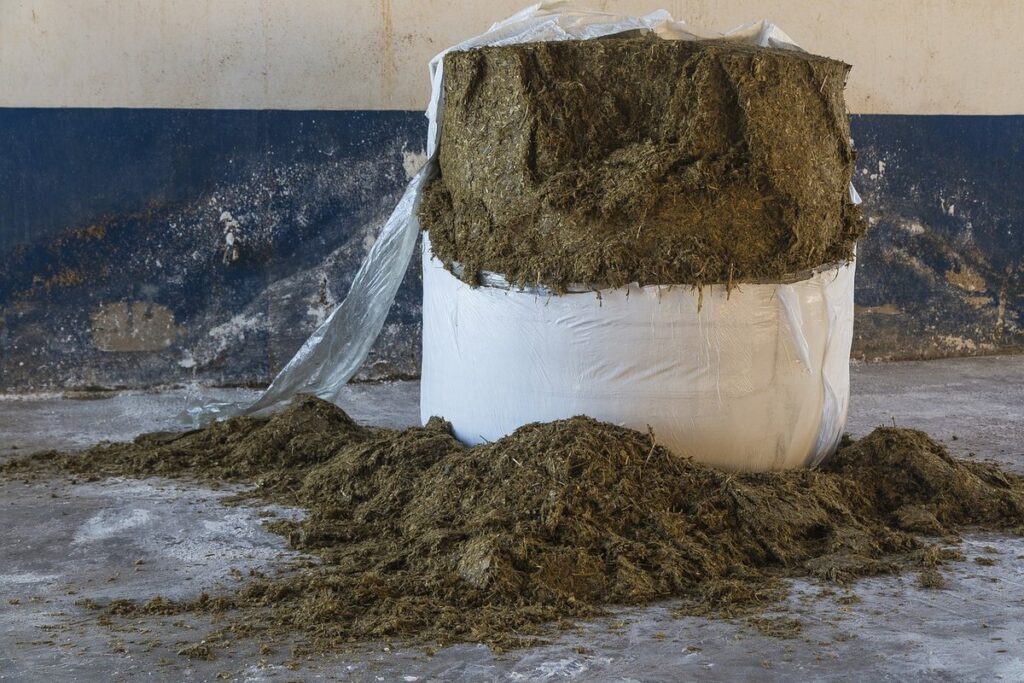
Growing your own alfalfa can be a game-changer for farmers looking to boost livestock health, increase milk production, or enhance weight gain in their animals. Alfalfa is renowned for its exceptionally high protein content, making it an ideal crop for animal feed. However, many farmers struggle with cultivating this delicate legume due to its specific needs and requirements. For those who have successfully grown alfalfa, the payoff is well worth the effort: healthier livestock, higher yields, and improved overall farm productivity. In this comprehensive guide, we’ll walk you through every step of growing high-protein alfalfa for animal feed, from selecting the right variety to harvesting and storing your crop. By the end of this article, you’ll be equipped with the knowledge and skills necessary to grow premium-quality alfalfa and reap its numerous benefits for your livestock operation.

Benefits and Uses of Alfalfa
Now that you know how to grow alfalfa, it’s time to explore its many benefits and uses in your garden and beyond. From animal feed to hay, we’ll cover all the reasons why growing alfalfa is a great idea.
Introduction to Alfalfa’s Nutritional Value
Alfalfa’s rich nutrient profile is one of its most notable advantages. The legume is an excellent source of essential vitamins and minerals, making it a valuable crop for farmers and gardeners alike. Vitamins A, C, E, K, and B12 are all present in alfalfa, each playing a crucial role in maintaining overall health.
Calcium, magnesium, and potassium are also abundant in alfalfa. These minerals are vital for plant growth and development, but they’re also important for human nutrition. For example, calcium is essential for building strong bones and teeth, while potassium helps regulate blood pressure and support muscle function.
The high concentration of vitamins and minerals in alfalfa makes it an attractive crop for those looking to create nutrient-dense animal feed or supplements. When harvested and processed correctly, alfalfa can provide a rich source of nutrition for livestock and even humans. For farmers growing alfalfa specifically for nutritional value, it’s essential to prioritize soil health and balanced fertilization to maximize the crop’s potential.
Alfalfa is often used as a rotational crop due to its ability to fix nitrogen in the soil, enriching it for future crops. By incorporating alfalfa into their rotation, farmers can improve soil fertility and reduce the need for synthetic fertilizers.
Using Alfalfa in Animal Feed
Alfalfa is a valuable feed supplement for livestock due to its high protein content and nutrient profile. It’s particularly beneficial for dairy cows, which require a diet rich in protein to support milk production. Alfalfa hay can be added to their ration to improve the overall quality of their feed. This, in turn, can lead to increased milk yields and better animal health.
In horse care, alfalfa is often used as a high-energy supplement to promote weight gain or maintain muscle mass. However, it’s essential to note that horses have different nutritional requirements than other livestock, so alfalfa should be introduced gradually into their diet under the guidance of an equine nutritionist. Additionally, dairy cows and other ruminant animals benefit from the fiber content in alfalfa, which helps regulate digestion and prevent digestive issues.
When using alfalfa as a feed supplement, it’s crucial to provide high-quality hay that is free from mold and contamination. Alfalfa should be harvested at the optimal stage of maturity to ensure maximum nutritional value. Typically, this means cutting the crop when it reaches 50-60% bloom, which helps preserve its protein content and palatability for animals.
Choosing the Right Alfalfa Variety
When selecting the perfect alfalfa variety for your farm, you’ll want to consider factors such as climate, soil type, and intended use. We’ll help you make an informed decision by exploring the key characteristics of each option.
Selecting Alfalfa for Climate and Soil Conditions
When selecting an alfalfa variety for your specific climate and soil conditions, it’s essential to choose one that is well-suited to thrive in those conditions. For warm climates with mild winters, consider varieties such as ‘Ranger’ or ‘Vernal’, which are bred for high temperatures and can tolerate drought.
In regions with cooler summers, varieties like ‘Lancer’ or ‘Pacifica’ perform better due to their ability to withstand lower temperatures. If you live in an area with heavy rainfall or waterlogged soil, look for varieties with improved flood tolerance, such as ‘Columbia’.
Soil type is also a crucial factor when selecting an alfalfa variety. For example, if your soil is alkaline, choose a variety that can tolerate high pH levels like ‘Apollo’ or ‘Delta’. If you have acidic soil, varieties bred to perform well in lower pH conditions, like ‘Ranger’ or ‘Vernal’, may be more suitable.
When evaluating different alfalfa varieties for climate and soil compatibility, consider factors such as temperature tolerance, drought resistance, flood tolerance, and nutrient requirements. Consult with a reputable seed supplier or extension service for guidance on selecting the best variety for your specific growing conditions.
Factors Affecting Alfalfa Yield and Quality
Factors such as seed quality, sowing density, watering, and fertilization can all impact the yield and quality of your alfalfa crop. The quality of your seeds is a crucial factor, as low-quality seeds may not produce high yields or have desirable traits like disease resistance.
Sowing density also plays a significant role in determining alfalfa yield and quality. Overcrowding can lead to reduced growth rates and lower yields due to competition for resources such as water and nutrients. On the other hand, under-sowing can result in wasted seeds and reduced plant establishment.
Adequate watering is essential for optimal alfalfa growth. Alfalfa requires a consistent supply of moisture throughout its growing cycle, especially during critical stages like germination and flowering. Drought stress can significantly reduce yields and impact quality.
Fertilization practices also affect alfalfa yield and quality. A balanced fertilizer program that includes nitrogen, phosphorus, and potassium is necessary for optimal growth. However, excessive fertilization can lead to environmental pollution and decreased soil fertility in the long term.
Preparing the Soil for Alfalfa Growth
To grow healthy and productive alfalfa, you need to start by preparing your soil properly. This involves evaluating its pH levels and nutrient content.
Soil Testing and Amendments
When testing your soil for alfalfa growth, you’ll want to focus on pH levels and nutrient availability. Most alfalfa varieties prefer a slightly alkaline to neutral soil pH between 6.5 and 7.5. If your soil test reveals a pH outside of this range, consider adding lime to raise the pH or sulfur to lower it.
Interpreting nutrient results is also crucial. Alfalfa requires adequate levels of nitrogen (N), phosphorus (P), potassium (K), calcium (Ca), and magnesium (Mg). Aim for moderate to high N levels, as alfalfa is a heavy feeder. Phosphorus is essential for root development, while potassium promotes overall plant health.
Common nutrient deficiencies in alfalfa include:
- Low nitrogen: Apply 30-40 pounds of N per acre annually
- Low phosphorus: Add 10-20 pounds of P2O5 per acre as a starter fertilizer
- Low magnesium: Use dolomitic limestone to raise Mg levels
When selecting amendments, consider the soil’s overall nutrient profile and pH. Avoid over-fertilizing, as this can lead to environmental issues and decreased yields. Instead, opt for targeted fertilizers that address specific deficiencies.
Incorporating Organic Matter into Your Soil
Adding organic matter to your soil is a crucial step in preparing it for alfalfa growth. Alfalfa prefers well-draining, fertile soil with a pH between 6.5 and 8.5, but many soils fall short of these standards due to heavy use or poor management. Compost and manure are two popular options for improving soil structure and fertility.
When selecting an organic matter amendment, consider the nutrient content and potential impact on your soil’s pH level. A general rule of thumb is to apply 1-2 inches of compost or well-rotted manure per year, depending on the specific needs of your soil. For example, if your soil test indicates a lack of phosphorus, you may want to choose an amendment rich in this nutrient.
To incorporate organic matter into your soil, till it into the top 6-8 inches of soil before planting alfalfa. This will help break up compacted layers and improve water penetration. Alternatively, you can create a compost pile or worm farm on-site to produce a continuous supply of nutrient-rich amendments for future crops. By adding organic matter regularly, you’ll be able to maintain optimal growing conditions for your alfalfa crop.
Planting and Establishing Alfalfa
When planting alfalfa, it’s essential to get a strong start by selecting a suitable location and preparing the soil for optimal growth. This includes creating a well-draining soil profile that will support your crop’s root system.
Sowing Rates and Seed Depth
When planting alfalfa, it’s essential to get the sowing rate and seed depth just right. For optimal establishment, the recommended sowing rate is between 10-15 pounds per acre for most varieties. However, some specific varieties may require higher or lower seeding rates, so be sure to check the seed packet or consult with a supplier for guidance.
In terms of seed depth, alfalfa seeds typically perform best when planted about 1/4 inch deep. This allows for proper moisture absorption and helps prevent soil compaction. It’s also crucial to maintain consistent soil contact throughout the sowing process to promote even germination.
To give you a better idea, here are some general guidelines for sowing alfalfa in different scenarios:
- For heavier soils or areas with high rainfall, consider sowing at the higher end of the recommended rate (14-15 pounds per acre) and slightly deeper (1/3 inch).
- In lighter soils or areas with low rainfall, you may be able to get away with a lower seeding rate (10-11 pounds per acre) and shallower planting depth (1/8 inch).
Irrigation Strategies for Alfalfa
When it comes to maintaining consistent soil moisture levels, alfalfa’s first year of growth is crucial. To ensure optimal irrigation strategies, consider the following: establish a drip irrigation system to deliver water directly to the roots, reducing evaporation and runoff. This method also allows for more precise control over water application rates.
For areas with high rainfall or unpredictable weather patterns, a rainwater harvesting system can be beneficial. Collecting rainwater in storage tanks reduces reliance on municipal supplies and alleviates pressure on local water sources. When selecting an irrigation strategy, factor in the specific climate and soil conditions of your location.
In regions with low humidity or hot summers, supplemental irrigation may be necessary to maintain soil moisture levels. Apply 1-2 inches of water per week during dry spells, either through sprinkler systems or drip irrigation. Monitor soil moisture regularly by inserting a probe or using a soil moisture meter to avoid overwatering, which can lead to root rot and other issues. By implementing these strategies, you can maintain consistent soil moisture levels and support alfalfa’s optimal growth throughout its first year of establishment.
Managing Pests and Diseases in Alfalfa
Dealing with pests and diseases can be a significant challenge when growing alfalfa, so let’s discuss some effective strategies for managing these issues.
Common Pests Affecting Alfalfa Crops
Aphids and mites are two of the most common pests affecting alfalfa crops. These tiny insects can cause significant damage by sucking sap from leaves and stems, weakening the plant’s ability to grow. Aphids are particularly problematic as they reproduce quickly, releasing a sticky substance that attracts other pests like ants and wasps. Regular monitoring is essential to catch infestations early on.
Vertebrate pests like deer can also severely damage alfalfa crops. These animals feed on leaves and stems, especially during periods of drought or extreme weather conditions. Control measures may include using fencing, repellents, or hunting regulations in areas with high deer populations. It’s worth noting that prevention is key: using cover crops to provide alternative food sources for wildlife can reduce the likelihood of damage.
Other pests affecting alfalfa crops include wireworms and white grubs, which can cause significant root damage. These insects are typically more prevalent in soils with poor drainage or where previous crops have been infested. To minimize the risk of these pests, rotate alfalfa with other crops every 3-4 years and maintain optimal soil fertility.
Strategies for Disease Prevention and Control
To prevent diseases in alfalfa, focus on selecting disease-resistant varieties. These cultivars have been bred to tolerate specific pathogens and can significantly reduce the need for fungicides. Some popular options include ‘Acco’ and ‘Cimarron’, which exhibit resistance to root rot and leaf spot. Introduce these varieties gradually into your rotation to minimize risks associated with introducing new pathogens.
Regular soil testing is essential to identify potential nutrient deficiencies that may contribute to disease susceptibility. Maintain optimal pH levels, typically between 6.0 and 7.0, as deviations from this range can increase the risk of root rot. Ensure adequate drainage by incorporating organic matter, like compost or manure, which also improves soil structure.
When applying fungicides, choose products with broad-spectrum activity to target multiple diseases simultaneously. Timing is crucial; apply treatments during periods of peak disease pressure, usually in early spring or late summer. Use a combination of cultural practices and chemical controls for the most effective results. Consider implementing crop rotation to break disease cycles and reduce soil-borne pathogens’ influence on subsequent crops.
Harvesting and Processing Alfalfa
Once you’ve harvested your alfalfa crop, it’s essential to process it properly to unlock its full potential. Proper harvesting and processing techniques will determine the quality of your final product.
Timing and Methods for Cutting Alfalfa
Cutting alfalfa at the optimal time is crucial for maintaining its quality and nutritional value. Typically, alfalfa should be harvested when it reaches 12-18 inches in height. Cutting it too early can lead to reduced yields and lower nutrient content. The ideal timing also depends on climate conditions: warmer temperatures and longer days tend to promote faster growth.
The most common method of cutting alfalfa is with a swather or mower, but some farmers prefer using a forage harvester. When choosing between these options, consider the size of your operation and the equipment you have available. A swather is often more affordable but may require more time and labor to collect the cut crop.
In terms of frequency, most alfalfa crops are harvested multiple times, with three to five cuts per growing season. This process, known as “cut-and-carry,” involves allowing the crop to regrow between each harvest. The timing of these subsequent cuts depends on factors like weather conditions and growth rate.
Drying, Storage, and Transportation of Alfalfa Hay
Drying alfalfa hay is crucial to prevent mold growth and preserve its nutritional value. Air-drying or using a mechanical dryer are common methods for drying alfalfa. Air-drying involves cutting the crop in the morning, allowing it to dry during the day, and then baling it in the evening when moisture levels have decreased. Mechanical dryers use heat to speed up the drying process.
To store dried alfalfa hay, ensure good airflow by stacking it loosely on pallets or shelves. Covering the hay with a breathable tarp or canvas can protect it from dust and debris. Most farmers choose to store alfalfa in a cool, dry place such as a barn or silo to maintain its quality.
When transporting harvested alfalfa, use sturdy containers or bags that prevent moisture from entering. Consider using moisture-resistant burlap bags to keep the hay dry during transit. Regularly inspect the transported alfalfa for signs of spoilage and take immediate action if you notice any mold or decay.
Frequently Asked Questions
Can I grow alfalfa in containers or small plots?
Yes, it’s possible to grow alfalfa in containers or small plots, but you’ll need to ensure they have enough space and adequate drainage. Alfalfa requires a deep root system, so containers should be at least 12 inches deep.
How do I handle an alfalfa crop that’s been affected by disease or pests?
If your alfalfa crop is affected by disease or pests, remove the infected plants immediately to prevent the issue from spreading. Then, replant with a disease-resistant variety and implement integrated pest management techniques to control any remaining issues.
What if I have limited water resources for irrigation? Are there any drought-tolerant alfalfa varieties?
Yes, some alfalfa varieties are more drought-tolerant than others. Look for cultivars that have been bred specifically for dry conditions or consider using conservation tillage methods to reduce soil evaporation and improve water retention.
Can I use compost tea as a fertilizer for my alfalfa crop?
Compost tea can be beneficial for alfalfa growth, but it’s essential to note that its effects may vary depending on the specific ingredients and brewing method used. As with any new fertilizer, start with small-scale tests to ensure there are no adverse reactions.
How do I know when my alfalfa hay is dry enough for storage? What’s the ideal moisture level?
The ideal moisture level for storing alfalfa hay is around 15-20%. Check the hay by taking a sample and weighing it. If it feels heavy due to excess moisture, wait a few more days before harvesting and checking again.