Hatching chicken eggs requires precision timing, as even small variations in incubation time can make all the difference between healthy chicks and failed broodings. You’ve probably heard that chicken eggs typically take 21 days to hatch, but what you might not know is that breed, temperature, and humidity levels play a significant role in determining the ideal hatching period. Whether you’re an experienced farmer or just starting out with backyard chickens, understanding how these factors interact can make all the difference between successful hatching and common issues like delayed development or failed hatch rates. In this article, we’ll explore the intricacies of incubation time and provide practical tips for optimizing your chances of a successful hatch, from selecting the right breed to maintaining optimal temperature and humidity levels. By the end of this article, you’ll know exactly how to determine the ideal hatching period for your chicken eggs.
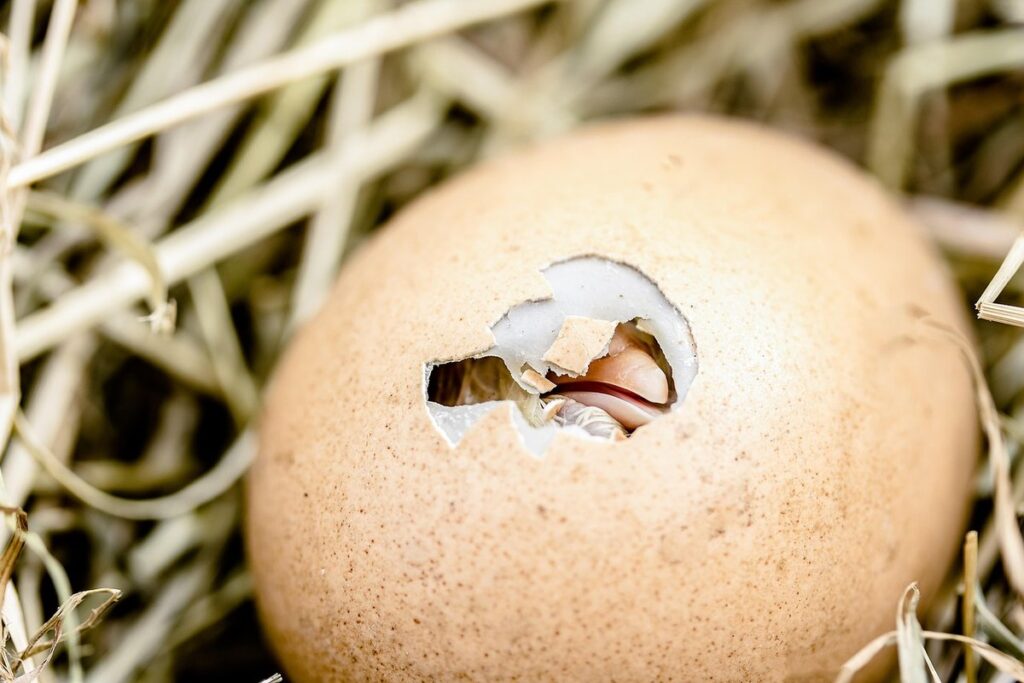
Understanding Chicken Egg Incubation
To successfully hatch chicken eggs, it’s essential to grasp the basics of incubation and how temperature fluctuations can affect your chicks’ development. Let’s start by examining the process of egg incubation itself.
Factors that Influence Incubation Time
Egg size plays a significant role in determining incubation time. Larger eggs generally require longer incubation periods due to their increased volume and weight. For example, a bantam egg typically needs 18-20 days of incubation, while a large breed egg may need around 21 days. This is because the embryo has further to develop and more resources to allocate before hatching.
Breed also significantly impacts incubation time. Some breeds, like Leghorns, have a relatively short incubation period of 19-20 days, whereas others, such as Orpingtons, may require up to 22 days. This variation is largely due to differences in egg size and the rate at which embryos develop.
Temperature also interacts with breed and egg size to influence incubation time. Optimal temperature ranges for different breeds can vary by a degree or two, affecting embryonic development. For instance, some breeds may thrive at slightly cooler temperatures, while others prefer warmer conditions. This subtle variation in temperature can make a noticeable difference in the overall incubation period.
Normal Incubation Period for Different Breeds
Commercial layer breeds typically take around 21 days to hatch their eggs. However, some popular commercial layers like Leghorns can reach hatching in as little as 19-20 days. Heritage breeds, on the other hand, tend to have slightly longer incubation periods. For example, Plymouth Rock and Wyandotte breeds usually take around 22 days.
Rare breeds often have unique characteristics that influence their incubation time. Some rare breeds like the Silkie can take up to 23-24 days due to their larger size and more complex eggshell structure. In contrast, smaller rare breeds like the Polish or the Houdan might hatch in a shorter period of around 20-21 days.
It’s essential to note that these are general guidelines and individual eggs may vary depending on factors such as temperature, humidity, and breeding quality. If you’re trying to hatch eggs from a specific breed, it’s crucial to research their unique incubation requirements or consult with an experienced breeder.
Calculating the Incubation Time
To calculate the incubation time for your chicken eggs, you’ll want to consider both the breed and the temperature at which they’re being kept. This will help ensure accurate hatching times every time.
Determining Fertile Eggs
A fertile egg is essential for a successful hatch. To determine whether an egg is fertile and ready for incubation, you need to check for fertility signs and handle the eggs gently. A clean and dry environment is crucial; avoid touching eggs with dirty hands or exposing them to drafts.
Before checking for fertility signs, ensure your hands are free from oils and lotions that can damage the egg’s membranes. Gently candle the egg (about 7-10 days before incubation) by shining a bright light through it. If you see moving sperm, blood vessels, or a heartbeat, the egg is likely fertile.
However, these signs don’t always guarantee fertility; about 20% of fertile eggs may not show clear signs. To increase your chances, use clean and dry equipment for handling and candling. Avoid washing eggs as this can strip away natural protective coatings that aid in incubation. Store eggs in a cool, dark place before incubation to help regulate their internal temperature.
Keep in mind that even with the right conditions, not all fertile eggs will hatch. Factors such as egg quality, breed characteristics, and environmental conditions during incubation also play a role.
Measuring Egg Weight and Size
Measuring egg weight and size is a crucial step in estimating incubation time. You can use a digital kitchen scale to weigh eggs accurately, taking note of their weight in grams. For example, Leghorn eggs typically weigh between 50-60 grams, while larger breeds like Orpingtons may have eggs weighing around 70-80 grams.
To measure egg size, you’ll need a ruler or caliper. Most chicken breed eggs are roughly oval in shape and about 5-6 centimeters long. However, some breeds can produce significantly smaller or larger eggs. For instance, Bantam eggs might be as small as 3-4 centimeters, while the eggs of large fowl like Jersey Giants may reach lengths of up to 7-8 centimeters.
When comparing egg size and weight across different breeds, it’s essential to consider that some varieties are more prone to larger or smaller eggs. Knowing your breed’s average egg size can help you estimate incubation time more accurately.
Factors Affecting Incubation Time
The incubation time of chicken eggs can be influenced by several key factors, including temperature, humidity, and breed characteristics. Understanding these influences will help you better determine your egg’s hatching timeline.
Temperature Extremes
Temperature fluctuations have a significant impact on incubation time. The optimal temperature range for chicken egg incubation is between 99°F and 100.5°F (37.2°C to 38°C), with most incubators operating around 100°F (37.8°C). However, even slight deviations from this range can be detrimental.
For every degree above or below the optimal temperature, incubation time increases by about 12 hours. For example, if an egg is incubated at 102°F (39°C) instead of 100°F (37.8°C), it may take around 24-48 hours longer to hatch. Conversely, temperatures that are too low can slow down embryonic development and even cause the embryo to die.
Temperature extremes also increase the risk of mold growth and bacterial contamination in the incubator. To mitigate these risks, it’s essential to maintain a consistent temperature within the optimal range and avoid exposing eggs to sudden changes or extreme temperatures. If you’re using an incubator with automatic temperature control, make sure to monitor its performance regularly and adjust settings as needed.
When choosing an incubator, look for one that can maintain a stable temperature within 0.5-1°F (0.3-0.6°C) of the set point. This will help ensure optimal conditions for your eggs and reduce the risk of temperature-related issues.
Humidity Levels and Air Quality
Maintaining proper humidity levels and air quality is crucial for healthy embryo development during incubation. High temperatures and dry environments can cause the egg to lose moisture too quickly, leading to desiccated membranes and compromised embryo growth.
A relative humidity of 50-60% is ideal for most breeds, with some variations depending on specific requirements. For example, eggs from tropical or subtropical breeds may benefit from a slightly higher humidity level around 65%. Conversely, eggs from more temperate breeds can thrive in drier conditions. It’s essential to research the specific needs of your breed.
Poor air quality can also hinder embryo development. Dust, bacteria, and other airborne contaminants can penetrate the eggshell and cause infections or damage to the developing embryo. Ensure good ventilation in the incubation room by providing adequate airflow through windows or fans. Regularly clean and disinfect the incubator and surrounding area to prevent contamination.
To monitor humidity levels effectively, use a hygrometer specifically designed for incubators. This will provide accurate readings of relative humidity, allowing you to make adjustments as needed. By maintaining optimal humidity levels and air quality, you’ll create an environment conducive to healthy embryo development and successful hatching.
Monitoring Embryo Development
As you wait for your chicken eggs to hatch, it’s essential to understand what’s happening inside those shells. This is where monitoring embryo development comes into play, a crucial step in knowing when hatching will occur.
Checking for Candling Signs
Candling is a crucial step in monitoring embryo development. By shining light through the eggshell, you can observe signs of growth and identify potential issues early on. Typically, around 7-10 days post-fertilization, the first candling signs appear: a small, dark spot or a network of tiny blood vessels. This indicates that the embryo has started to develop its circulatory system.
As the embryo grows, you’ll notice more pronounced features. Around day 11-12, you might see the beginnings of limbs and organs. The embryo’s size will also increase noticeably. Keep in mind that not all embryos are identical, so some may show signs a little earlier or later than others.
When candling, look for any unusual patterns or growths that could indicate problems. For example, if you notice uneven development or an unusually large or small spot, it may be a sign of a delayed or failed hatch. Be aware that the embryo’s position within the egg can also affect what you see during candling.
Measuring Embryonic Growth Rates
You can measure embryonic growth rates by tracking changes in egg weight and embryo length. One common method is to weigh eggs daily using a digital scale, taking note of any significant increases in mass. This helps you identify when the embryo starts growing rapidly, typically around 12-14 days post-fertilization.
Another approach involves candling eggs to observe the embryo’s development. As the embryo grows, it will become more visible against the yolk, and its size can be estimated by comparing it to a candle flame or other reference points. Some breeders use specialized equipment, such as egg measuring calipers, to accurately measure embryo length.
While weighing eggs is relatively straightforward, candling requires some practice to get accurate readings. Start by setting aside a quiet, dark space for candling and adjust the lighting to create a clear contrast between the embryo and the yolk. Take note of any changes in the embryo’s size or shape over time.
Troubleshooting Common Issues
You may encounter problems during incubation, such as unusual temperatures, humidity fluctuations, or poor egg handling. This section addresses common issues and offers practical solutions to get your eggs back on track.
Delayed Development
When an embryo fails to develop at a normal pace, it can be frustrating and concerning for chicken keepers. Delayed development is often caused by temperature fluctuations within the incubator. If the temperature drops or rises significantly, it can slow down or even stop embryo growth altogether. For example, if the temperature in the incubator dips below 99°F (37°C), development will likely come to a halt.
Humidity levels and air quality also play critical roles in incubation success. Inadequate ventilation can lead to excessive moisture buildup, which in turn promotes bacterial growth and fungal spores that can harm or kill embryos. Similarly, dry air can cause eggs to lose moisture too quickly, resulting in delayed development. As a general rule of thumb, maintain humidity levels between 50-60% for the first 18 days and then reduce it slightly.
Check your incubator’s temperature and humidity settings regularly to ensure they remain within optimal ranges. If you notice any deviations, take corrective action promptly.
Aborted or Failed Hatch
Aborted or failed hatch can be a devastating experience for backyard chicken enthusiasts. There are several potential reasons why an egg may not hatch, and it’s essential to identify these factors to improve incubation outcomes. One common issue is egg handling: mishandling eggs during transport or storage can cause cracks, leading to contamination or embryo damage.
Incorrect incubation temperature is another critical factor. If the temperature deviates from the optimal range (around 99-100°F for most breeds), it can slow down embryonic development or even lead to a failed hatch. Some breeds are more sensitive to temperature fluctuations than others; for example, Silkies and Polish chickens require slightly lower temperatures.
Breed-specific factors also play a role in successful hatching. Certain breeds, such as Orpingtons and Plymouth Rock, tend to have longer incubation periods (typically 21-22 days). In contrast, some dwarf breeds, like Bantams, may hatch more quickly (around 18-19 days).
To minimize the risk of aborted or failed hatch, it’s crucial to maintain a consistent temperature within 0.5°F of the optimal range and monitor egg handling practices. Regular candling can help detect any issues with embryonic development before they become critical.
Advanced Techniques for Optimizing Incubation
To get the best possible hatch rate, you’ll want to learn how to optimize your incubation techniques, including precise temperature control and monitoring. Let’s explore some advanced strategies for achieving success.
Using Temperature-Regulating Systems
Temperature-regulating systems can significantly improve incubation outcomes by maintaining a stable and optimal temperature for embryonic development. This is particularly crucial during critical periods such as gastrulation (around 4-5 days) and organogenesis (6-14 days). Temperature control units or climate-controlled incubators can regulate temperature within ±0.5°C, which is more precise than traditional methods.
Some notable benefits of using these systems include reduced embryo mortality, improved hatch rates, and a more predictable hatching time. For example, studies have shown that maintaining a consistent temperature between 37.2°C and 37.7°C can reduce the risk of embryonic death by up to 30%. Additionally, these systems often come equipped with automatic alarms and monitoring capabilities, allowing for prompt intervention in case of any anomalies.
When choosing a temperature-regulating system, consider factors such as power consumption, durability, and ease of use. Some popular options include digital temperature control units and climate-controlled incubators specifically designed for poultry breeding. It’s essential to follow the manufacturer’s guidelines and calibrate the equipment according to the specific requirements of your incubation setup. By investing in a reliable temperature-regulating system, you can optimize incubation conditions and increase the chances of successful hatching.
Implementing Breeding Programs
When implementing breeding programs, it’s essential to prioritize optimal incubation conditions and genetic diversity. This involves selecting breeds with desirable traits and characteristics, such as resistance to disease or improved egg quality. To begin, identify the specific needs of your flock and the goals you want to achieve through breeding.
Consider factors like temperature tolerance, humidity levels, and air quality when choosing breeds. For instance, some breeds excel in hot climates while others perform better in cooler temperatures. You should also ensure that your selected breeds complement each other genetically to avoid inbreeding and promote overall health.
Aim for a mix of 50-75% of the breeding stock from within the flock, with the remaining 25-50% sourced from external breeders or suppliers. This balance maintains genetic diversity while minimizing the risk of introducing new diseases. Regularly update your breeding program to reflect changes in environmental conditions and emerging challenges.
When selecting breeds, consider their incubation requirements, egg size, weight, and fertility rates. Research the specific needs of each breed and ensure they align with your existing incubation setup. This will help you optimize incubation conditions and improve hatch rates overall.
Frequently Asked Questions
What if I notice my eggs aren’t developing at the same rate as others in the incubator?
You can check for potential causes such as temperature fluctuations or humidity issues. Make sure to maintain optimal incubation conditions, and consider adjusting the temperature or humidity levels. You may also want to separate the affected eggs from the rest to prevent stress on the developing embryos.
How do I know when it’s safe to stop candling my eggs?
You can discontinue candling once you’ve reached 18-20 days of incubation. However, if you’re monitoring embryo development closely and notice that the chicks are developing rapidly, you may be able to stop candling earlier, around 16-17 days.
What happens if I accidentally transfer an egg to a different incubator with a different temperature setting?
If this occurs, it’s essential to monitor the egg closely for any signs of stress or developmental issues. You can try adjusting the temperature setting on the new incubator to match the original conditions as closely as possible. However, this may not always be successful, and you should be prepared for potential complications.
Can I use a thermometer with an alarm function in my incubator?
Yes. A thermometer with an alarm function can help ensure that your incubation temperature remains within the optimal range. This can provide peace of mind and alert you to any issues before they become severe.
What if I notice unusual odors or mold growth in my incubator?
This could be a sign of poor air quality, high humidity levels, or contaminated eggs. Immediately stop incubation and thoroughly clean the incubator, replacing any affected components as needed. You should also inspect your eggs for signs of contamination or spoilage, discarding any affected eggs to prevent further issues.