Managing a successful beef cattle operation requires attention to detail in several key areas. From breeding the right genetics to providing optimal nutrition, you need to balance short-term financial goals with long-term sustainability. Raising beef cattle can be a lucrative venture, but it’s not without its challenges. One of the biggest hurdles is ensuring that your herd receives proper care and management, including regular vaccinations and parasite control. This comprehensive guide will walk you through the essential steps for breeding, raising, and managing beef cattle. We’ll cover topics such as nutrition and feeding strategies, health considerations like vaccinations and disease prevention, and financial planning to help you make informed decisions about your operation. By the end of this article, you’ll have a solid understanding of how to manage your beef cattle effectively, from conception to market.

Understanding Beef Cattle Basics
Beef cattle are raised for their meat, and understanding the basics is crucial for anyone looking to breed, raise, or manage these animals effectively. Let’s start with the fundamentals of beef cattle types and characteristics.
Characteristics of Beef Cattle
Beef cattle breeds exhibit distinct physical characteristics, such as coat color and pattern, horn shape, and size. For example, Brahman cattle have a unique grayish-brown coat with white markings, while Angus cattle are known for their black coats. Body type also varies between breeds, ranging from compact and muscular to tall and lean.
Temperament-wise, some beef cattle breeds are more docile than others. Simmental cattle, for instance, are often described as friendly and outgoing, whereas Charolais cattle can be more reserved. These differences in temperament impact handling and management practices on the farm or ranch.
Nutritional needs also vary between breeds. Some, like Hereford cattle, have a higher energy requirement due to their rapid growth rate, while others, such as Murray Grey cattle, are more efficient converters of feed. Understanding these breed-specific requirements is essential for developing effective feeding strategies.
In terms of behavioral traits, some beef cattle breeds are more prone to certain behaviors, such as roaming or aggressive behavior around other animals. For example, Limousin cattle are known to be strong-willed and may require extra handling care during transport and processing.
Types of Beef Cattle Breeds
There are several types of beef cattle breeds, each suited for specific production systems and climates. Grass-fed breeds, such as Angus and Hereford, thrive on pasture and are often preferred by producers who value rotational grazing and the nutritional benefits it provides. These animals tend to have a more complex flavor profile and can be marketed as “natural” or “grass-fed” products.
Grain-fed breeds, like Simmental and Charolais, excel in feedlot operations where they are fed a diet of high-energy grains. They typically grow faster and reach market weight sooner than grass-fed animals, but may require more resources and management to prevent health issues associated with confinement.
Crossbred animals represent another breed type, often created by crossing two or more purebred breeds to combine desirable traits such as fertility, growth rate, and feed efficiency. This can result in a more resilient and productive animal well-suited for various production systems.
Selecting the Right Breed for Your Operation
Choosing the right breed of beef cattle is a crucial decision, as it directly impacts your farm’s productivity and profitability. This selection process will be broken down into key considerations to ensure you make an informed choice.
Factors to Consider When Choosing a Breed
When choosing a breed for your beef cattle operation, climate adaptability is a crucial factor to consider. Different breeds have varying levels of tolerance to heat, cold, and humidity, which can significantly impact their health and productivity. For example, Brahman cattle are well-suited to hot and humid climates due to their ability to withstand high temperatures, while Angus cattle prefer cooler and more temperate conditions.
Feed efficiency is another essential consideration when selecting a breed. Some breeds, such as Simmental, tend to be faster-growing and may require more feed per pound of gain, whereas others like Wagyu are known for their marbling characteristics but can be less efficient in terms of feed conversion ratios.
Growth rate is also an important factor to consider. If you’re looking to breed cattle for a specific market or to meet customer demand, you’ll want to choose a breed that matches your desired growth profile. For instance, if you need cattle to mature quickly for early weaning and finishing, a breed like Charolais might be a good choice due to their rapid growth rate.
Ultimately, the ideal breed will depend on your specific operation’s needs, resources, and climate.
Popular Beef Cattle Breeds for Different Environments
In tropical environments, breeds like the Brahman and Boran are well-suited for their heat tolerance and resistance to ticks and flies. The Brahman’s ability to thrive in high temperatures makes it an ideal choice for ranches located near the equator. In contrast, subtropical climates require breeds that can handle cooler winters and warmer summers. The Angus and Hereford are popular choices for these regions due to their adaptability.
For temperate climates, breeds like the Simmental and Charolais excel in terms of growth rate and carcass quality. These Continental breeds have a leaner build, which makes them well-suited for markets that prioritize meat yield. However, they can be more sensitive to extreme temperatures, making proper acclimation essential.
When selecting a breed for your operation, consider the local climate, available feed resources, and market demand. Be sure to research the specific needs of each breed and plan accordingly to ensure their health and well-being. For example, Brahman cattle require more water intake than other breeds, so adequate watering systems must be in place.
Nutrition and Feeding Practices
A well-planned nutrition program is crucial for optimal beef cattle growth, health, and productivity, so it’s essential to understand their nutritional needs at different life stages. Proper feeding practices also play a significant role in maintaining animal welfare and reducing environmental impact.
Feed Options for Beef Cattle
Grass is a staple feed option for many beef cattle operations, particularly those focusing on pasture-raised or grass-fed systems. It’s rich in fiber and can provide essential nutrients like protein, energy, and minerals. However, its nutritional content varies depending on factors such as soil quality, climate, and growth stage.
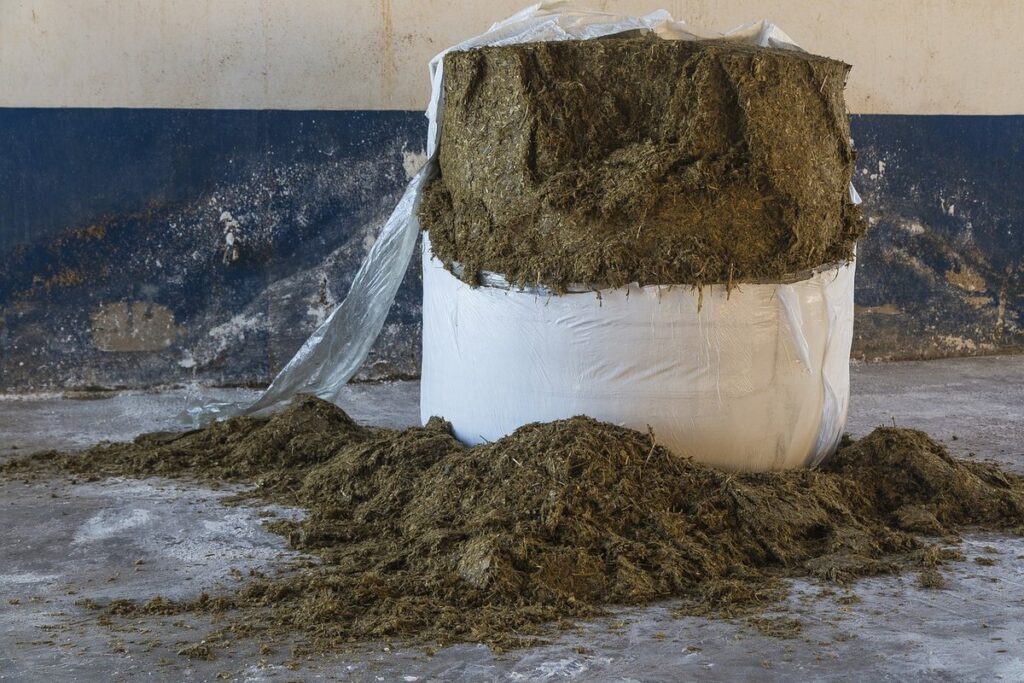
Hay, often made from legumes like alfalfa or clover, is another common feed option for beef cattle. It’s higher in protein and energy compared to grass but may be more expensive due to production costs. Silage, a fermented crop material, can also serve as a nutritious feed source, particularly during winter months when pasture growth slows.
Grain, typically made from corn or soybeans, is often used as a supplement or concentrate to boost energy levels in beef cattle. However, excessive grain consumption can lead to digestive issues and decreased immune function. To make the most of these feed options, producers should consider factors like nutritional content, palatability, and storage requirements when designing feeding strategies.
Producers can also explore alternative feed sources, such as byproducts from dairy or ethanol production. These options may provide a more cost-effective way to meet cattle nutritional needs while reducing waste and environmental impact.
Supplements and Additives for Optimal Performance
In addition to a balanced diet, beef cattle may benefit from supplements and additives to optimize their performance. Vitamins A, D, and E are essential for maintaining immune function, bone growth, and skin health. Mineral supplements, such as calcium and phosphorus, support strong bones and teeth development. However, over-supplementation can lead to toxicity and adverse effects.
Growth promoters like beta-agonists (e.g., ractopamine) increase feed efficiency and weight gain, but their use is heavily regulated in many countries due to concerns about animal welfare and human health implications. Probiotics, on the other hand, promote gut health by enhancing beneficial bacteria populations and reducing pathogens.
Some common additives include ionophores, which control internal parasites, and coccidiostats, which prevent coccidiosis infections. The choice of supplements and additives depends on factors like the breed, age, and production level of the cattle. For instance, young calves may require additional vitamin D to support bone growth, while lactating cows might benefit from energy-rich supplements to maintain milk production. Always consult with a veterinarian or qualified nutritionist to determine the best supplement plan for your beef cattle operation.
Health Management and Disease Prevention
Maintaining the health of your beef cattle is crucial for optimal productivity, so let’s discuss strategies for disease prevention and management to ensure a thriving herd. Effective health management can make all the difference in your operation’s success.
Common Health Issues Affecting Beef Cattle
Parasites are one of the most prevalent health issues affecting beef cattle. Internal parasites like nematodes and tapeworms can cause weight loss, reduced growth rates, and even death if left unchecked. External parasites such as ticks, lice, and flies also pose a significant threat to cattle health, causing discomfort, stress, and potential disease transmission.
Respiratory problems are another common issue, particularly in young or stressed animals. Pneumonia and other lung conditions can be triggered by factors like weather extremes, poor ventilation, or inadequate nutrition. Nutritional disorders, such as vitamin and mineral deficiencies, can also arise when cattle are fed suboptimal diets or have limited access to clean water.
In addition to these issues, beef cattle may also suffer from digestive problems caused by bacterial overgrowth or gut imbalances. These conditions can be exacerbated by factors like transportation stress, changes in feed, or inadequate manure management. Regular monitoring and proactive measures, such as vaccination programs and parasite control strategies, are essential for maintaining the health and well-being of beef cattle.
Vaccination and Parasite Control Strategies
A well-planned deworming program is essential for controlling internal parasites in beef cattle. Internal parasites can cause significant production losses and negatively impact animal welfare if left unchecked. Regular fecal egg counts (FECs) help identify parasite infestations, allowing you to implement targeted control measures. Fecal exams are typically performed every 2-4 weeks during the grazing season.
Vaccination protocols vary depending on factors like region, climate, and specific disease risks in your area. Consult with a veterinarian to determine the most effective vaccination schedule for your herd. Common vaccinations include those against respiratory diseases (e.g., BVDV, IBR), clostridial diseases (e.g., CDT), and viral diarrhea (e.g., rotavirus). Administering vaccines according to label instructions is crucial.
Here are some essential considerations when developing a parasite control strategy:
- Use anthelmintics strategically: Rotate dewormers regularly to minimize resistance development.
- Monitor for resistance: Regular FECs help track the effectiveness of dewormers and identify signs of resistance.
- Consider integrated parasite management (IPM) strategies, which combine multiple control methods like vaccination, deworming, and pasture management.
Breeding and Reproduction Management
To successfully breed and raise high-quality beef cattle, understanding their reproductive needs is crucial. This includes knowing how to select breeding stock, manage calving seasons, and ensure proper herd fertility.
Breeding Objectives and Selection Criteria
When establishing a beef cattle breeding program, it’s essential to define clear breeding objectives and selection criteria. This involves identifying the genetic traits and performance metrics that are crucial for your operation. For example, you may prioritize traits like muscling, marbling, or fertility depending on your market goals.
Key genetic traits to consider include growth rate, feed efficiency, and carcass quality. You’ll also want to evaluate the breed’s adaptability to your climate, disease resistance, and overall hardiness. Performance metrics such as weaning weight, yearling weight, and mature size can help you assess a bull or cow’s potential.
To apply this information in practice, consider the following steps:
- Identify your breeding goals: Determine what traits are most important for your operation based on market demand and production systems.
- Evaluate genetic diversity: Consider the breed’s genetic makeup and its implications for future selection decisions.
- Use objective measures: Rely on data-driven evaluations of performance metrics to inform your selection process.
By clearly defining breeding objectives and selection criteria, you can make informed decisions that drive the success of your beef cattle operation.
Artificial Insemination and Embryo Transfer Techniques
Artificial insemination (AI) is a widely used technique in beef cattle breeding programs. It involves collecting and handling semen from a selected sire, which is then used to breed females via natural mating or artificial means. This method allows for the introduction of desirable genetics without the need for transporting bulls across large distances.
When using AI, semen can be frozen or cooled to maintain viability during transport and storage. Frozen semen typically has a longer shelf life and can be stored for up to 10 years, while cooled semen is suitable for immediate use but requires more frequent handling to prevent degradation.
Embryo transfer (ET) is another advanced reproductive technology used in beef cattle breeding programs. This involves collecting embryos from donor females and transferring them into recipient females, often through laparoscopic surgery. ET allows breeders to introduce high-quality genetics while minimizing the need for artificial insemination.
In both AI and ET procedures, proper handling and storage of samples are crucial for maintaining reproductive efficiency and success rates. This includes following recommended protocols for thawing or cooling semen, as well as adhering to strict guidelines for embryo collection, transfer, and management.
Marketing and Financial Considerations
When it comes to raising beef cattle, understanding the financial implications is crucial, from initial investment costs to ongoing expenses and revenue potential. You’ll want to consider these key factors when making decisions about your operation.
Pricing and Market Trends for Beef Cattle
Market demand for beef cattle is influenced by a combination of factors, including consumer preferences, economic conditions, and global trade agreements. Consumer trends such as increasing awareness of animal welfare and environmental sustainability can drive up prices for grass-fed or regeneratively raised beef cattle. On the other hand, overproduction and market saturation can lead to decreased demand and lower prices.
Supply-side factors also play a crucial role in shaping beef cattle markets. Weather events like droughts or floods can impact feed availability and quality, affecting production costs and ultimately influencing market prices. Moreover, shifts in global trade policies can either open up new export opportunities for US beef producers or limit access to key markets.
To stay competitive, beef cattle producers should closely monitor market trends and adjust their pricing strategies accordingly. This may involve diversifying their product offerings to cater to different consumer segments or exploring alternative marketing channels. For instance, some producers have found success by selling direct-to-consumer through farm stands or online platforms, which can help maintain higher profit margins.
Producers should also be aware of current market prices for beef cattle in their region and adjust their pricing accordingly. A general rule of thumb is to price cattle at a premium when demand is high and at a discount when supply exceeds demand.
Financial Planning and Budgeting for Beef Cattle Operations
When establishing a beef cattle operation, it’s essential to create a comprehensive financial plan to manage startup costs, ongoing expenses, and projected revenue. A typical start-up cost for a small-scale beef cattle farm can range from $50,000 to $200,000, depending on the scale of production and initial herd size.
Initial investments include purchasing breeding stock, fencing, and infrastructure such as barns and corrals. Ongoing operating expenses include feed, veterinary care, labor costs, and equipment maintenance. You’ll need to budget for annual vaccinations, parasite control measures, and potential veterinary emergencies.
To ensure financial sustainability, develop a detailed revenue projection based on your operation’s expected production levels. This includes calculating the number of cattle you plan to sell annually, their average weight at market, and corresponding prices per pound. For example, if you’re projecting 100 head of cattle sold annually at an average price of $1.50 per pound, your total revenue would be approximately $150,000.
To accurately estimate startup costs and ongoing expenses, consider consulting with experienced industry professionals or using online financial planning tools specifically designed for beef cattle operations.
Frequently Asked Questions
What if I’m a small-scale farmer with limited resources – how can I still raise beef cattle sustainably?
Raising beef cattle on a small scale requires careful planning and management. Start by selecting breeds that are well-suited to your climate and resources, such as grass-fed or crossbred animals. Implement rotational grazing practices to maintain soil health and minimize the risk of disease transmission. Consider partnering with neighboring farmers or joining a local co-op to share resources and expertise.
Can I use existing pastureland for beef cattle production without compromising its fertility?
Yes, it is possible to use existing pastureland for beef cattle production while maintaining its fertility. Implement rotational grazing practices to allow land to rest and recover between grazings. Monitor soil health through regular testing and adjust your grazing schedule accordingly. Consider incorporating cover crops or legumes into your rotation to enhance soil fertility.
How do I determine the ideal stocking rate for my pastureland to avoid overgrazing?
Determining the ideal stocking rate requires assessing your pasture’s carrying capacity, which depends on factors such as climate, soil type, and vegetation density. Conduct a thorough assessment of your land, including measuring pasture size, vegetation density, and animal impact. Use this data to calculate an optimal stocking rate that balances animal needs with environmental sustainability.
Can I transition my existing grain-fed operation to a grass-fed system without significant losses in productivity?
Transitioning from a grain-fed to a grass-fed system requires careful planning and execution. Start by gradually introducing forages into your animal’s diet, monitoring their response and adjusting as needed. Consider consulting with an expert or joining a local co-op to access knowledge and resources specific to your region. Be prepared for potential short-term losses in productivity while animals adjust to the new feed.
What are some common mistakes beginners make when starting a beef cattle operation, and how can I avoid them?
Common mistakes include overstocking pastureland, inadequate nutrition planning, and poor health management. To avoid these pitfalls, start by carefully assessing your land, climate, and resources. Develop a comprehensive business plan that outlines goals, budgets, and production strategies. Consider seeking guidance from experienced operators or enrolling in workshops to gain hands-on training and knowledge.