
Corn prices can fluctuate wildly due to changing global production trends. Last year, for example, the US experienced a bumper crop that led to a sharp drop in corn prices. But this past spring’s severe drought had the opposite effect, causing prices to spike as farmers struggled to recover from the losses. Climate change is also playing a significant role in shaping corn yields and ultimately affecting market prices.
As you invest or trade in the corn market, it’s essential to understand how these factors interact with economic ones like government subsidies and trade agreements. These influences can make corn prices unpredictable and expose investors to unnecessary risk. This article will explore the intricate relationships between global production trends, climate change, and economic factors that shape the corn market. By the end of this piece, you’ll be able to identify hedging strategies to effectively manage your risk in the corn market and make more informed investment decisions.
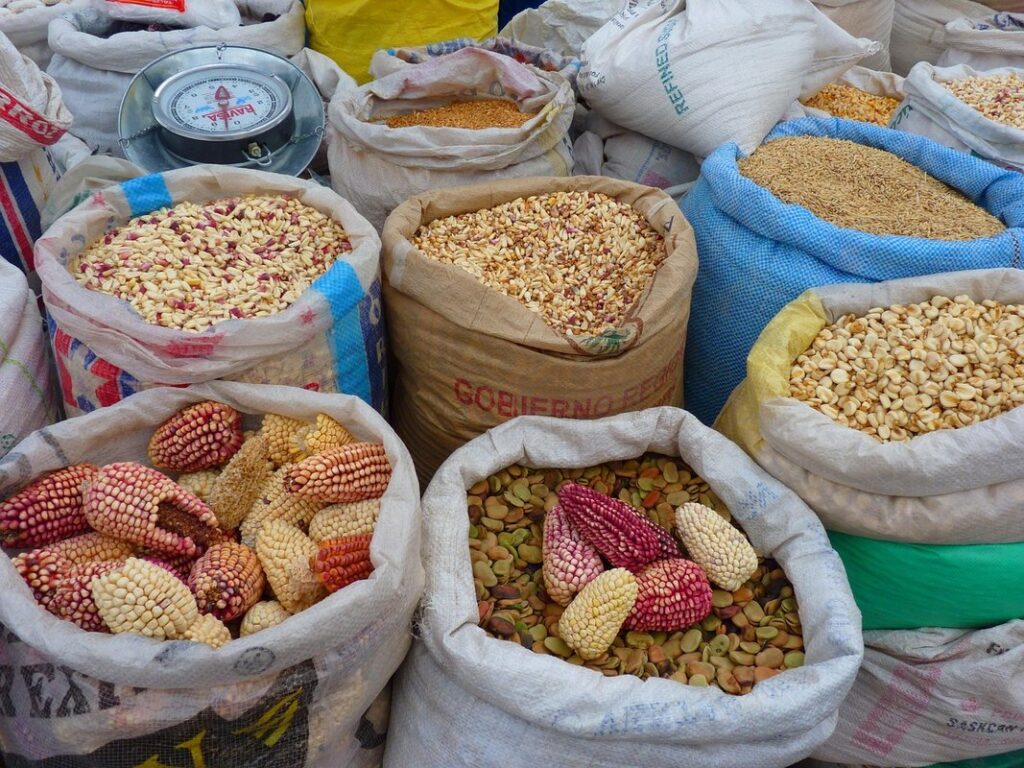
Overview of the Corn Market
The corn market is a complex and dynamic entity, influenced by various factors including weather conditions, government policies, and global demand trends. We’ll start by examining the key elements that shape this intricate market.
Global Production Trends
Global corn production trends are shaped by a combination of factors, including climate conditions, agricultural practices, and technological advancements. Weather events like droughts and floods can significantly impact yields, with some studies suggesting that a 1% change in rainfall can lead to a 2-3% change in corn yields. Additionally, temperature fluctuations can also affect pollination and kernel formation, resulting in lower production volumes.
Soil quality and fertility are equally crucial factors influencing global corn production trends. The use of fertilizers and pesticides has become widespread, but their overuse can have negative environmental consequences and reduce crop resilience to pests and diseases. In some regions, farmers are adopting sustainable practices like no-till farming and cover cropping to improve soil health and reduce chemical usage.
Regional variations in temperature, precipitation, and soil conditions also play a significant role in shaping global corn production trends. For instance, the Midwest region of the United States is known for its high corn yields due to its fertile soils and moderate climate. In contrast, countries with limited arable land like Japan often rely on imports to meet their domestic demand.
Major Exporting and Importing Countries
The top corn-exporting countries are the United States, Brazil, Argentina, China, and Ukraine. According to data from the Food and Agriculture Organization (FAO) of the United Nations, these five countries accounted for over 80% of global corn exports in 2020. The United States is by far the largest exporter, with major production regions including Iowa, Illinois, and Nebraska.
Major importing countries include Mexico, Japan, South Korea, Egypt, and Indonesia. These nations rely on imports to meet their corn requirements due to factors such as limited domestic production capacity or high demand for feedstock in the livestock industry. The United States-Mexico-Canada Agreement (USMCA) has also had a significant impact on trade flows between these countries.
Trade agreements like the USMCA can create opportunities for exporters but also introduce risks, such as retaliatory measures if tariffs are imposed. To mitigate this risk, companies may need to diversify their supply chains and identify alternative markets in case of disruptions.
Impact of Climate Change on Corn Yields
Climate change has a profound impact on corn yields worldwide. Rising temperatures lead to warmer summers and colder winters, disrupting the delicate balance of corn’s growth cycle. This can cause plants to mature too quickly, resulting in lower grain quality and reduced yields. Conversely, extreme heatwaves can damage crops during critical growth stages.
Droughts are another consequence of climate change that affects corn production. Prolonged drought conditions can lead to water scarcity, forcing farmers to rely on costly irrigation systems or abandon their fields altogether. In the United States, for example, the 2012 drought resulted in a significant decline in corn yields, impacting global supplies and prices.
Flooding is another major concern, as excessive rainfall can cause root rot and other diseases that devastate crops. The rising frequency of extreme weather events due to climate change exacerbates these issues, making it challenging for farmers to adapt and maintain stable yields. To mitigate this risk, some farmers are adopting more resilient crop varieties and implementing integrated pest management practices.
Factors Influencing Corn Prices
Weather patterns, government policies, and economic indicators all play a significant role in shaping corn prices. Understanding these factors is crucial for making informed investment decisions.
Weather-Related Risks
Weather-related risks such as droughts, floods, and heatwaves can have a significant impact on corn prices. When extreme weather conditions affect major corn-producing regions, it can lead to reduced yields and lower supply, causing prices to rise. This is particularly true for areas with intense heat or dry spells during critical growth periods.
Futures markets play a crucial role in mitigating the effects of weather-related risks. By trading futures contracts, farmers and investors can lock in prices for future deliveries, thereby hedging against potential price volatility caused by weather events. For example, if a farmer expects a drought to reduce corn yields in their region, they may sell futures contracts at current market prices to guarantee a minimum revenue.
In addition to futures markets, governments and agricultural organizations often provide subsidies or insurance programs to help farmers recover from weather-related losses. These measures can help stabilize supply chains and maintain price stability. However, the effectiveness of these programs depends on factors such as program design, implementation, and funding levels.
Global Economic Trends
Global economic trends have a profound impact on corn prices. GDP growth in major importing countries can significantly increase demand for corn-based products such as ethanol and livestock feed. For instance, when Brazil’s economy experienced rapid growth between 2005 and 2010, its demand for corn imports skyrocketed, driving up global corn prices.
Inflation rates also play a crucial role in shaping corn prices. When inflation is high, it often leads to currency fluctuations, making exports more expensive and reducing demand for imported corn. Conversely, low inflation can lead to lower interest rates, stimulating economic growth and increasing demand for corn-based products.
Currency fluctuations between major trading partners such as the US, Brazil, and China also impact corn prices. A strong dollar can make US corn more competitive in the global market, while a weak currency can make imports cheaper but also increase costs for domestic farmers and manufacturers. Understanding these global economic trends is essential for farmers, investors, and policymakers to accurately assess corn price dynamics and make informed decisions about supply and demand management.
Government Policies and Subsidies
Government policies and subsidies play a significant role in shaping corn prices by influencing production levels, trade flows, and market stability. Tariffs imposed on imported corn can limit competition from foreign suppliers, thereby increasing domestic prices. For instance, the US-China trade tensions led to the imposition of tariffs on Chinese imports, affecting global corn supply chains.
Quotas also affect corn trade, as they restrict the quantity of corn that can be exported or imported within a specific timeframe. The European Union’s Common Agricultural Policy (CAP) sets quotas for corn exports, which can impact prices and availability in other markets. To illustrate, the CAP’s quota system led to a surge in corn prices in the UK due to reduced imports from other EU countries.
In addition to tariffs and quotas, subsidies on corn production also influence market dynamics. Governments may offer subsidies to farmers to encourage corn production or to mitigate the impact of adverse weather conditions. However, such subsidies can distort market incentives, leading to overproduction and price volatility. The US government’s farm bill provides subsidies to corn farmers, which has been criticized for contributing to oversupply and downward pressure on prices.
Corn Price Volatility and Hedging Strategies
Corn price volatility can be unpredictable, making it crucial for market participants to understand hedging strategies that help mitigate risks associated with market fluctuations. Effective hedging can stabilize cash flow and ensure profitability.
Understanding Price Volatility
Price volatility in the corn market refers to significant and unpredictable price swings. Several factors contribute to these fluctuations, including weather-related events such as droughts, floods, and heatwaves. These disruptions can impact yields, leading to reduced supply and subsequently higher prices.
Market sentiment also plays a role in price volatility. Speculation about future demand or changes in global economic trends can drive up prices even if there are no underlying supply issues. Government policies and subsidies can influence production levels, while currency fluctuations can affect export costs and competitiveness.
Supply chain disruptions, such as logistical bottlenecks or infrastructure damage, can also lead to price increases. For example, a severe storm might damage critical transportation routes, limiting access to ports and storage facilities. This can create shortages and drive up prices further.
To put these risks into perspective, consider the 2012 US drought that reduced corn yields by over 20%. The resulting price spike was significant, with some buyers facing costs upwards of $8 per bushel. Understanding these factors is crucial for farmers and investors to develop effective hedging strategies and mitigate their exposure to price volatility.
Hedging Strategies for Farmers and Investors
To manage price volatility, farmers and investors can utilize various hedging strategies. Futures contracts are a popular choice, allowing them to buy or sell corn at a predetermined price on a specific date. This approach helps mitigate potential losses due to price fluctuations. Options contracts offer another layer of protection by giving the holder the right, but not the obligation, to buy or sell corn at a specified price.
Swaps are also used to hedge against price risks. These agreements involve exchanging one type of financial instrument for another, such as swapping a fixed interest rate for a floating rate. By doing so, farmers and investors can lock in prices and reduce exposure to market volatility. A key consideration when choosing between these hedging strategies is the cost of entry and potential returns on investment.
When implementing a hedging strategy, it’s essential to set clear goals and risk tolerance levels. This involves evaluating factors such as production costs, market trends, and storage capacity. By carefully considering these variables, farmers and investors can make informed decisions about which hedging approach best suits their needs.
Managing Risk with Diversification
Diversifying investments or crops is a crucial risk management strategy in the corn market. By spreading out their assets across various types of crops or investments, farmers and investors can reduce their exposure to price fluctuations. This means planting multiple crop varieties or investing in different agricultural products, such as soybeans or wheat.
For example, a farmer who typically grows corn might consider dedicating 20-30% of their land to soybeans. This allows them to benefit from the growing demand for protein-rich crops and reduces their reliance on corn prices. Similarly, an investor could diversify their portfolio by allocating a portion of their funds to other agricultural commodities or even non-agricultural assets.
When implementing a diversified strategy, it’s essential to consider factors such as crop maturity periods, water requirements, and pest resistance. This ensures that the crops are compatible with each other and with the existing farm infrastructure. By carefully selecting and combining different crops, farmers can minimize risks associated with weather-related events, pests, and diseases, ultimately reducing their exposure to corn market volatility.
Impact on Livestock and Biofuel Sectors
The corn market’s impact extends far beyond food production, influencing livestock feed supplies and biofuel production levels, which have significant economic implications for both industries. We’ll examine how these sectors are affected by corn market dynamics.
Effects on Livestock Feed Costs
Changes in corn prices have a direct impact on livestock feed costs, which can significantly affect meat production and prices. When corn prices rise, farmers must pay more for feed, leading to increased costs for raising cattle, pigs, and chickens. This cost is typically passed down the supply chain, resulting in higher prices for consumers.
For example, if the price of corn increases by 20%, a beef producer might need to spend an additional $0.50 per pound on feed. With millions of pounds of beef sold each year, this increase can add up quickly and impact profitability. Conversely, when corn prices fall, farmers can benefit from lower feed costs, allowing them to reduce their expenses and potentially pass the savings on to consumers.
The relationship between corn prices and livestock feed costs is closely tied to meat production cycles. For instance, during periods of high demand for beef or pork, producers may be forced to pay more for corn due to increased competition in the market. This can lead to higher meat prices at grocery stores.
Biofuel Production and Corn Requirements
Biofuel production has become a significant driver of corn demand. The rise of ethanol mandates in many countries has led to increased corn requirements for biofuel production. In the United States, for example, the Renewable Fuel Standard (RFS) sets a minimum amount of renewable fuels that must be blended into gasoline and diesel fuel each year.
As a result, corn prices have become closely tied to ethanol production levels. When ethanol demand is high, it can drive up corn prices due to increased competition for available supply. Conversely, when ethanol production slows down, corn prices tend to decline. This relationship highlights the importance of understanding the interplay between biofuel production and corn requirements.
To illustrate this point, consider a scenario where an increase in ethanol production leads to a surge in demand for corn-based feedstocks. In response, farmers may be incentivized to plant more corn acres, which can drive up corn prices due to increased supply constraints. Understanding these dynamics is crucial for both biofuel producers and corn market participants who need to manage their risk exposure to fluctuations in corn prices.
Emerging Trends and Future Outlook
As we look ahead, emerging trends and shifting global demand patterns will significantly impact corn market dynamics. We’ll examine these developments to see what they mean for future growth.
Sustainable Farming Practices
Sustainable farming practices are gaining traction in corn production as farmers and industry stakeholders seek to reduce environmental impact while maintaining crop yields. One notable trend is the adoption of regenerative agriculture methods, which prioritize soil health through techniques like no-till or reduced-till farming and cover cropping. This approach not only sequesters carbon but also enhances water retention, reducing irrigation needs.
Another emerging practice is integrated pest management (IPM), which combines physical, cultural, biological, and chemical controls to minimize chemical use. IPM involves monitoring crop health, using resistant varieties when available, and employing beneficial insects or microorganisms to control pests.
Some farms are experimenting with agroforestry, where corn is grown alongside trees that provide shade and improve soil quality. This approach can increase biodiversity and reduce erosion risks. The US Department of Agriculture (USDA) has been supporting research into sustainable agriculture practices through grants and initiatives.
Advances in Biotechnology and Genomics
Advances in biotechnology and genomics are poised to transform corn production by increasing yields and improving resistance to pests. One key area of research is gene editing using CRISPR technology, which allows scientists to selectively introduce desirable traits into corn crops without introducing foreign DNA. This could enable farmers to grow higher-yielding varieties with built-in resistance to diseases such as aflatoxin, a major issue in the global corn market.
Researchers are also exploring the use of genomics to develop corn varieties that can thrive under stressful conditions, such as drought or heat stress. By identifying specific genetic markers associated with these traits, scientists can breed new varieties that can adapt to changing environmental conditions. This has significant implications for farmers operating in regions prone to climate-related shocks.
Examples of successful applications include the development of drought-tolerant corn in Africa and heat-resistant corn in the US Midwest. These advances have the potential to boost global yields by 10-20%, which could help alleviate supply chain disruptions and price volatility in the corn market. As these technologies mature, farmers can expect to benefit from increased crop resilience and reduced reliance on chemical pesticides and fertilizers.
Global Trade Agreements and Market Shifts
Global trade agreements like the United States-Mexico-Canada Agreement (USMCA) and the European Union’s Common Agricultural Policy have significant implications for corn exports. Under the USMCA, for instance, Mexico agreed to maintain a tariff-free quota for U.S. corn imports, which could lead to increased demand from this major market. However, other agreements like the China-US Phase One trade deal may reduce dependence on American corn due to Chinese efforts to diversify its suppliers.
Meanwhile, changes in global consumption patterns are also driving shifts in the corn market. As consumers increasingly opt for sustainable and environmentally friendly products, countries with strong environmental regulations, such as the European Union, might see reduced demand for high-sulfur corn – a type often used in animal feed. Conversely, nations like Indonesia, which has set ambitious targets to reduce greenhouse gas emissions from agriculture, could experience rising demand for low-carbon footprint corn varieties.
Market participants should be aware of these potential shifts and adjust their strategies accordingly. This may involve diversifying supply chains or investing in research and development to meet emerging market needs.
Frequently Asked Questions
Can I implement hedging strategies without having extensive experience in futures markets?
Yes, many financial institutions offer hedging services that can be tailored to individual farmers or investors’ needs. These services typically include guidance on choosing the right hedging instruments and strategies for their specific risk management goals.
How do government policies and subsidies affect corn production costs in countries with different economic systems?
Government policies and subsidies can significantly impact corn production costs, but their effects vary depending on the country’s economic system. In general, subsidies tend to be more prevalent in developing economies, while developed economies often rely more on market-driven mechanisms.
What are some common mistakes farmers make when using hedging strategies, and how can they recover from them?
One common mistake is over-hedging, which can result in significant losses if the market moves against the farmer’s position. To recover from this, farmers can adjust their hedging strategy to reflect changing market conditions or consider diversifying their crops.
Is it possible for small-scale farmers to benefit from hedging strategies, or are they typically suited for large-scale operations?
Small-scale farmers can also benefit from hedging strategies, although they may need to adapt the strategies to fit their specific needs and risk profiles. Many financial institutions offer specialized services for small-scale farmers that take into account their unique circumstances.
When is it more effective to diversify investments or crops rather than using hedging strategies in the corn market?
Diversifying investments or crops can be a more effective risk management strategy when there are significant uncertainties or unmanageable risks involved. For example, if a farmer’s primary crop is heavily dependent on a specific weather pattern, diversifying into other crops or investment vehicles may provide better protection against losses.
Can I use hedging strategies to protect against price volatility in the corn market if I’m also considering biofuel production requirements?
While hedging strategies can help manage price volatility, they may not be directly applicable to biofuel production requirements. Farmers and investors should consider consulting with experts who understand both the corn market and biofuel industry to develop a comprehensive risk management strategy.
