
Determining the optimal time to harvest corn is crucial for maximizing yield and quality. A single week’s delay can significantly impact the sugar content, texture, and overall flavor of your crop. Factors such as climate, soil quality, and moisture levels all play a role in determining when your corn is ready to be harvested. Inconsistent weather patterns can make it even more challenging to determine the perfect time. You’ve probably noticed that different types of corn have varying maturation periods, which means each type requires specific care and attention during harvesting. This guide will walk you through the key factors to consider and provide a clear understanding of when to harvest corn for optimal results, enabling you to make informed decisions and achieve a bountiful harvest.
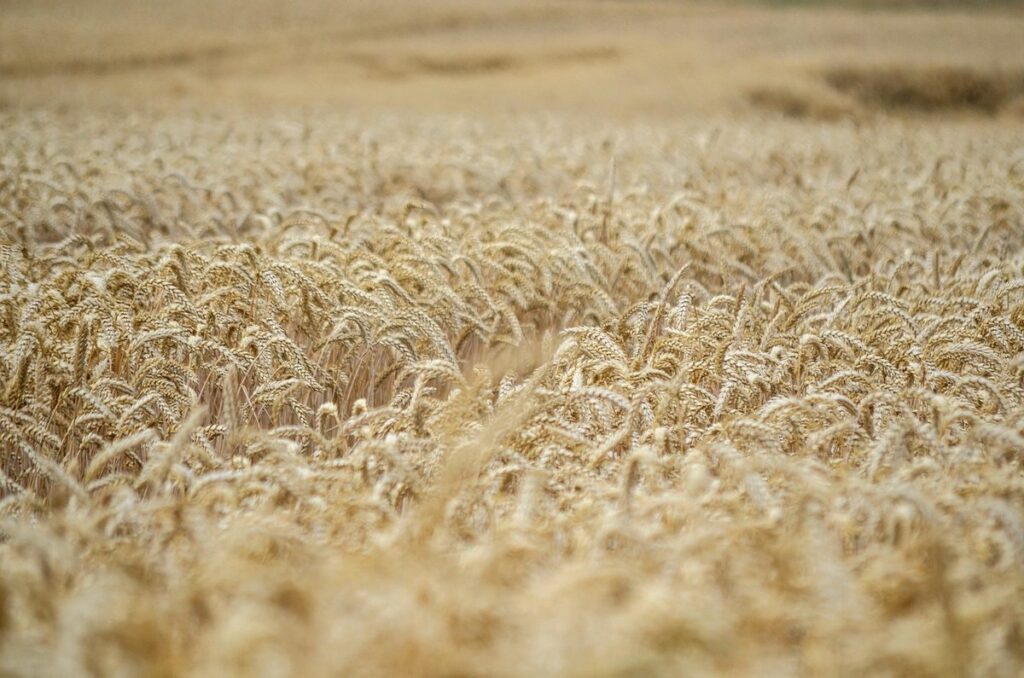
Understanding Corn Maturity
Understanding corn maturity is crucial for harvesting at the perfect time, and it all starts with knowing how to determine when your corn is ripe. Let’s take a closer look at what factors influence corn development.
Types of Corn and Their Maturation Periods
There are several types of corn, each with its own unique characteristics and maturation periods. Sweet corn, for example, is typically ready to harvest within 60 to 90 days after planting, when the kernels are fully formed and the juice is clear. Dent corn, on the other hand, takes around 100 to 120 days to mature, with the kernels becoming visible as a dent or depression in the ear.
Popcorn corn requires an even longer maturation period of about 110 to 130 days, during which time the kernels will turn from hard and dry to soft and pliable. This type of corn is ready to harvest when the kernels are fully matured and the husks are dry and brittle.
Understanding the specific maturation periods for each type of corn can help you plan your harvest more effectively. By knowing when to expect your corn to be ready, you’ll be able to time your harvesting activities accordingly and avoid missing the optimal window for maximum yield.
Factors Influencing Corn Maturity
Climate, soil quality, and moisture levels are critical factors influencing corn maturity. Temperature extremes can either hasten or delay maturation, with temperatures above 85°F (30°C) typically accelerating growth, while prolonged periods below 50°F (10°C) can slow it down. Soil pH affects nutrient availability, with optimal ranges between 6.0 and 7.0 for most corn varieties.
Moisture levels are particularly crucial, as excessive or inadequate water supply can impact maturation timing. Drought conditions often lead to premature drying, while excess moisture can promote fungal growth and reduce grain quality. In regions prone to drought, farmers may need to irrigate strategically to avoid delays in harvest.
Regional climate patterns also play a significant role. For example, areas with distinct wet-dry cycles, such as those experiencing monsoons or heavy rainfall events, may require adjusted planting schedules to accommodate these fluctuations. Understanding local climate trends can help inform optimal planting and harvesting times for specific corn varieties.
Determining Physiological Maturity
To determine when your corn is ready for harvest, you’ll need to assess its physiological maturity, which involves checking for specific signs of ripeness in the plant. Look closely at the kernels and leaves for these telltale indicators.
Observing Visual Cues for Harvest Time
As corn reaches physiological maturity, it exhibits distinct visual cues that signal harvest time. One of the most notable signs is a change in leaf color, typically from green to yellow, orange, or brown. This discoloration can start at the tip of the ear and progress downward, indicating the plant’s energy is being redirected towards grain fill.
Ear development is another critical indicator of maturity. A mature ear will have tightly packed kernels, with no gaps between them. The husk should be dry and brittle, rather than moist and pliable. In addition, the silk threads that connect the ear to the rest of the plant should turn brown or gray, signifying the completion of pollination.
Kernel hardening is a crucial visual cue, as it indicates the kernels have reached their full moisture content and are ready for harvest. A mature kernel will be firm to the touch, with no noticeable give when pressed. In contrast, immature kernels will feel soft and squishy. By observing these visual signs, farmers and gardeners can determine if their corn is physiologically mature, reducing the risk of over- or under-harvesting.
Measuring Moisture Content for Optimal Harvest
Measuring moisture content is a crucial step in determining optimal harvest timing. You can use hand-held meters to quickly and accurately measure the moisture level of individual ears of corn. These devices are simple to operate, and most models come with easy-to-follow instructions. Insert the probe into the ear of corn, taking care not to damage the kernel or stem. The meter will display a reading within seconds.
Alternatively, you can send samples of your corn to a lab for analysis. This method provides more detailed information about the moisture content, as well as other factors like protein and oil content. However, it requires more time and may incur additional costs.
When interpreting the results from either method, keep in mind that most commercial corn varieties are harvested at a moisture level between 20-25%. Harvesting too early can result in lower yields and reduced quality, while waiting too long can lead to spoilage and reduced revenue.
Understanding the Importance of Dry Matter
Dry matter, also known as the moisture-free weight of your corn, is a crucial factor to consider when deciding when to harvest. It’s essential to understand how dry matter affects the quality and stability of your crop.
The Role of Dry Matter in Corn Quality
Dry matter plays a crucial role in determining corn quality. High dry matter content is essential for achieving optimal grain yield and moisture content. When corn has high dry matter, it indicates that the plant has fully matured and has stored enough carbohydrates in its kernels. This reduces the risk of spoilage and mold growth during storage.
On the other hand, low dry matter can lead to poor quality grains that are prone to moisture-related issues. Insufficient dry matter also compromises the structural integrity of the grain, making it more susceptible to breakage during handling.
To put this into perspective, consider a corn crop with 25% moisture content and high dry matter levels. In contrast, a similar crop with low dry matter would likely have higher moisture levels, potentially exceeding safe storage limits. This highlights the importance of monitoring dry matter levels in addition to moisture content when determining harvest timing.
A good rule of thumb is to aim for a minimum of 35% dry matter content at the time of harvest. Achieving this level will help ensure that your corn crop meets quality standards and remains stable during storage.
How to Assess Dry Matter Content
To assess dry matter content accurately, you’ll need a reliable method. For small samples, you can use either a drying fan or a microwave oven. The drying fan method involves placing the sample on a flat surface and blowing air through it with a fan set to its lowest speed. This slow process typically takes several hours, so be patient. You’re aiming for a final moisture content of around 14% or less.
For quicker results, you can use a microwave oven. Cut small holes in a paper bag to allow steam to escape and place the sample inside. Heat on high for 30-second intervals, checking every interval until the desired moisture level is reached. Keep an eye on the sample’s temperature, as it should not exceed 140°F (60°C). This method can be more precise but requires caution.
When using either method, ensure accurate measurements by taking multiple readings and averaging them. Record your results alongside weather conditions, soil type, and other environmental factors to develop a better understanding of how these variables impact dry matter content in your specific growing conditions.
Timing Harvest for Maximum Yield
Timing is everything when it comes to harvesting corn, and getting it right can make all the difference in your yield. In this crucial phase, we’ll explore the ideal timing for a bountiful harvest.
Weather Considerations for Optimal Harvest Time
Temperature fluctuations can significantly impact corn quality and yield potential. Avoid harvesting during periods of extreme heat, as high temperatures can cause kernels to dry out and become brittle, reducing their market value. Similarly, prolonged exposure to cold temperatures can slow down the maturation process, leading to delayed harvests.
Precipitation is another crucial factor to consider when planning your harvest. Excessive rain or flooding can damage the crop, while drought conditions can stress the plants and reduce yields. Aim to harvest corn before any significant rainfall events, as wet kernels are more susceptible to mold and decay.
Wind is also a critical consideration, particularly in areas prone to strong gusts. High winds can cause stalks to topple over, leading to wasted labor and equipment damage. Schedule your harvest during periods of calm weather to minimize the risk of crop loss due to wind. Additionally, consider using techniques such as row covers or windbreaks to protect your crop from harsh weather conditions.
Equipment and Labor Planning for Efficient Harvest
Plan equipment usage carefully to ensure efficient harvest operations. Consider the size of your fields, soil conditions, and corn maturity rates when selecting machinery. For large areas, a combine harvester is ideal for its speed and efficiency. However, smaller plots may require a smaller, more maneuverable machine.
Determine labor needs based on field size and equipment usage. Assign tasks accordingly to maximize productivity without overburdening staff. Typically, 2-3 people are needed per acre of corn harvested using a combine harvester. For hand harvesting, the number of workers will depend on the specific method used (e.g., picking, cutting).
Create a schedule that balances labor and equipment usage to avoid bottlenecks and minimize losses. Consider factors like weather conditions, soil moisture, and potential mechanical issues when planning your harvest timeline.
To prepare for peak harvest periods:
- Check equipment regularly to ensure they’re in good working order.
- Maintain adequate fuel supplies and have a backup plan in case of emergencies.
- Train staff on operating machinery safely and efficiently.
By anticipating labor and equipment needs, you can streamline the harvest process and make the most of your resources.
Managing Post-Harvest Operations
Proper post-harvest management is crucial to maintaining corn quality and extending its shelf life, which we’ll cover next. We’ll walk through steps for handling, storing, and transporting your freshly harvested corn.
Storage and Handling Techniques for Corn
To maintain corn quality, proper storage and handling techniques are crucial. Aeration is essential to prevent moisture buildup, which can lead to mold growth and spoilage. Use fans or vents to circulate air and reduce humidity levels. Drying the corn further after harvest can also help control moisture content. Store dried corn in a well-ventilated area at a temperature below 60°F (15°C) to slow down respiration rates.
Pest control is another critical aspect of corn storage. Regularly inspect stored corn for signs of pests, such as insects or rodents. Use physical barriers like screens or fine mesh to prevent access and consider using natural deterrents like diatomaceous earth or essential oils. Keep the storage area clean and organized, with kernels stacked in a single layer to facilitate airflow.
When storing moisture-rich corn, it’s essential to prioritize drying. Aim for a moisture content of 15-20% to minimize spoilage risk. Consider investing in a grain dryer or using alternative methods like sun drying or artificial drying systems. Regularly monitoring temperature and humidity levels can help you make informed decisions about when to dry or store the corn.
For long-term storage, consider rotating kernels every few months to ensure even aging and prevent hotspots.
Strategies for Reducing Moisture Content
Reducing moisture content is crucial after harvest to prevent mold growth, spoilage, and degradation of corn quality. You can employ various methods to achieve this goal. Using dryers is a common approach, especially for large-scale operations. These machines quickly reduce moisture levels by blowing hot air through the grain. However, this method requires significant energy consumption and capital investment.
An alternative strategy involves storing the harvested corn in well-ventilated areas, allowing it to dry naturally over time. This method works best when weather conditions are favorable, such as during a dry spell or under a clear sky with gentle breeze. It’s essential to ensure adequate airflow and temperature control to speed up the drying process.
Another approach combines mechanical drying with natural air circulation. You can store corn in silos or bins that allow for good ventilation while also being equipped with fans to circulate hot air. This hybrid method balances efficiency with resource conservation. When choosing a strategy, consider factors such as your equipment capabilities, storage facilities, and local climate conditions.
Frequently Asked Questions
What happens if I harvest corn too early?
Yes, harvesting corn too early can result in significant losses due to immature kernels and reduced grain quality. This is because corn needs time to dry down to an optimal moisture level for storage and transportation. If you harvest too early, the kernels may still be high in moisture, leading to mold, rot, and decreased yield.
Can I use a single method to determine dry matter content across all my fields?
No, different soil types, climate conditions, and crop varieties can affect dry matter content. It’s essential to develop a field-specific approach by monitoring factors such as soil type, weather patterns, and crop growth stages to accurately assess dry matter content.
How do I handle moisture content fluctuations during harvest?
To minimize the impact of moisture content fluctuations, consider implementing a “harvest window” strategy. Monitor weather forecasts and adjust your harvesting schedule accordingly to avoid periods of high precipitation or humidity that can increase moisture levels. Additionally, use equipment with built-in drying capabilities to quickly reduce moisture content.
Is it possible to determine harvest timing solely based on visual cues?
While observing visual signs such as leaf color, ear development, and kernel hardening is essential for determining physiological maturity, it’s not the sole indicator of optimal harvest timing. Other factors like soil moisture, weather conditions, and equipment availability should also be considered when making a final decision.
What if I’m unable to measure moisture content using lab analysis or hand-held meters?
If you don’t have access to lab analysis or hand-held meters, consider using alternative methods such as drying a small sample in a microwave oven (using caution) to estimate moisture content. This can provide a rough estimate, but it’s essential to exercise caution when making decisions based on these types of estimates.
