
Harvesting corn at the right time is crucial for optimal yields and quality. If you’ve ever struggled to determine whether your corn is ready, you’re not alone. Climate, soil type, and crop health all play a significant role in deciding when to harvest corn. In areas with a hot and dry climate, corn may be ready earlier than in regions with cooler temperatures and ample moisture. Similarly, the type of soil can affect the growth rate of your corn. A healthy crop is also essential for producing high-quality ears.
This article will provide you with practical guidance on how to determine the perfect time to harvest corn. By considering these key factors, you’ll be able to ensure that your corn reaches its full potential and tastes as sweet as possible.
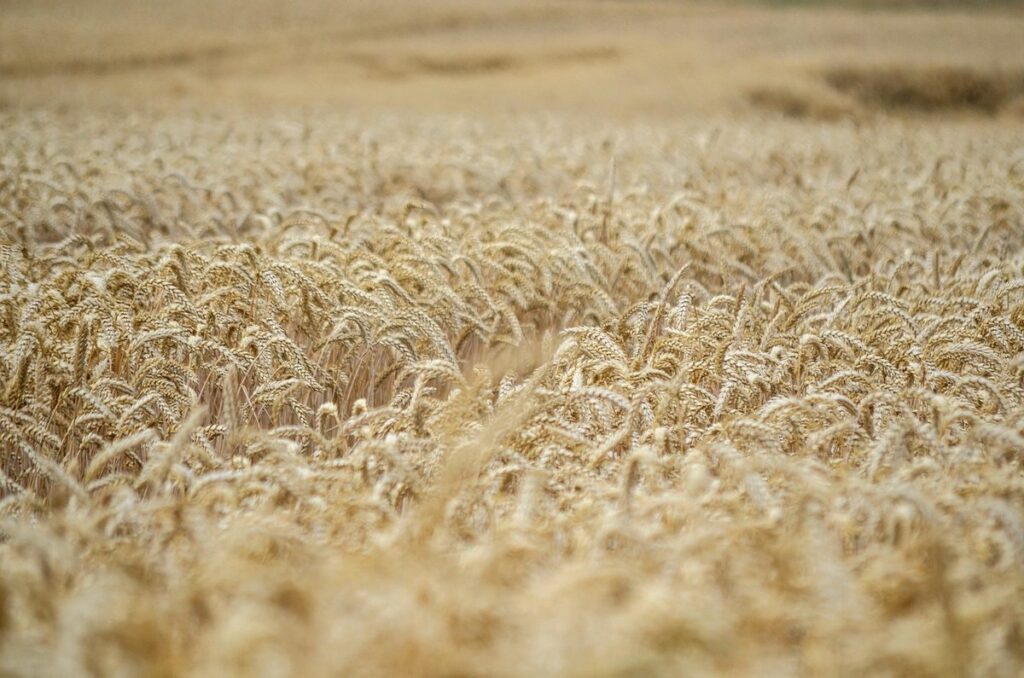
Understanding Corn Maturity
Corn maturity is a critical factor in determining when your corn is ready for harvest, and understanding it can make all the difference between a bountiful crop and one that’s left to rot. Learning about the various stages of corn growth will help you determine the perfect time to pick.
Determining Corn Maturity Date
The corn maturity date is a crucial piece of information when it comes to determining the optimal harvest time. This number represents the average days to maturity for a specific corn variety, and it can be found on the seed package or by consulting local climate conditions.
Check the seed package for this information, as it’s usually listed under the “days to maturity” label. This will give you an estimate of how many days it takes for the corn to reach full maturity in ideal growing conditions. However, local climate conditions can significantly impact the actual maturity date.
For example, a cooler spring or delayed summer frost can extend the growth period, while warmer temperatures and ample moisture can hasten maturity. To account for these variations, consult your local cooperative extension office or a trusted agricultural resource to determine the average days to maturity for your area based on the specific climate conditions.
Keep in mind that even within a given region, microclimates can affect corn maturity. Factors such as soil type, elevation, and proximity to bodies of water can influence the growth rate and ultimate maturity date.
Checking for Visual Signs of Maturity
Check the ears of corn regularly for signs of maturity. One key indicator is kernel filling: as corn approaches harvest time, kernels should be plump and well-filled out, with no visible empty space between them. In contrast, immature kernels will appear small or shriveled.
Another visual cue is the drying silk. As the ear matures, the silks that protrude from the top will begin to dry up and turn brown. This process usually starts at the base of the ear and works its way upwards, so you can estimate how much longer it’ll be before they’re completely dry.
The husk itself also changes color as corn approaches maturity: typically, a mature ear has a light brown or tan-colored husk that’s slightly papery to the touch. Avoid ears with tightly closed husks, which may indicate immaturity. For example, if you’re growing sweet corn varieties, look for husks that are dry and brittle rather than still green and tightly wrapped around the ear. This will help you determine when your crop is ready for harvest.
Using Tools to Determine Harvest Time
Knowing when to harvest corn can be a bit tricky, which is why we’ll explore how various tools help you determine if your ears are ready for picking. Let’s take a look at some of these useful gadgets.
Hydrometer Test
A hydrometer test is a precise method for determining when corn is ready to harvest. This tool measures the specific gravity of the kernel, providing an accurate indication of its moisture content and maturity level.
To perform the hydrometer test, you’ll need a hydrometer specifically designed for measuring grain or seed density. Fill a container with water and carefully submerge the hydrometer into it. The device will float to a certain level, which corresponds to a specific gravity reading. You then take a sample of corn kernels from the ear and fill a separate container with water. Carefully add the kernels to the water and record the new floating position of the hydrometer.
The key is to compare the two readings: the initial floating position (which represents the pure water level) and the second position after adding the kernels. The difference in levels indicates the specific gravity of the corn kernel, which should reach a certain threshold when it’s ready for harvest. Typically, this reading ranges from 1.35 to 1.40 for mature corn. If the reading falls within this range, you can proceed with harvesting your corn crop.
Moisture Content Testing
To accurately determine if corn is dry enough for harvesting, farmers can perform moisture content testing. This involves measuring the amount of water present within the corn kernels. A common method used to measure moisture content is through a device called a grain moisture tester, which provides an instant reading on the percentage of moisture in the sample.
Moisture levels are critical when it comes to determining harvest time. If the moisture level is too high, the corn will not dry properly during storage and may spoil or rot before it can be processed for market. Conversely, if the moisture content is too low, the corn may crack or shatter, reducing its quality.
The American Society of Agricultural Engineers recommends that corn be harvested at a moisture level of between 20-30%. This allows for optimal drying during storage without compromising grain quality. Farmers can use a grain moisture tester to ensure their corn meets this threshold before harvesting. Regular testing throughout the growing season helps farmers stay on top of moisture levels and plan accordingly, ultimately reducing crop losses due to spoilage or other issues related to high moisture content.
Climate and Weather Considerations
When growing corn, understanding how climate and weather conditions affect its development is crucial for determining when to harvest. This means being aware of temperature fluctuations, precipitation patterns, and potential weather-related stressors on your crop.
Effects of Drought on Corn Harvest
Drought can cause uneven maturation and reduced yields. This is particularly concerning during corn harvests, as drought-stressed plants may not reach full maturity before being harvested. As a result, kernels may be underdeveloped or shriveled, affecting the overall quality of the crop.
In severe cases, drought can lead to kernel abortion, where immature kernels drop off the plant altogether. This can reduce yields by up to 50% in some instances. Farmers should therefore monitor weather conditions closely and take prompt action if drought is forecasted for their area.
If a drought occurs during the critical pollination or ear-filling stages, it’s essential to assess crop damage before harvesting. Check for signs of stress, such as yellowing leaves or wilted stalks, which may indicate that the plant has not reached optimal maturity. In areas where drought is common, farmers can also consider planting drought-tolerant corn varieties, which are bred to perform better under water-stressed conditions.
Keep in mind that even after a drought ends, it may take several weeks for plants to recover and produce mature kernels. Farmers should plan accordingly and adjust their harvesting schedule to avoid bringing in subpar crops.
Impact of Excessive Rainfall on Corn Harvest
Excessive rainfall can lead to mold, rot, and other issues that affect harvest quality. When corn is exposed to prolonged periods of wet conditions, it becomes more susceptible to fungal diseases like ear rot and stalk rot. These diseases can spread quickly through the field, causing significant damage to the crop.
The impact of excessive rainfall on corn harvest can be severe. Waterlogged soil can cause roots to rot, leading to a decline in plant vigor and eventual death. Moreover, excess moisture can also lead to a decrease in grain quality, making it unsuitable for human consumption or livestock feed.
Farmers should monitor weather forecasts closely during periods of heavy rainfall. If possible, they should consider harvesting corn before the next rain event is predicted. This will help minimize losses due to water-related issues. Regularly inspecting the crop for signs of disease and taking prompt action can also prevent widespread damage.
Soil and Crop Management Factors
Soil quality, crop rotation, and nutrient management all play a crucial role in determining when to harvest corn, as they affect its maturity and ripeness. Understanding these factors is essential for optimal yields.
Soil Type and Corn Maturity
Corn maturity is influenced by various factors, including soil type. Different soils have unique properties that affect how moisture is retained and released. Clay soils, for instance, tend to retain more moisture than sandy soils due to their dense particle structure. This can lead to delayed maturity in corn plants grown on clay-rich soils.
In contrast, sandy soils drain quickly, causing the corn to mature more rapidly. Silt loams, a mix of sand and silt particles, fall somewhere in between, with moderate water retention capabilities. Understanding your soil type is crucial for accurately predicting corn maturity rates.
To account for these differences, farmers can adjust their planting schedules based on local soil conditions. In regions with clay soils, it may be beneficial to plant corn varieties that mature more quickly or have improved drought tolerance. Conversely, in areas with sandy soils, earlier-maturing varieties might not yield the best results due to potential dry spells.
When managing corn crops, consider your specific soil type and how it will impact maturity rates. This knowledge can help you make informed decisions about planting schedules, crop selection, and harvest timing.
Fertilizer Application and Corn Harvest
Applying too much fertilizer can lead to excessive growth, which can make harvesting more difficult. This is particularly true for corn, as over-fertilization can cause stalks to grow longer and thicker, making them harder to reach when it’s time to harvest.
When planning fertilizer applications, consider the nitrogen content in particular. While nitrogen is essential for healthy plant growth, excessive amounts can lead to weak stalks that are more prone to lodging – a condition where the plant collapses or breaks under its own weight. This can make harvesting even more challenging.
In general, it’s best to follow recommended fertilizer application rates and timing. These guidelines take into account factors like soil type, crop variety, and local climate conditions. Be sure to also consider the specific needs of your corn crop at different growth stages. For example, you may need to adjust fertilizer applications based on whether your corn is in the vegetative or reproductive stage.
A balanced approach to fertilizer application will help promote healthy plant growth without sacrificing harvestability. This might involve splitting fertilizer applications into multiple doses, rather than applying everything at once.
Advanced Techniques for Determining Harvest Time
For more experienced growers, determining harvest time involves assessing factors beyond just kernel maturity, such as moisture levels and potential weather risks. You’ll want to learn how to use these subtle signs to make an informed decision.
Using Technology to Monitor Crop Health
Using technology such as drones or satellite imaging can provide valuable insights into crop health, helping farmers determine the optimal harvest time. Drones equipped with high-resolution cameras can capture detailed images of corn fields, allowing for the detection of early signs of stress, disease, or pests. This information can be used to identify areas that require attention and implement targeted interventions.
Satellite imaging offers a broader perspective on crop health, providing data on temperature, moisture levels, and growth patterns across entire fields or even entire regions. This information can be used to monitor crop development, detect anomalies, and make informed decisions about when to harvest.
Some popular options for satellite-based crop monitoring include services like Planet Labs’ satellite imaging platform and FieldView’s precision agriculture software. These tools can help farmers identify areas with high moisture levels, which may indicate readiness for harvest. By leveraging these technologies, farmers can reduce the risk of over- or under-harvesting and ensure a more efficient and profitable corn harvest. Regularly monitoring crop health through technology can lead to improved yields and better decision-making.
Analyzing Historical Data for Optimal Harvest Timing
Analyzing historical data on weather patterns and soil conditions can provide valuable insights into determining optimal harvest timing. By examining past trends and patterns, farmers can identify the most favorable periods for harvesting corn in their specific area. For instance, if a farmer’s records show that heavy rainfall typically occurs during late summer, they may plan to harvest their corn before this period to avoid moisture-related issues.
To analyze historical data effectively, farmers should start by gathering relevant information on weather patterns and soil conditions over several years. This can include temperature and precipitation records, as well as data on soil moisture levels. They can then use this information to identify the optimal harvest timing based on their specific climate and soil type.
A simple approach is to create a table or chart showing the average weather conditions for each week of the growing season. For example:
- Average high temperature
- Total precipitation
- Soil moisture level
By reviewing these trends, farmers can determine when the ideal conditions for harvesting corn exist in their area, taking into account factors such as soil type and climate variability. This data-driven approach can help farmers make informed decisions about harvest timing, reducing the risk of crop damage or yield loss due to adverse weather conditions.
Final Preparations Before Harvest
Now that you’ve determined the right time to harvest your corn, it’s essential to prepare for a successful harvest by checking on your corn’s moisture level and preparing your equipment.
Equipment Maintenance and Repair
Regularly inspecting and maintaining equipment is essential to prevent breakdowns during the harvest season. Check the condition of tractors, combines, and other machinery used for corn harvesting. Look for worn-out parts, damaged tires, and malfunctioning systems that could cause delays or even damage crops.
Inspect belts, chains, and hoses for signs of wear, and replace them if necessary. Ensure that all hydraulic systems are functioning correctly to avoid equipment failure during operation. Regular maintenance tasks also include cleaning filters, checking fluid levels, and tightening loose connections.
Make a checklist of essential items to inspect before each harvest season. This includes oil changes, filter replacements, and tire pressure checks. Consider having a spare set of parts on hand in case of emergencies. Schedule routine maintenance appointments with equipment suppliers or mechanics to stay on top of servicing needs.
Additionally, take time to practice operating new or unfamiliar equipment to build confidence and proficiency. The more comfortable you are with your machinery, the smoother the harvest process will be. By investing time and effort into equipment maintenance and repair, you’ll minimize downtime and maximize your corn yield.
Developing a Harvest Plan
Developing a harvest plan is crucial to ensure a smooth and efficient corn harvesting process. Start by scheduling the harvest based on your crop’s maturity date, weather conditions, and soil type. Consider the equipment you’ll need, including tractors, combines, and grain carts, and make sure they’re in good working condition. Regular maintenance and repairs should be done before the harvest season to avoid any last-minute issues.
Identify a suitable time for harvesting each field, taking into account factors like soil moisture, temperature, and wind direction. You can also create a rotation plan to ensure even distribution of workload among equipment operators. Consider dividing larger fields into smaller sections to facilitate easier navigation with heavy machinery.
It’s essential to have a clear plan in place for handling harvested corn, including storage facilities, drying equipment, and transportation arrangements. This will help prevent spoilage and ensure timely delivery to buyers or further processing facilities. A well-organized harvest plan also enables you to adapt quickly to changing weather conditions or unexpected setbacks.
Frequently Asked Questions
What If I Missed the Optimal Harvest Time? Can I Still Get a Good Yield?
Yes, it’s still possible to get a good yield even if you miss the optimal harvest time. However, the quality of the corn may be affected, and yields might be reduced. To minimize losses, consider harvesting as soon as possible after missing the optimal date.
How Do I Adapt Harvest Planning for Unpredictable Weather Conditions?
When dealing with unpredictable weather conditions, it’s essential to stay flexible with your harvest plan. Consider having a backup plan in place, such as alternative equipment or storage facilities, and be prepared to adjust your schedule accordingly.
Can I Use the Same Harvesting Equipment for Different Corn Varieties?
While similar corn varieties can share some equipment, using the same harvesting equipment for significantly different varieties may lead to reduced efficiency or damage. Consider investing in specialized equipment or modifying existing gear to accommodate specific needs.
What If My Soil Type is Not Ideal for Corn? Are There Any Workarounds?
Yes, there are workarounds if your soil type is not ideal for corn. You can try using cover crops or crop rotation to improve soil health and structure. Additionally, consider consulting with a local expert or agronomist for specific advice tailored to your region’s conditions.
How Do I Store Corn That’s Been Harvested Out of Season?
Proper storage is crucial when harvesting out of season. Store the corn in a dry, well-ventilated area, away from direct sunlight and moisture. Consider using bins with built-in ventilation systems or covering the stored corn to maintain humidity levels and prevent spoilage.
