If you’re looking to raise chickens that are not only delicious but also gentle on the environment, you’ve likely heard of Green Queen chicken. These birds have gained popularity in recent years due to their impressive list of benefits for both farmers and the planet. Not only do they thrive in a variety of climates, producing high-quality eggs with minimal feed requirements, but they’re also known for their friendly and docile nature, making them an excellent choice for backyard flocks. By integrating Green Queen chickens into your homestead or farm, you can enjoy improved animal welfare while reducing your environmental footprint. In this comprehensive guide, we’ll explore the benefits of raising Green Queen chicken, from their eco-friendly characteristics to their positive impact on farm ecosystems, and provide a step-by-step introduction to getting started with these sustainable birds.
Understanding the Concept of Green Queen Chicken
Green Queen chicken is a unique breed known for its exceptional foraging abilities and environmentally friendly characteristics. Let’s explore what makes this bird so special from a sustainability standpoint.
What is Green Queen Chicken?
Green Queen Chicken is a revolutionary approach to sustainable poultry raising. At its core, it’s about reimagining traditional chicken farming practices to prioritize animal welfare, environmental stewardship, and community engagement. The concept emerged from the convergence of several key factors: the growing interest in local food systems, concerns over industrial agriculture’s impact on ecosystems, and a desire for more humane treatment of farm animals.
The green queen movement seeks to redefine what it means to be a “good” chicken farmer by emphasizing regenerative practices that enhance soil health, conserve water, and promote biodiversity. This involves adopting holistic management strategies that address the complex relationships between chickens, their environment, and human well-being. By adopting these principles, farmers can not only improve their operations’ ecological footprint but also create more resilient and adaptive systems that better withstand climate change.
Green Queen Chicken farms are characterized by their focus on rotational grazing, composting, and integrating diverse plant species to create thriving agroecosystems. These integrated approaches foster a deeper understanding of the intricate relationships between animals, soil, water, and air, leading to healthier birds, improved yields, and more sustainable long-term outcomes. By embracing this approach, farmers can join a growing community of innovators working towards a more regenerative and equitable food system.
Benefits of Raising Green Queen Chickens
Raising green queen chickens offers a multitude of benefits for both the environment and animal welfare. For one, these birds are designed to thrive in free-range conditions, reducing the need for confinement and promoting natural behavior. This approach not only enhances their well-being but also decreases reliance on intensive farming methods that can harm ecosystems.
In terms of environmental impact, green queen chickens contribute to reduced greenhouse gas emissions by allowing them to forage and exercise freely outdoors. They also help maintain soil health through their natural scratching and fertilization habits. By integrating these birds into your homestead or farm, you’ll be creating a more balanced and biodiverse ecosystem.
Another significant advantage of raising green queen chickens lies in their improved disease resistance. Their robust immune systems result from the careful selection process used to breed them for optimal health and resilience. This means fewer medications are needed, reducing chemical use and promoting healthier living conditions for both humans and animals alike.
History and Evolution of Green Queen Chicken
The history of Green Queen chicken is a fascinating tale that spans centuries, influenced by traditional farming practices and innovative breeding techniques. Let’s take a step back to explore its evolution over time.
Origins of the Green Queen Movement
The green queen chicken movement originated on small-scale farms and homesteads, where farmers sought to raise healthier, more resilient birds. One of the key figures in the early adoption of green queen chickens was a group of pioneering farmers who began experimenting with regenerative agriculture practices in the 1990s. They were drawn to the breed’s robust constitution and ability to thrive on diverse forage systems.
These early adopters recognized the potential benefits of raising green queens, including improved egg quality, increased fertility, and enhanced disease resistance. By adopting sustainable practices such as rotational grazing and permaculture principles, they were able to create thriving ecosystems that supported the health and well-being of their birds. As word of these successes spread, other farmers began to take notice and start incorporating green queen chickens into their operations.
In the early 2000s, a small but dedicated community of green queen chicken enthusiasts emerged, sharing knowledge and best practices through online forums and regional workshops. This grassroots movement laid the foundation for the widespread adoption of green queen chickens that followed in subsequent years.
Key Milestones in the Development of Green Queen Chicken
The development of Green Queen chickens was marked by several key milestones. One significant event was the publication of a landmark study in 2015, which highlighted the environmental benefits of raising heritage breeds like the Green Queen. The research demonstrated that these birds required less feed and water than commercial strains, making them an attractive option for sustainable poultry farmers.
In 2018, a group of forward-thinking producers launched the “Green Queen Revival” initiative, aiming to re-establish this breed in the marketplace. This effort included breeding programs, marketing campaigns, and educational workshops, which helped raise awareness about the benefits of Green Queen chickens.
Around the same time, regulatory changes in several countries began to favor small-scale, pasture-raised poultry operations like those that use Green Queen chickens. These policies enabled farmers to focus on producing high-quality, humanely raised birds while also promoting local food systems and reducing environmental impact.
These developments collectively contributed to a surge in interest and demand for Green Queen chickens. Today, many producers are incorporating these birds into their operations, citing improved welfare standards, enhanced biodiversity, and greater consumer satisfaction as key benefits.
Characteristics and Traits of Green Queen Chickens
Green Queen chickens are known for their unique characteristics, which make them an ideal choice for backyard flock owners who prioritize sustainability. Here’s what sets these birds apart from other breeds.
Physical Characteristics
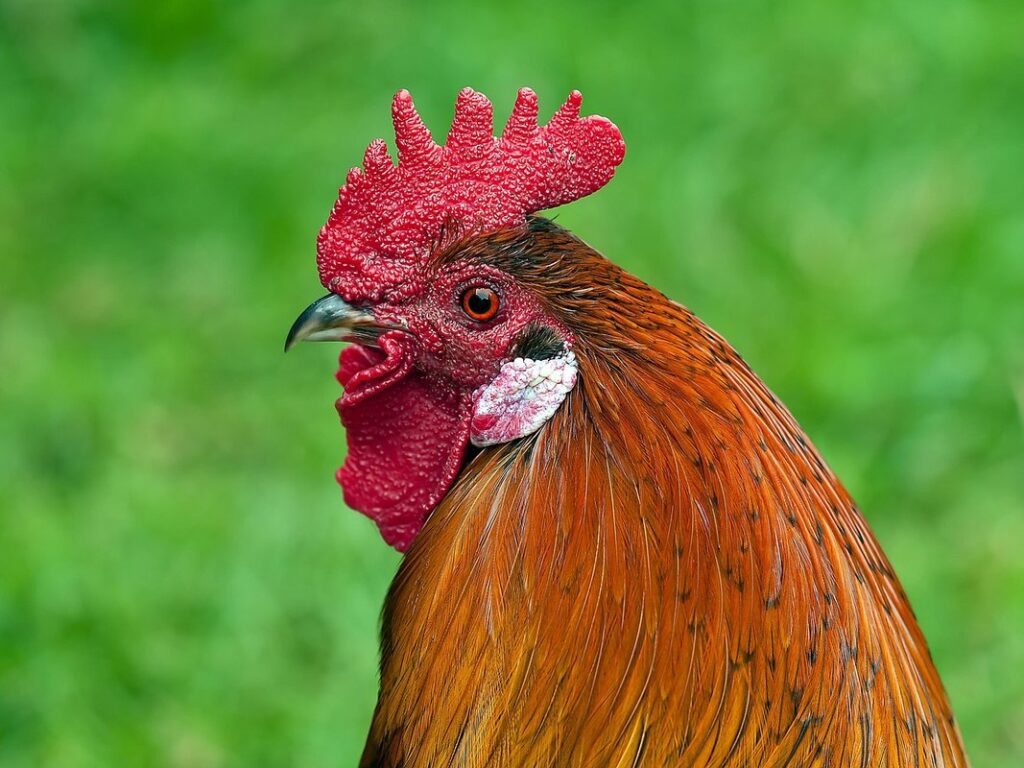
Green Queen chickens are a distinct breed known for their striking appearance. In terms of plumage, they have a mix of green and copper sheens on their feathers, with a predominantly black base color. This unique coloration is the result of specific genetic traits that distinguish them from other breeds. On average, Green Queen hens weigh around 4-5 pounds (1.8-2.3 kg) and measure about 18-20 inches (45-50 cm) in height.
Their size and weight make them well-suited for backyard flocks or small-scale farms. One notable feature of Green Queen chickens is their compact, sturdy build, which enables them to thrive in a variety of environments. When it comes to temperament, Green Queens are often described as friendly and docile, making them an excellent choice for families with children or for beginners in poultry raising.
Some breeders also report that Green Queen roosters can be quite vocal, while hens tend to be quieter. Overall, their physical characteristics and temperaments make them a popular choice among those seeking sustainable, low-maintenance poultry options.
Behavior and Temperament
Green Queen chickens are known for their docile nature, making them an excellent choice for backyard flocks and small-scale farms. They are often described as calm and gentle, which is a departure from some other breeds that can be more assertive or aggressive. This temperament is not only beneficial for handling and care but also makes them a great fit for families with children.
Another notable behavior associated with Green Queen chickens is their strong foraging ability. These birds are naturally inclined to search for food and will often scratch and peck at the ground in pursuit of insects, seeds, and other edible items. This trait not only reduces the need for commercial feed but also allows them to thrive on a diverse diet that includes both plants and insects.
In terms of specific characteristics, Green Queen chickens are often described as having a moderate level of activity, which means they require regular exercise and mental stimulation to stay healthy and happy. They are also known to be relatively quiet birds, with a low-pitched cluck that is less likely to disturb neighbors or other animals on the property.
Health and Nutrition Considerations
When raising Green Queen chickens, ensuring their health and nutrition is essential for optimal performance and longevity, which we’ll explore further below. We’ll cover key considerations to prioritize your flock’s well-being.
Nutritional Requirements
Green Queen chickens require a balanced diet rich in protein and fiber to maintain optimal health. A mix of 15-20% protein feed is essential for their growth and development. Layer feed can be used, but it’s crucial to ensure the calcium content is sufficient to support strong eggshell production. Supplementing with crushed oyster shells or dark leafy greens like kale and spinach can help meet this requirement.
In addition to a balanced commercial feed, incorporating fresh fruits and vegetables into their diet can provide essential vitamins and minerals. However, it’s vital to introduce new foods gradually to prevent digestive upset. A general rule of thumb is to allocate 10-20% of the daily ration as treats or supplements. Some recommended treats include mealworms, sunflower seeds, and chopped apples.
It’s also important to consider the environmental impact of their feed choices. Opting for locally sourced, organic feeds can reduce carbon emissions associated with transportation and support sustainable agriculture practices. A small minority of farmers may choose to raise their Green Queen chickens on pasture or using mobile chicken coops, which can further minimize environmental footprint by reducing reliance on commercial feed.
Health Benefits and Disease Prevention
Green Queen chickens have a genetic makeup that makes them less prone to certain diseases. Their robust immune system is attributed to their heritage, which includes breeds known for their natural resistance to common poultry illnesses. For instance, the Marans and Barnevelder breeds, both part of the Green Queen lineage, have been observed to be resistant to Marek’s disease, a viral condition that affects many commercial chicken flocks.
In addition to their genetic predisposition, Green Queen chickens also benefit from their environmental factors. Raised on pasture or in free-range systems, they are exposed to diverse bacteria and microorganisms that help stimulate their immune system. This exposure is essential for developing a strong gut microbiome, which plays a crucial role in disease prevention.
To replicate these conditions on your own farm or homestead, consider providing your Green Queen chickens with access to the outdoors and a varied diet. Supplementing their feed with probiotics can also support their digestive health and immune function. By understanding the unique characteristics of Green Queen chickens and implementing supportive husbandry practices, you can help minimize disease risk and promote overall well-being in your flock.
Raising Green Queen Chickens: Best Practices and Tips
When it comes to raising healthy and thriving Green Queen chickens, proper care and management are crucial. We’ll cover essential best practices for feeding, housing, and breeding these wonderful birds.
Housing and Equipment Requirements
When it comes to providing suitable housing for green queen chickens, a well-designed coop is essential. The ideal coop size will depend on the number of birds you plan to keep, but a good rule of thumb is to provide at least 3-4 square feet per bird inside the coop, and 8-10 square feet in the run. Consider using natural materials like reclaimed wood or bamboo for the coop’s frame, and opt for a sloping roof to ensure water runs off easily.
Aim for a coop with good ventilation, windows on opposite sides for cross-ventilation, and a door that can be securely locked. Green queen chickens are active birds and will appreciate an enclosed run where they can exercise safely. The run should be at least 2 feet high to prevent jumping escape attempts. You’ll also need to provide a nesting box per 3-4 hens, with a minimum size of 12 inches wide by 12 inches deep.
In terms of equipment, you’ll need feeding and watering systems that can be easily cleaned and maintained. A simple trough-style feeder is effective, while a hanging feeder can help reduce waste. For water, consider installing a nipple drinker or a gravity-fed system to minimize mess and prevent contamination.
Feed and Nutrition Management
Green Queen chickens have distinct nutritional requirements due to their heritage as a cross between hardy and gentle breeds. They need access to a balanced mix of grains, fruits, and vegetables to thrive. To ensure proper nutrition, consider implementing a layer feed that’s formulated specifically for egg-laying hens. This type of feed typically contains around 16-18% protein, which is higher than what starter or grower feeds provide.
In addition to commercial layer feed, supplement your flock with fresh produce like leafy greens, carrots, and sweet potatoes. Rotate these offerings seasonally to avoid over-reliance on any one resource. A small minority of owners opt for a “deep litter” method where they add a thick layer of organic material (like straw or wood shavings) to their coop’s floor. This allows for some decomposition and nutrient cycling, but it demands regular maintenance.
For optimal health, provide clean water at all times, with multiple sources in case one becomes contaminated. Monitor your flock’s feed intake and adjust as needed to prevent overfeeding or underfeeding.
Integrating Green Queen Chickens into Your Homestead or Farm
If you’re ready to take your homesteading or farming operation to the next level, integrating Green Queen chickens is a great place to start. This section will cover essential tips for successfully incorporating these birds into your existing setup.
Planning and Preparation
Before introducing green queen chickens to your homestead or farm, it’s essential to assess your resources and infrastructure. Start by evaluating the size of your land, including the amount of space you have available for chicken housing and movement. Consider the number of birds you plan to keep and ensure you have enough room for them to roam freely.
Next, inspect your existing fencing and enclosures to determine if they are sturdy enough to withstand potential predator attacks or escape attempts by the chickens. You may need to upgrade or reinforce certain sections to prevent damage or loss. Additionally, think about the type of feeders, waterers, and nesting boxes you will require for your flock.
Don’t forget to examine your existing irrigation systems and ensure they can support the additional water needs of your chickens. A small pond or pool can also be a welcome addition, providing fresh water and helping to keep the chickens cool during hot summer months.
Initial Setup and Start-Up Costs
Green Queen chickens require a thoughtful initial setup and investment to ensure their health and productivity. You’ll need to purchase equipment such as coops, fencing, and watering systems, which can range from $500 to $2,000, depending on the size of your flock and the level of automation desired. A coop that provides 3-4 square feet per bird is a good starting point, with ventilation, nesting boxes, and roosting bars.
In addition to equipment costs, you’ll need to consider ongoing expenses such as feed, healthcare, and labor. Green Queen chickens are foragers and require access to pasture or a similar area for grazing. This can be achieved through a small farm or homestead setup, but will also incur additional costs related to land preparation, irrigation, and fencing.
To estimate initial start-up costs more accurately, consider the following:
- Coop and equipment: $500-$2,000
- Fencing and land preparation: $1,000-$3,000
- Feed and healthcare (first year): $500-$1,000
- Labor and maintenance: variable
Conclusion and Future Prospects
As we conclude our comprehensive guide to sustainable poultry raising, let’s now focus on the future of green queen chicken and its potential applications.
Recap of Key Takeaways
In conclusion to our comprehensive guide on sustainable poultry raising with green queen chicken, we’d like to recap the key takeaways for you. By adopting green queen chicken practices, you can expect a range of benefits, from improved egg quality and increased nutritional value to enhanced animal welfare and reduced environmental impact.
Some of the most significant advantages of raising green queen chickens include their ability to thrive in diverse environments, their high fertility rates, and their robust immune systems. Green queen chickens also require less space and resources compared to conventional breeds, making them an ideal choice for small-scale farmers and homesteaders.
In terms of health and nutrition considerations, it’s essential to note that green queen chickens have specific dietary needs that prioritize locally sourced feed and forage. By providing a balanced and diverse diet, you can ensure the optimal health and well-being of your flock.
To get started with integrating green queen chicken practices into your homestead or farm, consider the following: assess your current setup and resources, develop a plan for acquiring and caring for the birds, and establish a network of like-minded individuals to share knowledge and best practices.
Emerging Trends and Opportunities
As sustainable poultry raising gains momentum, several emerging trends and opportunities are shaping the industry. Policy changes, such as stricter regulations on antibiotics and improved animal welfare standards, are driving the demand for green queen chicken. Many countries have implemented or proposed legislation to reduce antibiotic use in agriculture, creating a market for antibiotic-free poultry.
Additionally, consumers are increasingly seeking out products that align with their values, making sustainable poultry a lucrative niche. Some forward-thinking companies are developing vertically integrated supply chains, allowing them to maintain control over production methods and ensure consistency in quality.
Another trend is the rise of regenerative agriculture practices, which prioritize soil health and biodiversity alongside animal welfare. By adopting these practices, green queen chicken producers can enhance ecosystem services and improve the overall resilience of their operations.
To capitalize on these trends, producers should consider investing in infrastructure that supports improved animal welfare and reduced environmental impact. This might include installing alternative ventilation systems or implementing manure management plans that prioritize nutrient cycling. By staying ahead of the curve, green queen chicken producers can tap into growing market demand and contribute to a more sustainable food system.
Frequently Asked Questions
How Long Does It Take for Green Queen Chickens to Mature?
Green queen chickens typically take around 20-24 weeks to reach full maturity. This allows them to develop their optimal size, temperament, and egg-laying abilities.
Can I Raise Green Queen Chickens in a Small Backyard or Urban Setting?
Yes, green queen chickens can thrive in small backyard or urban settings, provided you have adequate space for coops and runs. They are relatively low-maintenance and can be integrated into even the smallest of spaces with proper planning.
How Do I Introduce New Green Queen Chickens to an Existing Flock?
When introducing new green queen chickens to an existing flock, start by separating them in a quarantine area for a few days to monitor their health. Then, introduce them gradually under close supervision, allowing them to interact and establish hierarchy naturally.
What If My Local Regulations Prohibit Raising Green Queen Chickens? Can I Still Participate?
While some regulations may prohibit raising green queen chickens, many cities and states are now embracing sustainable poultry practices. You can still participate by advocating for policy changes or exploring alternative options like community-supported agriculture (CSA) programs or on-farm internships.
What Are the Pros and Cons of Raising Green Queen Chickens in Different Climates?
Green queen chickens are adaptable to various climates, but their performance may vary depending on temperature extremes. In hot climates, they require more cooling measures, while in cold climates, they need more insulation and shelter. Research specific climate-related considerations before introducing green queen chickens to your homestead or farm.