If you’re looking to add some excitement to your backyard or farm, consider raising Wyandotte poultry. This stunning breed has been a favorite among chicken enthusiasts for over a century, prized for its striking appearance and impressive egg-laying abilities. With their iridescent feathers and bold personality, it’s no wonder why many flock owners adore them. However, owning healthy, productive birds requires more than just charm – it demands proper care and attention. In this article, we’ll explore the history of Wyandotte poultry, discussing its origins and characteristics that make it an ideal choice for both show and production settings. We’ll also cover essential tips on how to raise these magnificent birds, ensuring you get the best out of their egg-laying abilities while keeping them happy and healthy. By the end of this guide, you’ll be equipped with the knowledge to successfully care for your Wyandotte poultry and enjoy the rewards that come with it.
History of Wyandotte Poultry
The history of Wyandotte poultry dates back to the late 19th century, when it was first bred from other popular breeds. Let’s take a closer look at how this breed came to be and its development over time.
Origins and Development
The Wyandotte breed was created by William Cook in 1885, marking a significant milestone in its history. Cook’s efforts aimed to develop a chicken with a unique appearance and desirable traits. He selectively bred various breeds, including the Cochin and the Brahma, to create the distinctive Wyandotte plumage pattern. The resulting birds were attractive, with their pheasant-like feathers and iridescent sheen.
Initially, the breed gained popularity in the United States, particularly among poultry enthusiasts. Cook’s development of the Wyandotte was largely driven by his own interests in improving the quality of domesticated chickens. He aimed to create a bird that not only looked striking but also possessed good temperament and egg-laying abilities.
The early years of the Wyandotte breed were marked by its rapid growth in popularity, with many breeders seeking to acquire these birds for their unique characteristics. This led to an increase in breeding programs and the establishment of the American Poultry Association’s (APA) breed standard for the Wyandotte in 1893. The APA’s recognition of the breed helped solidify its place within the poultry community.
Key Breeders and their Contributions
One of the most notable breeders associated with the development of the Wyandotte breed is H.M. Doubleday, who first introduced the breed to America in 1885. His efforts led to a surge in popularity, and by the early 20th century, the Wyandotte had become one of the most sought-after breeds among poultry enthusiasts. Doubleday’s method involved careful selection and breeding to emphasize desirable traits such as glossy feathers, well-set tails, and docile nature.
Another influential breeder was W.E. Fairchild, who in the early 1900s focused on developing a Wyandotte strain with improved egg-laying capabilities. His work led to the creation of the American Wyandotte, which is still bred today for its exceptional laying abilities. Fairchild’s approach highlighted the importance of selective breeding in achieving specific goals within a breed.
Breeders such as these have played a crucial role in shaping the Wyandotte into the versatile and beloved breed it is today. Their contributions serve as a testament to the power of careful selection, hard work, and dedication to developing a high-quality poultry breed.
Evolution of the Breed
The Wyandotte breed has undergone significant changes since its creation in the late 19th century. Initially developed for show purposes, Wyandottes were prized for their striking appearance and gentle temperament. However, as the demand for egg-laying birds increased, breeders began to focus on producing more productive strains. This shift led to a reduction in the breed’s size and a change in plumage type, with some lines developing a more compact, clean-legged conformation.
In response to the changing needs of poultry enthusiasts, breeders developed distinct show and production types within the breed. Show Wyandottes were bred for their stunning appearance, while working Wyandottes were selected for their high egg-laying capacity. This dual focus has contributed to the breed’s rich genetic diversity, with many modern lines retaining characteristics from both show and production stock.
Today, Wyandotte fanciers can choose from a range of strains, each with its unique strengths and weaknesses. By understanding the breed’s evolution and selective breeding practices, owners can make informed decisions about their flock’s management and care. For example, if you’re prioritizing egg production, look for lines with high-yielding traits inherited from working Wyandottes.
Characteristics of Wyandotte Poultry
Wyandotte poultry is known for its distinctive appearance and unique characteristics, including its vibrant plumage and striking feather patterns. Let’s take a closer look at what makes this breed so special.
Physical Characteristics
Wyandottes are a medium-sized breed, with roosters typically weighing between 5-7 pounds (2.3-3.2 kg) and hens around 4-6 pounds (1.8-2.7 kg). Their compact body is well-suited for backyard flocks or exhibition shows.
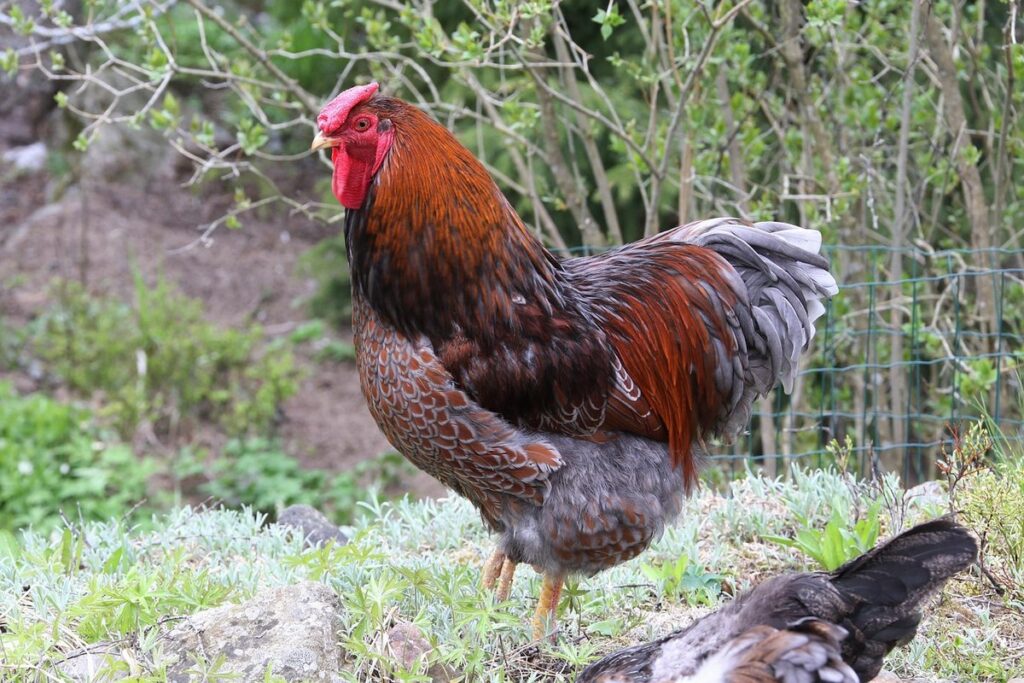
The most distinctive feature of Wyandottes, however, is their stunning plumage. Hens have a beautiful silver or laced pattern on their bodies, with a golden sheen that catches the light. Roosters are even more striking, with iridescent feathers in shades of gold, silver, and copper. Their tails are long and flowing, adding to their regal appearance.
In terms of beak shape and comb type, Wyandottes have a moderate-sized, slightly curved beak that’s well-suited for scratching and pecking at grain. They also have a single, medium-sized comb on top of their head, which is held high when they’re alert or excited. Overall, the physical characteristics of Wyandottes make them a striking addition to any poultry flock or exhibition show.
Temperament and Behavior
Wyandottes are known for their friendly and docile nature, making them an excellent choice for backyard flocks. They are generally calm and quiet, with a relatively low activity level compared to some other breeds. In fact, they often tend to follow a routine and can become accustomed to regular daily activities.
When it comes to interacting with humans, Wyandottes are often described as affectionate and social birds. They enjoy human interaction and will frequently seek attention from their owners. However, some individual birds may be more reserved or aloof than others.
Wyandottes also tend to get along well with other animals in the flock, especially if introduced at a young age. However, introducing new birds should always be done slowly and under close supervision to prevent any potential conflicts.
One of the most notable traits of Wyandottes is their ability to adapt to different environments and living situations. They can thrive in small backyards or large farms, making them a versatile choice for many poultry keepers.
Egg-Laying and Productivity
Wyandotte hens are known for their moderate egg-laying abilities, producing an average of 200-250 large to extra-large brown eggs per year. This is slightly lower than some other popular breeds, such as Leghorns or Barred Rocks, which can produce up to 300 eggs annually. However, Wyandottes make up for this with the quality and size of their eggs.
In terms of egg size, Wyandotte hens tend to lay larger eggs than many other breeds. Their eggs typically range from large to extra-large, with some hens producing truly enormous eggs that can tip the scales at over 2 ounces. This is due in part to the breed’s genetic makeup and also to their diet and living conditions.
Wyandottes are not prolific layers by any means, but they make up for this with their gentle nature and attractive appearance. If you’re looking for a breed that will provide a steady supply of large eggs without requiring too much space or care, Wyandottes can be an excellent choice. Just keep in mind that their egg production may slow down slightly as they approach maturity around 3-4 years of age.
To maximize your Wyandotte’s egg-laying potential, make sure to provide them with a balanced diet and plenty of fresh water at all times. A daily routine that includes adequate light, exercise, and rest will also help keep your hens healthy and productive throughout the year.
Raising and Caring for Wyandottes
Wyandotte chickens are a joy to raise, but they do require some special care. In this next part of our guide, we’ll cover the essentials of caring for these beautiful birds.
Housing and Living Conditions
When creating a suitable living environment for your Wyandottes, consider their natural habitat as a starting point. In the wild, these birds inhabit areas with dense vegetation, such as forests and woodlands. Mimic this setup by providing trees or shrubs around the coop to create shade and shelter.
The coop itself should be well-ventilated, dry, and protected from predators. A minimum of 2-3 square feet per bird is essential for a comfortable living space. Ensure there’s adequate room for movement, feeding, and roosting areas.
For health considerations, keep the coop clean by removing soiled bedding and replacing it regularly. Wyandottes are sensitive to ammonia fumes from urine, which can cause respiratory issues. Consider using a deep litter method with wood shavings or straw instead of traditional nesting boxes.
When designing the coop, consider its orientation to maximize natural light and minimize wind exposure. A south-facing direction allows for passive solar heating during winter months. Incorporate windows or skylights to allow for natural ventilation while keeping rain out.
Nutrition and Feeding Practices
Wyandottes require a balanced diet that meets their nutritional needs at various stages of life. A starter diet for young Wyandottes should contain around 18-20% protein to support growth and development. This can be achieved through a high-quality commercial starter feed or a mix of grains, such as oats and barley, supplemented with live proteins like mealworms.
As they mature into growers, their diet can transition to a 16-18% protein content. Layer Wyandottes have different nutritional needs; their diet should focus on providing adequate calcium for strong eggshell production. A layer feed or a mix of grains and supplements like oyster shells can help meet these requirements.
Supplements like probiotics and prebiotics can aid in digestion, while essential vitamins and minerals like vitamin E and omega-3 fatty acids support overall health. Fresh fruits and vegetables should also be provided as treats to ensure a varied diet. It’s essential to introduce new foods gradually to prevent digestive upset and maintain a balanced nutrient intake.
Health Considerations and Common Issues
Respiratory problems are a common issue among Wyandottes, particularly those with dark-colored feathers. The breed’s dense plumage can trap moisture and create an ideal environment for bacteria to grow, leading to conditions such as bronchitis and pneumonia. In fact, most Wyandotte owners report encountering some level of respiratory distress in their birds.
Parasites like mites, lice, and fleas are also prevalent among Wyandottes, especially during warm weather months when these pests thrive. Regular cleaning of the coop, frequent dusting with diatomaceous earth, and inspecting your birds regularly can help mitigate this issue.
Diseases specific to the breed include fowl pox, which is highly contagious and often spread through direct contact or contaminated equipment, and Marek’s disease, a viral condition that affects young birds and can lead to symptoms like paralysis and death. Keeping Wyandottes separated from other poultry, practicing good hygiene, and maintaining a balanced diet can help prevent the spread of these diseases.
To manage respiratory issues and parasites effectively, it’s essential to create a well-ventilated coop with adequate airflow. Ensure proper ventilation by installing windows or vents that allow fresh air to circulate freely.
Show and Exhibition
The Wyandotte is a stunning breed, known for its striking appearance, so let’s take a closer look at how to showcase their unique characteristics in a competitive show setting.
Showing Wyandottes
To showcase Wyandottes at a poultry exhibition, preparation is key. Start by ensuring your bird’s physical characteristics meet breed standards, which include a sturdy build, broad wings, and a distinctive lacing pattern on the feathers. Make sure to trim and clean the coop to create a neat and tidy appearance.
When presenting your bird, consider its temperament. A calm and docile Wyandotte is more likely to impress judges than one that’s anxious or aggressive. To manage stress, keep your bird in a quiet area before the show, and avoid overcrowding the exhibition space.
Judges will assess your bird’s egg-laying productivity as part of their evaluation. To emphasize this aspect, have a record of your Wyandotte’s laying history available for review. This could include documentation of monthly egg production, along with any notable achievements or awards won.
When it comes to judging criteria, look for breeders and judges who adhere to the American Poultry Association (APA) standards. Familiarize yourself with their scoring system to better understand what judges will be looking for in your Wyandotte.
Breed Standards and Judging Criteria
When evaluating Wyandottes for show or exhibition, judges adhere to specific breed standards set by recognized registries. The American Bantam Association (ABA) is one such organization that publishes detailed guidelines for the breed. According to the ABA’s breed standard, a Wyandotte should have a sturdy build with a medium-sized body and well-rounded shape. The bird’s plumage is key, with a lustrous sheen and crisp definition between feathers.
Judges look for birds with clean-cut heads, beaks that are neither too long nor too short, and ears that are well-set back. A Wyandotte’s wings should be strong and carried well back, while its tail should be full and carried with a slight curve upwards. In terms of color, the breed comes in several varieties, including silver, gold, blue, and white.
A judge evaluates a Wyandotte’s overall balance, movement, and carriage to determine if it meets the breed standard. For example, the bird should have an active, forward-moving gait with good depth and springiness in its stride. When considering a Wyandotte for show or exhibition, breeders and owners should carefully review these standards to ensure their birds meet the necessary criteria.
Breeding and Genetics
To truly master the art of raising Wyandotte poultry, understanding their breeding and genetics is crucial. We’ll explore how these factors shape your birds’ unique characteristics.
Selective Breeding Practices
Selective breeding is a deliberate process of choosing parents for their desirable traits, which are then passed on to offspring. In Wyandottes, breeders aim to enhance characteristics like plumage color and pattern, as well as physical attributes such as size and feather length. However, maintaining genetic diversity is crucial to avoid inbreeding depression, where the lack of genetic variation leads to reduced fertility, slower growth rates, and increased susceptibility to disease.
To achieve this balance, breeders select individuals with a mix of desirable traits from various bloodlines. This not only helps preserve genetic diversity but also reduces the likelihood of fixed effects, such as inherited diseases. A common approach is to use a three-way crossbreeding system, where two Wyandotte parents are mated to produce offspring that are then bred back to either parent or another individual with desirable traits.
Breeders should prioritize selecting individuals with robust health and fertility, as these characteristics have a direct impact on the overall quality of the flock. Regular monitoring of genetic diversity can help identify potential issues before they become widespread.
Genetic Considerations and Inheritance Patterns
The Wyandotte breed’s unique characteristics are largely determined by its genetic makeup. When it comes to inheritance patterns, Wyandottes exhibit a mix of dominant and recessive traits. For instance, their distinctive silver or gold lacing is the result of a dominant gene expression, while their black or blue plumage is influenced by multiple genes interacting in a complex manner.
Genotype-phenotype relationships are critical in understanding how genetic variations affect breed health and performance. In Wyandottes, certain genotypes have been linked to increased susceptibility to Marek’s disease, a viral infection that can cause paralysis and death. By identifying these genotype-phenotype correlations, breeders can take steps to mitigate the risk of this condition.
Understanding inheritance patterns also informs selective breeding practices. Breeders must consider the likelihood of transmitting desirable traits, such as feather quality or egg-laying ability, from parent birds to offspring. They must also be aware of potential genetic liabilities and work to eliminate them through strategic breeding decisions.
In Wyandottes, the most significant genetic consideration is the interaction between sex chromosomes (W and Z) and autosomal genes. This complex interplay affects traits like feathering, size, and egg production, making it essential for breeders to grasp these underlying mechanisms to make informed breeding choices.
Conclusion
In conclusion, understanding Wyandotte poultry involves grasping their rich history as show birds in the late 19th century. Their striking appearance and friendly temperament have made them a popular choice among backyard chicken keepers. When considering adding Wyandottes to your flock, remember that they require regular grooming to prevent leg feather matting. Provide a balanced diet and ensure access to fresh water at all times.
Wyandottes are known for their cold hardiness, but they can be sensitive to heat stress in warmer climates. Keep this in mind when choosing breeds for areas with extreme temperatures. With proper care and attention to their specific needs, Wyandotte poultry can thrive as a beloved addition to any backyard flock.
Frequently Asked Questions
Can I raise Wyandottes for both eggs and meat?
You can definitely raise Wyandottes for both eggs and meat, as they are dual-purpose birds. However, keep in mind that their egg-laying capacity may decrease if you prioritize raising them for meat. Make sure to balance their nutritional needs accordingly.
How long do Wyandottes take to mature from chicks to laying eggs?
Wyandotte hens typically take around 20-24 weeks to reach maturity and start laying eggs. However, this can vary depending on factors such as diet, health, and individual bird characteristics. Ensure you’re providing a balanced diet and optimal living conditions for your birds.
What if I’m new to raising poultry – is it more challenging to raise Wyandottes compared to other breeds?
While Wyandottes are considered relatively easy-going, they still require proper care and attention. New poultry owners may find it beneficial to start with easier-to-care-for breeds before transitioning to Wyandottes. However, with research and experience, anyone can successfully raise healthy and thriving Wyandottes.
Can I mix Wyandottes with other breeds in my backyard flock?
Yes, you can mix Wyandottes with other breeds in your backyard flock. In fact, mixing breeds can help maintain genetic diversity and reduce the risk of inbreeding. Just ensure that the breeds you’re introducing are compatible in terms of temperament, size, and space requirements.
How do I know if a particular Wyandotte rooster is worthy of breeding stock?
When evaluating a rooster for potential breeding stock, look for birds with excellent physical characteristics, such as correct plumage pattern, beak shape, and comb type. Also, assess their temperament, fertility, and ability to perform well in the breed’s intended purpose (e.g., show or production). Consult with experienced breeders or attend poultry shows to gain a better understanding of what makes a high-quality breeding rooster.