If you’re planning to start your own backyard chicken coop, there’s one breed that stands out from the rest: the Rhode Island Red. Known for their friendly and hardy nature, these birds have become a favorite among poultry enthusiasts. Not only are they easy to care for, but they also lay an impressive amount of eggs – on average, 200-220 per year. But what makes them so special? In this article, we’ll explore the origins, characteristics, and breeding requirements of Rhode Island Reds, as well as provide tips on how to raise healthy birds that will impress at local poultry shows. By the end of this guide, you’ll be equipped with the knowledge needed to successfully breed and care for these beloved chickens, giving you a great shot at winning in competitions.
History and Origins
The Rhode Island Red breed has a rich history that spans over two centuries, dating back to its development in Massachusetts in the mid-1800s. Let’s take a look at how this iconic breed came to be.
The Breed’s Humble Beginnings
The breed’s origins date back to the early 19th century in Little Compton, Rhode Island. At that time, farmers were looking for a dual-purpose bird that could provide both eggs and meat. The Rhode Island Red was developed specifically for this purpose, inheriting desirable traits from various breeds such as the Malay, the Cochin, and the Dominique.
The early development of the breed relied on careful selection and breeding by pioneers like William Tripp. He focused on creating a robust bird that could thrive in New England’s climate. The resulting birds were known for their distinctive red plumage, hardiness, and impressive egg-laying capabilities. In fact, Rhode Island Reds are still renowned for producing an average of 200-220 brown eggs per year.
As the breed gained popularity among farmers, its versatility became increasingly recognized. Not only did it provide a reliable source of income through egg sales, but its meat was also highly prized for its tenderness and flavor. The breed’s early development in Little Compton played a significant role in shaping its unique characteristics, which continue to make Rhode Island Reds a staple among backyard farmers and commercial producers alike.
Early Breeders and Their Contributions
David Black, a pioneering poultry breeder from Massachusetts, played a significant role in refining the Rhode Island Red breed. He worked tirelessly to perfect its characteristics, focusing on egg-laying capacity and hardiness. Black’s efforts led to the development of a more robust and efficient bird.
Another key figure involved in shaping the breed was John F. Buckingham, who introduced new bloodlines from England to improve the breed’s overall quality. His contributions helped spread the Rhode Island Red across the United States, making it one of the most popular breeds among backyard farmers and commercial producers alike.
The influence of these early breeders can still be seen in today’s Rhode Island Reds. Their commitment to improving the breed’s genetics has resulted in a robust and resilient bird that excels in egg production. For those looking to raise their own Rhode Island Reds, studying the methods and techniques employed by Black and Buckingham can provide valuable insights into selecting high-quality breeding stock and achieving optimal results.
The legacy of these early breeders serves as a testament to the power of dedicated breeding efforts in shaping the modern poultry industry.
Characteristics and Temperament
Rhode Island Reds are known for their unique combination of traits that make them ideal pets, including a friendly, curious nature and a surprisingly docile temperament.
Physical Traits: Size, Plumage, and Comb Type
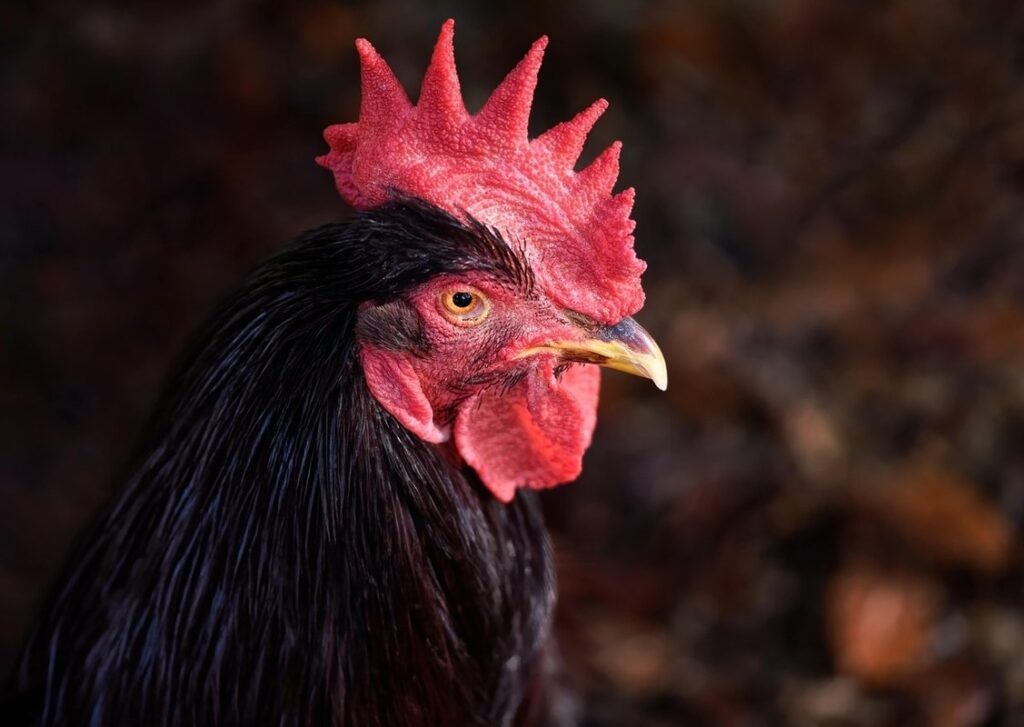
The Rhode Island Red’s physical traits are a defining characteristic of the breed. Their rich brown plumage is one of their most distinctive features, with a deep reddish-brown color that can range from a light golden hue to a darker chocolate tone. The feathers on their breast and wings have a subtle sheen, giving them a healthy appearance.
In terms of size, Rhode Island Reds are a medium to large breed, with roosters typically weighing between 8-12 pounds and hens weighing around 6-9 pounds. Their sturdy build allows them to withstand the rigors of outdoor living, making them well-suited for free-range farming operations.
Their comb is another notable feature, with most Rhode Island Reds sporting a rose comb that’s relatively small in size compared to other breeds. This type of comb is less prone to frostbite and is better suited for cold climates. When selecting breeding stock, look for birds with a well-formed, even comb as this will help ensure the health and resilience of your flock.
Personality Traits: Friendly, Hardy, and Intelligent
Rhode Island Reds are renowned for their amiable nature, making them an excellent choice for backyard flocks. They’re often described as friendly and docile, which is ideal for families with children or for novice chicken keepers. Their calm demeanor also allows them to tolerate other breeds and even some pets, such as dogs and cats.
In addition to being friendly, Rhode Island Reds are also surprisingly hardy birds. They’re relatively resistant to diseases and can withstand various environmental conditions, making them a low-maintenance choice for many flock owners. This resilience is partly due to their robust immune system, which is developed through generations of selective breeding.
One of the most notable aspects of the breed’s temperament is its intelligence. Rhode Island Reds are considered one of the smartest chicken breeds and can learn to perform tasks with ease. For instance, they can be trained to follow a routine, recognize commands, and even help with pest control by scratching out weeds and insects. With proper care and attention, you can encourage your Rhode Island Red’s natural intelligence and develop a strong bond with them.
Raising Rhode Island Reds
If you’re planning to raise Rhode Island Reds, understanding their specific needs and characteristics is essential for a successful breeding program. This section will cover key considerations for raising these birds.
Breeding and Hatching
When breeding Rhode Island Red chicks, it’s essential to prioritize selecting healthy parents. This involves evaluating their overall condition, including plumage quality, comb health, and body mass. A well-nourished parent with good feathering is more likely to produce robust offspring. Look for birds with vibrant red feathers, a strong beak, and no signs of mites or lice.
A clean hatchery environment is also crucial for successful breeding. This means maintaining proper ventilation, removing soiled bedding regularly, and disinfecting equipment after each use. A well-ventilated area will help reduce the risk of respiratory diseases in your birds. Disinfect all surfaces with a poultry-safe cleaner to prevent bacterial and fungal growth.
When preparing the hatching eggs for incubation, make sure they’re clean and free from cracks or damage. Store them in a protected area until you’re ready to transfer them to the incubator. Keep the temperature consistent between 99°F and 100°F during the first 24 hours after setting. This helps ensure a strong start for your chicks.
Growing and Training Chicks
When young pullets reach about six weeks of age, they’re ready to be introduced to their flock and begin training. Proper nutrition is essential during this period; provide a starter ration that’s formulated for growing chickens. Ensure access to fresh water at all times, and maintain clean living conditions by removing soiled bedding regularly.
During health checks, inspect the birds’ eyes, vents, and feet daily for signs of illness or injury. Monitor their behavior as well – changes in appetite, energy levels, or demeanor can indicate underlying issues. If you notice any problems, consult a veterinarian experienced with poultry care to determine the best course of action.
When introducing pullets to the main flock, do it gradually to prevent stress and aggression. Start by keeping them separate for several days, allowing them to become familiar with each other’s sounds and scents through wire mesh or netting. Once they seem comfortable together, let them mingle under close supervision. This process can take anywhere from a few days to a week, depending on the birds’ personalities and your observation of their behavior.
Health Considerations
When it comes to caring for Rhode Island Reds, health considerations are crucial to ensure your flock remains happy and healthy. Understanding their specific needs is essential for a long-term relationship between you and your birds.
Common Issues: Mortality Rates and Preventative Measures
Rhode Island Reds are prone to several health issues that can affect mortality rates. Marek’s disease is a significant concern, particularly among young birds. This viral disease can cause a range of symptoms, from weight loss and lethargy to respiratory problems and death. To minimize the risk of Marek’s disease, ensure your flock has access to clean water and feed, maintain a healthy environment with adequate ventilation, and implement vaccination programs.
Blackhead is another common issue affecting Rhode Island Reds. This bacterial disease can cause inflammation and lesions around the vent area, leading to weight loss, diarrhea, and death if left untreated. Preventative measures include providing a balanced diet rich in fiber, keeping the coop clean, and maintaining proper ventilation.
In addition to these specific health issues, it’s essential to take a proactive approach to overall flock health. Regularly inspect your birds for signs of illness or stress, maintain accurate records of vaccination schedules and health checks, and work with a trusted veterinarian to develop a comprehensive health plan tailored to your flock’s needs. By taking these preventative measures, you can minimize the risk of disease and ensure the long-term health and well-being of your Rhode Island Reds.
Nutrition and Dietary Requirements
A balanced diet is crucial for Rhode Island Reds to support optimal growth and egg production. These birds require a nutrient-rich feed that includes protein, calcium, phosphorus, and other essential vitamins and minerals.
Rhode Island Reds need around 16-18% protein in their diet to maintain good health and support muscle development. Laying hens like these birds also require adequate calcium for strong eggshell production. Aim for a calcium content of at least 2.5% in the feed, especially during peak egg-laying periods.
A layer-specific feed is recommended for Rhode Island Reds, as it provides the necessary nutrients for optimal egg production and health. Avoid mixing layers with starter or grower feeds, as this can lead to nutritional imbalances. Some farmers also supplement their flock’s diet with fresh fruits and vegetables, which provide important vitamins and minerals.
In addition to a balanced feed, ensure access to clean water at all times to prevent dehydration. Providing oyster shells or crushed eggshells as a calcium source is also beneficial for supporting strong eggshell production. Monitor your flock’s health closely and adjust their diet accordingly to prevent any nutritional deficiencies.
Showing and Judging Rhode Island Reds
If you’re planning to show off your Rhode Island Red flock, understanding what makes a bird eligible for competition is crucial. This section will cover the key factors judges consider when evaluating these beautiful birds.
Breed Standards and Judging Criteria
The American Poultry Association (APA) sets the breed standard for Rhode Island Reds, which serves as a guide for showing and judging these birds. According to the APA’s standard, show-quality Rhode Island Reds should have a deep, rich red plumage with a subtle sheen, known as “luster.” The hackle feathers on their neck should be long and flowing, while the tail feathers should be broad and carried high.
In terms of size, show birds should be medium to large in stature, with cocks weighing around 8-10 pounds and hens weighing around 6-8 pounds. Their comb is a key identifying feature – it’s single, red, and well-formed. A well-placed single comb can make or break the appearance of a Rhode Island Red.
When judging Rhode Island Reds, look for birds with clean, crisp markings and an even distribution of color on their wings and tail. Avoid birds with bare patches or uneven feathering, as these can detract from the overall appearance. By focusing on these key characteristics, you’ll be able to identify show-quality birds and develop a discerning eye for judging these magnificent fowl.
Tips for Showing and Judging Beginners
When stepping into the world of poultry showing, it can be intimidating, especially for beginners. However, with some guidance and preparation, you’ll be well on your way to confidently showcasing your Rhode Island Reds.
Firstly, make sure your birds are clean and well-groomed before each show. This includes trimming nails, cleaning the vent area, and preening feathers to prevent matting or tangling. A little attention to detail can go a long way in making a positive impression on judges.
It’s also essential to handle judging critiques constructively. Don’t take criticism personally; instead, use it as an opportunity to learn and improve. Ask for specific feedback from experienced breeders or judges to understand what you can do better next time.
Networking with other breeders is another crucial aspect of showing Rhode Island Reds. Attend local poultry clubs’ meetings and events to meet fellow enthusiasts who share your passion. These connections can provide valuable advice, mentorship, and support throughout your showing journey.
Conclusion and Future Outlook
As you near the end of our comprehensive guide to Rhode Island Reds, let’s take a final look at what we’ve learned and consider how these amazing birds will continue to thrive. We’ll discuss their future prospects and potential applications.
Recap of Key Takeaways
When it comes to owning Rhode Island Reds, there are several key characteristics and care requirements to keep in mind. These birds are known for their friendly and hardy nature, but they do require regular attention to stay healthy. A well-balanced diet that includes a mix of grains, proteins, and fresh vegetables is essential to prevent common issues like mortality rates.
In terms of show considerations, breed standards emphasize the importance of a bright red plumage, large size, and single comb type. However, it’s worth noting that not all Rhode Island Reds are suitable for showing, as some may have genetic traits that affect their appearance or temperament.
Ultimately, owning a Rhode Island Red requires a long-term commitment to providing regular care and attention. This includes daily feeding, cleaning, and monitoring of the birds’ health. For beginners, it’s essential to research local breed clubs and connect with experienced breeders to gain a deeper understanding of these complex requirements. By prioritizing proper care and attention, you can enjoy the many rewards that come with owning a Rhode Island Red.
Some key tips for new owners include:
- Start by building a strong foundation in poultry health and nutrition
- Research local breed clubs and connect with experienced breeders for guidance
- Prioritize regular cleaning and maintenance of the coop and run to prevent disease
Breeding Program Development and Community Engagement
Developing a successful breeding program for Rhode Island Reds requires collaboration and community engagement. One effective approach is to form partnerships with other experienced breeders who share knowledge, resources, and expertise. This collective effort can lead to improved breeding stock, increased genetic diversity, and more robust flocks.
Participating in poultry clubs and organizations dedicated to preserving heritage breeds like the Rhode Island Red is also essential. These groups often provide valuable networking opportunities, access to expert advice, and a platform for sharing best practices. By engaging with local communities and contributing to breed development initiatives, you can help promote the breed’s continued success.
Consider joining regional or national poultry associations, such as the American Poultry Association (APA), which offer membership benefits like breed standard guidelines, judging criteria, and access to experienced breeders. You may also find value in participating in online forums and discussion groups focused on Rhode Island Red breeding, where you can share knowledge, ask questions, and learn from others.
By combining these strategies, you can build a strong foundation for your breeding program and contribute to the preservation of this iconic breed.
Frequently Asked Questions
Can I Keep Rhode Island Reds in a Small Backyard with Limited Space?
Yes, Rhode Island Reds can thrive in small backyards as long as you provide them with adequate space for movement and exercise. Consider the breed’s minimum requirements of about 2-4 square feet per bird, depending on the coop size and layout.
How Do I Introduce New Chicks to an Existing Flock Without Causing Stress?
Introducing new chicks to a flock can be challenging, but it’s essential to avoid stressing them out. Start by keeping the new birds separate from the existing flock for a few days, then gradually introduce them under close supervision. Monitor both groups’ behavior and adjust the introduction process as needed.
What If My Rhode Island Red Doesn’t Lay Eggs at All? Could It Be a Health Issue?
Yes, it’s possible that your bird may have a health issue if it’s not laying eggs. Common causes include poor nutrition, stress, or underlying medical conditions like reproductive problems or egg-binding. Consult with an avian veterinarian to rule out any health issues and provide the necessary care.
Are Rhode Island Reds Suitable for Urban Areas Where Noise Regulations Apply?
Yes, Rhode Island Reds are generally quiet birds that won’t disturb neighbors. However, keep in mind that individual personalities can vary, and some birds may be more vocal than others. Choose birds from reputable breeders who have a history of producing calm and gentle birds.
Can I Show My Rhode Island Red at Local Poultry Shows If It’s Not Purebred?
While purebred Rhode Island Reds are preferred in shows, it’s not always necessary to register your bird with the APA to show it. Many local poultry clubs welcome mixed-breed birds or those that don’t meet the breed standard but still possess desirable traits. Contact your local poultry club for specific requirements and rules.