Creating a thriving meadow garden can be a game-changer for anyone looking to add some natural beauty to their outdoor space. Not only do meadow gardens provide a haven for local wildlife, but they’re also incredibly low-maintenance, making them perfect for busy homeowners or those new to gardening. But where do you start? Choosing the right location and soil preparation are crucial steps in creating a healthy meadow garden, as is selecting the right mix of plants that will thrive in your climate.
You may be wondering how to create this type of garden from scratch, but with our step-by-step guide, you’ll learn everything you need to know. In this article, we’ll cover location selection, soil preparation, and plant choice, plus provide some valuable maintenance tips to keep your meadow garden looking its best all season long. By the end of this article, you’ll have a clear plan for creating your very own thriving meadow garden, perfect for enjoying for years to come.
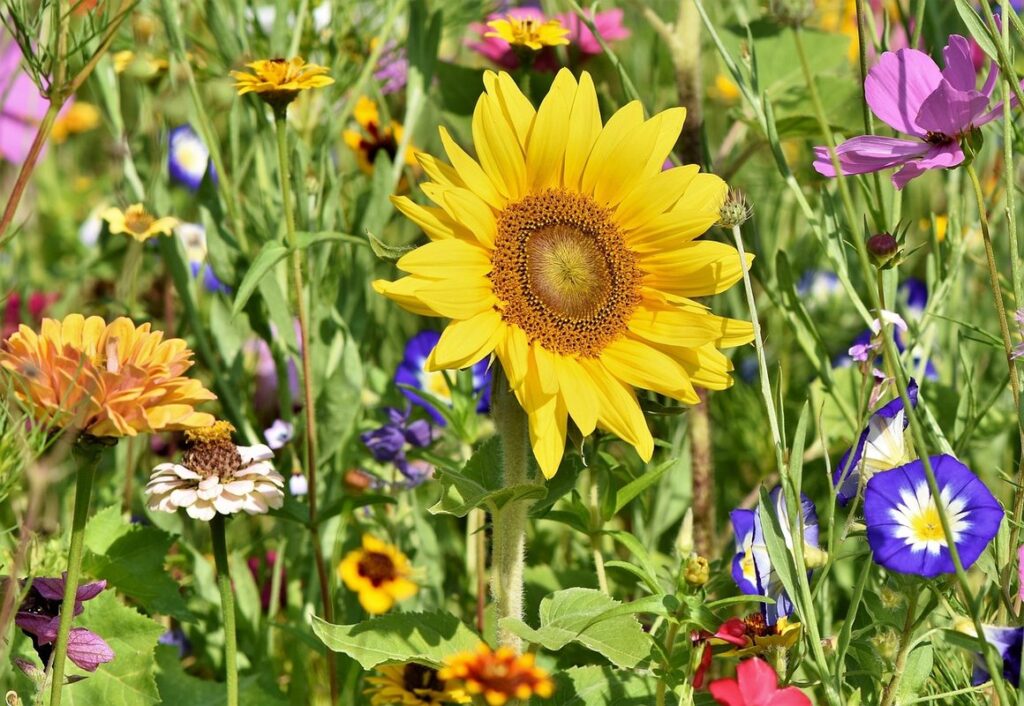
Choosing the Right Location and Climate
Choosing the right location for your meadow garden is crucial, as some areas may be more challenging to maintain than others due to climate conditions. This section helps you make an informed decision about where and how to plant.
Understanding Your Soil Type
Meadow gardens thrive in diverse soil types, but it’s essential to understand your soil’s characteristics to make informed decisions about plant selection. To determine your soil type, start by observing its texture and composition. Does it crumble easily when squeezed or hold its shape? If it breaks apart, you likely have sandy soil. If it holds a clear outline of your fingers, you may have clay-rich soil. Loamy soil typically falls somewhere in between, with a mix of sand, silt, and clay.
The impact of soil type on plant selection cannot be overstated. For example, plants like coneflowers and black-eyed Susans excel in well-draining sandy soils, while moisture-loving species like irises and daylilies prefer the more retentive properties of clay-rich soil. Loamy soil, with its balanced mix of sand and clay, offers a happy medium for many meadow garden staples.
To further assess your soil type, consider consulting with local nurseries or gardening experts who can provide insights based on your specific climate and region. By understanding your soil’s characteristics, you’ll be better equipped to choose plants that will not only thrive but also add vibrancy and diversity to your meadow garden.
Selecting a Sunny or Shaded Area
When it comes to planting a meadow garden, the right amount of sunlight is crucial for its success. Most meadow plants require at least six hours of direct sunlight per day, but some species can thrive in partial shade or even full sun. To determine the optimal location for your meadow, observe your yard’s sun patterns throughout the day. Note the time of year and how it affects the sun’s position.
When selecting a sunny area, consider the direction of the wind to ensure that it doesn’t blow directly onto your plants during periods of drought or intense heat. Avoid areas with dense tree canopies or shrubs that may cast deep shade and inhibit growth. If you’re planting in an existing lawn, remove any debris and inspect the soil for signs of root competition from nearby trees.
In general, a south-facing slope receives more direct sunlight than a north-facing one. But this also means it’s more susceptible to drying winds and intense heat. Balance these factors by choosing plants that are tolerant of both sun and wind conditions. For example, native grasses like switchgrass or little bluestem can handle full sun and wind, while wildflowers like black-eyed Susan or coneflower prefer partial shade and well-draining soil.
Planning Your Meadow Garden Design
To create a beautiful meadow garden, you need to plan its layout carefully, considering factors such as sunlight and soil type. Let’s start by thinking about your garden’s overall design.
Considering Native Plant Species
Incorporating native plant species into your meadow garden offers numerous benefits. One of the most significant advantages is their adaptability to local climate conditions. Native plants have evolved over time to thrive in your specific region’s temperature fluctuations, humidity levels, and precipitation patterns. This means they require less maintenance and care compared to non-native species.
Native plants also tend to attract native pollinators and wildlife, which can enhance the overall biodiversity of your meadow garden. For example, native wildflowers like coneflowers and black-eyed susans are essential for attracting bees and butterflies. By planting these species, you’ll create a haven for local wildlife without introducing invasive or non-native plants that might harm the environment.
When selecting native plant species, consider factors such as soil type, sunlight exposure, and moisture levels. Research which native plants thrive in your region’s specific conditions to ensure they’ll grow well in your meadow garden. You can consult with a local nursery or gardening expert to get recommendations on native plant species suitable for your area.
Keep in mind that while native plants are generally low-maintenance, they still require proper care and attention. Be sure to provide the right growing conditions, including adequate water and nutrients, to ensure their health and success.
Measuring and Mapping Your Space
Accurate measurement and mapping of your garden area are crucial for efficient planting and space allocation. Without a clear understanding of your meadow’s dimensions, you risk under- or over-planting, leading to uneven growth and reduced biodiversity.
To start, measure the length and width of your garden bed in feet or meters, depending on your preference. Record these measurements and note any obstacles like trees, paths, or water features that may impact plant placement. Consider creating a sketch or diagram of your meadow using graph paper or a mapping tool to visualize the space.
When mapping your space, identify areas with varying levels of sunlight and soil quality. Note which sections receive direct sun, partial shade, or full shade, as this will influence your plant selection. Also, mark areas with compacted or rocky soil that may require additional amendments before planting.
Aim to divide your meadow into zones or sections based on these factors. This will help you allocate the right plants to each area and ensure a balanced ecosystem. By taking the time to accurately measure and map your garden space, you’ll set yourself up for success and create a thriving meadow garden that requires minimal maintenance over time.
Preparing the Soil for Planting
Before you start sowing seeds, it’s essential to prepare your meadow garden soil by loosening and aerating it to ensure healthy root growth. This process sets the stage for a vibrant and thriving meadow ecosystem.
Removing Debris and Tilling the Soil
Clearing the area of debris and weeds is an essential step before planting a meadow garden. Start by removing any rocks, twigs, and other obstructions from the soil surface. Use a rake or a hoe to loosen and remove weeds, taking care not to damage the underlying soil. If you have a large area to clear, consider enlisting help or breaking the task into smaller sections.
Next, till or aerate the soil to loosen compacted areas and improve drainage. A garden fork is ideal for this task, as it allows you to gently turn over the top 6-8 inches of soil without damaging its structure. For heavier clay soils, consider using a mechanical tiller to break up clods and reduce soil density.
For meadow gardens, it’s essential to create a well-draining soil environment that allows native plant species to thrive. After tilling or aerating, use a rake to smooth out the soil surface and create a level bed for planting. Be sure to remove any debris or weeds that may have been disturbed during this process, as they can compete with your new plants for water and nutrients.
Adding Organic Matter and Fertilizers
Adding organic matter and fertilizers is essential for creating a thriving meadow garden. Organic matter like compost and manure enriches the soil by adding nutrients, improving its structure, and promoting healthy microbial activity. This benefits plant growth by providing essential macro- and micronutrients, as well as supporting beneficial microorganisms that help with decomposition and nutrient cycling.
When selecting organic matter, consider using locally sourced materials, such as leaf mold or mushroom compost, to minimize transportation emissions and support local ecosystems. Aim for a 2-4 inch layer of compost applied evenly across the planting area.
For fertilizers, choose environmentally friendly options like fish emulsion, bone meal, or alfalfa meal. These natural alternatives release nutrients slowly, reducing the risk of over-fertilization and promoting sustained plant growth. Avoid synthetic fertilizers, which can pollute soil and waterways. Instead, opt for slow-release, organic formulas that promote a balanced nutrient profile.
To maximize the benefits, apply fertilizers according to package instructions, typically 1-2 weeks after planting or as needed based on soil tests. This helps avoid over-fertilization, which can harm plants and the environment.
Planting Your Meadow Garden
When it comes to creating a thriving meadow garden, choosing the right plants for your climate and soil type is crucial. Selecting native wildflowers that are well-suited to your area will ensure years of beauty and minimal maintenance.
Choosing the Right Plants for a Meadow Garden
When selecting plants for your meadow garden, it’s essential to choose species that are adapted to low-maintenance conditions. Grasses like Little Bluestem and Big Bluestem are excellent choices, as they’re drought-tolerant and require minimal mowing. Wildflowers such as Black-eyed Susan and Butterfly Milkweed are also great options, attracting pollinators and adding vibrant color to your meadow.
When selecting shrubs, consider species like Bee Balm and Joe Pye Weed, which provide a natural habitat for wildlife while requiring minimal pruning and care. It’s also important to choose plants that thrive in your specific climate zone. Research native plant species in your area, as they’ll be more resistant to local pests and diseases.
In terms of specific characteristics, look for plants with deep root systems, which enable them to access water deep within the soil. Avoid plants with shallow roots or those that require frequent watering. A mix of perennial grasses, wildflowers, and shrubs will create a diverse and thriving meadow ecosystem.
Planting Techniques: Direct Sowing vs. Transplanting
When planting a meadow garden, you have two main options for introducing new plants: direct sowing seeds and transplanting seedlings. Both methods have their advantages and disadvantages, which depend on factors like soil quality, moisture levels, and potential weed competition.
Direct sowing involves scattering seeds directly onto the prepared soil surface. This method is ideal when working with small seeds or species that prefer to be planted as soon as possible, such as cornflower or black-eyed Susan. Seeds sown directly in place tend to establish themselves more quickly and may have a competitive edge over weeds since they’re already anchored deep within the soil.
Transplanting seedlings, on the other hand, involves potting up individual plants from seed and then placing them into the meadow garden once they’ve developed their first set of true leaves. This method allows for better control over plant spacing, which is especially important in a meadow garden where you want to create a diverse mix of species.
When deciding between direct sowing and transplanting, consider your specific soil conditions and moisture levels.
Maintaining Your Meadow Garden
Now that your meadow garden is planted, it’s essential to maintain its natural beauty by controlling weeds and watering wisely. Regular care will ensure your flowers bloom year after year.
Watering and Mulching Strategies
Meadow gardens require careful watering and mulching strategies to thrive. When it comes to watering, meadow plants need about 1-2 inches of rainfall or irrigation per week during the growing season. However, overwatering can be detrimental, leading to shallow roots and increased susceptibility to disease.
To avoid this, water your meadow garden deeply but infrequently, allowing the soil to dry slightly between waterings. For example, if you’re using a sprinkler system, set it to deliver 1/2 inch of water every 3-4 days during hot summer months. This encourages deep root growth and makes plants more resilient.
Mulching is an essential part of meadow garden maintenance. Organic mulches like wood chips or straw help retain moisture in the soil, reducing the need for frequent watering. Mulch also suppresses weeds by blocking light and preventing seed germination. Aim to apply a 2-3 inch layer of mulch around your plants, replenishing it as needed to maintain its effectiveness.
Some popular types of mulch include shredded bark, pine straw, or even leaves. Just be sure to avoid using weed barriers or landscape fabric, which can prevent water and air from reaching the soil.
Seasonal Tasks: Pruning, Weeding, and Monitoring
Meadow gardens require regular maintenance to keep them healthy and thriving. One of the essential seasonal tasks is pruning overgrown plants. This helps control their size, promotes new growth, and encourages blooming. Prune in late winter or early spring, removing dead or damaged branches, and cutting back perennials by about one-third to maintain shape.
Weeds are another common issue in meadow gardens. Regularly remove them by hand or with a tool, focusing on areas around plants where they’re most likely to spread. For example, if you have creeping thyme, gently pull out any weeds that try to invade its space. You can also use mulch or landscape fabric to suppress weeds and reduce the need for frequent removal.
Monitoring your meadow garden is crucial for catching pests or diseases early on. Regularly inspect plants for signs of infestation, such as aphids, whiteflies, or spider mites, and treat promptly if necessary. Also, keep an eye out for fungal diseases like powdery mildew or leaf spot, which can be treated with fungicides or copper-based products.
To make monitoring easier, create a maintenance schedule and check your meadow garden regularly during the growing season. For example, inspect plants every 1-2 weeks in spring when they’re actively growing, and more frequently if you notice any issues.
Frequently Asked Questions
Can I plant a meadow garden in a shaded area with limited sunlight?
Yes, it’s possible to create a meadow garden in a shaded area, but you’ll need to choose plants that thrive in partial shade. Consider incorporating native wildflowers and grasses that are adapted to low-light conditions.
How do I deal with weeds in my meadow garden when they start growing aggressively?
It’s common for weeds to compete with your desired plants, especially during the early stages of growth. To control weed growth, regularly remove them by hand or use a tool like a hoe. You can also apply mulch to suppress weeds and retain moisture.
Can I mix native plant species with non-native plants in my meadow garden?
Yes, you can combine native and non-native plants, but be aware that non-natives may require more maintenance and could potentially outcompete your native species for resources. Consider incorporating a mix of native grasses, wildflowers, and shrubs to create a balanced ecosystem.
How often should I water my meadow garden during the first year after planting?
During the first year, it’s essential to keep the soil consistently moist but not waterlogged. Water your meadow garden deeply once or twice a week, depending on weather conditions. As the plants establish themselves, they’ll become more drought-tolerant and require less frequent watering.
What if I notice dead or dying plants in my meadow garden after planting – are these normal losses?
Yes, it’s not uncommon to experience some plant mortality during the initial establishment phase. Check for signs of pests or diseases, and consider adjusting your watering schedule or fertilization routine to promote healthy growth.