Drones equipped with precision spraying systems are revolutionizing agriculture by providing a more efficient, cost-effective, and environmentally friendly way to deliver crop protection and fertilizers. These unmanned aerial vehicles (UAVs) can navigate through fields with ease, applying precise amounts of chemicals and nutrients directly to the crops, reducing waste and minimizing exposure to humans and wildlife. The benefits of drone spraying go beyond agriculture, however – this technology is also being used in various other industries such as forestry, mining, and disaster response to provide targeted treatment and relief efforts. In this article, we’ll explore the applications, advantages, and future developments of drone spraying technology, showing you how it’s transforming traditional methods and paving the way for a more sustainable and efficient approach to crop management and beyond. By the end of this post, you’ll be able to understand the capabilities and potential of drone spraying systems and their role in shaping the future of various industries.
The Basics of Drone Spraying
To get started with drone spraying, you need to understand the fundamental principles and technology behind this innovative method. We’ll cover the essential components that make up a typical drone spraying system.
What is Drone Spraying?
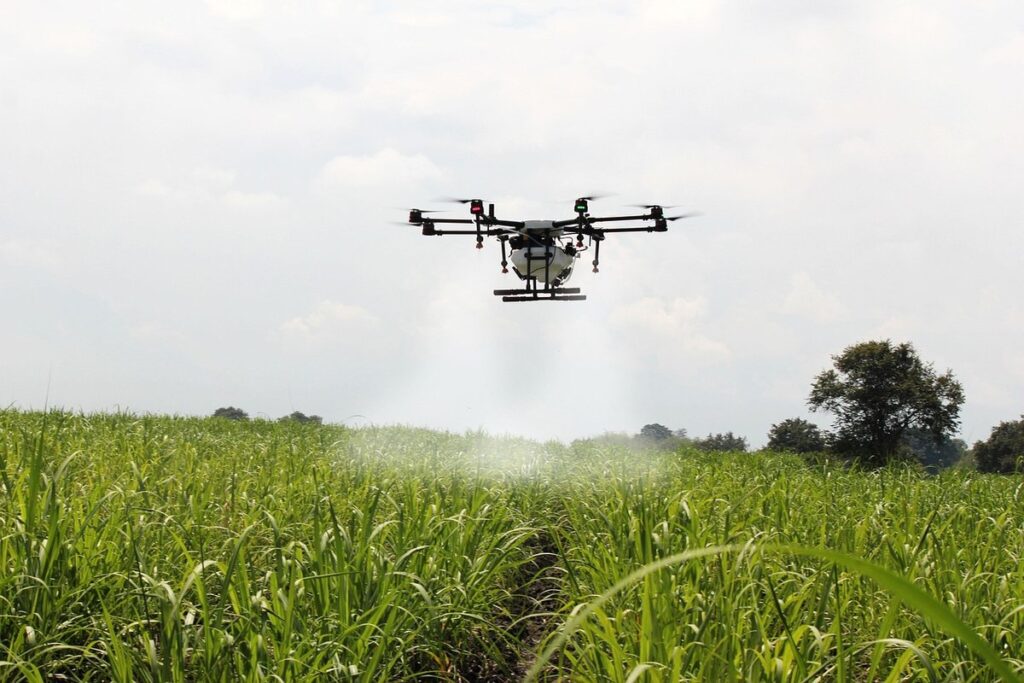
Drone spraying is a method of aerial crop treatment where drones are equipped with specialized sprayers to dispense pesticides, fertilizers, and other agricultural chemicals. This technology has been around for several years, with its roots in precision agriculture and the need for more efficient and targeted crop management.
In the early 2000s, researchers began experimenting with unmanned aerial vehicles (UAVs) for spraying crops. They discovered that drones could accurately apply chemicals to specific areas of a field, reducing waste and minimizing environmental impact. Today, drone spraying is used in various industries beyond agriculture, including forestry, urban gardening, and even disaster relief.
Drone spraying typically involves a multi-rotor drone equipped with a precision sprayer system. The drone is programmed to fly over the target area at a set height, releasing the desired amount of chemical at precise intervals. This allows for real-time monitoring and adjustment, ensuring that the treatment is both effective and efficient. Some farmers have seen significant reductions in chemical usage and environmental damage since adopting drone spraying technology.
Benefits of Drone Spraying Over Traditional Methods
Drone spraying offers several benefits over traditional methods like airplanes and helicopters. One of the main advantages is improved efficiency. Drones can access areas that are difficult or impossible for larger aircraft to reach, such as dense forests or steep terrain. This allows farmers to target specific areas with precision, reducing waste and minimizing the risk of overspray.
Another benefit is reduced costs. Drones require significantly less fuel than traditional aircraft, which translates to lower operating expenses. Additionally, drones can be equipped with smaller payloads, reducing the overall weight and increasing maneuverability. This makes them ideal for small-scale operations or areas with limited access.
Precision is also a key advantage of drone spraying. By using advanced sensors and cameras, drones can detect and respond to changing conditions in real-time, allowing for more accurate application rates and reduced drift. This results in better crop yields and reduced environmental impact. Overall, the improved efficiency, reduced costs, and increased precision offered by drone spraying make it an attractive alternative to traditional methods.
How Drones Spray: Technology and Equipment
Drones are equipped with precision sprayers that can dispense various liquids, such as pesticides and fertilizers, to optimize crop health and reduce waste. Let’s take a closer look at the technology behind these advanced sprayer systems.
Drone Specifications for Effective Spraying
A drone’s specifications play a crucial role in determining its effectiveness for spraying. A minimum payload capacity of 5-10 kilograms is necessary to carry sufficient amounts of water and pesticides. Propulsion systems, such as multirotor or fixed-wing designs, should be capable of maintaining consistent speeds between 15-25 kilometers per hour. This allows for efficient coverage of large areas while minimizing fuel consumption.
Navigation capabilities are also essential, with many drones equipped with GPS and RTK (Real-Time Kinematic) systems for precise positioning and altitude control. Some drones may also feature advanced sensors like lidar or stereo vision to detect obstacles and adjust flight paths accordingly. When selecting a drone for spraying, consider the type of terrain you’ll be flying over, as well as any necessary certifications or regulatory requirements.
In terms of power consumption, look for drones with high-capacity batteries that can last at least 20-30 minutes per charge. This ensures continuous operation without requiring frequent recharging or replacement. Additionally, consider the drone’s weather resistance and water tolerance to ensure it can withstand various environmental conditions.
Types of Sensors and Cameras Used for Precision Spraying
Drones equipped for precision spraying employ a range of sensors and cameras to identify specific areas or crops. Multispectral cameras are a common choice, as they can detect subtle variations in vegetation health by capturing images across multiple spectral bands. This information helps the drone’s system determine which areas require targeted applications.
Hyperspectral cameras go even further, collecting data from hundreds of narrow spectral bands and providing highly detailed insights into plant physiology. These sensors can identify specific crop stressors or nutrient deficiencies, enabling more precise spraying.
Some drones also utilize thermal imaging cameras to detect temperature anomalies in the field. This information is useful for identifying moisture stress or heat damage in crops. The combination of these advanced sensors allows drone spraying systems to accurately detect and address specific issues within a given area.
In practice, farmers can use data from these sensors to create customized treatment plans based on their specific crop needs. By leveraging this precision, they can optimize resource allocation, reduce waste, and boost yields – ultimately contributing to more efficient and sustainable agriculture practices.
Applications of Drone Spraying in Agriculture
Drone spraying is being implemented on a larger scale, and we’ll explore its practical applications in agriculture, where it’s proving to be a game-changer. From crop protection to fertilization, drones are revolutionizing farming practices worldwide.
Crop Dusting with Drones: Benefits and Challenges
Crop dusting with drones offers several benefits over traditional methods. One significant advantage is reduced chemical usage. Drones can be equipped with precision spraying systems that use GPS and sensors to target specific areas, minimizing overspray and drift. This not only conserves chemicals but also reduces the environmental impact of agriculture. For example, a study in California found that drone-based crop dusting reduced pesticide application by up to 75%.
Another benefit is improved yields. By applying exactly the right amount of fertilizers or pesticides, drones can enhance plant growth and increase crop yields. Additionally, drones can fly over large areas quickly, reducing labor costs associated with traditional spraying methods.
However, there are also challenges to consider. One major hurdle is increased labor costs for drone operation and maintenance. Drone pilots require specialized training, and the equipment itself needs regular upkeep. Furthermore, regulatory frameworks for drone use in agriculture are still evolving and can be complex to navigate. To mitigate these costs, many farmers opt for shared or co-op models where multiple farms pool resources and expertise.
In terms of best practices, it’s essential to ensure drones are equipped with suitable sensors and cameras for precision spraying. Regular maintenance is also crucial to prevent equipment malfunctions and ensure smooth operations.
Precision Farming and Vertical Farming
Drone spraying supports precision farming practices by enabling site-specific management and data-driven decision-making. With drones, farmers can collect detailed data on crop health, moisture levels, and nutrient deficiencies through sensors and cameras attached to the drone. This information is then used to make targeted applications of water, fertilizers, or pesticides, reducing waste and environmental impact.
In vertical farming environments, drone spraying plays a crucial role in maintaining optimal growing conditions for crops stacked vertically in controlled environments. By deploying drones equipped with precision sprayers, farmers can ensure that every plant receives the right amount of nutrients at the right time, promoting healthy growth and high yields.
Data from sensors on the drones also helps farmers monitor crop development and adjust their strategies accordingly. For example, if a particular section of crops is showing signs of stress, the farmer can use drone data to identify the issue and apply targeted treatments. This approach minimizes chemical usage and optimizes resource allocation, ultimately leading to increased crop yields and reduced costs.
Regulatory Frameworks and Safety Considerations
As drones become increasingly popular for spraying applications, it’s essential to understand the regulatory frameworks that govern their use, ensuring safe operation and minimizing risks. Let’s take a closer look at these critical considerations.
Federal Aviation Administration (FAA) Regulations for Drone Spraying
To operate a drone for commercial purposes, such as spraying, you must comply with the Federal Aviation Administration’s (FAA) regulations. The first step is to obtain a Part 107 waiver or exemption from the FAA, which requires demonstrating that your operation will not pose a safety risk to people or other aircraft on the ground.
Commercial drone operators must also ensure their drones are registered with the FAA and meet specific certification requirements. This includes passing a knowledge test and obtaining a remote pilot certificate. In addition, commercial drone operations must be conducted within Class G airspace, which is uncontrolled airspace below 2,500 feet above ground level.
Liability insurance is another critical aspect of FAA regulations for drone spraying. Operators must have insurance that covers damages or injuries resulting from their operation. The minimum required coverage is $1 million per occurrence and $100,000 for each person. It’s essential to note that these requirements may vary depending on the type of operation and location.
To ensure compliance with FAA regulations, operators should consult the agency’s website and familiarize themselves with the specific rules and guidelines applicable to their operations. Regularly reviewing and updating their knowledge is crucial to maintaining regulatory compliance.
Safety Precautions and Best Practices for Drone Operators
Before taking to the skies with a drone for spraying operations, it’s essential to conduct thorough pre-flight checks. This includes inspecting the drone itself, as well as all associated equipment such as sprayers and sensors. A detailed examination can help identify potential issues before they become major problems during flight.
Pre-flight checks should also involve reviewing weather conditions. Avoid flying in strong winds or turbulent air, which can compromise the stability of the drone. Additionally, ensure that your drone is properly calibrated to prevent any malfunctions during spraying operations.
Regular maintenance schedules are also crucial for ensuring safe and effective drone operations. This includes cleaning the drone’s sensors and nozzles, as well as checking and replacing worn-out parts as needed. Proper maintenance can help extend the lifespan of your equipment while minimizing the risk of mechanical failure.
In the event of an emergency, having a clear understanding of emergency procedures is vital. This includes knowing how to quickly shut down the engine, secure the drone, and safely evacuate the area if necessary.
Case Studies and Industry Trends
Let’s take a closer look at real-world applications of drone spraying, where innovative techniques are being implemented to boost crop yields and reduce chemical usage. From precision farming to environmental conservation, we’ll examine the latest developments.
Successful Implementations of Drone Spraying in Various Industries
Drone spraying has been successfully implemented in various industries beyond agriculture. In forestry, drones have been used to spray herbicides and pesticides on invasive species, reducing the need for manual labor and minimizing environmental impact. For example, a company in South Africa used drones to control an infestation of alien vegetation on a large game reserve, saving time and resources.
In other sectors, drone spraying has shown promise as well. In mining, drones have been deployed to apply sealants to rock faces, preventing water seepage and reducing the risk of cave-ins. Additionally, in urban areas, drones have been used for mosquito control, helping to prevent the spread of diseases like Zika and dengue fever.
Lessons learned from these implementations highlight the importance of careful planning and coordination with local authorities. Key takeaways include the need for thorough risk assessments, regular maintenance of drone equipment, and adherence to strict safety protocols. By adopting these best practices, companies can ensure successful drone spraying operations that benefit both their bottom line and the environment.
Future Developments and Advancements in Drone Technology
Increased autonomy is a major area of development for drones, enabling them to fly more efficiently and make decisions based on real-time data. Advanced sensing capabilities are also being integrated into drones, allowing for better navigation and object detection. Improved payload capacity will enable drones to carry heavier payloads, such as larger water tanks or more advanced sensors.
One notable example is the development of swarming drones, which can coordinate their flight paths and spraying patterns to achieve greater efficiency and precision. This technology has already been tested in various agricultural settings with promising results.
In addition to these advancements, researchers are exploring new materials and designs for drone propellers and wings, aiming to reduce noise pollution and increase fuel efficiency. These developments will not only enhance the performance of drones but also make them more viable options for a wider range of applications beyond agriculture. With continued innovation in this area, we can expect to see even more sophisticated and effective uses of drone technology in various industries.
Frequently Asked Questions
Can I use a drone spraying system in a densely populated urban area?
No, most commercial drone spraying systems require a significant amount of space to operate safely and efficiently. Urban areas often have restricted airspace and may pose safety risks to people and property.
How do I integrate drone spraying with existing farming equipment and software systems?
To integrate drone spraying with your existing farming equipment and software, you’ll need to consider compatibility issues and data exchange protocols. Many modern farming systems use open-source APIs or standardized data formats, which can facilitate integration.
What if my crop is in a remote or hard-to-reach location? Can I still use a drone for spraying?
Yes, drones are well-suited for remote or hard-to-reach areas where traditional aircraft may not be feasible. However, you’ll need to ensure that your drone has the necessary payload capacity and propulsion systems to reach the area safely.
How do I determine which type of sensor or camera is best suited for my specific spraying needs?
The choice of sensor or camera depends on several factors, including crop type, soil conditions, and target pests. You may want to consult with a drone expert or conduct experiments to determine which sensor or camera provides the most accurate results for your specific application.
Can I use a drone spraying system in conjunction with other precision agriculture technologies like autonomous tractors?
Yes, drones can be used in combination with other precision agriculture technologies to create highly efficient and effective farming systems. For example, you could use a drone to apply targeted pesticides while an autonomous tractor handles planting and harvesting operations.