
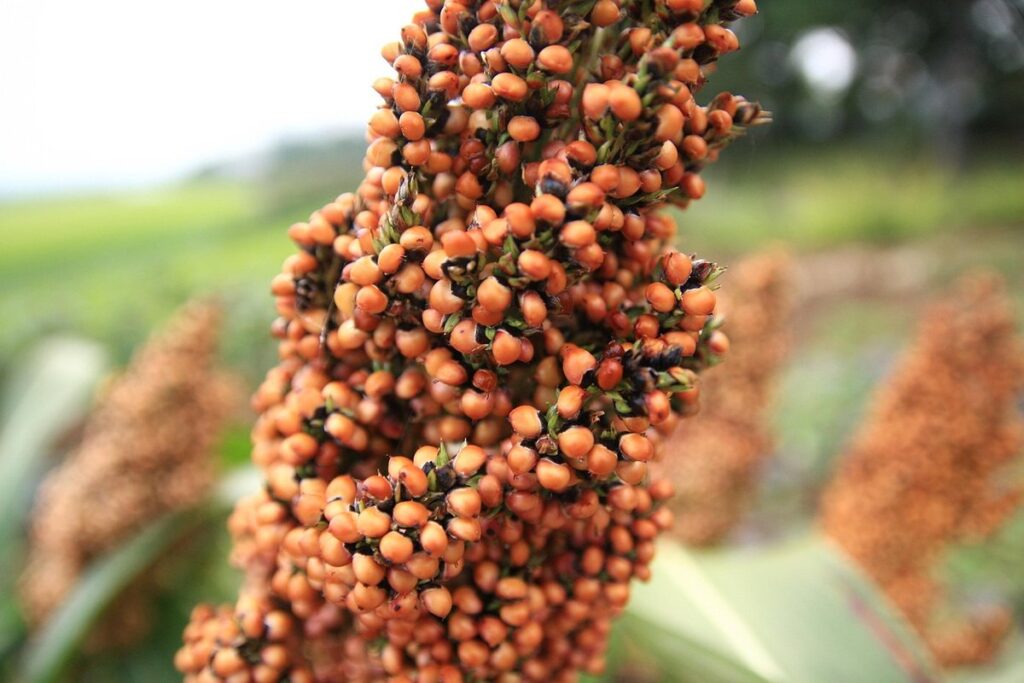
Sorghum is often overlooked in discussions about crops, but this versatile and ancient plant has been a staple for thousands of years. Native to Africa, sorghum was introduced to Asia and the Americas by early traders and settlers, where it quickly became a vital crop for food, animal feed, and even biofuel production. You may not be familiar with sorghum yet, but its history, characteristics, and uses make it an essential topic for anyone interested in agriculture or sustainable living. This article will take you through the basics of what is sorghum plant, including its nutritional value, cultivation practices, and the many ways it’s being used today. By the end of this guide, you’ll have a solid understanding of sorghum’s potential as a crop for the future.
History and Origin of Sorghum
Sorghum has a rich history that spans thousands of years, with ancient civilizations cultivating it for its versatile grains and uses. We’ll take you on a journey through time to explore where sorghum comes from.
Early Domestication and Cultivation
Sorghum was first domesticated around 3000 BCE in Africa, where it remains a staple crop to this day. Archaeological evidence suggests that early farmers selectively bred wild sorghum species for desirable traits such as larger seeds and sweeter stalks. This process of artificial selection allowed sorghum to become a reliable source of food and nutrition.
As trade routes expanded, sorghum spread throughout the ancient world, reaching the Indus Valley Civilization in modern-day Pakistan around 2000 BCE. From there, it was introduced to the Middle East and eventually made its way to the Mediterranean region. Sorghum’s adaptability to different climates and soils allowed it to thrive in a variety of environments.
In Africa, sorghum was often grown alongside other crops like millet and cowpeas. Farmers would typically plant sorghum in June or July, allowing the crop to mature over the dry season. This strategy helped ensure a steady supply of food during times of drought. By understanding how early farmers domesticated and cultivated sorghum, we can appreciate the plant’s resilience and versatility.
Spread and Adaptability
Sorghum’s adaptability is a key factor in its widespread cultivation across various continents. Introduced to Africa by early farmers around 4000 BCE, sorghum spread rapidly throughout the continent and eventually reached Asia via trade routes. From there, it was brought to South America through transatlantic slave trade. This extensive migration allowed sorghum to adapt to diverse climates and soil types.
In Africa, sorghum thrived in the arid savannas of West Africa, where its drought tolerance proved beneficial. In contrast, Asian farmers cultivated sorghum in the fertile plains of India, leveraging its ability to tolerate cooler temperatures and higher rainfall. Similarly, South American farmers utilized sorghum’s adaptability to grow it in the tropical regions of Brazil.
Sorghum’s versatility also allowed it to be grown as a forage crop for livestock or as a broomcorn substitute for brushes and dusters. This flexibility has made sorghum an essential crop for many cultures worldwide, each exploiting its unique characteristics to suit their local needs. As global temperatures continue to rise, understanding the genetic basis of sorghum’s adaptability can provide valuable insights for breeding more resilient crops.
Characteristics and Types of Sorghum
Sorghum is a versatile crop that comes in various forms, each with its unique characteristics and uses. Let’s take a closer look at the different types of sorghum plants.
Physical Description and Growth Habits
Sorghum plants typically range from 2 to 12 feet tall, with an average height of around 5-6 feet. The plant’s stem is often thick and succulent, with a diameter that can reach up to 1 inch. The leaves are arranged alternately along the stem, with a lance-shaped or ovate shape and a pointed tip. They usually range from 4 to 12 inches long and have a smooth edge.
The leaf structure of sorghum is characterized by having a single vein running along its length, giving it a prominent midrib. The leaves can be dark green to pale yellow in color, depending on the variety. Sorghum plants often grow upright, but some varieties may exhibit a more sprawling or prostrate habit, especially when grown under drought conditions.
In terms of growth habits, sorghum is generally considered a warm-season crop that thrives in temperatures above 64°F (18°C). It requires full sun to partial shade and well-drained soil to grow optimally. The plant’s growth rate can be influenced by factors such as moisture levels, nutrient availability, and pest/disease pressure.
Different Types of Sorghum (Grain, Forage, and Broomcorn)
Sorghum is a versatile crop with multiple uses, depending on its type. The three main types of sorghum are grain, forage, and broomcorn.
Grain sorghum is used primarily as a food source for humans and livestock. It’s a popular ingredient in various cuisines, particularly in Africa and Asia, where it’s often ground into flour or made into porridge. In the United States, grain sorghum is mainly grown for animal feed, with its high protein content making it an attractive option for poultry and cattle farmers.
Forage sorghum, on the other hand, is used as a livestock feed supplement during times of drought or when pastureland is scarce. It’s often mixed with hay or other grains to create a nutritious feed blend.
Broomcorn sorghum has a unique use: its sturdy stalks are harvested for broom-making. The stems are cleaned and processed into bundles, which can then be used to make traditional brooms or modern dusting tools. Broomcorn is typically grown in the Great Plains region of the United States, where it’s prized for its durability and effectiveness.
Each type of sorghum serves a distinct purpose, highlighting the crop’s adaptability and versatility.
Uses and Applications of Sorghum
Sorghum is a versatile crop with a wide range of uses, from food and feed to biofuel and bioproducts. We’ll explore its many practical applications in this section.
Food and Beverage Production
Sorghum’s versatility as a food and beverage crop is evident in its widespread use across various cultures. In Africa, sorghum is a staple ingredient in traditional dishes such as injera, a sourdough flatbread, and kenkey, a fermented corn dough. In Asia, it’s used to make millet-based drinks like horchata, as well as in desserts like mochi. In the Americas, sorghum is incorporated into tamales, a traditional Mesoamerican dish.
In terms of nutritional benefits, sorghum is an excellent source of protein, fiber, and various micronutrients including iron, magnesium, and potassium. Its high antioxidant content also makes it a potential anti-inflammatory agent. When consumed as part of a balanced diet, sorghum can help lower cholesterol levels and regulate blood sugar.
To incorporate sorghum into your cooking, start by experimenting with different types, such as white or red sorghum, which have distinct flavor profiles. You can also try substituting it for other grains like rice or quinoa in recipes. When using sorghum flour to make baked goods, be aware that it absorbs more liquid than wheat flour, so adjust your recipe accordingly.
Animal Feed and Livestock Industry
Sorghum serves as a vital component in animal feed, particularly for livestock such as cattle and poultry. Its importance stems from its nutritional profile, which complements traditional grains like corn and soybeans. Sorghum’s high fiber content helps improve digestive health in animals, reducing the risk of gastrointestinal issues.
In addition to enhanced digestion, sorghum also contributes to improved animal productivity. The grain is rich in essential amino acids, such as lysine and methionine, which are often lacking in standard feed mixes. By incorporating sorghum into their diet, farmers can expect increased weight gain and overall health in their livestock.
One of the key advantages of using sorghum in animal feed is its drought tolerance. Sorghum’s ability to thrive under water-scarce conditions makes it an attractive option for farmers operating in areas with limited water resources. This characteristic allows for greater flexibility in feed production, enabling farmers to adapt to changing environmental conditions.
By incorporating sorghum into their feeding regimens, livestock producers can reap numerous benefits while minimizing the environmental impact of traditional grain cultivation.
Industrial Applications (Biofuel, Paper Production)
Sorghum’s value extends beyond food and animal feed, as it has emerged as a versatile crop for industrial applications. One of the most promising areas is biofuel production. Sorghum’s high biomass yield and low water requirements make it an attractive feedstock for ethanol and biodiesel production. In fact, some companies are already using sorghum to produce biodegradable plastics and chemicals.
In paper manufacturing, sorghum bagasse – the fibrous residue left over after processing – is being used as a sustainable alternative to wood pulp. The bagasse is rich in cellulose and hemicellulose, making it an ideal raw material for producing high-quality paper products. This approach not only reduces waste but also provides a new revenue stream for farmers.
To tap into these opportunities, researchers are working on improving sorghum’s genetic traits to enhance its industrial potential. For instance, scientists are developing sorghum varieties with higher biomass content and easier processing characteristics. As the demand for sustainable and renewable energy sources continues to grow, sorghum is poised to play an increasingly important role in meeting these needs.
Sorghum Nutrition and Health Benefits
Sorghum is not only a versatile crop, but it’s also packed with nutrients that can provide numerous health benefits when consumed. Let’s explore some of its key nutritional advantages.
Nutritional Profile and Micronutrients
Sorghum is an excellent source of dietary fiber, containing both soluble and insoluble types. The soluble fiber content helps to slow down digestion, reducing the risk of blood sugar spikes and improving satiety levels. A 1-cup serving of cooked sorghum provides about 4 grams of fiber, which can contribute significantly to daily fiber intake.
In addition to its high fiber content, sorghum is also a good source of protein, containing all essential amino acids necessary for human health. The protein quality in sorghum is comparable to that of other grains like wheat and barley. Furthermore, sorghum contains various essential micronutrients, including manganese, copper, phosphorus, magnesium, potassium, and iron.
Notably, sorghum is a rich source of antioxidants, particularly ferulic acid and p-coumaric acid, which have been shown to possess anti-inflammatory properties. These compounds can help protect against oxidative stress and chronic diseases such as heart disease, diabetes, and certain cancers. The nutritional profile of sorghum makes it an attractive option for health-conscious consumers seeking gluten-free alternatives to traditional grains.
Potential Health Benefits (Gluten-Free, Anti-Inflammatory)
Sorghum’s nutritional profile offers several potential health benefits, particularly for individuals with gluten intolerance or sensitivity. Its gluten-free status makes it an attractive option for those who struggle with wheat-based products. Studies suggest that sorghum contains a unique combination of proteins and carbohydrates that may help reduce inflammation in the body. The anti-inflammatory properties are attributed to the presence of phenolic compounds, which have been shown to inhibit the production of pro-inflammatory enzymes.
Incorporating sorghum into your diet may be beneficial for managing conditions such as celiac disease or non-celiac gluten sensitivity. However, it’s essential to note that not all sorghum products are created equal. Look for certified gluten-free labels and choose products from reputable manufacturers. Additionally, cooking methods can impact the retention of nutrients, so try steaming or roasting sorghum instead of boiling it.
Some potential health benefits associated with consuming sorghum include:
- Reduced inflammation and improved gut health
- Lower risk of chronic diseases such as heart disease and diabetes
- Enhanced nutrient absorption due to its easily digestible protein structure
Cultivation and Production Practices
Sorghum cultivation requires careful planning, from seed selection to harvesting, as it’s sensitive to weather conditions and soil types. Let’s examine some key practices that ensure a successful crop.
Climate and Soil Requirements
Sorghum is a versatile crop that thrives in diverse climates and soil types. However, it does have specific requirements to optimize growth and productivity. The ideal temperature range for sorghum cultivation varies depending on the type: grain sorghum grows best in temperatures between 65°F (18°C) and 95°F (35°C), while sweet sorghum tolerates higher temperatures up to 100°F (38°C). In areas with mild winters, it can be grown as a winter crop.
Sorghum requires well-drained soil with a pH range of 5.5 to 7.0. It is relatively drought-tolerant but performs best when the top 2 inches of soil receive about 20-25 inches of rainfall annually. In regions with limited water supply, supplemental irrigation can be beneficial. To prepare the soil for sorghum cultivation, it’s essential to incorporate organic matter and fertilizers according to soil test recommendations.
Sorghum is also suitable for areas with poor soil fertility due to its ability to fix atmospheric nitrogen through symbiotic relationships with rhizobia bacteria. However, maintaining adequate moisture levels during critical growth stages remains crucial.
Best Practices for Sorghum Farming (Crop Rotation, Pest Management)
Crop rotation is a crucial practice for maintaining soil fertility and reducing pests’ adaptability to specific crops. Sorghum farmers can alternate between sorghum, maize, and wheat to break disease cycles and replenish nutrients. For example, planting a legume like cowpea after sorghum can fix nitrogen in the soil, benefiting subsequent crops.
Integrated pest management (IPM) involves monitoring for pests, applying control measures only when necessary, and adopting physical barriers or biological controls whenever possible. Farmers should scout their fields regularly to identify early signs of infestation. When needed, use targeted chemical treatments rather than blanket spraying, which can harm beneficial insects and contaminate soil.
Some specific practices include:
- Planting trap crops like mustard or sesame to lure pests away from sorghum
- Encouraging beneficial insects through habitat creation (e.g., bee hotels)
- Implementing conservation tillage to reduce soil disturbance and erosion
For small-scale farmers, adopting a few of these strategies can improve crop yields while minimizing environmental impact. Larger operations may require more extensive planning and coordination with neighboring farms to optimize the benefits of integrated pest management.
Challenges and Future Directions in Sorghum Research
As we explore the vast potential of sorghum, it’s essential to acknowledge the challenges that researchers are currently facing and the exciting future directions for this crop. Let’s examine some of the key hurdles and innovations on the horizon.
Climate Change Impacts and Resilience
Sorghum is one of the most climate-resilient crops globally, but it’s not immune to the effects of climate change. Rising temperatures and changing precipitation patterns can impact sorghum yields, reduce its quality, and increase its susceptibility to pests and diseases. In areas with high temperatures, sorghum may experience heat stress, leading to reduced growth rates and lower grain production.
Warmer temperatures also facilitate the spread of devastating pests like the fall armyworm, which can decimate entire fields in a short period. Droughts can further exacerbate these issues by reducing soil moisture and making it harder for sorghum to access water.
To enhance sorghum’s resilience, researchers are exploring various strategies, including breeding new climate-tolerant varieties and developing more efficient irrigation systems. Some farmers are also adopting conservation agriculture practices that promote soil health, reduce erosion, and minimize the need for tillage. These approaches can help mitigate some of the impacts of climate change on sorghum yields and ensure a stable food supply in the face of an increasingly unpredictable climate.
Breeding programs are focusing on developing varieties with improved drought tolerance, heat stress resistance, and disease resistance.
Genetic Improvement and Biotechnology Applications
Sorghum breeders and researchers are actively exploring genetic improvement methods to enhance crop yields, disease resistance, and drought tolerance. One promising approach is using biotechnology applications, such as genetic modification (GM) or marker-assisted selection (MAS). GM involves introducing desirable traits from other organisms into the sorghum genome, while MAS relies on identifying specific genes associated with desired characteristics.
For instance, scientists have developed GM sorghum varieties with improved water use efficiency and enhanced drought tolerance. These modifications can be achieved by introducing genes from other plants that have evolved to thrive in arid environments. Researchers are also leveraging gene editing tools like CRISPR/Cas9 to introduce precise changes to the sorghum genome.
To accelerate genetic improvement, researchers often employ a combination of conventional breeding methods with biotechnology applications. This hybrid approach allows for more efficient selection and introgression of desired traits into commercial varieties. As new technologies emerge, we can expect continued advancements in sorghum genetics and improvement strategies.
Frequently Asked Questions
Can I Grow Sorghum in My Backyard?
Yes, with proper climate and soil conditions, sorghum can be grown in home gardens. It requires well-draining soil and full sun to partial shade. Research your local climate and choose a variety suitable for small-scale cultivation.
How Do I Use Sorghum as a Substitute for Other Grains?
Sorghum can be used as a substitute for wheat, barley, or rye in various recipes due to its neutral flavor and similar texture. However, note that sorghum has a slightly sweet taste, so adjust seasoning accordingly. Experiment with different cooking methods and ratios of sorghum to other ingredients.
Is Sorghum Suitable for Organic Farming?
Yes, sorghum is a good crop for organic farming due to its ability to thrive in poor soil conditions and require minimal pesticides. It also attracts beneficial insects and promotes soil health through its deep roots. Consider incorporating sorghum into your rotation as a cover crop or cash crop.
Can I Use Sorghum as Biofuel?
Sorghum is a promising feedstock for biofuel production due to its high biomass yield and low water requirements. However, the conversion process requires specialized equipment and expertise. Research local regulations and consult with experts before attempting to produce biofuels from sorghum.
How Do I Store Sorghum Grains to Preserve Their Nutritional Value?
Proper storage of sorghum grains is crucial to maintain their nutritional value. Store them in a cool, dry place with low humidity, away from direct sunlight and pests. Airtight containers or bins can help preserve the grain’s quality for extended periods.
