
When venturing into Ontario’s great outdoors, it’s easy to get caught up in the beauty of nature. However, beneath its lush canopy and vibrant wildflowers lie some unsavory secrets: poisonous weeds. These plants may seem harmless at first glance, but they can cause harm or even death if ingested, touched, or handled improperly. In Ontario alone, there are several species that pose a threat to humans and animals alike. Identifying these weeds correctly is crucial for safe handling and prevention. This guide will walk you through identification methods for common poisonous weeds in Ontario, provide essential tips on safe handling practices, and discuss control measures to keep your family, pets, and property protected from harm. By the end of this comprehensive guide, you’ll be equipped with the knowledge to confidently identify, handle, and prevent poisonous weeds in Ontario.
Understanding Poisonous Weeds
When identifying poisonous weeds, it’s crucial to recognize their unique characteristics and growth patterns. Let’s take a closer look at some of the most common poisonous weeds found in Ontario.
Common Types of Poisonous Weeds Found in Ontario
Ragwort (Senecio jacobaea), Buttercup (Ranunculus acris), and Hemlock (Conium maculatum) are three of the most common poisonous weeds found in Ontario. Ragwort is a biennial plant with bright yellow flowers, often growing near roadsides and disturbed areas. Its leaves are deeply lobed, resembling oak or maple leaves, which can be deceiving for inexperienced observers.
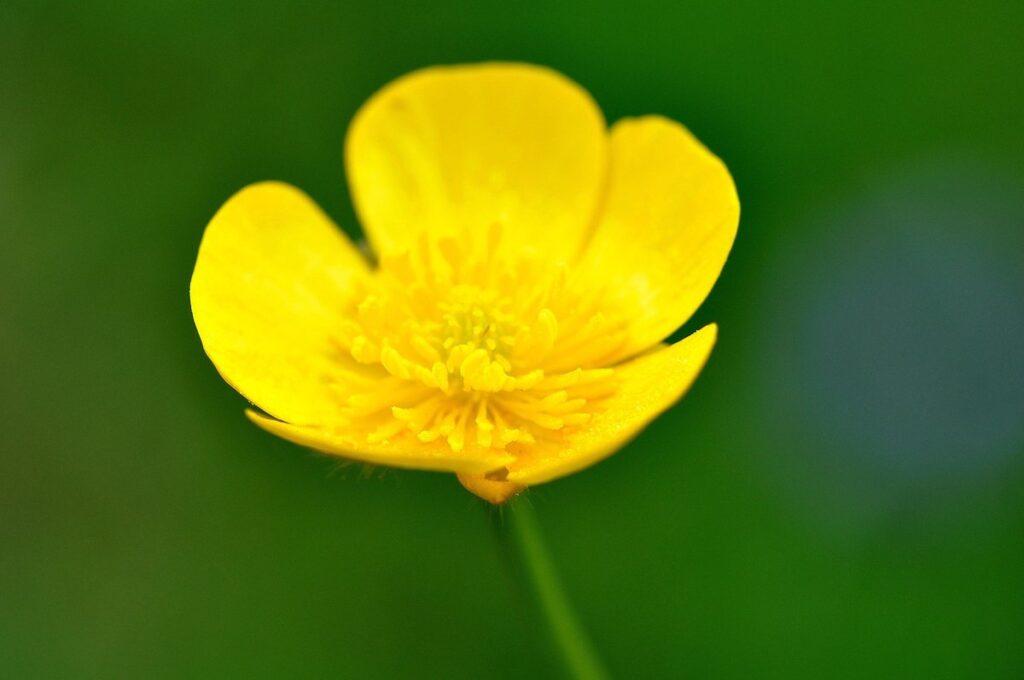
Buttercup is an annual or perennial weed with small white flowers and long-stemmed petals that resemble tiny parachutes. It thrives in moist environments, such as meadows, pastures, and along streams. Be cautious when walking through areas where Buttercup grows, as its sap can cause skin irritation and blisters.
Hemlock is a biennial or perennial plant with umbrella-like clusters of small white flowers. Its leaves are fern-like and have a distinctive purple tint on the veins. Hemlock often grows in woodland edges, along rivers, and in shaded areas. Handling Hemlock can be particularly hazardous due to its potent neurotoxin.
Characteristics and Lookalikes
The characteristics of poisonous weeds can be deceivingly similar to those of harmless plants. Take, for instance, poison hemlock (Conium maculatum). Its fern-like foliage and white or purple flowers may remind you of Queen Anne’s lace or wild carrot, both of which are edible. However, the presence of purple spots on the stem, a characteristic often overlooked by novice botanists, is a key identifier for poison hemlock.
On the other hand, water hemlock (Cicuta maculata) can be mistaken for wild celery or parsnip due to its similar leaf shape and size. But look closely at the base of the leaf stalks: they are typically purplish-red in color, a trait not shared by its harmless counterparts.
To avoid misidentification, familiarize yourself with the distinct features of each poisonous weed species. For example, the presence of milky sap when broken is a telltale sign of poison ivy (Toxicodendron radicans). Similarly, the appearance of small, yellowish-green flowers in clusters on tall stems can indicate the presence of ragwort (Senecio jacobaea).
In Ontario, it’s essential to be aware of these lookalikes and double-check plant identifications before attempting to use them for food or other purposes.
Identification Methods and Tools
To accurately identify poisonous weeds in Ontario, Canada, it’s essential to know the telltale signs of each species, from leaf shape to flower color. Let’s take a closer look at some key identification methods and tools to get you started.
Visual Identification: Key Features and Habitats
When identifying poisonous weeds in Ontario, several key visual features can be used to distinguish them from non-toxic plants. One of the primary characteristics is leaf shape and arrangement. For example, poison hemlock (Conium maculatum) has fern-like foliage with small leaves that grow in a rosette pattern at the base of the stem. In contrast, wild carrot (Daucus carota) has lacy, compound leaves with an umbrella-like shape.
Another crucial factor is plant size and growth habit. Some poisonous weeds can grow quite tall, such as the giant hogweed (Heracleum mantegazzianum), which can reach heights of over 3 meters. Its large, flat-topped inflorescence is also distinctive. On the other hand, poison ivy (Toxicodendron radicans) tends to form thick, woody vines that cling to trees and other structures.
Pay attention to the plant’s color patterns as well. Some poisonous weeds have bright, showy flowers like the death camas (Zigadenus venenosus), which has white or pinkish-purple blooms in late spring. Be aware of the specific habitats where these plants tend to grow. For instance, water hemlock (Cicuta maculata) often thrives near water sources and along riverbanks.
Using Field Guides and Mobile Apps
For accurate identification of poisonous weeds in Ontario, field guides and mobile apps can be valuable resources. The Ontario Field Guide to Noxious Weeds is a comprehensive resource available online, providing detailed descriptions and images of common noxious weeds found in the province.
Mobile apps like PlantSnap (free) and Leafsnap (available for download on iOS and Android devices) offer user-friendly interfaces that allow users to take photos of plant specimens and receive identification results. These apps often include information on potential lookalikes and precautions for handling each species.
Another useful app is Weeds Canada, developed by Agriculture and Agri-Food Canada, which provides a database of invasive and noxious weeds found in the country, including Ontario. Users can search by location or plant name to access detailed descriptions, images, and management recommendations.
When using these resources, it’s essential to note that while they can aid in identification, they should not be relied upon exclusively. A combination of visual observation, field guides, and expert guidance is often necessary for accurate identification.
Safe Handling and Disposal Practices
When dealing with poisonous weeds, proper handling and disposal are crucial steps to avoid exposure and harm. This section will guide you through safe practices for removing and disposing of these plants.
Proper Equipment and Protective Gear
When handling poisonous weeds, it’s essential to have the right equipment and protective gear to minimize exposure to toxic compounds. Start with a pair of gloves, specifically designed for gardening or landscaping work. These should be made from materials like nitrile or latex, which provide a good barrier against oils and toxins. Choose gloves that are long enough to cover your wrists, as this will help prevent any potential irritants from reaching your skin.
Next, consider wearing a mask to protect yourself from inhaling spores or particles released by the weeds. Opt for a mask with a filter rating of N95 or FFP2, which can capture 95% of airborne contaminants. Don’t forget eye protection, such as goggles or safety glasses, to shield your eyes from any potential splashes or spills.
In addition to these essentials, consider wearing long sleeves, pants, and closed-toe shoes to cover as much skin as possible. This will help prevent accidental exposure to toxic compounds through cuts or scrapes. Finally, wash your hands thoroughly with soap and water after handling poisonous weeds, even if you’re wearing gloves.
Correct Disposal Methods: Landfills and Composting
When disposing of poisonous weeds, it’s essential to follow specific guidelines for landfills and composting facilities. In Ontario, Canada, these regulations vary by region and facility. Before taking your weeds to a landfill or composting site, call ahead to confirm they accept hazardous materials. Some landfills have designated areas for hazardous waste, while others may not.
For composting facilities, most will accept non-hazardous weeds, but the type of weed can be a factor. For example, some composting sites might reject weeds with invasive species like Japanese knotweed or giant hogweed. These plants can harm beneficial microorganisms and create problems in future compost products.
If you’re unsure about a facility’s policies, ask if they have a hazardous waste program or a specific protocol for handling poisonous weeds. Some facilities may require special containers or labeling. When transporting your weeds, make sure to follow all applicable regulations and take necessary precautions to prevent spills or exposure.
When preparing weeds for composting, remove any flowers or seeds to prevent them from spreading during the decomposition process. Also, be aware of any facility-specific requirements for weed quantities or types.
Prevention and Control Measures
To avoid exposure to poisonous weeds, it’s essential to take proactive steps in your garden and surrounding areas. Effective prevention and control measures can be implemented through regular monitoring and targeted removal strategies.
Understanding the Life Cycle of Poisonous Weeds
Understanding the life cycle of poisonous weeds is essential for effective control and prevention. In Ontario, common species like poison hemlock (Conium maculatum) and water hemlock (Cicuta maculata) have a distinct growth pattern that affects their spread and toxicity.
Germination typically occurs in early spring or late summer, depending on the species. Poisonous weeds often germinate from underground roots or rhizomes, allowing them to quickly colonize new areas. As they grow, these weeds can reach impressive heights, outcompeting native vegetation for resources like water and nutrients. Water hemlock, for example, can grow up to 2 meters tall in a single season.
Seed dispersal is another critical phase in the life cycle of poisonous weeds. Many species produce small, lightweight seeds that are easily transported by wind or water. This allows them to spread rapidly across large areas, making control efforts even more challenging. Understanding these life stages helps you target the most effective control methods, such as removing seed heads before they mature or using herbicides during periods of optimal germination. By recognizing these patterns, you can develop a more comprehensive strategy for managing poisonous weeds in your Ontario garden or community.
Effective Control Methods: Herbicides, Mowing, and Mulching
When controlling poisonous weeds, it’s essential to choose methods that are effective yet safe for the environment. Herbicides can be a viable option, but their use should be restricted to severe infestations and following strict guidelines. Always read and follow the label instructions on the herbicide product you’re using. Some popular herbicides in Ontario include glyphosate (Roundup) and 2,4-D.
Mowing is another control method that can be used for smaller areas or individual weeds. However, it’s crucial to remove as much of the root system as possible to prevent regrowth. Use a sharp blade and avoid mowing during peak growth periods when poisonous weeds are producing seeds. Regularly maintaining your lawn with proper mowing techniques can also help prevent weed growth.
Mulching is an effective long-term solution for large areas or preventing weed seed germination. Organic mulches like wood chips or bark can suppress weed growth by blocking light and reducing soil temperature. Apply a thick layer (at least 3-4 inches) of organic mulch, keeping it at least 6 inches away from plants to prevent burning.
When choosing control methods, consider the type of poisonous weed you’re dealing with. For example, if you have an area heavily infested with poison hemlock or water hemlock, herbicides may be necessary for effective control.
Environmental and Health Impacts
Exposure to poisonous weeds can have serious environmental and health consequences, affecting both ecosystems and human populations. We’ll examine these impacts in more detail below.
Risks to Humans, Pets, and Livestock
Exposure to poisonous weeds can have severe consequences for humans, pets, and livestock. In Ontario, Canada, several species of poisonous weeds are known to cause harm, including poison hemlock (Conium maculatum), water hemlock (Cicuta maculata), and giant hogweed (Heracleum mantegazzianum).
When ingested, these plants can lead to a range of symptoms, from mild discomfort to life-threatening conditions. In humans, poisoning can cause numbness or tingling in the face and extremities, followed by respiratory failure and cardiac arrest if left untreated. Pets may exhibit similar symptoms, including drooling, vomiting, and seizures.
Livestock are also susceptible to poisonous weed exposure, with grazing animals often being affected due to their diet of grasses and leaves. Symptoms can include abdominal pain, diarrhea, and difficulty breathing. In severe cases, poisoning can lead to the death of livestock.
It is essential for individuals handling or encountering these plants to take precautions and seek medical attention if they suspect poisoning has occurred. If you suspect your pet or livestock have ingested a poisonous weed, contact a veterinarian immediately.
Impact on Ecosystems and Wildlife Habitat
When poisonous weeds spread into native ecosystems, they can outcompete native plants for resources such as light, water, and nutrients. This can lead to a decline in biodiversity as native species are displaced or even driven to extinction. For example, the common ragweed (Ambrosia artemisiifolia) is known to form dense stands that exclude other vegetation, altering soil chemistry and nutrient cycling.
In Ontario’s natural areas, such as wetlands, forests, and grasslands, poisonous weeds can dominate habitats that are critical for many native species. The invasive Canada thistle (Cirsium arvense), for instance, can form large colonies that crowd out native wildflowers and grasses, leading to a loss of habitat quality and functionality.
Native wildlife often relies on specific plant communities to survive, so the presence of poisonous weeds can have cascading effects throughout entire ecosystems. For example, some birds rely on certain native plants for food and shelter; when these plants are displaced by invasive species, the birds may struggle to find alternative sources of sustenance or habitat.
Community Engagement and Education
As we explore ways to safely coexist with poisonous weeds, it’s essential that we also empower ourselves and others with knowledge on how to identify and manage these plants. Let’s learn about community-driven initiatives that promote weed awareness and education.
Reporting Poisonous Weeds to Authorities
If you suspect you’ve found a poisonous weed in your area, it’s essential to report it to the relevant authorities. In Ontario, Canada, you can start by contacting your local conservation authority or municipality. Many conservation organizations have dedicated programs for reporting invasive species, including poisonous weeds.
For example, the Ontario Federation of Anglers and Hunters (OFAH) has a program called “Report INVASIVES!” which allows citizens to report sightings of invasive plants, including poisonous weeds. Similarly, the Ministry of Natural Resources and Forestry (MNRF) also accepts reports through their website or by contacting local conservation authorities.
When reporting a sighting, be sure to provide as much detail as possible, including photos or descriptions of the plant’s characteristics, location, and any other relevant information. This will help authorities assess the situation and determine the best course of action for removal and control. By working together with local authorities, you can help prevent the spread of poisonous weeds in your community.
Educating Children and Family Members
Educating children and family members about the dangers of poisonous weeds is crucial to prevent accidents and promote a safe environment. When it comes to young children, they often explore their surroundings through touch and taste, making them more vulnerable to poisoning. Explain to them that some plants look harmless but can be deadly, using examples like poison ivy or poison hemlock.
Teach them the basic principles of plant identification: leaves, flowers, stems, and growth habits. Encourage children to observe the plants’ characteristics, such as their color, shape, and texture, from a safe distance. You can also involve your kids in foraging for edible wild plants under adult supervision.
For older family members or caregivers, provide more detailed information on the poisonous weeds found in Ontario, including their habitats and potential lookalikes. Share practical tips on how to prevent exposure, such as wearing protective clothing when working outdoors or avoiding areas with known infestations.
Frequently Asked Questions
What If I Accidentally Touch or Ingest Poisonous Weeds?
Yes, it’s possible to experience minor skin irritation or allergic reactions if you touch poisonous weeds. However, ingesting them can lead to more severe symptoms like nausea, vomiting, and even organ damage. If you suspect poisoning, seek medical attention immediately.
Can I Use Regular Gardening Gloves to Handle Poisonous Weeds?
No, regular gardening gloves may not provide adequate protection against the toxic compounds found in poisonous weeds. It’s essential to use heavy-duty, chemical-resistant gloves specifically designed for handling hazardous materials like these plants. This will help prevent skin exposure and reduce the risk of allergic reactions.
How Do I Prevent Children or Pets from Accidentally Ingesting Poisonous Weeds?
When educating children about poisonous weeds, emphasize the importance of staying away from unfamiliar plants. Keep a safe distance between pets and potentially toxic areas. Regularly inspect your yard for signs of poisonous weeds and remove them promptly to prevent accidental ingestion.
What If I’m Unable to Remove All Poisonous Weeds from My Property?
If you’re unable to completely eradicate poisonous weeds, consider implementing long-term control measures like mulching or using a pre-emergent herbicide. These methods can help suppress weed growth and reduce the risk of re-infestation. Consult local experts for personalized advice on your specific situation.
Can I Use Compost from Poisonous Weeds in My Garden?
No, it’s not recommended to compost poisonous weeds as they can still contain toxic compounds that can harm plants and microorganisms in the soil. Instead, dispose of them through a certified hazardous waste facility or follow local guidelines for disposing of toxic materials.
