
Small hive beetles are a constant threat to bee colonies, causing significant damage and stress. These pests can wreak havoc on your hives, infesting honeycombs and contaminating food stores. But have you ever stopped to think about what drives their behavior? Understanding the small hive beetle life cycle is crucial for effective management strategies. You see, these beetles go through a complex series of stages, from egg to larva to adult, each phase affecting the overall dynamics of your colony. A thorough comprehension of this process will allow you to anticipate and prevent infestations, ultimately promoting healthy hives. In this article, we’ll take a closer look at the life cycle of small hive beetles, exploring how it affects bee colonies and providing practical advice on prevention and management. By the end of this guide, you’ll be equipped with the knowledge necessary to safeguard your bees from these pesky pests.
Understanding Small Hive Beetles
Small hive beetles are a major concern for beekeepers, and understanding their life cycle is crucial to managing infestations effectively. We’ll start by breaking down the basics of these pesky insects.
What Are Small Hive Beetles?
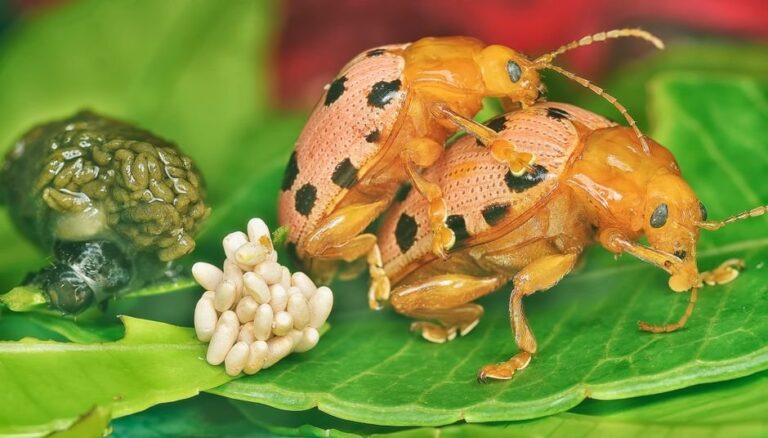
Small hive beetles are a type of insect that can infest beehives and cause significant damage to honeycombs. Adult small hive beetles are typically 6-10 millimeters long, oval-shaped, and have a brown or black coloration with a distinctive yellow or white stripe running along their back. They also have a flat, broad head and six legs.
One way to distinguish small hive beetles from other insects is by their size and shape. They are often mistaken for ants or small bees due to their similar size and body structure. However, close inspection will reveal the beetle’s characteristic yellow stripe and the distinctive way they move with an unusual gait.
In beehives, small hive beetles can be found in areas where honeycomb cells have been damaged or destroyed. They are attracted to the sweet, fermented smell of honey and will often lay their eggs in these areas. Understanding the physical characteristics of small hive beetles is crucial for beekeepers to identify infestations early on and take necessary steps to manage them before they cause significant damage to their beehives.
Importance of Small Hive Beetles in Bees
Small hive beetles pose a significant threat to bee colonies, with their presence potentially impacting honey production, wax quality, and overall colony health. One of the primary concerns is the beetles’ role in introducing bacteria that can contaminate honey. These pathogens can seep into stored honey, compromising its quality and even rendering it unfit for consumption.
In addition to this, small hive beetles can also compromise the structural integrity of the beehive by damaging comb cells. This damage can lead to a decline in wax quality, as bees may struggle to repair or replace damaged cells. Moreover, the physical presence of adult beetles within the hive can stress the colony, leading to a decrease in overall health and productivity.
A compromised beehive is more susceptible to other pests and diseases, creating a vicious cycle that can be difficult to break. To mitigate these risks, beekeepers must remain vigilant in monitoring for signs of small hive beetle infestations and take swift action to prevent their spread. Regular inspections and prompt control measures are crucial in maintaining the health and productivity of the colony.
Egg Stage: The Beginning of a Beetle’s Life
The egg stage is where it all begins for small hive beetles, marking the start of their remarkable life cycle. Let’s take a closer look at how these tiny eggs develop into larvae.
How Small Hive Beetle Eggs Are Laid
Female small hive beetles typically lay their eggs in the brood nest of an infested beehive. The preferred locations for egg-laying are often areas with high humidity and moisture, such as near honeycomb cells that have been compromised by the beetles’ larvae or other damage.
Eggs are usually laid at night, when the bees are less active, allowing the female beetles to move around more freely. This strategic timing enables the eggs to develop in a relatively safe environment, shielded from the majority of the colony’s defensive activities.
The choice of egg-laying site is crucial for beetle reproduction. Areas with abundant food sources and high humidity create ideal conditions for larval development and pupation. Female beetles tend to return to these sites repeatedly, often laying eggs in the same locations where they themselves emerged as adults.
This behavior highlights the importance of maintaining a clean and healthy beehive environment to prevent small hive beetle infestations. Regular inspections and proper management practices can help identify potential egg-laying sites and reduce the likelihood of beetle reproduction.
Characteristics of Small Hive Beetle Eggs
Small hive beetle eggs are tiny, typically measuring between 0.8 and 1.2 millimeters in length. They are oval-shaped and usually a pale yellowish color with two small, dark-colored spots at the top end. One distinctive feature of these eggs is their smooth, glossy surface, which helps them blend in with the surrounding material where they’re laid.
Eggs are often laid in clusters on bee brood or honeycomb cells, and it’s not uncommon for multiple eggs to be attached to a single cell. This behavior allows small hive beetles to optimize space usage and increase their reproductive success. The dark spots at the top of each egg serve as an identification feature; they help distinguish these eggs from other pests that might be present in the colony.
When inspecting your bees, it’s essential to look for these characteristic features when searching for small hive beetle eggs. Keep in mind that eggs can be difficult to spot, especially if they’re laid in clusters or on complex honeycomb structures. A close examination under magnification may be necessary to confirm the presence of these tiny pests.
Larval Stage: The Hungry Instar
The larval stage of a small hive beetle is where the real feeding frenzy begins, as these hungry insects devour everything in their path. They’re voracious eaters, consuming nectar, pollen, and even the honey itself.
What to Expect from Small Hive Beetle Larvae
Small hive beetle larvae are voracious eaters, consuming a significant portion of their surroundings as they grow. They feed on dead honey bee brood, honey, and other stored food within the colony. In a matter of days, a larva can consume an entire egg cell or a substantial amount of honeycomb.
The larvae’s feeding habits have a profound impact on the health and productivity of the bee colony. As they feast on the colony’s stores, they leave behind a trail of destruction, compromising the colony’s ability to produce food and protect itself from disease.
During this stage, larvae can grow at an alarming rate, often doubling in size every few days. This rapid growth is fueled by their insatiable appetite for nutrients, which they obtain from the colony’s stored resources.
It’s essential to monitor your colony closely during this period, as the presence of small hive beetle larvae can quickly spiral out of control if left unchecked. Regular inspections and proactive management strategies can help mitigate the damage caused by these pests.
Managing Small Hive Beetle Infestations at the Larval Stage
When managing small hive beetle infestations at the larval stage, it’s crucial to adopt integrated pest management (IPM) strategies. This involves monitoring for signs of larvae, such as frass or tunnelling, and taking action before populations explode. A common mistake is to rely solely on chemical treatments, which can harm beneficial insects and even exacerbate the infestation in the long run.
Instead, consider combining physical removal with non-toxic treatments like diatomaceous earth or essential oils. For example, you can use a combination of neem oil and soap solution to repel larvae from food stores and prevent them from developing further. Be cautious not to over-treat, as this can also harm your colony.
Some additional strategies for managing larval infestations include:
- Monitoring temperature and humidity levels to create an environment less conducive to beetle growth
- Improving hive hygiene through regular cleaning and inspection of comb cells
- Reducing stress on the colony by providing adequate food stores and maintaining a healthy bee population
Pupal Stage: Transformation into Adult Beetles
As we’ve seen the larvae grow and mature, it’s now time to explore how they transform into adult beetles through a crucial pupal stage that sets them up for success. This transformative process is just as fascinating as it is essential for their survival.
Characteristics of Small Hive Beetle Pupae
Small hive beetle pupae are typically around 3-4 millimeters in length and have a distinctive oval shape. They are usually white or pale yellow in color, but can sometimes appear slightly translucent due to their soft exoskeleton. One of the key features that distinguish small hive beetle pupae from other insects is the presence of a short, pointed snout protruding from the front of their head.
In terms of identification, the shape and size of the pupal stage are crucial factors to consider. The oval shape and relatively large size compared to the adult beetle make them easy to spot in bee colonies. Additionally, the pale coloration of the pupae can be an indication that they have recently emerged from the larval stage.
When inspecting for small hive beetle pupae, it’s essential to look for these distinctive characteristics. By recognizing the shape, size, and color of the pupal stage, you’ll be better equipped to identify infestations and take action to prevent them from spreading. Remember that accurate identification is key to effective management and control measures.
Factors Influencing the Duration of the Pupal Stage
Temperature plays a crucial role in determining the duration of the pupal stage for small hive beetles. As with other stages, optimal temperatures range between 65°F and 85°F (18°C to 30°C), but slight variations can significantly impact development time. For instance, at higher temperatures above 90°F (32°C), pupation can be accelerated by up to 50%, while cooler temperatures below 55°F (13°C) may prolong the process by several days.
Humidity levels also affect the pupal stage, with most small hive beetles requiring a relative humidity of 60-80% for optimal development. Prolonged exposure to dry conditions can cause dehydration and stunted growth in emerging adults, whereas excessively high humidity can lead to fungal infections and other issues.
Availability of food resources is another critical factor influencing the duration of the pupal stage. Small hive beetle larvae typically feed on stored honeycomb and pollen during this period, replenishing their energy reserves before emergence as adult beetles. If food sources are scarce or contaminated with pathogens, it may delay or even prevent successful pupation and adult emergence.
Adult Beetles: The Life Cycle’s Final Stage
After emerging from their pupal stage, adult small hive beetles are ready to take on a crucial role in the colony’s ecosystem. We’ll examine the key characteristics of these mature insects.
Small Hive Beetle Adults and Their Behavior
Adult small hive beetles are highly active and mobile insects, spending most of their time on the surface of honeycombs. When foraging, they feed on pollen, nectar, and even bee brood, contributing to colony weakening. Adult beetles have a distinctive habit of rolling into a ball when threatened or disturbed, which helps them conserve energy and protect themselves from predators.
Mating rituals in small hive beetles are complex and involve multiple interactions between males and females. Males engage in agonistic behaviors to establish dominance over rival suitors, while females select the most robust mate based on size and strength. After mating, females can store sperm for extended periods, allowing them to control fertilization.
The presence of adult small hive beetles poses a significant threat to bee colonies. These beetles are known to introduce fungal diseases into hives, which can decimate entire colonies in a matter of weeks. Effective management strategies include regular inspections, trap-jar collections, and targeted insecticides applied during peak beetle activity periods. By understanding the behavior and threats posed by adult small hive beetles, beekeepers can take proactive steps to mitigate their impact on colony health.
Prevention and Control Measures for Adult Beetles
To prevent and control adult small hive beetle infestations, consider implementing integrated pest management (IPM) strategies. Non-toxic treatments like diatomaceous earth can be used to repel beetles, but their effectiveness may vary depending on the severity of the infestation.
Another approach is to use physical barriers to seal entry points and prevent adult beetles from accessing the hive. This can include screening mesh or fine-grade netting over hive entrances.
For more severe infestations, consider using insect growth regulators (IGRs) or pyrethrin-based sprays as a last resort. However, be cautious of the potential harm these chemicals may cause to bees and other beneficial insects in the hive.
To integrate control measures, monitor your hive regularly for signs of adult beetle activity, such as fecal spots on comb or the presence of dead beetles. Regular inspections can help identify infestations early, making it easier to implement effective control strategies.
Environmental Factors Influencing Small Hive Beetle Life Cycles
Environmental conditions have a profound impact on the life cycle of small hive beetles, from temperature and humidity to food availability. Let’s examine how these factors influence their development and behavior.
Temperature Effects on Small Hive Beetle Development
Temperature plays a crucial role in regulating small hive beetle development. The optimal temperature for egg laying is between 75°F and 85°F (24°C to 30°C), with most activity occurring around 82°F (28°C). Temperatures above 90°F (32°C) can slow down egg production, while temperatures below 65°F (18°C) can lead to reduced fertility.
As larvae develop, the optimal temperature range shifts. Between 80°F and 90°F (27°C to 32°C), larvae grow rapidly, but temperatures above 95°F (35°C) can cause them to become sluggish and more susceptible to predation. Conversely, temperatures below 70°F (21°C) slow down larval development.
During the pupal stage, temperatures between 75°F and 85°F (24°C to 30°C) facilitate proper transformation into adult beetles. Temperatures outside this range can prolong or shorten the duration of the pupal stage, affecting the overall life cycle. Extreme temperatures – either too high or too low – can lead to a higher mortality rate among developing small hive beetles.
Humidity’s Role in Small Hive Beetle Reproduction
High humidity is essential for small hive beetle reproduction. Female beetles typically lay their eggs in damp areas of the colony, such as near water sources or on wet combs. This is because the developing larvae feed on honey and pollen, which are often more readily available in humid environments.
Humidity also affects larval growth rates. Larvae fed at 60-80% relative humidity develop faster than those raised at lower humidity levels. Conversely, larvae grown in dry conditions may take longer to mature or even fail to survive. As a result, beekeepers should focus on maintaining consistent moisture levels within the hive.
Adult longevity is also influenced by humidity. Female beetles are more likely to lay eggs and reproduce when they’re not struggling with environmental stressors like heat or dehydration. In contrast, dry conditions can lead to reduced egg-laying and shortened adult lifespans. Maintaining optimal humidity ranges (typically between 50-70%) within the hive will support overall beetle reproduction and lifecycle progression.
Conclusion: Managing Small Hive Beetles through Understanding Their Life Cycle
Now that you’ve learned about the life cycle of small hive beetles, it’s time to think strategically about how to manage these pests effectively. By understanding their lifecycle, you can take proactive steps to protect your bees and colonies.
Recap of Key Points about Small Hive Beetle Life Cycles
Understanding small hive beetles’ life cycles is a crucial step in developing effective management strategies. By grasping the intricacies of their development from egg to adult, beekeepers can pinpoint areas where intervention is most necessary and implement targeted control measures.
To recap, we’ve covered the various stages of a small hive beetle’s life cycle: egg, larval, pupal, and adult. During the egg stage, female beetles lay eggs in honeycombs or brood nests, often in areas with high moisture content. These eggs are white, oval-shaped, and typically around 1-2 millimeters in length.
In the larval stage, the hungry instar emerges from the eggs and begins to feed on bee larvae, pollen, or honey. This stage is characterized by rapid growth and development, during which the larva molts several times. Managing small hive beetle infestations at this stage involves detecting early signs of infestation, such as a strong odor or the presence of live beetles.
The pupal stage follows the larval stage, during which the developing adult undergoes significant physical transformations. Factors influencing the duration of this stage include temperature and humidity levels within the beehive. Adult small hive beetles emerge from their pupae after several days to weeks, depending on environmental conditions.
Practically speaking, understanding these life cycle stages is essential for implementing effective management strategies. For instance, monitoring temperature and humidity levels can help predict when adult beetles are likely to emerge, allowing beekeepers to take proactive measures to prevent infestations.
Frequently Asked Questions
What if I’ve already treated my hive for small hive beetles but the problem persists? How long does it take to see results?
When treating your hive for small hive beetles, it’s essential to be patient and persistent. Seeing immediate results is unlikely; it may take several weeks or even months to notice a significant reduction in beetle populations. Factors such as temperature, humidity, and food availability can influence the effectiveness of treatments.
Can I prevent small hive beetles from laying eggs by removing infested brood frames? How far do they travel?
Small hive beetles are capable of traveling considerable distances in search of food and potential mates. While removing infested brood frames is a crucial step in managing beetle populations, it may not completely prevent egg-laying. Beetles can still find other areas to lay eggs, especially if the hive’s conditions remain conducive to their reproduction.
How do I know when my hive has reached a stable population of small hive beetles? Are there any signs or indicators?
Monitoring your hive regularly for signs of beetle activity is crucial in determining whether the population has stabilized. Look for changes in brood production, honeycomb quality, and adult beetle numbers. A stable population will have consistent levels of activity, whereas fluctuations may indicate ongoing infestation.
Can I use integrated pest management (IPM) strategies to control small hive beetles without harming my bees? What are some recommended methods?
Yes, IPM is a viable approach for managing small hive beetles while minimizing harm to your bees. Recommended methods include introducing beneficial insects that prey on beetles, using essential oils and pheromones to deter adult beetles, and implementing good hive hygiene practices.
Can I control small hive beetle populations by relocating infested frames or hives? What are the pros and cons?
Relocating infested frames or hives can provide temporary relief but is not a long-term solution. Pros include reducing immediate pressure on the hive and allowing for a fresh start. Cons include the risk of re-infestation, potential disruption to the hive’s social structure, and increased workload for beekeepers.

